

The keto diet can potentially be harmful to your kidneys due to its high intake of protein and fats, which can stress renal function. While the ketogenic diet is praised for its weight loss benefits and potential metabolic advantages, it is crucial to understand the specific risks it poses to kidney health. This article will delve into how the keto diet affects kidney function, the associated risks, and safer dietary alternatives for those concerned about kidney health.
The Relationship Between Keto and Kidney Health

The ketogenic diet induces a metabolic state known as ketosis, during which the body primarily burns fats for energy instead of carbohydrates. This process increases the production of ketones, substances that the kidneys must filter and excrete. For healthy individuals, this usually does not pose a problem; however, in those with pre-existing kidney conditions, the added workload can exacerbate renal stress and potentially worsen kidney function. Furthermore, the diet’s emphasis on high protein intake can lead to an overload on the kidneys, which are responsible for filtering waste products from protein metabolism. This is particularly concerning for individuals with chronic kidney disease (CKD) or those at risk of developing kidney issues.
Risk Factors for Kidney Damage on Keto
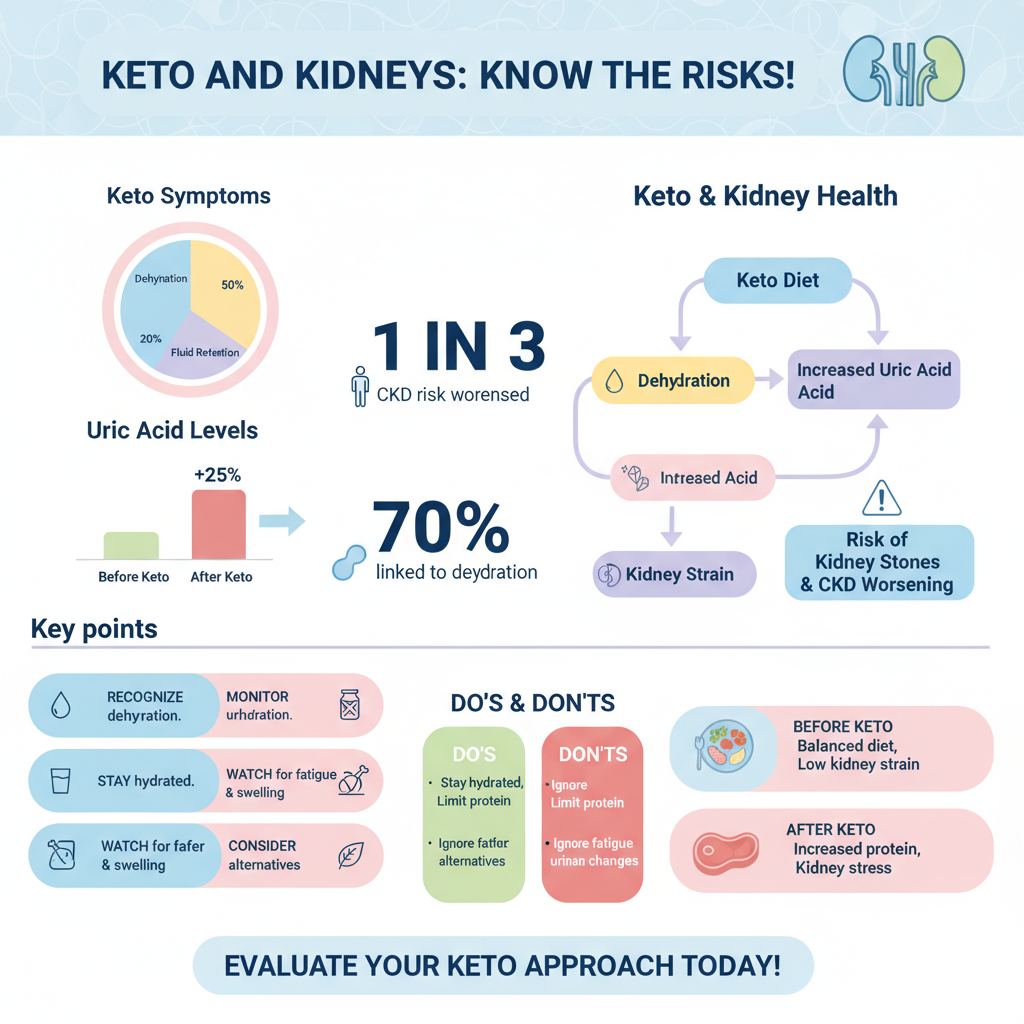

The keto diet can inadvertently lead to several risk factors that may damage the kidneys. One of the most significant concerns is dehydration. By drastically reducing carbohydrate intake, the body tends to excrete more water, leading to a heightened risk of dehydration. Dehydration can contribute to kidney stones, as concentrated urine is more likely to crystallize and form calculi.
Additionally, the keto diet can elevate levels of uric acid in the body, a byproduct of protein metabolism. High uric acid levels are linked to gout and can also contribute to kidney dysfunction. Individuals already predisposed to conditions like hyperuricemia may find their situation exacerbated by the keto diet, increasing their risk of kidney-related complications.
Symptoms of Kidney Strain on Keto
Recognizing the symptoms of kidney strain is vital for anyone considering or currently following the keto diet. Common signs include fatigue, a feeling of swelling or bloating, and notable changes in urination patterns—such as increased frequency or changes in urine color and odor. Persistent fatigue can be indicative of an overload on the kidneys as they struggle to process excess protein and waste products. Swelling can signal fluid retention due to kidney dysfunction, and changes in urination may indicate that the kidneys are not filtering effectively. Early detection of these symptoms is essential for preventing further kidney damage and should prompt immediate consultation with a healthcare professional.
Alternatives to Keto for Kidney Health
For those concerned about kidney health but seeking to improve their diet, there are several safer and more sustainable alternatives to the ketogenic diet. One such option is a plant-based diet that emphasizes whole foods, such as fruits, vegetables, whole grains, and legumes. These foods are typically lower in protein and higher in fiber, which can support kidney function by reducing the workload on the kidneys while providing essential nutrients.
Additionally, adopting a low-protein diet can be particularly beneficial for individuals at risk of kidney damage. Such diets focus on reducing protein intake while ensuring adequate caloric intake from carbohydrates and fats. This approach not only minimizes the strain on the kidneys but also provides a balanced nutritional profile that can help maintain overall health.
Medical Considerations Before Starting Keto
Before embarking on the keto diet, it is paramount to consult with a healthcare professional, especially for individuals with existing health concerns or risk factors for kidney disease. A healthcare provider can offer personalized advice tailored to individual health needs and conditions. Regular monitoring of kidney function through blood tests can also be crucial for those on a high-protein diet, allowing for early detection of any potential issues.
In addition to medical oversight, individuals should consider gradual dietary changes rather than an abrupt shift to a high-fat, low-carb diet. This can help the body adapt more effectively and may mitigate some of the adverse effects associated with keto.
Success Stories: Individuals Who Switched from Keto
Numerous individuals have found success in improving their kidney health by transitioning from the keto diet to more balanced dietary approaches. Testimonials highlight the positive changes experienced after adopting diets rich in whole foods and lower in protein. Many report increased energy levels, reduced symptoms of fatigue and swelling, and improved kidney function markers after making these changes.
Insights from these success stories underscore the importance of moderation and variety in one’s diet. Balanced eating not only supports kidney health but also enables individuals to enjoy a broader range of nutrients and flavors, enhancing overall well-being.
The keto diet poses certain risks to kidney health, particularly for those with existing kidney issues or risk factors. Understanding these potential dangers is essential for making informed dietary choices. Exploring healthier dietary alternatives, such as plant-based or low-protein diets, can provide a safe and effective path to achieving health goals without compromising kidney function. If you’re contemplating the keto diet, it is advisable to consult a healthcare provider to ensure it aligns with your health needs and explore safer options for maintaining kidney health.
Frequently Asked Questions
Why can a ketogenic diet be harmful to kidney health?
A ketogenic diet can be harmful to kidney health primarily due to its high protein content, which can increase the workload on the kidneys. When you consume more protein, the kidneys have to filter out more nitrogen waste products from protein metabolism, which can be problematic, especially for individuals with pre-existing kidney conditions or reduced kidney function. Additionally, the diet’s low carbohydrate intake can lead to dehydration and electrolyte imbalances, further stressing kidney function.
What are the signs that a ketogenic diet may be negatively affecting my kidneys?
Signs that a ketogenic diet may be adversely affecting your kidneys include persistent fatigue, swelling in the legs or ankles, changes in urination frequency or color, and abdominal pain. It is also important to monitor for symptoms of kidney stones, such as severe pain in the back or side, as the high levels of uric acid and calcium associated with the diet can increase the risk of stone formation. If you experience any of these symptoms, consulting a healthcare professional is crucial.
How does a high protein intake on a keto diet impact kidney function?
A high protein intake on a ketogenic diet can impact kidney function by increasing the production of urea and other nitrogenous waste products that need to be filtered out by the kidneys. Over time, if the kidneys are overworked due to excessive protein consumption, it can lead to increased stress and potential damage, especially in individuals who already have diminished kidney function. Therefore, it’s essential to manage protein intake and consult a healthcare provider when considering a keto diet.
Which individuals should avoid a ketogenic diet due to potential kidney issues?
Individuals with existing kidney disease, such as chronic kidney disease (CKD), or those with a history of kidney stones should avoid a ketogenic diet due to its high protein nature and potential to exacerbate kidney problems. Additionally, those with metabolic disorders, such as certain types of diabetes or hyperuricemia, should also be cautious. It’s always advisable for anyone with health concerns to speak with a healthcare professional before starting any restrictive diet like keto.
What can I do to mitigate kidney risks while following a ketogenic diet?
To mitigate kidney risks while following a ketogenic diet, you can focus on hydration by drinking plenty of water to help flush out waste products and maintain kidney function. Additionally, moderating protein intake and choosing high-quality protein sources, such as fish or plant-based proteins, can reduce the strain on the kidneys. Regular monitoring of kidney function through blood tests and staying in touch with a healthcare provider can also help ensure that the diet does not adversely affect kidney health.
References
- https://www.ncbi.nlm.nih.gov/pmc/articles/PMC6520672/
- https://www.health.harvard.edu/staying-healthy/the-ketogenic-diet
- https://www.kidney.org/news/newsroom/news/keto-diet-kidneys
- https://www.jamanetwork.com/journals/jama/fullarticle/2763725
- https://www.sciencedirect.com/science/article/pii/S2211124719300074
- https://www.nutrition.org.uk/healthyliving/basics/low-carb-diet.html