

The keto diet, while lauded for its rapid weight loss potential, can have detrimental effects on your overall health. Although many individuals experience quick reductions in body weight, the diet’s restrictive nature can lead to nutrient deficiencies, elevated cholesterol levels, and a host of other complications. This article will delve into the various reasons why the keto diet may not be suitable for everyone, emphasizing the importance of a balanced approach to nutrition.
Potential Nutrient Deficiencies

One of the most significant concerns surrounding the keto diet is its propensity to induce nutrient deficiencies. By drastically limiting carbohydrate intake, the diet often restricts whole grains, fruits, and many vegetables—all rich sources of essential vitamins and minerals. For instance, magnesium, a mineral crucial for numerous bodily functions, is commonly found in whole grains, nuts, and leafy greens, all of which are limited on a keto diet. Deficiencies in magnesium can lead to symptoms such as fatigue, muscle cramps, and even arrhythmias.
Similarly, potassium, vital for heart health and proper muscle function, may also be lacking in a strict keto regimen. Foods high in potassium, like bananas and sweet potatoes, are often avoided, which can result in an imbalance that affects energy levels and muscle contraction. Furthermore, vitamin C, known for its immune-boosting properties, is primarily sourced from fruits and vegetables that are not typically included in the keto diet. A lack of vitamin C can lead to a weakened immune system, increased susceptibility to disease, and prolonged recovery times from illness.
Increased Cholesterol Levels
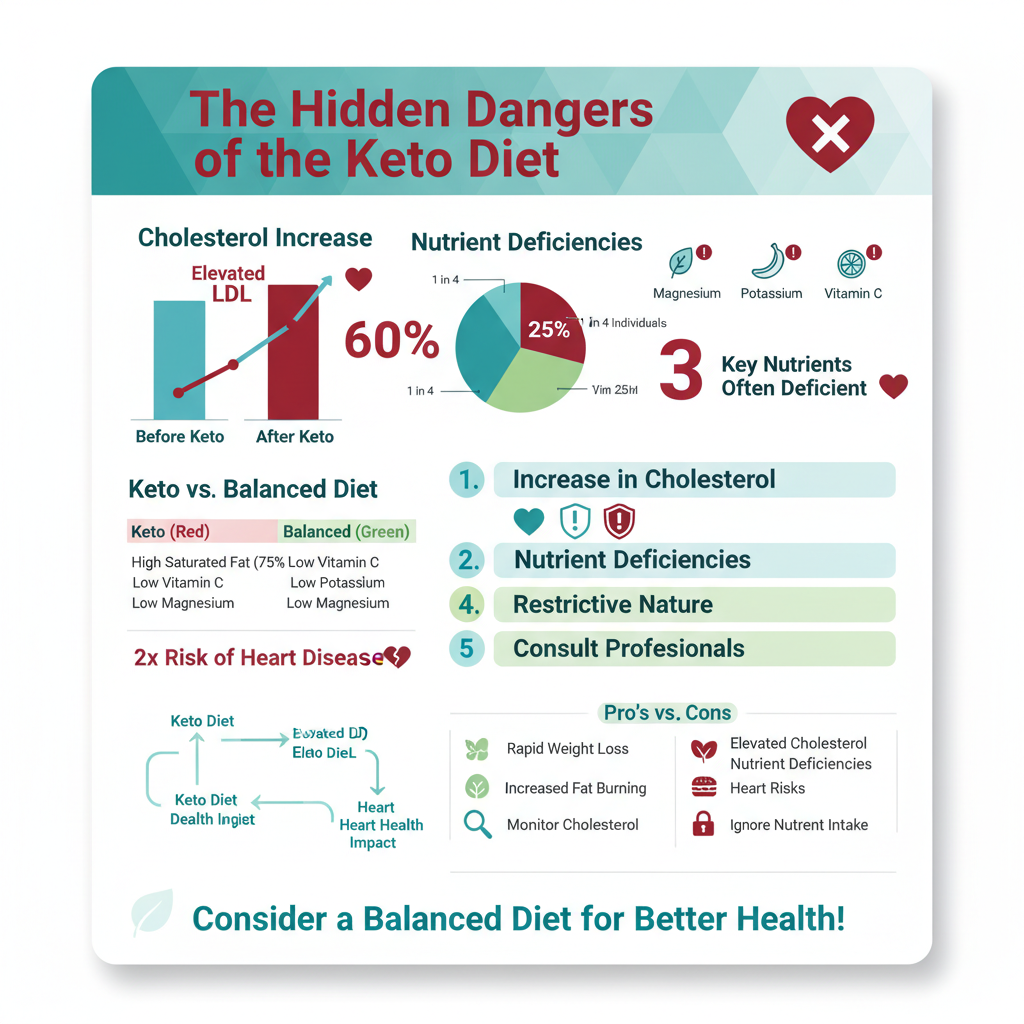

Another concerning aspect of the keto diet is its potential to raise cholesterol levels, particularly low-density lipoprotein (LDL) cholesterol. While some proponents argue that the high fat intake primarily from unsaturated fats can be beneficial, many individuals inadvertently consume excessive saturated fats from keto-friendly foods, such as fatty meats and full-fat dairy products. This can lead to a rise in LDL cholesterol, which is linked to an increased risk of heart disease.
Research indicates that individuals following a ketogenic diet may experience a significant increase in total cholesterol levels, prompting concerns among healthcare professionals. Although some studies suggest that a rise in cholesterol levels may not always correlate with cardiovascular risk, the consensus remains that elevated LDL levels can be harmful, especially for those with pre-existing heart conditions or other risk factors. Regular monitoring of cholesterol levels is essential for anyone considering or currently on a keto diet.
Impact on Gut Health
The keto diet’s low fiber content—resulting from reduced consumption of fruits, vegetables, and whole grains—can significantly impact gut health. A healthy gut microbiome thrives on diverse nutrients, particularly fiber, which serves as a prebiotic for beneficial gut bacteria. With limited fiber intake, individuals may experience a decline in gut flora diversity, which is crucial for digestion, nutrient absorption, and overall health.
Moreover, low fiber intake is often associated with gastrointestinal issues such as constipation, bloating, and discomfort. Studies have shown that a fiber-rich diet supports a healthy gut environment, while a lack thereof can lead to dysbiosis, an imbalance of gut bacteria that can result in various health problems, including inflammatory bowel disease and increased risk of chronic conditions. Therefore, the keto diet’s impact on gut health warrants careful consideration and may necessitate supplementation or adjustments to ensure adequate fiber intake.
Risk of Keto Flu and Other Side Effects
Many new dieters encounter what is commonly referred to as “keto flu” during the initial transition to a ketogenic lifestyle. This phenomenon is characterized by a range of symptoms, including headaches, fatigue, irritability, and brain fog, as the body adjusts to burning fat for fuel instead of carbohydrates. While these symptoms are typically temporary, they can be uncomfortable and may discourage adherence to the diet.
In addition to keto flu, individuals may experience other side effects, such as constipation, bad breath, and muscle cramping. The lack of carbohydrates can lead to a decrease in water retention, which may initially result in rapid weight loss but can also lead to dehydration and electrolyte imbalances. Addressing these side effects often requires careful attention to hydration and the inclusion of electrolyte-rich foods or supplements. Understanding and preparing for these potential side effects is essential for anyone considering the keto diet.
Sustainability and Long-Term Effects
One of the most critical factors to consider when evaluating the keto diet is its sustainability. The restrictive nature of the diet can make it challenging for individuals to maintain over the long term, which may ultimately lead to weight regain once normal eating patterns are resumed. Research indicates that diets that promote extreme restriction often result in a cycle of yo-yo dieting, where individuals lose weight only to regain it, sometimes even exceeding their previous weight.
Moreover, the long-term effects of the keto diet are still not fully understood. While some studies indicate that short-term adherence to the diet may provide benefits for certain individuals, there is limited research on the safety and efficacy of maintaining such a low-carbohydrate regimen over extended periods. This uncertainty raises concerns about potential adverse health effects, including liver and kidney function impairment, which could result from prolonged high fat and protein intake.
Psychological and Behavioral Considerations
The strict guidelines of the keto diet can foster unhealthy relationships with food, leading to disordered eating patterns. The emphasis on avoiding carbohydrates can create an environment of restriction and deprivation, which may trigger binge-eating behaviors in some individuals. Furthermore, the constant monitoring of macronutrient ratios and calorie intake can increase stress and anxiety around meal times, detracting from the enjoyment of food.
The psychological impact of the keto diet can be profound, as some individuals may develop an unhealthy obsession with food quality and quantity. This can lead to feelings of guilt or shame associated with non-compliance or deviations from the diet. For those with a history of eating disorders or mental health issues, the keto diet may exacerbate underlying conditions rather than promote a healthy relationship with food.
In summary, while the keto diet may offer short-term weight loss benefits, it also poses significant risks such as nutrient deficiencies, increased cholesterol levels, and psychological impacts. Before starting any restrictive diet, it is essential to consult with a healthcare professional and consider a balanced approach to nutrition for long-term health. A well-rounded diet that includes a variety of food groups is typically more sustainable and beneficial for overall well-being.
Frequently Asked Questions
Why is the keto diet considered unhealthy for some people?
The keto diet, which is high in fats and low in carbohydrates, can lead to nutrient deficiencies if not carefully planned. Many individuals may struggle to consume enough fruits, vegetables, and whole grains, which are essential for a balanced diet. Additionally, the high saturated fat intake could increase cholesterol levels and raise the risk of heart disease for certain people, particularly those with pre-existing conditions.
What are the potential side effects of the keto diet?
The keto diet can lead to several side effects, commonly referred to as the “keto flu,” which includes symptoms like fatigue, headaches, nausea, and irritability during the initial phase. Long-term adherence to the diet may also cause digestive issues, such as constipation, due to reduced fiber intake. Moreover, some individuals may experience liver or kidney problems due to the high levels of fat and protein, emphasizing the need for medical guidance before starting the diet.
How can the keto diet affect mental health?
The keto diet can impact mental health in both positive and negative ways. While some studies suggest that a ketogenic diet may improve cognitive function and reduce symptoms of anxiety and depression, others indicate that the restrictive nature of the diet could lead to stress, anxiety, or an unhealthy relationship with food. It’s crucial for individuals to monitor their mental well-being and consult healthcare professionals if they experience adverse effects while following the diet.
Which groups of people should avoid the keto diet?
Certain groups should be cautious or avoid the keto diet altogether, including individuals with kidney disease, liver disorders, or pancreatitis, as the high fat and protein content can exacerbate these conditions. Pregnant or breastfeeding women may also be advised against strict dieting due to the increased nutritional needs during these phases. Anyone with a history of eating disorders should consult a healthcare provider before undertaking such a restrictive diet.
What are healthier alternatives to the keto diet?
Healthier alternatives to the keto diet include balanced diets such as the Mediterranean or DASH diet, which emphasize whole foods, healthy fats, lean proteins, and plenty of fruits and vegetables. These diets promote heart health, weight management, and overall wellness without the extreme restrictions of the keto diet. Incorporating a variety of food groups can help ensure nutrient adequacy and may be more sustainable for long-term adherence.
References
- https://www.ncbi.nlm.nih.gov/pmc/articles/PMC7079243/
- https://www.healthline.com/nutrition/keto-diet-concerns
- https://www.webmd.com/diet/ss/slideshow-keto-diet
- https://www.cdc.gov/healthyweight/assessing/bmi/adult_bmi/english_bmi_calculator/interactive_bmi_calculator.htm
- https://www.sciencedirect.com/science/article/pii/S0735109719308368
- https://www.mayoclinic.org/healthy-lifestyle/nutrition-and-healthy-eating/expert-answers/keto-diet/faq-20449045
- https://www.nutrition.org.uk/healthyliving/basics/keto-diet.html
- https://www.verywellfit.com/the-ketogenic-diet-5200544