The keto diet works primarily by shifting the body’s metabolism from relying on carbohydrates to burning fat for energy. This metabolic change leads to weight loss and several health benefits. By significantly reducing carbohydrate intake and replacing it with fat, the body enters a state known as ketosis, where fat becomes the primary source of fuel. This article will delve into how the keto diet achieves these results, the science behind it, and practical tips for successful implementation.
Understanding the Keto Diet

The ketogenic diet, commonly referred to as the keto diet, is characterized by its high-fat, low-carbohydrate composition. Typically, the macronutrient breakdown includes approximately 70% fats, 25% proteins, and only about 5% carbohydrates. This distinct ratio is crucial for inducing a metabolic state called ketosis, where the body begins to burn fat for fuel instead of glucose derived from carbohydrates.
In a standard diet, carbohydrates are the primary energy source. However, when carbohydrate intake is drastically reduced, the body is forced to find an alternative energy source. This leads to the liver converting fatty acids into ketones, which serve as an efficient fuel source for the brain and other tissues. The transition into this metabolic state can take several days and may require careful dietary planning to ensure that sufficient fats are consumed while keeping carbohydrate levels minimal.
The Science of Ketosis
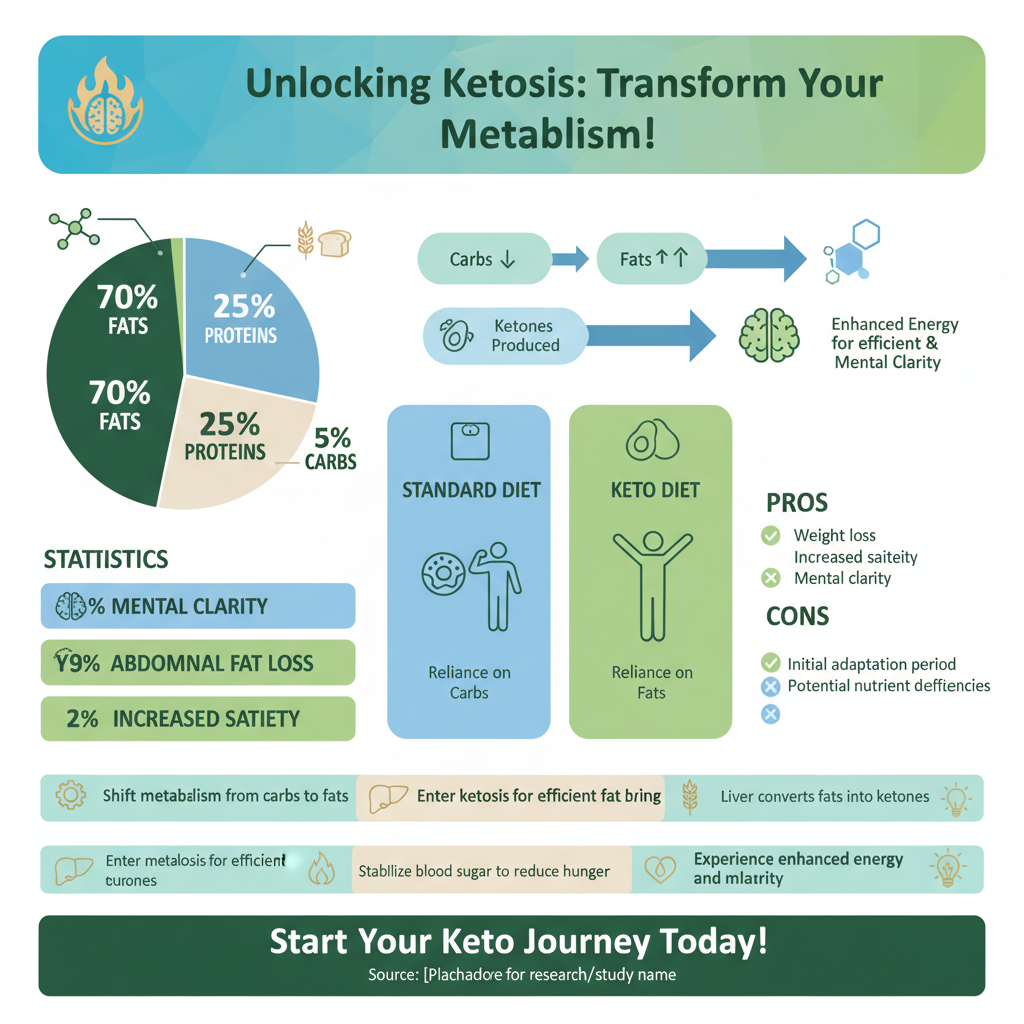

Ketosis is a natural metabolic state that occurs when the body is deprived of carbohydrates, leading to a reliance on fat stores for energy. During this process, the liver converts fatty acids into ketones, which can cross the blood-brain barrier and serve as a potent energy source for the brain. This shift not only fuels the body more efficiently but also leads to several physiological changes that can contribute to weight loss.
Research indicates that ketosis can lead to significant fat loss, particularly from the abdominal area, as the body increasingly mobilizes stored fat. Furthermore, many individuals report improved energy levels and mental clarity during ketosis, attributed to the brain’s capacity to utilize ketones effectively. This metabolic state can also enhance fat oxidation, which further accelerates weight loss efforts and contributes to the overall effectiveness of the keto diet.
Hunger and Appetite Regulation
One of the often-overlooked advantages of the keto diet is its impact on hunger and appetite regulation. Studies have shown that consuming a higher proportion of fats can lead to increased feelings of satiety, reducing the overall urge to snack between meals. This is largely due to the stabilizing effect of fats on blood sugar levels, which helps prevent the spikes and crashes that can lead to increased hunger.
Additionally, ketogenic diets can influence hunger hormones such as ghrelin and leptin, promoting a reduction in appetite. For many individuals, this results in a more manageable eating pattern, enabling easier adherence to the diet over time. As people shift from frequent snacking to more substantial meals, they may find that they can successfully maintain a caloric deficit without the constant struggle against hunger.
Impact on Blood Sugar and Insulin Levels
Another significant benefit of the keto diet is its ability to stabilize blood sugar and insulin levels. By drastically reducing carbohydrate intake, the body experiences fewer insulin spikes and crashes, which are often linked to increased hunger and cravings. This stabilization can be particularly beneficial for individuals with insulin resistance or type 2 diabetes, as it enhances the body’s ability to regulate blood sugar levels.
Lower insulin levels not only promote fat breakdown but also discourage fat storage, creating a favorable environment for weight loss. When insulin levels are low, the body is more likely to mobilize fat stores for energy rather than storing incoming calories as fat. This dual effect—enhanced fat burning and reduced fat storage—makes the keto diet an appealing option for those seeking to improve their metabolic health.
Health Benefits Beyond Weight Loss
While weight loss is a primary goal for many adopting the keto diet, research suggests that it may offer additional health benefits that extend beyond shedding pounds. Studies have indicated that ketogenic diets can have positive effects on brain health, including potential neuroprotective effects for conditions such as Alzheimer’s disease and epilepsy. The diet’s ability to reduce inflammation and oxidative stress may contribute to improved cognitive function and overall brain health.
Moreover, the keto diet may have beneficial effects on heart health by improving lipid profiles, such as increasing HDL (high-density lipoprotein) cholesterol levels while reducing triglycerides. These changes can decrease the risk of cardiovascular disease. Additionally, some studies have suggested that ketogenic diets may help manage diabetes more effectively, reducing reliance on medication and improving glycemic control.
Practical Tips for Success on Keto
Embarking on a ketogenic journey requires careful planning and commitment. Here are some practical tips for success:
1. Gradually Reduce Carbohydrates: Instead of an abrupt cut, gradually decrease your carb intake over a week or two. This can help minimize withdrawal symptoms and make the transition smoother.
2. Focus on Healthy Fats: Prioritize sources like avocados, nuts, seeds, olive oil, and fatty fish. These foods not only provide essential nutrients but also promote satiety.
3. Plan Your Meals: Meal planning is crucial in avoiding temptation and ensuring you stay within your macronutrient targets. Preparing meals in advance can help reduce the likelihood of reaching for high-carb options.
4. Stay Hydrated: Drink plenty of water to support metabolic processes and manage keto flu symptoms. Electrolyte balance is also essential, so consider incorporating foods rich in potassium, magnesium, and sodium.
5. Monitor Your Progress: Keep track of your food intake, energy levels, and physical changes to stay motivated and make necessary adjustments.
Common Challenges and Solutions
The transition to a keto diet can come with challenges, particularly in the initial phase. Many individuals experience what is commonly referred to as the “keto flu,” which can manifest as fatigue, headaches, irritability, and digestive issues. These symptoms can often be mitigated by ensuring adequate hydration and electrolyte intake, as the body adapts to a lower carbohydrate intake.
Social situations can also pose challenges for those on a ketogenic diet. Dining out or attending gatherings may lead to temptations that can derail progress. To navigate these situations successfully, consider researching menus in advance, suggesting keto-friendly restaurants, or bringing your own snacks. Developing strategies for social outings can ensure that you stay committed to your dietary goals while still enjoying time with friends and family.
Maintaining a keto diet can yield impressive results in weight loss and overall health. By understanding how it works and following practical tips, you can successfully integrate this lifestyle into your daily routine. If you’re considering starting a keto diet, consult with a healthcare professional to ensure it’s right for you, and start planning your meals today!
Frequently Asked Questions
Why does a keto diet promote weight loss effectively?
A keto diet promotes weight loss primarily by inducing a state of ketosis, where the body shifts from burning carbohydrates for energy to burning fat. This metabolic change helps reduce hunger and appetite, leading to lower caloric intake. Additionally, the high-fat content of the diet can promote satiety, making it easier for individuals to maintain their weight loss goals without feeling deprived.
What are the science-backed benefits of following a keto diet?
The science-backed benefits of a keto diet extend beyond weight loss and include improved blood sugar control, enhanced mental clarity, and increased energy levels. Research indicates that ketosis can help stabilize insulin levels, which may be particularly beneficial for those with type 2 diabetes. Furthermore, some studies suggest that the keto diet may have neuroprotective effects, potentially aiding in the management of neurological conditions such as epilepsy.
How does a keto diet affect energy levels and mental clarity?
A keto diet can enhance energy levels and mental clarity by utilizing ketones, an alternative fuel source produced from fat, for brain function. Unlike glucose, ketones provide a more stable energy source, reducing the energy crashes associated with high-carb diets. Many individuals report improved focus and concentration on a keto diet, as the brain thrives on the consistent energy provided by fat metabolism.
Which foods are best to include in a keto diet for optimal results?
To achieve optimal results on a keto diet, focus on incorporating healthy fats, such as avocados, nuts, seeds, and olive oil, along with low-carb vegetables like leafy greens, broccoli, and zucchini. Protein sources should include fatty fish, grass-fed meat, and eggs, while avoiding high-carb foods like grains, sugars, and starchy vegetables. This combination not only helps to maintain ketosis but also ensures that you are getting essential nutrients for overall health.
How can I overcome challenges when starting a keto diet?
Overcoming challenges when starting a keto diet involves proper planning and gradual adjustments to your eating habits. Begin by educating yourself on keto-friendly foods and meal prepping to avoid the temptation of high-carb options. Staying hydrated and ensuring adequate electrolyte intake can also alleviate common issues like the “keto flu,” which some people experience during the initial transition. Additionally, seeking guidance from a nutritionist or joining a support group can provide motivation and accountability.
References
- Ketogenic diet
- The Ketogenic Diet: A Detailed Beginner’s Guide to Keto
- https://www.ncbi.nlm.nih.gov/pmc/articles/PMC5531944/
- https://www.webmd.com/diet/obesity/what-is-the-ketogenic-diet
- https://www.hopkinsmedicine.org/health/wellness-and-prevention/the-ketogenic-diet-explained
- https://www.cdc.gov/healthyweight/assessing/bmi/adult_bmi/index.html