

The term “Keto” refers to the ketogenic diet, a low-carb, high-fat eating plan that has gained popularity for its potential weight loss and health benefits. This approach to nutrition encourages the body to enter a metabolic state called ketosis, where fat becomes the primary source of energy instead of carbohydrates. In this article, you’ll discover what the ketogenic lifestyle entails, who it’s best suited for, and how it works to support weight management and overall well-being.
What is the Ketogenic Diet?

The ketogenic diet drastically reduces carbohydrate intake while increasing fat consumption. Typically, the macronutrient ratio of a standard ketogenic diet is about 70-75% fats, 20-25% proteins, and only 5-10% carbohydrates. By minimizing carb intake to such low levels, the body is deprived of its primary energy source, glucose, which leads to the production of ketones from fat stores. The goal is to enter a state of ketosis, where the body efficiently burns fat for fuel instead of carbohydrates. This metabolic shift can take several days to weeks, depending on the individual and their previous diet, making the initial adaptation period critical for those starting the ketogenic lifestyle.
Who Should Consider Going Keto?
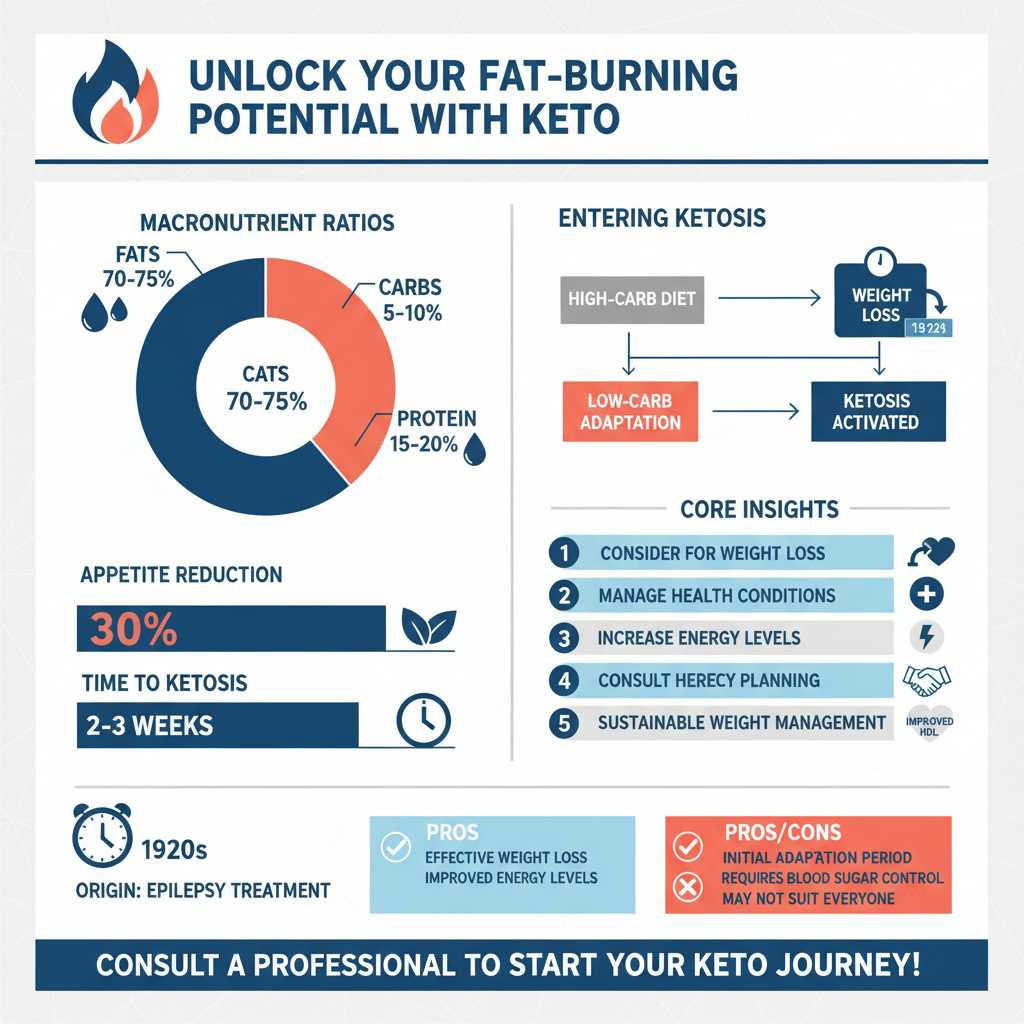

Individuals looking for weight loss solutions or to manage certain health conditions like epilepsy may benefit from a ketogenic diet. Originally developed in the 1920s as a treatment for epilepsy, particularly in children, the keto diet has since gained traction in the mainstream for its weight loss potential. Those with an interest in improving their metabolic health or enhancing athletic performance might also find keto appealing, as the diet can lead to improved energy levels and fat-burning capabilities during exercise. However, it’s essential for anyone considering this diet to assess their health status and consult with a healthcare professional to determine if it aligns with their personal health goals.
Benefits of the Keto Diet
The ketogenic diet offers several potential benefits that have drawn attention from health enthusiasts and researchers alike. One of the most notable advantages is potential weight loss due to reduced appetite and increased fat burning. Many people on a keto diet report feeling fuller for longer periods, which can lead to a natural reduction in calorie intake. Additionally, improved blood sugar control and reduced insulin levels are significant benefits for some individuals, particularly those with insulin resistance or type 2 diabetes. Research indicates that the ketogenic diet can lead to favorable changes in blood lipid profiles, including increased HDL cholesterol and decreased triglycerides, contributing to overall cardiovascular health.
Risks and Considerations
While the ketogenic diet can be beneficial, it is not without risks and considerations. One of the most commonly reported side effects during the initial adjustment phase is the “keto flu,” which can include symptoms such as fatigue, headaches, dizziness, and irritability as the body transitions into ketosis. Additionally, if the diet is not well-planned, individuals may face nutrient deficiencies, particularly in vitamins and minerals typically found in fruits, vegetables, and whole grains. It is crucial for those following a keto diet to include a variety of nutrient-dense foods, such as leafy greens, avocados, nuts, and seeds, to ensure they meet their nutritional needs while adhering to ketogenic principles.
How to Start a Keto Diet
Beginning a ketogenic diet involves careful planning and preparation. First, individuals should calculate their macronutrient needs using an online calculator or consulting with a nutritionist. The focus should be on high fats, moderate proteins, and low carbohydrates, with an emphasis on whole foods such as olive oil, fatty fish, eggs, and non-starchy vegetables. Meal planning is essential to avoid high-carb foods and to stay within keto guidelines. Preparing meals in advance, keeping keto-friendly snacks on hand, and reading food labels diligently can help maintain adherence to the diet. Additionally, tracking food intake through apps or journals can provide insights into personal eating habits and help manage macronutrient ratios effectively.
Common Misconceptions about Keto
There are several misconceptions surrounding the ketogenic diet that can lead to confusion. One common myth is that keto is simply a high-fat diet; however, it is important to understand that the ketogenic diet involves a specific macronutrient ratio that prioritizes low carbohydrate intake. Another concern often raised is about cholesterol and heart health in relation to a high-fat diet. It is vital to note that not all fats are created equal; the focus should be on consuming healthy fats, such as those from avocados, nuts, and olive oil, while limiting trans fats and processed foods. Moreover, emerging research suggests that a well-formulated ketogenic diet can actually improve heart health markers in many individuals.
Long-Term Sustainability of Keto
One of the key challenges of the ketogenic diet is its long-term sustainability. While many individuals experience significant weight loss and health improvements in the short term, maintaining this lifestyle can be difficult. It is important to consider incorporating occasional carb cycling or “cheat days” to allow for flexibility and social interaction without derailing progress. Emphasizing the importance of personalizing the approach for individual lifestyles and preferences is crucial for long-term adherence. For some, transitioning to a more moderate low-carb diet after achieving initial goals may be a more sustainable option, allowing for a balanced approach to nutrition while still reaping some of the benefits of the ketogenic lifestyle.
In summary, the ketogenic diet is a structured approach to eating that emphasizes low carbohydrates and high fats, making it suitable for those looking to lose weight or manage certain health issues. While there are potential benefits, such as weight loss and improved metabolic health, it is essential to be aware of the risks and to follow the diet mindfully. If you’re considering trying keto, research and planning are crucial for success. Explore resources, consult with a healthcare provider, and start your keto journey today!
Frequently Asked Questions
What is the ketogenic diet and how does it work?
The ketogenic diet, commonly referred to as “keto,” is a high-fat, low-carbohydrate eating plan designed to encourage the body to enter a state of ketosis. In ketosis, the body shifts from using carbohydrates as its primary energy source to burning fat for fuel. Typically, the macronutrient breakdown consists of approximately 70-75% fats, 20-25% protein, and only about 5-10% carbohydrates, drastically reducing sugar intake and promoting fat loss.
Who should consider following a ketogenic diet?
The ketogenic diet can be beneficial for various individuals, particularly those looking to lose weight, manage diabetes, or improve metabolic health. However, it’s essential for anyone with pre-existing health conditions, such as liver or kidney disease, to consult a healthcare professional before starting. Additionally, those seeking better mental clarity or increased energy levels may also find keto advantageous, but they should first assess their lifestyle and dietary preferences.
What are the common side effects of starting a ketogenic diet?
When beginning a ketogenic diet, some individuals may experience what’s commonly referred to as the “keto flu.” This can include symptoms such as fatigue, headaches, dizziness, and irritability as the body adjusts to burning fat instead of carbohydrates. Staying hydrated, ensuring adequate electrolyte intake, and gradually reducing carbs can help mitigate these side effects, making the transition smoother.
How can I effectively transition to a ketogenic diet?
To effectively transition to a ketogenic diet, start by gradually reducing your carbohydrate intake while increasing healthy fats. Meal planning is crucial; focus on incorporating foods like avocados, nuts, seeds, and fatty fish, while avoiding sugars and grains. Additionally, tracking your macronutrient intake can help ensure you maintain the appropriate ratios to promote ketosis, leading to better results and adherence to the diet.
What are some of the best foods to eat on a ketogenic diet?
Some of the best foods for a ketogenic diet include avocados, eggs, fatty cuts of meat, leafy greens, and full-fat dairy products. Nuts and seeds, as well as low-carb vegetables like broccoli and cauliflower, are excellent choices too. It’s also important to incorporate healthy fats such as olive oil, coconut oil, and butter to meet your fat intake goals while keeping carbohydrate levels low for effective ketosis.
References
- Ketogenic diet
- https://www.ncbi.nlm.nih.gov/pmc/articles/PMC5852778/
- https://www.health.harvard.edu/staying-healthy/the-ketogenic-diet
- https://www.ncbi.nlm.nih.gov/pmc/articles/PMC5785030/
- https://www.cdc.gov/healthyweight/assessing/bmi/adult_bmi/index.html
- https://www.mayoclinic.org/healthy-lifestyle/nutrition-and-healthy-eating/expert-answers/keto-diet/faq-20422302
- https://www.ncbi.nlm.nih.gov/pmc/articles/PMC6837393/