

Both the keto and carnivore diets prioritize low carbohydrate intake, but they differ significantly in their food variety and macronutrient composition. The ketogenic diet emphasizes high fat and moderate protein intake while still allowing for some carbohydrates, promoting a diverse range of foods. In contrast, the carnivore diet restricts itself exclusively to animal products, eliminating plant-based foods entirely. In this article, we will delve into the key differences between these two popular dietary approaches, providing clarity for those considering each option.
Overview of the Keto Diet

The ketogenic diet, or keto diet, is primarily focused on achieving a state of ketosis through a specific macronutrient ratio. Typically, the diet consists of approximately 70-75% fats, 20-25% protein, and only 5-10% carbohydrates. This high-fat, low-carb approach encourages the body to burn fat for fuel instead of glucose, leading to weight loss and improved energy levels.
One of the main advantages of the keto diet is its flexibility in food choices. It encourages a variety of nutrient-dense foods, including meats, dairy products, nuts, seeds, and low-carb vegetables like leafy greens, cucumbers, and bell peppers. This variety can make it easier for individuals to adhere to the diet over the long term, as they have multiple options to choose from. Additionally, the inclusion of non-starchy vegetables helps ensure that followers of the keto diet obtain necessary vitamins and minerals, making it a more balanced approach compared to more restrictive diets.
Overview of the Carnivore Diet
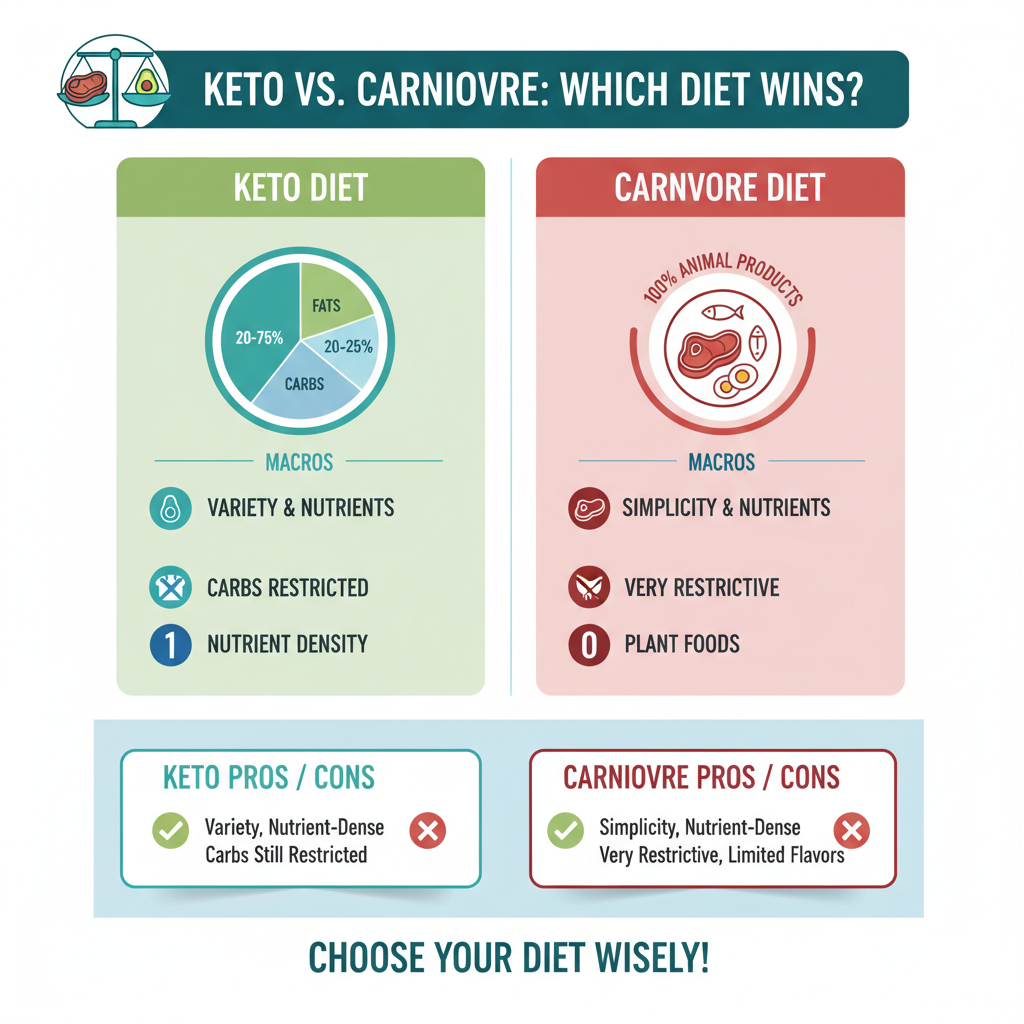

In stark contrast, the carnivore diet is one of the most restrictive dietary approaches available, consisting exclusively of animal products. Followers consume meat, fish, eggs, and some dairy, completely eliminating all plant-based foods and carbohydrates. This means no fruits, vegetables, grains, or legumes are allowed in the diet.
The rationale behind the carnivore diet is that animal foods are nutrient-dense and provide all the essential nutrients required for optimal health. Proponents argue that this simplicity can lead to improved health outcomes, especially for those with specific dietary sensitivities or those who struggle with digestive issues. However, the strict nature of the carnivore diet may pose challenges for those used to a more varied diet, as it limits culinary creativity and the range of flavors available in meal preparation.
Health Benefits of the Keto Diet
The keto diet has garnered attention for its potential health benefits, particularly concerning weight loss. By promoting fat burning and reducing hunger through ketone production, many individuals experience significant weight loss when adhering to the diet. Studies have shown that the keto diet can lead to more substantial weight loss than traditional low-fat diets, especially in the initial stages.
Beyond weight loss, the keto diet has been linked to improvements in various health markers, such as blood sugar and cholesterol levels. Research indicates that a well-formulated ketogenic diet may enhance insulin sensitivity, making it beneficial for those with type 2 diabetes or prediabetes. Additionally, it has been studied for its potential neuroprotective effects, with some evidence suggesting that it may benefit individuals with epilepsy and neurodegenerative diseases.
Health Benefits of the Carnivore Diet
Advocates of the carnivore diet often cite various health benefits, particularly for individuals with autoimmune conditions or digestive issues. Some followers report significant improvements in symptoms of conditions like rheumatoid arthritis, Crohn’s disease, and irritable bowel syndrome, attributing their success to the elimination of plant-based foods that may cause inflammation or irritation.
Another advantage of the carnivore diet is its simplicity in meal planning. With a limited selection of foods, followers can streamline their shopping and cooking processes, reducing decision fatigue. This can be particularly appealing for individuals with busy lifestyles or those who struggle with meal preparation. As dietary preferences continue to shift towards minimalism, the carnivore diet may resonate with those looking to simplify their eating habits.
Potential Risks of the Keto Diet
While the ketogenic diet offers numerous benefits, it is not without its potential risks. One of the primary concerns is the possibility of nutrient deficiencies if the diet is not carefully balanced. Since the keto diet restricts many food groups, individuals may miss out on essential vitamins and minerals, especially if they do not incorporate a variety of low-carb vegetables and nutrient-rich foods.
Additionally, some individuals may experience initial side effects, commonly referred to as the “keto flu,” during the adaptation phase. Symptoms can include fatigue, headaches, irritability, and gastrointestinal discomfort as the body transitions from burning glucose to burning fat for fuel. While these symptoms are often temporary, they can deter some individuals from fully committing to the diet.
Potential Risks of the Carnivore Diet
The carnivore diet also presents several risks that individuals should be aware of before embarking on this restrictive eating plan. One significant concern is the lack of dietary fiber, which is crucial for healthy digestion and regular bowel movements. Without fiber, individuals may experience issues such as constipation or other digestive discomforts.
Moreover, long-term adherence to the carnivore diet may lead to deficiencies in vitamins and minerals typically found in plant-based foods, such as vitamin C, potassium, and magnesium. These deficiencies can have serious health implications if not addressed. As such, individuals considering the carnivore diet should carefully monitor their health and consult healthcare professionals to ensure they are meeting their nutritional needs.
Choosing the Right Diet for You
Selecting the right diet ultimately depends on personal health goals, dietary preferences, and lifestyle factors. For individuals seeking a more flexible approach with a variety of food options, the keto diet may be more suitable. It allows for a broader range of nutrients while still promoting weight loss and health improvements.
Conversely, those who prefer a highly structured and simplified eating plan may find the carnivore diet appealing. It can be particularly beneficial for individuals dealing with specific health issues that may improve with the elimination of plant-based foods. However, it is crucial for anyone considering either diet to consult with a healthcare provider or nutritionist to tailor a plan that aligns with their individual health needs and goals.
In summary, the keto diet allows for a diverse range of foods while focusing on a high-fat, low-carb approach, whereas the carnivore diet is much stricter, consisting solely of animal products. Understanding these differences can help you make an informed choice about which diet aligns better with your health goals. Whether you’re intrigued by the flexibility of keto or the simplicity of carnivore, the next step is to assess your personal preferences and consult a professional if needed.
Frequently Asked Questions
What are the main differences between the keto and carnivore diets?
The primary difference between the keto and carnivore diets lies in their food variety and macronutrient composition. The ketogenic diet focuses on high fat, moderate protein, and very low carbohydrates, allowing for foods like avocados, nuts, and non-starchy vegetables. In contrast, the carnivore diet consists exclusively of animal products, emphasizing meat, fish, and animal-derived foods while completely eliminating plant-based foods, which can lead to different nutritional outcomes and health benefits.
How do the health benefits of keto and carnivore diets compare?
Both the keto and carnivore diets can offer specific health benefits, but they target different outcomes. The ketogenic diet is well-researched for weight loss, improved blood sugar control, and enhanced mental clarity due to its focus on ketone production from fat. The carnivore diet may also promote weight loss and metabolic health but is often touted for its simplicity and potential anti-inflammatory effects, although it lacks research on long-term health consequences compared to the more established keto approach.
Why might someone choose the carnivore diet over the keto diet?
Individuals may opt for the carnivore diet over the keto diet for several reasons, including its simplicity and the elimination of potential allergens found in plant foods. Some people report improved digestion, reduced cravings, and increased energy levels on a meat-only diet. Additionally, those with specific health issues, such as autoimmune conditions, may find relief by removing plant-based foods that can trigger inflammation or intolerance.
Which diet is easier to maintain for weight loss: keto or carnivore?
The ease of maintaining the keto or carnivore diet for weight loss largely depends on personal preferences and lifestyle. The keto diet allows for more food variety, which can make it easier for some to stick with long-term, as it includes a range of foods like dairy, nuts, and low-carb vegetables. However, the carnivore diet’s strict adherence to animal products may appeal to those who prefer a straightforward, no-frills approach, potentially leading to consistent adherence and weight loss results.
What are the potential risks of following the keto or carnivore diet?
Both the keto and carnivore diets come with potential risks. The ketogenic diet can lead to nutrient deficiencies if not properly managed, and some individuals might experience the “keto flu” as they adapt to ketosis. The carnivore diet, while eliminating many food groups, can lead to deficiencies in vitamins and minerals found in plants, and there are concerns about long-term effects on heart health due to high saturated fat intake. Consulting with a healthcare professional before starting either diet is advisable to mitigate these risks.
References
- https://en.wikipedia.org/wiki/Ketogenic_diet
- https://www.healthline.com/nutrition/keto-vs-carnivore-diet
- https://www.ncbi.nlm.nih.gov/pmc/articles/PMC8313108/
- https://www.clevelandclinic.org/health/articles/what-is-the-carnivore-diet
- https://www.ncbi.nlm.nih.gov/pmc/articles/PMC7077668/
- https://www.health.harvard.edu/staying-healthy/the-carnivore-diet
- https://www.medicalnewstoday.com/articles/carnivore-diet-vs-keto-diet
- https://www.forbes.com/health/body/carnivore-diet-vs-keto-diet/