
The Keto diet focuses on a low-carb, high-fat approach, allowing a variety of foods, including low-carb vegetables and dairy. In contrast, the Carnivore diet restricts you to animal products only. While both promote weight loss and energy, they differ in food variety and macronutrient ratios. Nutritional considerations and potential risks, like deficiencies and digestive issues, are important for both diets. To discover how each diet fits your lifestyle, you’ll want to explore their unique benefits and challenges.
Overview of the Keto Diet
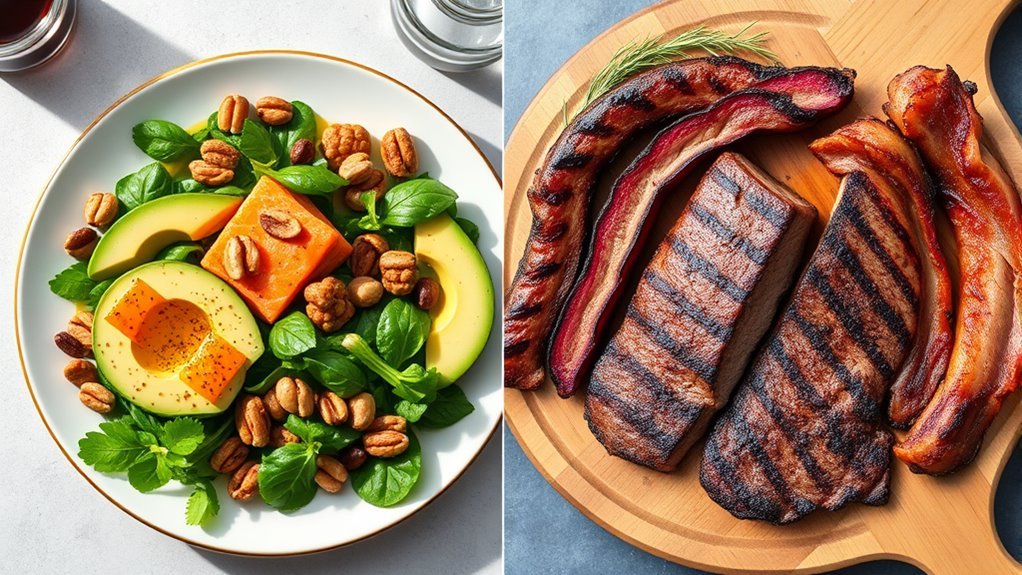
When you’re considering dietary options, the keto diet stands out due to its unique approach to macronutrient consumption. This low-carb, high-fat diet encourages your body to enter ketosis, where it burns fat for energy instead of carbohydrates. One of the primary keto benefits is weight loss, as many find it easier to shed pounds by reducing carb intake. Additionally, improved mental clarity and increased energy levels are often reported. Effective keto meal planning is essential for success; it involves selecting foods rich in healthy fats, moderate in protein, and low in carbs. By incorporating a variety of nutrient-dense foods, you can maintain balance while enjoying the freedom to indulge in delicious meals. Embracing this diet could lead to transformative health changes. Moreover, the diet promotes stabilization of blood sugar levels, which can help reduce cravings and enhance overall well-being.
Overview of the Carnivore Diet

Although it may seem extreme, the carnivore diet is gaining popularity for its straightforward approach: it consists entirely of animal products. Following the carnivore principles, you’ll focus on consuming meat, fish, and animal-based foods, eliminating all plant-based items. This diet emphasizes meat variety, allowing you to explore different cuts of beef, pork, poultry, and seafood, which can provide essential nutrients like protein, vitamins, and minerals. Advocates claim that this diet can lead to various health benefits, including improved mental clarity and weight loss. However, it’s important to evaluate potential drawbacks, such as nutrient deficiencies or gut health issues. As with any dietary change, listen to your body and consult a healthcare professional to verify it aligns with your personal health goals.
Key Differences in Food Choices
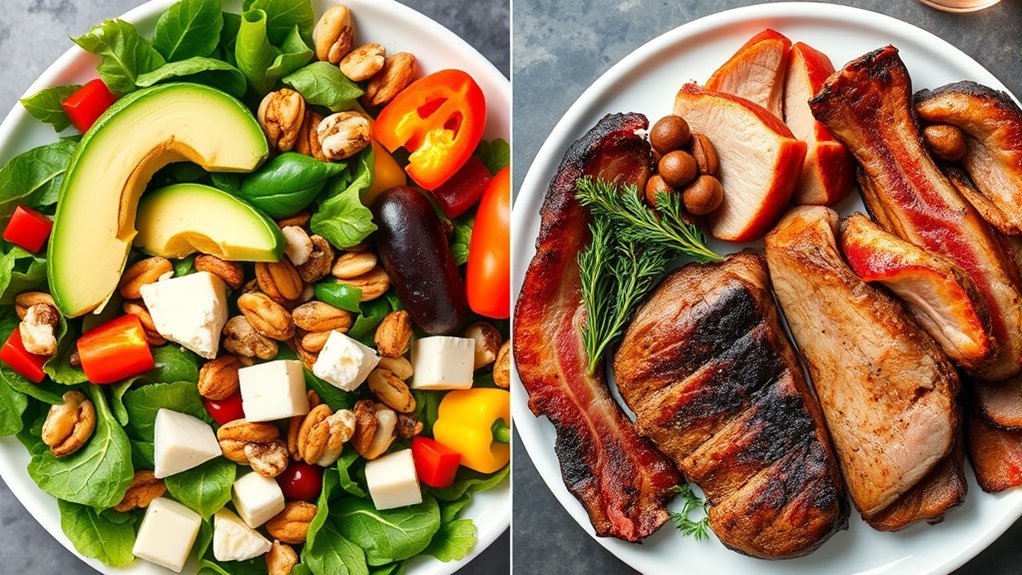
While both the keto and carnivore diets prioritize animal products, their food choices reflect distinct philosophies and nutritional goals. The keto diet allows for greater food variety, incorporating low-carb vegetables and some dairy, while the carnivore diet strictly emphasizes animal-based foods, leading to more dietary restrictions.
Here’s a quick comparison:
- Keto Diet: Includes meat, fish, eggs, low-carb veggies, and dairy.
- Carnivore Diet: Focuses exclusively on meat, fish, eggs, and animal fats.
- Keto Flexibility: Offers room for a wider range of nutrients and flavors.
- Carnivore Simplicity: Eliminates most food groups, which can simplify meal prep but limits variety.
Understanding these distinctions can help you choose the path that aligns best with your health goals and lifestyle preferences. Additionally, the role of carbohydrates in the ketogenic diet is crucial for maintaining energy levels and overall well-being.
Macronutrient Breakdown
When comparing the keto and carnivore diets, understanding their macronutrient breakdown is essential. Keto typically emphasizes low carbohydrate intake, while the carnivore diet focuses on higher protein and fat ratios, with virtually no carbs. This difference can greatly impact your energy levels and overall health, making it important to evaluate which approach aligns best with your goals. A keto diet typically includes low-carb vegetables which provide essential nutrients while maintaining a low carbohydrate intake.
Carb Intake Comparison
As you explore the macronutrient breakdown of the keto and carnivore diets, you’ll notice a stark contrast in carbohydrate intake. The keto diet typically allows for low-carb consumption, often around 5-10% of total daily calories, emphasizing strategic carb cycling and specific carb sources. On the other hand, the carnivore diet is virtually zero-carb, relying solely on animal products.
- Keto focuses on leafy greens and low-carb veggies.
- Carnivore excludes all plant-based foods entirely.
- Keto’s flexibility allows for occasional carb cycling.
- Carnivore promotes a straightforward, meat-based approach.
Additionally, the keto diet encourages low-carb options like nuts and healthy fats for sustained energy while maintaining ketosis.
Understanding these differences can help you make an informed choice about which dietary path aligns with your lifestyle and goals, allowing for the freedom to choose what fuels you best.
Protein and Fat Ratios
Understanding the protein and fat ratios in both the keto and carnivore diets is essential for anyone considering these dietary approaches. The keto diet typically consists of about 70% fat, 25% protein, and 5% carbohydrates. Here, protein sources include meat, fish, and dairy, but the focus is on high-fat foods like avocados and olive oil. In contrast, the carnivore diet emphasizes nearly 100% animal-based foods, leading to higher protein ratios, often around 70% or more, with fat types primarily coming from animal fats such as tallow and lard. This distinction in macronutrients results in varied metabolic effects, influencing energy levels and weight loss. Understanding these ratios can empower you to choose the right diet for your lifestyle and goals. Additionally, being aware of nutrient-dense fats can enhance your understanding of how to maintain a balanced intake while on these diets.
Health Benefits of Each Diet
The health benefits of the keto and carnivore diets are often touted by their advocates, each claiming unique advantages. If you’re considering either, here’s what you might find appealing:
- Weight Loss: Both diets can promote significant weight loss through reduced carbohydrate intake.
- Health Improvements: Many report enhanced energy levels and mental clarity on these diets.
- Blood Sugar Control: A keto diet may stabilize blood sugar, which is beneficial for those with insulin sensitivity.
- Simplicity: The carnivore diet offers a straightforward approach, focusing solely on animal products.
- Metabolic Adaptation: Both diets may require a period of initial adjustments as your body shifts to utilizing fat for fuel.
Ultimately, both diets may bring about health improvements, but it’s crucial to align your choice with your lifestyle and nutritional needs. Choose what feels right for you and your body’s goals.
Potential Risks and Considerations
As you consider the keto and carnivore diets, it’s essential to weigh potential nutritional deficiencies that may arise from their restrictive nature. Long-term adherence to these diets could lead to health effects that aren’t fully understood yet. Staying informed about these risks can help you make a more balanced decision about your dietary choices. Additionally, monitoring essential vitamins and minerals is crucial, as low carbohydrate intake can lead to electrolyte imbalances that may affect overall health.
Nutritional Deficiencies Risks
While both the Keto and Carnivore diets can offer unique benefits, it’s crucial to be aware of the potential nutritional deficiencies they may introduce. With limited nutrient sources, you might experience some deficiency symptoms that could affect your overall health.
Consider the following risks:
- Vitamin C: Without fruits and vegetables, you may miss out on this essential vitamin, leading to fatigue and weakened immunity.
- Fiber: A lack of fiber can result in digestive issues, such as constipation.
- Micronutrients: Key minerals like magnesium and potassium may be insufficient, impacting muscle function and energy levels.
- Antioxidants: Reduced intake of antioxidants can increase oxidative stress, affecting your long-term health.
Incorporating a variety of nutrient-dense foods is essential to mitigate these risks and promote overall well-being.
Staying informed will help you make balanced choices on your dietary journey.
Long-term Health Effects
Long-term adherence to either the Keto or Carnivore diet can pose potential health risks that warrant careful consideration. While both diets may lead to initial weight loss, they can affect long-term sustainability and metabolic adaptation. Here’s a quick overview of potential risks:
| Diet Type | Potential Risks | Considerations |
|---|---|---|
| Keto | Nutrient deficiencies | Monitor micronutrient intake |
| Carnivore | Increased cholesterol levels | Regular health check-ups |
| Both | Gut health issues | Include fiber-rich foods |
Before committing to either diet, it’s crucial to weigh these considerations against your health goals. Understanding how these diets could impact your life long-term enables you to make informed choices that support your freedom and well-being. Additionally, monitoring cholesterol levels is essential to ensure heart health while following these dietary patterns.
Suitability for Different Lifestyles
When considering the suitability of the keto and carnivore diets for various lifestyles, it’s important to recognize that individual preferences and health goals play a crucial role. Both diets offer unique benefits, but lifestyle compatibility can differ markedly.
- Keto may suit those who enjoy a variety of foods, including vegetables and dairy.
- The carnivore diet appeals to those who prefer simplicity and focus solely on animal products.
- Busy individuals might find keto easier to adapt due to its broader food choices.
- Those seeking a strict, no-fuss approach may thrive on the carnivore diet.
Additionally, the flexibility of the keto diet allows for healthy fats and low-carb options which can enhance meal variety.
Ultimately, your choice should align with your personal preferences and health objectives, ensuring you feel satisfied and energized in your daily life.
Which Diet Is Right for You?
Choosing between the keto and carnivore diets involves evaluating your health goals, lifestyle, and personal preferences. If you’re aiming for weight loss and better energy levels, the keto diet’s focus on low carbs might suit you. It allows for a variety of foods, making it easier to incorporate into daily life. On the other hand, if you prefer a more restrictive approach and are interested in the potential health benefits of an all-meat diet, the carnivore diet could align with your personal goals. Consider your lifestyle preferences—do you enjoy cooking diverse meals, or do you prefer simplicity? Ultimately, the right choice is one that fits seamlessly into your life and helps you achieve your desired outcomes.
Frequently Asked Questions
Can You Combine Elements of Both Diets Successfully?
Sure, you can combine elements of both diets successfully! It’s ironic, isn’t it? Seeking diet flexibility while restricting options. By mixing the high-fat, low-carb principles of keto with the meat-centric focus of carnivore, you can achieve a nutrient balance that suits your needs. Just remember, it’s all about finding what works for you. Embrace variety without losing sight of your goals, and you might just discover a delicious path to health!
How Do These Diets Affect Mental Clarity?
Both diets can enhance mental clarity and focus. The keto diet promotes cognitive benefits through a steady supply of ketones, which your brain thrives on. Meanwhile, the carnivore diet, rich in fatty acids and nutrients, may also support brain function. However, individual responses vary, so you might experience different effects. It’s essential to listen to your body and adjust your approach to find what truly boosts your mental focus while enjoying your dietary freedom.
What Are Common Challenges When Starting Each Diet?
Starting either diet can feel like steering through a stormy sea. You’ll face food cravings that crash against your resolve, tempting you to turn back. In social situations, you might find yourself adrift, struggling to fit in while others indulge. Both diets demand a shift in mindset and preparation, requiring you to plan meals and communicate your choices effectively. Embracing this journey can lead to newfound freedom in your relationship with food.
How Do These Diets Impact Athletic Performance?
Both diets can impact athletic performance differently. Keto athletes often report improved endurance and fat oxidation during long workouts, as they adapt to burning fat for fuel. However, some might struggle with high-intensity performance due to lower glycogen stores. On the other hand, those following a carnivore diet may experience enhanced recovery and sustained energy, but may find endurance capabilities limited without carbohydrates. It’s essential to listen to your body and adjust accordingly for peak performance.
Are There Any Age Restrictions for These Diets?
There aren’t strict age restrictions for keto or carnivore diets, but age suitability varies. Younger individuals, especially children and teens, may need to be cautious due to their growing nutritional requirements. It’s important to evaluate dietary restrictions and consult a healthcare professional before starting either diet. For adults, personal health conditions play a significant role, so reviewing your individual needs guarantees a safe and effective approach tailored to your lifestyle.
References
- https://www.healthline.com/nutrition/keto-vs-carnivore-diet
- https://www.ncbi.nlm.nih.gov/pmc/articles/PMC6301552/
- https://www.washingtonpost.com/food/2021/06/09/carnivore-diet-keto/
- https://www.webmd.com/diet/what-is-the-carnivore-diet
- https://www.mayoclinic.org/healthy-lifestyle/nutrition-and-healthy-eating/expert-answers/carnivore-diet/faq-20461090
- https://www.nutrition.gov/topic/what-diet/carnivore-diet
- https://www.verywellfit.com/carnivore-diet-5194098
- https://www.bbc.co.uk/news/health-51011053