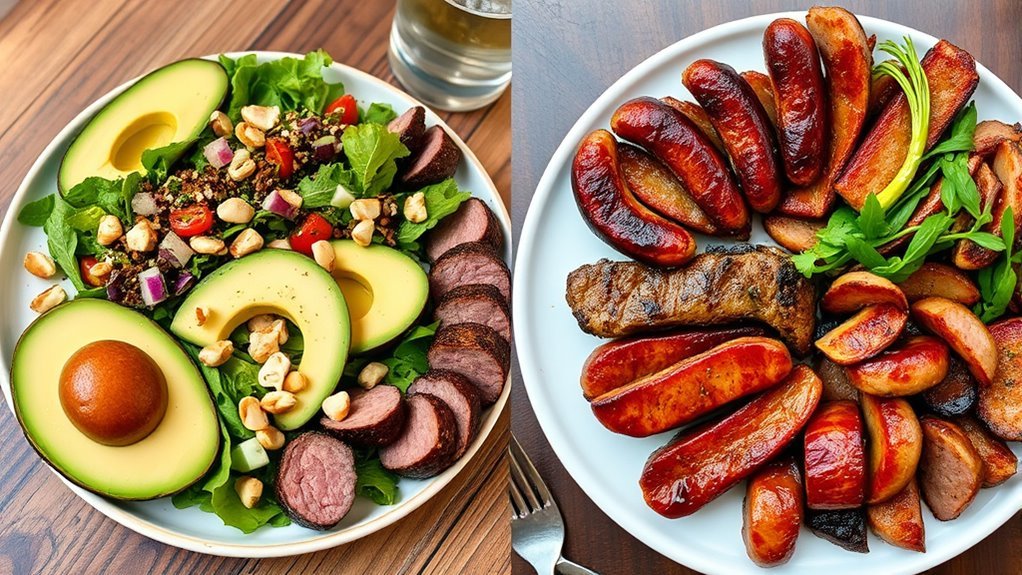

Keto and Carnivore diets have distinct differences. Keto emphasizes low carbohydrates, high fats, and includes non-starchy vegetables, allowing for a variety of foods. In contrast, Carnivore is an exclusive animal-based diet, eliminating all plant foods. Nutritionally, Keto offers fiber and diverse macro ratios, while Carnivore has minimal carbs and very low fiber. Both can provide weight loss and health benefits, but they also come with drawbacks. To make an informed choice, you might want to explore their specifics further.
Overview of the Keto Diet
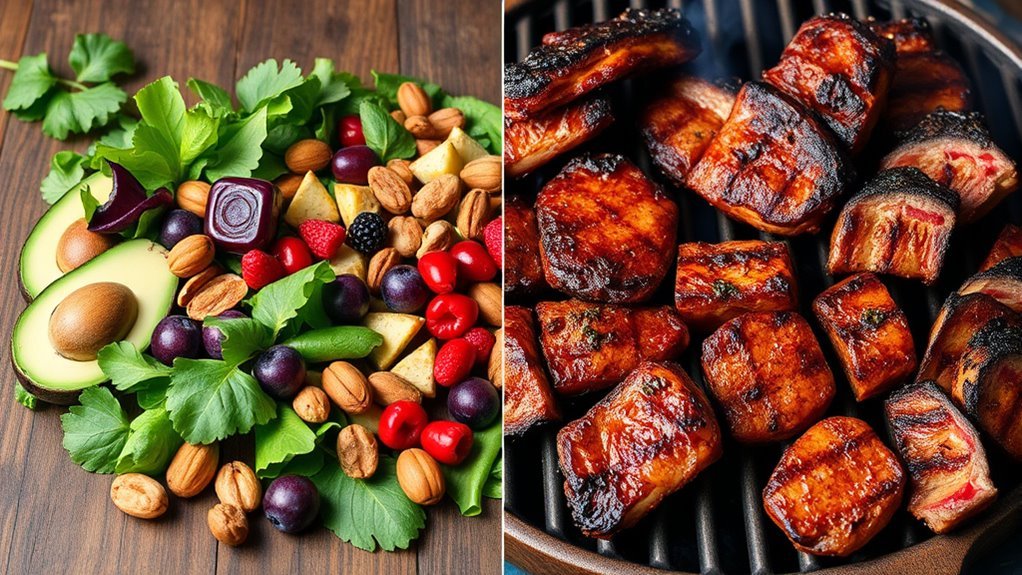
The ketogenic diet, often referred to as keto, is a low-carbohydrate, high-fat eating plan that typically comprises about 70-75% fats, 20-25% protein, and only 5-10% carbohydrates. By adhering to keto principles, you encourage your body to enter a metabolic state known as ketosis, where it burns fat for energy instead of carbohydrates. This shift can lead to weight loss, improved mental clarity, and increased energy levels. To make the diet enjoyable and sustainable, a variety of keto recipes are available, ranging from creamy avocado dishes to savory meat-based meals. By embracing this lifestyle, you’ll not only gain control over your food choices but also experience newfound freedom in achieving your health goals. Additionally, understanding the science behind ketosis can enhance your ability to make informed dietary choices and maximize the benefits of the diet.
Overview of the Carnivore Diet
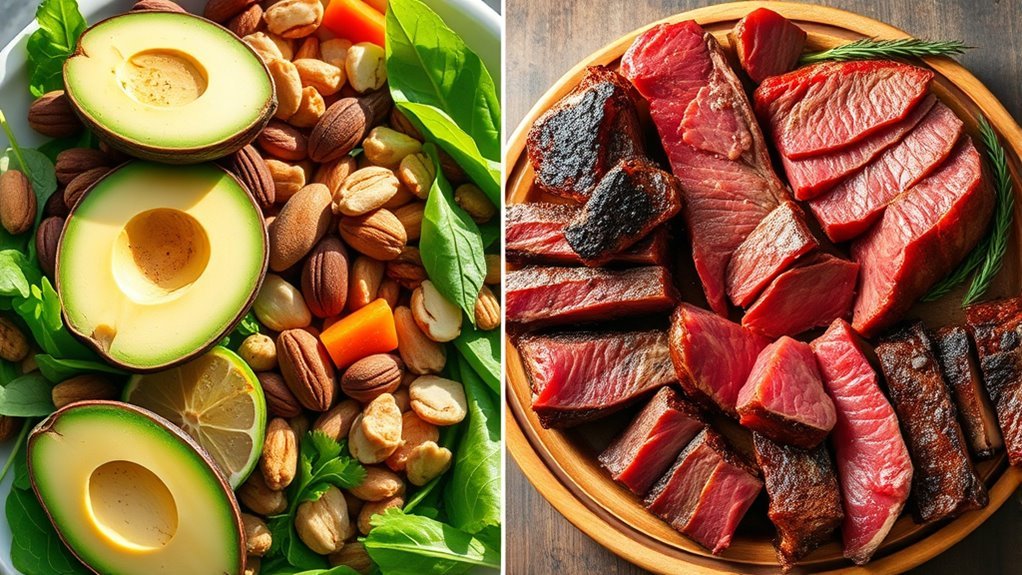
The Carnivore Diet revolves around the principle of consuming only animal products, eliminating all plant-based foods. This restrictive approach leads to a specific set of food choices, primarily meat, fish, and animal-derived products. Understanding its potential health benefits, such as weight loss and improved metabolic health, can help you evaluate if this diet aligns with your personal goals.
Core Principles Explained
While many diets focus on a variety of food groups, the Carnivore Diet stands out by emphasizing an exclusively animal-based approach. This diet’s core principles revolve around eliminating all plant-based foods, aligning closer to strict keto principles than you might expect. Both diets share similarities in promoting weight loss and metabolic effects, but carnivore principles push dietary restrictions further. You’ll find meal planning is straightforward, focusing solely on animal products, which can simplify your nutritional goals. Lifestyle changes may be necessary, as the health impacts of this diet can be significant; some report increased energy and improved mental clarity. However, it’s essential to reflect on these effects within the context of your individual health needs and preferences.
Food Choices Allowed
When considering the Carnivore Diet, you’ll find that it strictly allows only animal-based foods, eliminating all plant products from your meals. Your allowed foods primarily include various meats like beef, pork, chicken, and fish, along with animal-derived products such as eggs and dairy. This diet enforces rigorous dietary restrictions, focusing solely on these animal sources for nutrition. You won’t find fruits, vegetables, grains, or legumes on your plate, granting you a straightforward approach to eating. If you value simplicity and want to explore a diet devoid of plant complexities, the Carnivore Diet may appeal to you. However, it’s essential to understand how these choices impact your overall health and well-being before diving in.
Health Benefits Explored
Exploring the health benefits of the Carnivore Diet reveals a range of potential advantages that might appeal to those considering this restrictive approach. Many proponents report significant health improvements, particularly in these areas:
- Weight Loss: The high protein content may promote satiety, leading to reduced calorie intake and weight loss.
- Improved Metabolic Effects: Some individuals experience enhanced insulin sensitivity and stable blood sugar levels, which can support overall metabolic health.
- Reduced Inflammation: Anecdotal evidence suggests that eliminating plant-based foods might help those with autoimmune conditions or inflammatory issues.
While research is still evolving, many find that embracing the Carnivore Diet offers unique benefits worth exploring. As always, consider consulting a healthcare professional before making drastic dietary changes.
Key Nutritional Differences
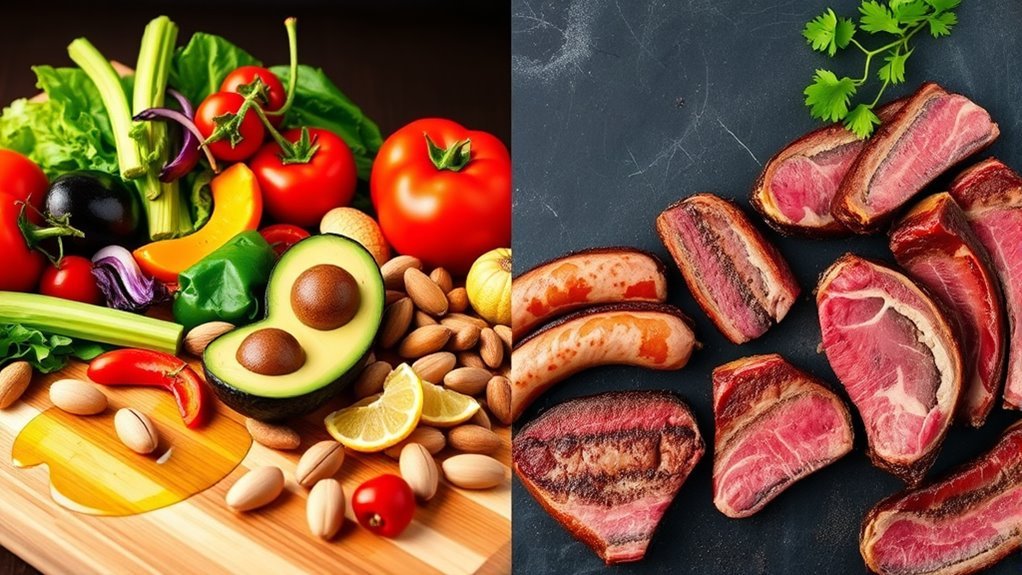
When comparing the Keto and Carnivore diets, you’ll notice distinct differences in macronutrient ratios, food variety, and fiber intake. The Keto diet emphasizes a balance of fats, proteins, and limited carbohydrates, while the Carnivore diet focuses solely on animal products. Understanding these differences can help you evaluate which approach aligns better with your nutritional goals.
Macronutrient Ratios
Although both the Keto and Carnivore diets emphasize low carbohydrate intake, their macronutrient ratios differ notably, impacting overall nutritional profiles and health outcomes. The Keto diet typically consists of a macronutrient breakdown of about 70% dietary fat, 25% protein, and 5% carbohydrates. In contrast, the Carnivore diet is almost entirely focused on animal products, resulting in a ratio that generally includes:
- High Protein: Approximately 70-80% of total intake.
- Very Low Carbohydrates: Often under 1%.
- Moderate Fat: Around 20-30%, depending on the specific animal products consumed.
These differences can greatly influence your energy levels, satiety, and nutritional adequacy, so it’s essential to reflect on your personal health goals when choosing between them. It’s also worth noting that the healthy fats emphasized in the Keto diet offer important health benefits that may not be as prominent in the Carnivore diet.
Food Variety
The differences in macronutrient ratios between the Keto and Carnivore diets also lead to distinct variations in food variety and nutritional profiles. On a Keto diet, you’ll find a wider range of food preferences, including non-starchy vegetables, nuts, and dairy, allowing for more diverse meal planning. This variety can make it easier to sustain your eating habits long-term, as you can enjoy different flavors and textures. In contrast, the Carnivore diet is highly restrictive, focusing solely on animal products. While this simplicity can appeal to some, it limits your options considerably, potentially making meal planning a challenge. Ultimately, your choice may hinge on how much variety you seek in your diet and how it aligns with your lifestyle goals. Additionally, incorporating low-carb vegetables can enhance nutrient intake while adhering to keto principles.
Fiber Intake
While both the Keto and Carnivore diets focus on low carbohydrate intake, they markedly differ in fiber content, which plays an essential role in digestive health. The Keto diet includes various fiber sources like nuts, seeds, and low-carb vegetables, promoting a healthy gut microbiome. In contrast, the Carnivore diet eliminates all plant-based foods, greatly reducing fiber intake. This reduction can lead to signs of fiber deficiency such as constipation and irregular bowel movements.
Here are three key fiber benefits:
- Digestive Regularity: Adequate fiber helps prevent constipation and maintains bowel health.
- Gut Microbiome Support: Fiber feeds beneficial gut bacteria, enhancing overall health.
- Nutrient Absorption: Fiber aids in the absorption of essential vitamins and minerals.
Understanding these differences can empower you to make informed choices about your dietary path.
Food Choices and Restrictions
When considering food choices and restrictions, it’s essential to understand the fundamental differences between the keto and carnivore diets. Keto allows for a variety of foods, including keto snacks like nuts and dairy, while restricting high-carb items. You can enjoy diverse meal prep and recipe variations, making ingredient sourcing vital. On the other hand, the carnivore diet is much stricter, focusing solely on animal products—think carnivore meals like steak or eggs—leaving limited options for food substitutions. While both diets demand attention to nutritional labels, eating out can be easier on keto due to its flexibility in cooking methods. Ultimately, knowing these distinctions can empower you to make informed dietary choices that suit your lifestyle. Additionally, the keto diet emphasizes whole, nutrient-dense foods to support overall health and wellbeing.
Health Benefits of Keto
How can the keto diet enhance your health? Adopting a ketogenic lifestyle can lead to significant health improvements. Here’s how:
- Keto Weight Loss: The diet encourages fat burning, which can help you shed excess weight effectively.
- Keto Mental Clarity: Many people report enhanced focus and cognitive function, attributed to stable blood sugar levels.
- Keto Inflammation Reduction: A low-carb approach may help lower inflammation, contributing to better overall health.
Additionally, it can boost your energy levels and metabolic rate, promoting longevity benefits. With a focus on nutrient density, you’re not just cutting carbs; you’re fueling your body with quality foods that support wellness. Embracing keto could be a transformative step toward improved health and well-being. Moreover, understanding the science of ketosis allows individuals to make informed choices about their health journey.
Health Benefits of Carnivore
The carnivore diet, which emphasizes consuming only animal products, offers its own set of health benefits that can be particularly appealing. One of the key advantages is muscle preservation, as high protein intake supports lean body mass. You’ll also experience immune support from nutrient-dense animal sources, promoting overall wellness. Many report improved mental clarity, likely due to stable energy levels and balanced hormones. Digestive health may improve as well, as the absence of fiber can reduce gastrointestinal distress for some individuals. The diet’s emphasis on nutrient density facilitates weight management and inflammation reduction, enhancing metabolic efficiency. Ultimately, adopting a carnivore approach can empower you to optimize your health and freedom through a simplified, yet nourishing, dietary framework.
Potential Drawbacks of Each Diet
While both the keto and carnivore diets offer unique health benefits, they also come with potential drawbacks that should be carefully considered.
- Nutritional Deficiencies: Both diets can lead to deficiencies in essential vitamins and minerals, particularly if you’re not monitoring your food intake closely.
- Long Term Sustainability: Adhering to these restrictive eating patterns can be challenging over time, potentially leading to relapse into less healthy habits.
- Social Limitations: Following either diet may complicate social situations, making it harder to enjoy meals with friends and family.
Understanding these drawbacks is vital for making informed dietary choices that align with your lifestyle and health goals. Additionally, monitoring dietary choices is essential to mitigate risks associated with potential nutrient deficiencies and maintain overall health. Balancing freedom with nutritional adequacy is essential for long-term success.
Which Diet Is Right for You?
Deciding which diet is right for you involves weighing your individual health goals, preferences, and lifestyle. If your personal goals include weight loss and improved mental clarity, the keto diet, with its focus on low carbs and high fats, may suit you better. However, if you prefer a more extreme approach emphasizing animal products, the carnivore diet could align with your desires for simplicity and minimalism. Additionally, understanding how ketosis supports weight loss can help you make an informed decision about which diet aligns best with your objectives. Consider lifestyle compatibility as well. If you enjoy variety in your meals, keto offers more flexibility with different food choices. On the other hand, if you thrive on routine and don’t mind repetitive meals, the carnivore diet might be appealing. Ultimately, choose a diet that feels sustainable and empowering for your unique journey.
Frequently Asked Questions
Can I Combine Keto and Carnivore Diets?
Yes, you can combine keto and carnivore diets. Meal planning becomes vital, as you’ll focus on high-fat, low-carb animal products. This combination can help you meet your dietary restrictions while maximizing fat intake and minimizing carbs. However, it’s important to monitor your nutrient balance and listen to your body’s needs. This tailored approach allows you the freedom to enjoy diverse meals while adhering to your health goals effectively. Just make sure you’re getting enough variety!
What Are the Long-Term Effects of Each Diet?
Long-term effects of keto and carnivore diets can feel like walking a tightrope of health. Both might lead to nutrient deficiencies if you’re not careful, as essential vitamins and minerals can slip through the cracks. Metabolic adaptation could also occur, changing how your body processes energy. While some thrive on these diets, it’s vital to listen to your body and guarantee you’re nourishing it properly to maintain that sweet sense of freedom in your lifestyle.
How Do These Diets Affect Exercise Performance?
Both diets can affect your exercise performance differently. On keto, you might experience improved exercise adaptation over time as your body becomes efficient at burning fat for fuel, but initial energy levels may dip. In contrast, the carnivore diet may provide stable energy from protein and fat, supporting strength but potentially limiting endurance due to lower carb intake. Ultimately, you’ll need to assess how each diet aligns with your fitness goals and energy needs.
Are There Any Common Misconceptions About These Diets?
There’re several misconceptions about keto and carnivore diets, often rooted in nutritional myths. Many believe they’re overly restrictive, but both can be flexible when tailored to individual needs. Some think you can’t enjoy variety, yet there are numerous foods within these frameworks. It’s also common to assume these diets lack essential nutrients, though proper planning can guarantee you’re meeting your nutritional requirements. Understanding these aspects can empower you to make informed dietary choices.
How Do I Transition Between Keto and Carnivore?
To shift from keto to carnivore, start by meal planning around animal products, gradually reducing your carb intake. Focus on achieving a nutrient balance by including a variety of meats, organ meats, and animal fats. It’s important to listen to your body, adjusting portions as needed. Consider the timing of your meals and how they make you feel, allowing for a smoother change while enjoying the freedom of a meat-based diet.
References
- https://www.healthline.com/nutrition/keto-vs-carnivore-diet
- https://www.ncbi.nlm.nih.gov/pmc/articles/PMC7070970/
- https://www.medicalnewstoday.com/articles/what-is-the-carnivore-diet
- https://www.mayoclinic.org/healthy-lifestyle/nutrition-and-healthy-eating/expert-answers/keto-diet/faq-20417561
- https://www.ncbi.nlm.nih.gov/pmc/articles/PMC6534345/
- https://www.washingtonpost.com/food/2021/10/21/keto-carnivore-diet/
- https://www.cdc.gov/healthyweight/healthy_eating/index.html
- https://www.verywellfit.com/keto-vs-carnivore-diet-5183791