

The main difference between the Keto and Atkins diets lies in their macronutrient compositions and phases. The Keto diet emphasizes a very high-fat, low-carb intake to induce ketosis, while Atkins starts with a higher protein allowance and gradually increases carbs in later phases. This article will explore these diets in detail, helping you understand their unique features and benefits.
Overview of the Keto Diet
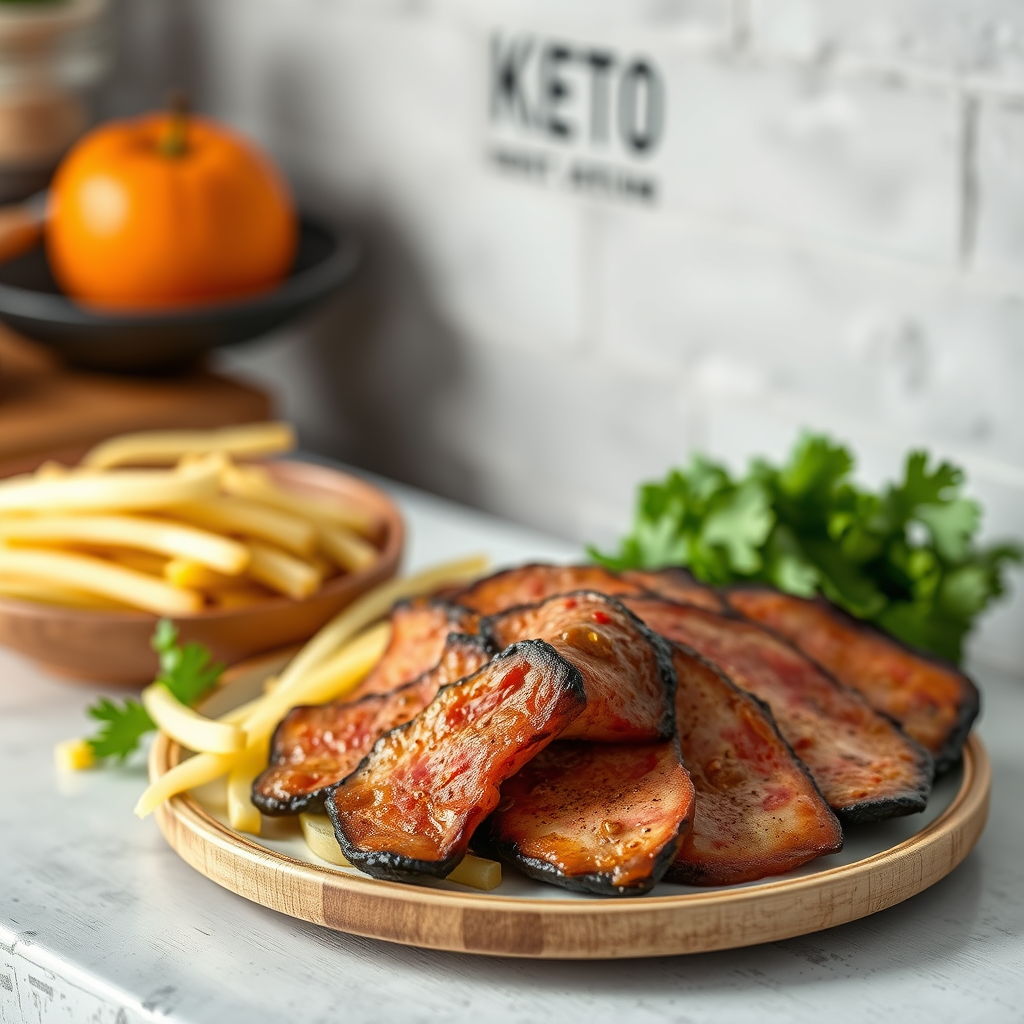
The Keto diet is characterized by a macronutrient composition that typically prioritizes high fat (70-80%), moderate protein (15-25%), and very low carbohydrates (5-10%). The primary goal of this dietary approach is to achieve a metabolic state known as ketosis. During ketosis, the body shifts its energy source from carbohydrates to fats, leading to the production of ketones, which are used as fuel.
A classic example of foods included in the Keto diet are avocados, nuts, seeds, fatty fish, and oils, while foods high in carbohydrates, such as bread, pasta, and sugary items, are largely avoided. This diet can lead to rapid weight loss, as the body begins to burn stored fat more efficiently. Additionally, followers of the Keto diet often report enhanced mental clarity and sustained energy levels due to the steady supply of fat-derived energy, making it a popular choice for those looking to improve cognitive function alongside weight management.
Overview of the Atkins Diet
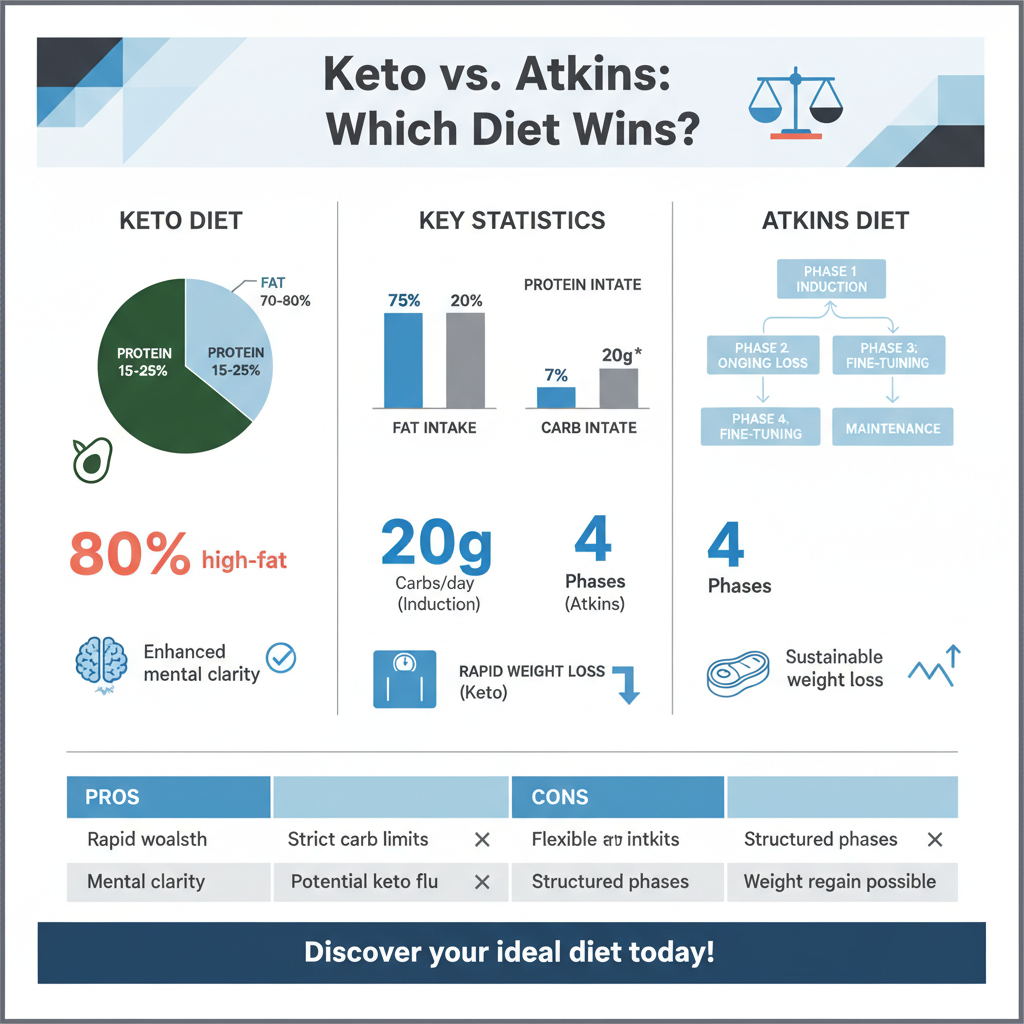
The Atkins diet is structured into four distinct phases: Induction, Balancing, Pre-Maintenance, and Maintenance. Each phase progressively alters the amount of carbohydrates allowed, starting with a very low intake during the Induction phase. In this initial stage, carb consumption is limited to approximately 20 grams per day, which is intended to kickstart weight loss and induce ketosis.
As dieters progress to the Balancing phase, they gradually reintroduce carbohydrates, allowing for more variety in their meals. The Pre-Maintenance and Maintenance phases focus on finding a sustainable level of carbohydrate intake that allows for weight stabilization. This phased approach provides flexibility and can help individuals transition back to a more balanced diet without the fear of rapid weight gain. Foods allowed during the Atkins diet include meats, dairy, and certain vegetables, with a focus on whole, unprocessed items.
Health Benefits of the Keto Diet
The Keto diet offers several health benefits that extend beyond weight loss. One of the most notable advantages is its potential to promote rapid fat burning and significant weight loss, especially in the initial stages. This can be particularly beneficial for those who have struggled with traditional weight loss methods. Furthermore, research suggests that the Keto diet may help control blood sugar levels, making it a viable option for individuals with type 2 diabetes or insulin resistance.
Additionally, the consistent use of fat for energy can lead to improved mental clarity and cognitive performance. Many followers of the Keto diet report experiencing fewer energy crashes throughout the day, attributed to the stable energy levels provided by fat metabolism. The anti-inflammatory properties of the diet may also contribute to improved overall health, potentially reducing the risk of chronic diseases.
Health Benefits of the Atkins Diet
The Atkins diet’s phased approach offers a range of health benefits, particularly in terms of flexibility and long-term adherence. The ability to gradually reintroduce carbohydrates can make it easier for individuals to sustain weight loss and modify their eating habits without feeling deprived. As dieters progress through the phases, they can enjoy a wider variety of foods, which may help prevent boredom and cravings.
Moreover, the Atkins diet emphasizes protein intake, which can aid in muscle preservation during weight loss. Higher protein consumption has been shown to enhance satiety, making it easier for individuals to stick to their caloric goals without feeling hungry. This balance can make the Atkins diet a more sustainable option for many, allowing for a balanced approach to weight management and overall health.
Potential Drawbacks of the Keto Diet
Despite its benefits, the Keto diet may pose challenges for some individuals. One significant drawback is the strict limitation on carbohydrate intake, which can be difficult to maintain over the long term. Many people might struggle with cravings for carb-rich foods, leading to potential binge eating or abandoning the diet altogether.
Additionally, if the diet is not meticulously planned, it can lead to nutrient deficiencies. Since many fruits, vegetables, and whole grains are restricted, individuals may miss out on essential vitamins and minerals, which can have adverse effects on overall health. Therefore, careful meal planning and consideration of nutrient sources are crucial for those following the Keto diet.
Potential Drawbacks of the Atkins Diet
While the Atkins diet offers flexibility, it is not without its drawbacks. The initial phases, particularly the Induction phase, can be quite restrictive. Some individuals may find this abrupt change challenging, resulting in feelings of deprivation or frustration. Additionally, the rapid reintroduction of carbohydrates in later phases can lead to cravings and potential weight regain if not managed properly.
Moreover, individuals may experience a “carb flu” during the transition phases, characterized by fatigue, irritability, and cravings. This can make the initial stages of the diet particularly tough, requiring a strong commitment to overcome these hurdles. It’s important for dieters to approach the Atkins diet with realistic expectations and a plan to manage these challenges.
Which Diet is Right for You?
Choosing between the Keto and Atkins diets ultimately depends on individual lifestyle preferences, dietary habits, and specific health goals. If you thrive on structure and are looking for rapid weight loss with a focus on fat burning, the Keto diet may be suitable for you. Conversely, if you prefer a more gradual approach that allows for flexibility in food choices, the Atkins diet might align better with your needs.
Before embarking on any dietary plan, it is advisable to consult with a healthcare professional or a registered dietitian. They can provide personalized guidance and help you determine which diet may be the most effective for your unique circumstances, taking into account any underlying health conditions.
Maintaining a healthy diet can be challenging, but understanding the differences between the Keto and Atkins diets can help you make an informed choice. Whether you prefer a strict low-carb approach or a more gradual method, both diets offer unique benefits. Explore each option and consider consulting a nutritionist to tailor a plan that fits your lifestyle, ensuring you achieve your health and wellness goals effectively.
Frequently Asked Questions
What is the main difference between the keto and Atkins diets?
The primary difference between the keto and Atkins diets lies in their macronutrient composition and goals. The ketogenic diet typically aims for a higher fat intake (approximately 70-75% of daily calories), moderate protein (around 20-25%), and very low carbohydrates (about 5-10%). In contrast, the Atkins diet starts with a very low carbohydrate intake but gradually increases carbs in later phases, allowing for more flexibility in food choices.
How do the phases of the Atkins diet compare to the keto diet?
The Atkins diet consists of four distinct phases: Induction, Balancing, Pre-Maintenance, and Maintenance, which gradually introduce more carbohydrates as one progresses. In contrast, the keto diet maintains a consistent low-carb intake to sustain ketosis, the metabolic state where the body burns fat for fuel. This difference influences how each diet approaches weight loss and long-term maintenance.
Why might someone choose the keto diet over Atkins?
Individuals may choose the keto diet over Atkins for its strict adherence to low carbohydrate intake, which can lead to faster onset of ketosis and fat loss. Keto is often recommended for those seeking therapeutic benefits, such as improved mental clarity, enhanced energy levels, and better blood sugar control. Additionally, keto may appeal to those who prefer a more straightforward approach without the phased structure of Atkins.
Which diet is better for long-term weight management: keto or Atkins?
The effectiveness of either diet for long-term weight management depends on individual preferences, lifestyle, and adherence. Some people find the rigid structure of keto easier to follow for sustained weight loss, while others appreciate the gradual flexibility of Atkins. Ultimately, the best choice is the one that fits your lifestyle and can be maintained over time without feelings of deprivation.
What are some common challenges people face when following keto versus Atkins?
Common challenges with the keto diet include the “keto flu,” which can occur during the initial transition to ketosis, along with strict carbohydrate restrictions that may lead to feelings of deprivation. On the other hand, the Atkins diet can lead to confusion during the transition between phases and difficulty in managing carbohydrate intake as one progresses. Understanding these challenges can help individuals prepare and stay committed to their chosen diet.
References
- Ketogenic diet
- https://www.healthline.com/nutrition/keto-vs-atkins
- https://www.cdc.gov/healthyweight/assessing/bmi/adult_bmi/english_bmi_calculator/bmi_calculator.html
- https://www.webmd.com/diet/what-is-the-ketogenic-diet
- https://www.mayoclinic.org/healthy-lifestyle/nutrition-and-healthy-eating/in-depth/keto-diet/art-20460115
- https://www.verywellfit.com/atkins-diet-5214720
- https://www.ncbi.nlm.nih.gov/pmc/articles/PMC7079484/
- https://www.nutrition.gov/topics/whats-keto-diet
- https://www.clevelandclinic.org/health/diet-and-nutrition/what-is-the-keto-diet