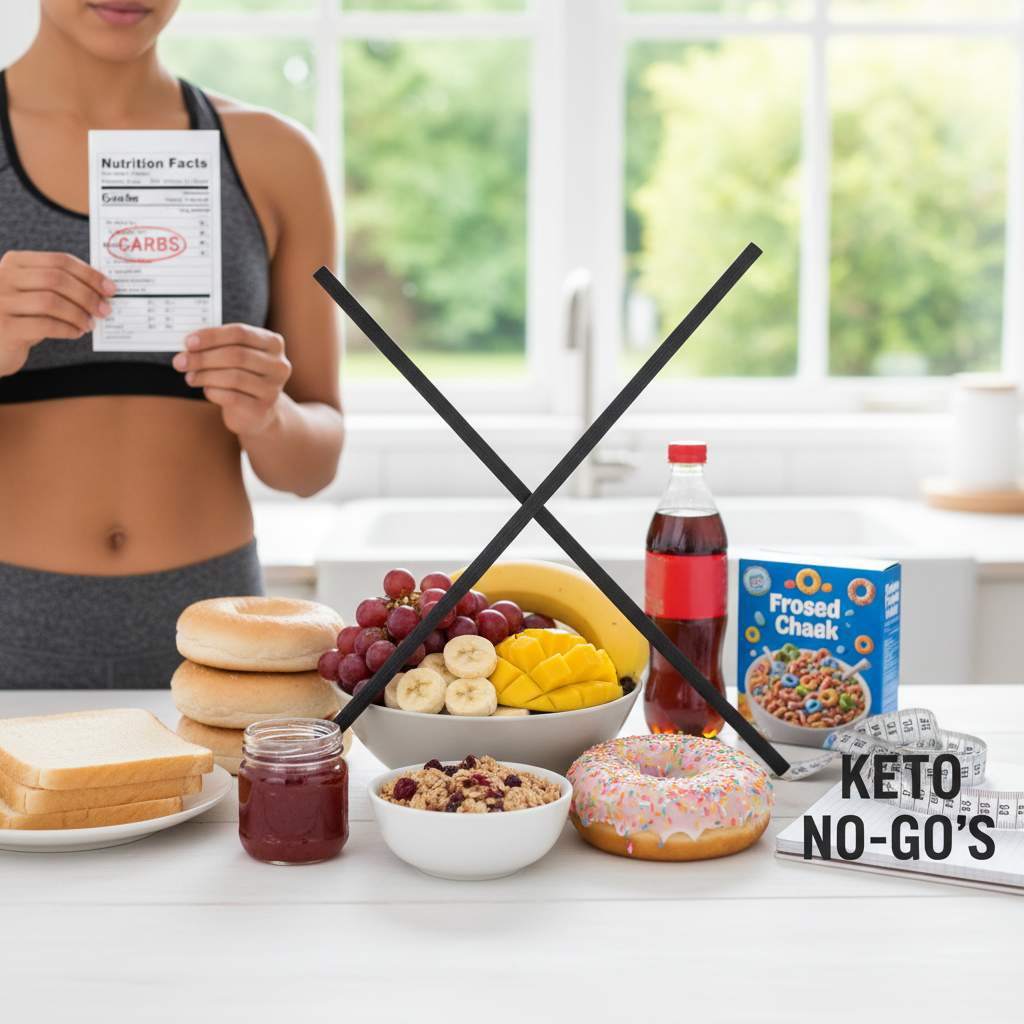

Avoiding certain foods is crucial for maintaining ketosis on a keto diet. By steering clear of high-carb options, starchy vegetables, sugary fruits, processed foods, low-fat products, certain alcoholic beverages, and packaged snacks, you can effectively stay on track with your low-carb lifestyle. This article provides a detailed overview of these categories, helping you make informed decisions to support your ketogenic journey.
High-Carbohydrate Foods
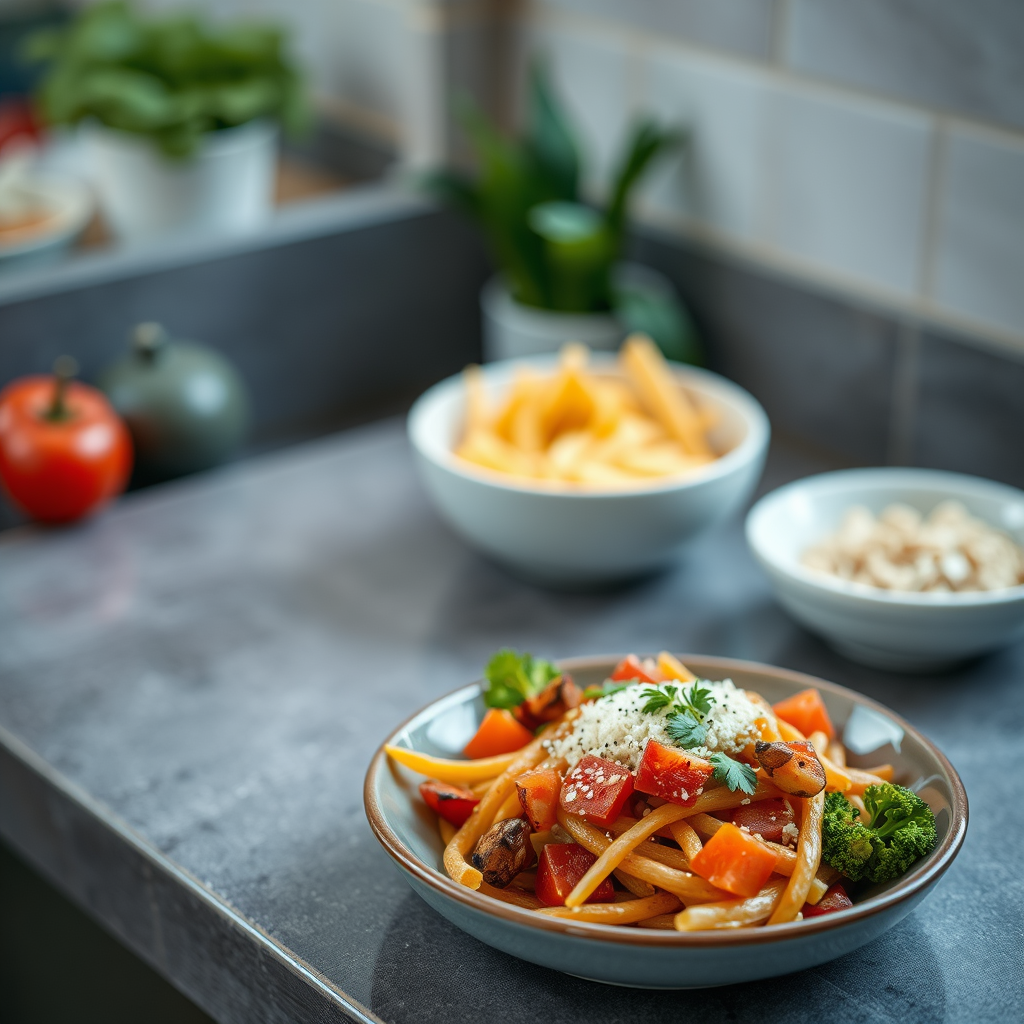
High-carbohydrate foods are the primary culprits that can disrupt ketosis, making them essential to avoid on a keto diet. Staples such as bread, pasta, and rice are often consumed in large quantities in various cuisines worldwide. However, these foods are typically loaded with carbohydrates, which can quickly exceed your daily carb limit. For example, a single cup of cooked pasta can contain approximately 40 grams of carbs, which is more than half of the typical daily limit for someone on a strict keto diet.
Additionally, sugary foods, including sweets, desserts, and even some sauces, can cause a rapid spike in insulin levels. This spike can disrupt the state of ketosis, where your body burns fat for fuel instead of carbohydrates. Foods like candy, cookies, and sugary drinks are not only high in sugars but can also lead to cravings and overeating. To maintain ketosis, it is vital to eliminate these high-carb foods and opt for alternatives that align with your dietary goals.
Starchy Vegetables
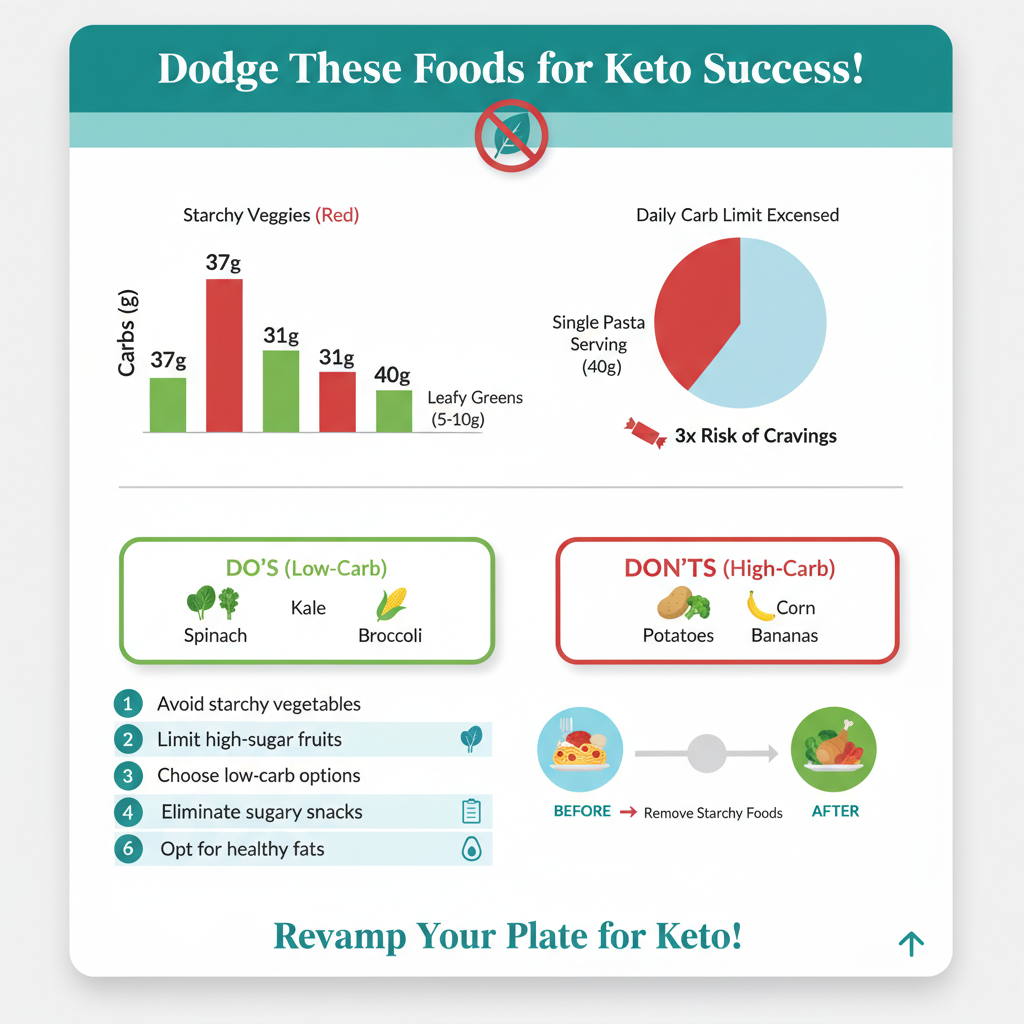
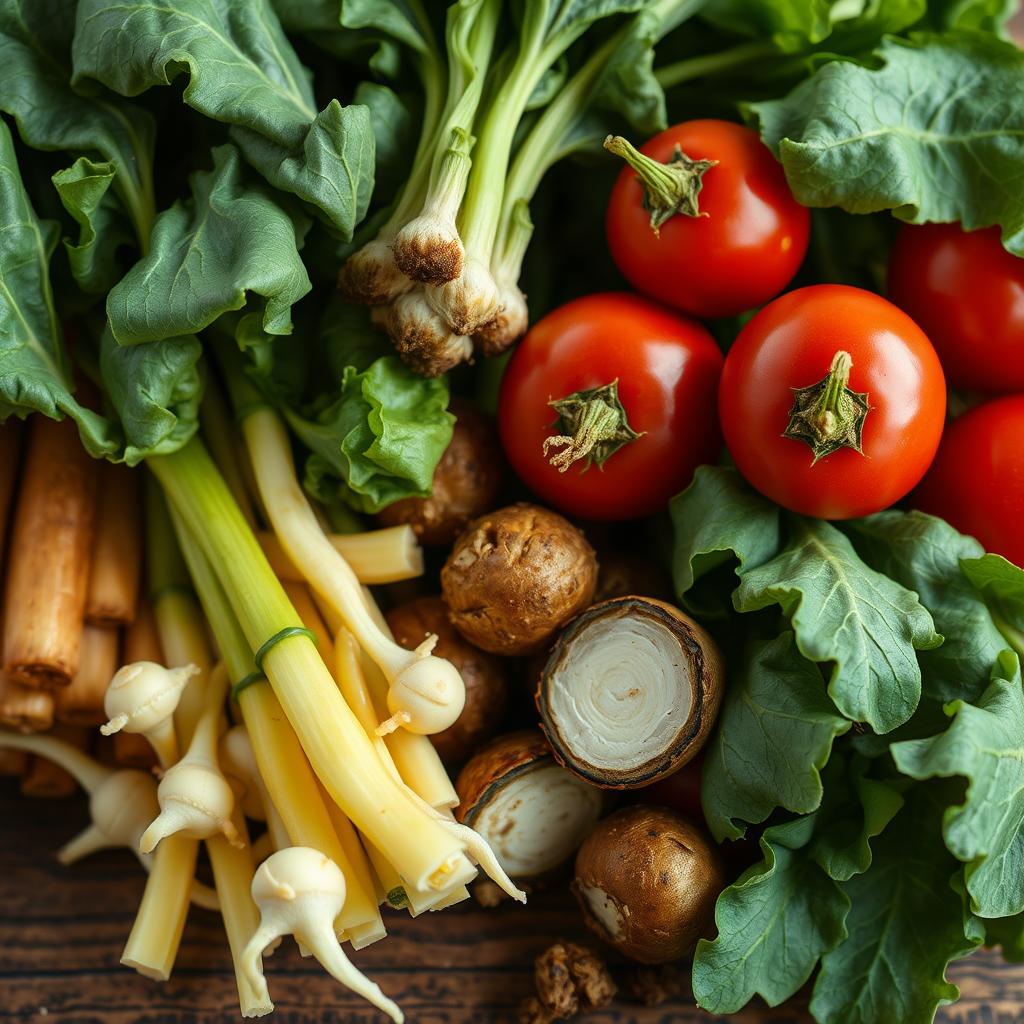
Starchy vegetables are another category that should be avoided when following a ketogenic diet. Vegetables like potatoes, corn, and peas contain significant amounts of starch, which translates to higher carbohydrate content. For instance, a medium-sized potato can have about 37 grams of carbohydrates, making it unsuitable for a keto-friendly diet. Similarly, one cup of corn can contain around 31 grams of carbohydrates.
Instead of starchy vegetables, consider incorporating low-carb options like leafy greens—spinach, kale, and arugula—into your meals. These alternatives are not only low in carbohydrates but also rich in essential vitamins and minerals, supporting overall health while adhering to your keto lifestyle. Cruciferous vegetables, such as broccoli and cauliflower, are also excellent substitutes, providing fiber and nutrients without the excess carbs.
Fruits High in Sugar
While fruits are often regarded as healthy choices, many varieties are high in natural sugars and can significantly impact your carbohydrate intake. Fruits such as bananas, grapes, and apples contain elevated sugar levels, making them less than ideal for a keto diet. For instance, a medium banana has about 27 grams of carbohydrates, which can quickly deplete your daily allowance on a ketogenic regimen.
Instead, opt for berries, which are lower in sugar and can be consumed in moderation. Blueberries, raspberries, and strawberries can be enjoyed in small portions while still allowing you to monitor your carbohydrate consumption. It’s important to remember that even berries should be counted towards your daily carb limits to ensure you remain in a state of ketosis.
Processed Foods
Processed foods are notoriously known for containing hidden sugars and unhealthy fats that can sabotage your keto efforts. Many packaged snacks and meals are marketed as convenient but can contain high levels of carbohydrates due to added sugars, preservatives, and other fillers. For example, granola bars often include significant amounts of syrup and sweeteners that can lead to an unexpected spike in carb intake.
To navigate this challenge, always read the labels carefully, looking for items with low carbohydrate content and no added sugars or high-fructose corn syrup. Whole, unprocessed foods are the best choices for maintaining ketosis. Consider preparing meals at home using fresh, whole ingredients to ensure you know exactly what you are consuming.
Low-Fat and Diet Products
Low-fat and diet products can be deceptive in their appeal. Many of these items compensate for the reduction in fat by adding sugars or carbohydrates to enhance flavor, making them unsuitable for a keto diet. For example, low-fat yogurt may seem like a healthier option, but it often contains added sugars that can contribute to a higher carbohydrate count than full-fat varieties.
Instead, focus on whole, full-fat foods that not only support ketosis but also contribute to better satiety and nutritional benefits. Full-fat dairy products like cheese, cream, and butter can be integrated into your meals, providing flavor and helping keep you feeling full longer. Prioritizing full-fat options can also help you avoid the pitfalls of hidden sugars found in low-fat alternatives.
Alcoholic Beverages
When it comes to alcoholic beverages, many options are laden with sugars and carbohydrates that can hinder your progress on a keto diet. Sweet wines, cocktails, and flavored liquors are particularly problematic, as they can contain high levels of added sugars. For instance, a typical margarita can pack in 30 grams of carbohydrates due to sweet mixers and syrups.
If you choose to enjoy a drink, opt for spirits such as vodka, gin, or whiskey, which are generally low in carbs. Dry wines can also be a suitable choice, but it’s essential to check their carb content before indulging. Moderation is key, and being mindful of your choices will help you stay within your carbohydrate limits while enjoying social occasions.
Packaged Snacks
Packaged snacks are often convenient but can be a minefield of refined grains and sugars. Items like chips, crackers, and pretzels are typically high in carbohydrates and can easily disrupt your ketogenic lifestyle. For example, just a small serving of potato chips can contain around 15-20 grams of carbohydrates, making it easy to exceed your daily allowance.
To satisfy cravings while staying keto-friendly, look for alternatives such as nuts, cheese, or homemade snacks that align with your dietary needs. Snack options like beef jerky or low-carb protein bars can also be beneficial, providing you with the energy boost you need without compromising your carb limits. Always check labels and ingredient lists to ensure your snacks fit within your keto guidelines.
Maintaining awareness of what not to eat on a keto diet is essential for success. By avoiding high-carb foods, starchy vegetables, sugary fruits, processed items, low-fat products, certain alcoholic beverages, and packaged snacks, you can effectively maintain ketosis. Staying committed to your dietary goals opens the door to numerous health benefits, including weight loss, improved energy levels, and enhanced mental clarity. For further guidance, consider tracking your food intake using a keto app or consulting with a nutritionist specialized in ketogenic diets to optimize your journey toward health and wellness.
Frequently Asked Questions
What foods should I avoid on a keto diet to stay in ketosis?
To maintain ketosis, it is crucial to avoid high-carb foods. This includes sugary items like candies, desserts, and sweetened beverages, as well as starchy foods such as bread, pasta, rice, and potatoes. Fruits are also generally high in carbohydrates, so it’s best to limit or eliminate high-sugar fruits like bananas, grapes, and apples. Instead, focus on low-carb vegetables and healthy fats to support your ketogenic lifestyle.
Why is it important to avoid processed foods on a keto diet?
Processed foods often contain hidden sugars and unhealthy carbohydrates that can disrupt your ketosis, causing spikes in blood sugar levels. Many processed snacks, ready-to-eat meals, and condiments also include unhealthy trans fats and preservatives, which can hinder weight loss and negatively impact your health. By avoiding these foods and opting for whole, unprocessed ingredients, you can better control your macro-nutrient intake and support overall well-being on a keto diet.
Which common condiments should I be cautious with on a keto diet?
Many popular condiments are often high in sugar and carbohydrates, making them unsuitable for a keto diet. For instance, ketchup, barbecue sauce, and some salad dressings can contain significant amounts of added sugars. Instead, opt for low-carb alternatives like mustard, mayonnaise, or homemade dressings made with olive oil and vinegar, which can enhance your meals without derailing your ketogenic goals.
How can I identify hidden carbs in packaged foods while on a keto diet?
To identify hidden carbs in packaged foods, always check the nutrition label carefully. Look for the total carbohydrates and subtract the fiber content to calculate the net carbs, which is what affects ketosis. Additionally, be aware of ingredients like maltodextrin, dextrose, and various syrups, as these can significantly contribute to the carb count even if they are not immediately recognizable as sugars. Educating yourself about common carbohydrate sources can help you make better choices.
What are the best snacks to avoid while following a keto diet?
When following a keto diet, it’s important to steer clear of traditional snacks that are high in carbs, such as chips, pretzels, granola bars, and popcorn. These snacks often contain added sugars or are made from high-carb grains. Instead, opt for keto-friendly snacks like nuts, cheese, olives, or low-carb veggies with dip to satisfy your cravings while staying within your dietary guidelines.
References
- https://www.healthline.com/nutrition/keto-diet-foods-to-avoid
- https://www.medicalnewstoday.com/articles/what-not-to-eat-on-keto-diet
- https://www.webmd.com/diet/what-not-to-eat-on-keto-diet
- https://www.mayoclinic.org/healthy-lifestyle/nutrition-and-healthy-eating/expert-answers/keto-diet/faq-20446072
- https://www.ncbi.nlm.nih.gov/pmc/articles/PMC6520856/
- https://www.verywellfit.com/keto-diet-foods-to-avoid-4119208
- https://www.eatright.org/health/wellness/preventing-illness/the-ketogenic-diet-what-to-know
- https://www.health.harvard.edu/blog/the-ketogenic-diet-what-to-know-2020061310045