


Being in keto means your body enters a state of ketosis, where it burns fat for fuel instead of carbohydrates. This metabolic shift is the cornerstone of the ketogenic diet, which emphasizes high-fat, low-carbohydrate intake. As you navigate this dietary approach, you’ll discover not only the physiological changes your body undergoes but also the lifestyle adjustments and potential benefits and challenges that come with it. This article will explore the fundamental aspects of the ketogenic diet, its benefits, potential challenges, and what it means to truly live a keto lifestyle.
Understanding Ketosis
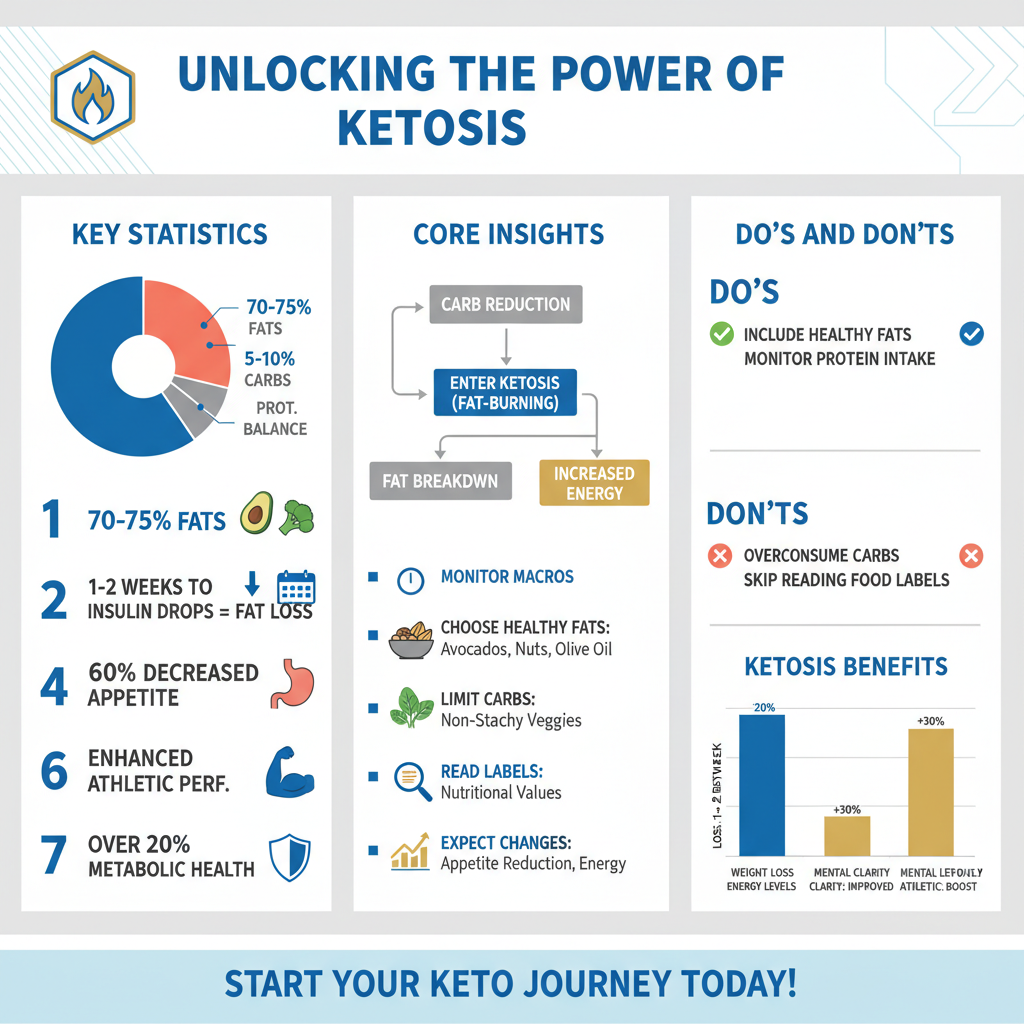

Ketosis is a metabolic state characterized by elevated levels of ketones in the bloodstream, which occurs when carbohydrate intake is significantly reduced. In this state, the body shifts from using glucose as its primary fuel source to breaking down stored fat into molecules called ketones, which can be used for energy. This adaptation can take anywhere from a few days to a couple of weeks, depending on individual factors such as previous dietary habits and metabolic flexibility.
Entering ketosis can lead to various physiological changes, including decreased appetite and increased fat oxidation. Research indicates that ketosis can provide benefits beyond weight loss, such as improved metabolic health and enhanced athletic performance. Understanding this metabolic state is crucial for anyone considering a ketogenic lifestyle, as it lays the foundation for the dietary principles and lifestyle choices that follow.
The Role of Macronutrients in Keto
The ketogenic diet typically consists of high fats, moderate proteins, and very low carbohydrates. A typical macronutrient ratio is about 70-75% fats, 20-25% proteins, and 5-10% carbohydrates. This stark contrast to conventional dietary guidelines, which recommend a higher carbohydrate intake, is essential for achieving and maintaining ketosis.
Fats become the primary source of energy, and choosing the right types of fats—such as avocados, nuts, seeds, and olive oil—is vital for overall health. Proteins should be consumed in moderation to preserve muscle mass while ensuring that the body remains in ketosis. Carbohydrates, on the other hand, should be limited to non-starchy vegetables and low-sugar fruits, as excess carbs can inhibit the body’s ability to produce ketones. Those embracing this lifestyle must learn to read labels and understand the nutritional value of their food choices to maintain the appropriate macronutrient balance.
Benefits of Being in Keto
Many people experience weight loss due to reduced insulin levels and enhanced fat burning. When the body is in ketosis, insulin levels drop significantly, which helps to facilitate fat loss and stabilize blood sugar levels. This can be particularly beneficial for individuals with insulin resistance or type 2 diabetes, as it may improve glycemic control.
Improved mental clarity and focus are often reported, as ketones provide a more stable energy source for the brain. Many adherents of the ketogenic diet report experiencing fewer energy crashes and enhanced cognitive function. Additionally, some studies suggest that ketogenic diets may have neuroprotective effects, potentially benefiting conditions like Alzheimer’s disease and epilepsy.
Beyond weight loss and cognitive benefits, the ketogenic diet has been associated with improved cholesterol levels, reduced inflammation, and better overall metabolic health. These advantages make the ketogenic lifestyle appealing not only for weight management but also for long-term health.
Potential Challenges of Keto
While there are numerous benefits to adopting a ketogenic lifestyle, potential challenges can arise. Initial symptoms like the “keto flu” can occur as the body adjusts, causing fatigue, irritability, and flu-like symptoms. This phase typically lasts about a week and can be mitigated by ensuring adequate hydration, electrolyte balance, and gradual carbohydrate reduction.
Long-term adherence to the ketogenic diet may lead to nutrient deficiencies if not properly managed. Since many food groups—such as grains, legumes, and certain fruits—are restricted, it’s crucial to plan meals thoughtfully to ensure a well-rounded nutrient intake. Regularly incorporating nutrient-dense foods such as leafy greens, nuts, and seeds can help mitigate deficiencies and promote overall health.
Another challenge is the social aspect of eating, as many common foods are not keto-friendly. Dining out or attending social gatherings may require careful planning and communication to ensure adherence to the diet without feeling deprived.
Lifestyle Changes Required for Keto
Meal planning becomes essential to ensure adherence to the strict macronutrient ratios of a ketogenic diet. Preparing meals and snacks in advance can help prevent impulsive eating and keep you on track. Many find it helpful to utilize meal prep services or apps that cater to ketogenic diets for additional support.
Moreover, social situations may require adjustments, as many typical gatherings revolve around carbohydrate-heavy foods. Communicating your dietary needs to friends and family can foster understanding and support. Bringing your own keto-friendly dishes to gatherings can also help you stay aligned with your dietary goals while enjoying a social atmosphere.
Monitoring and Adjusting Your Keto Journey
Regularly tracking food intake can help maintain ketosis and ensure nutritional adequacy. Utilizing apps or food journals to record daily macronutrient consumption can provide insights into your dietary habits and help identify any areas needing adjustment.
Adjustments may be necessary based on individual responses, activity levels, and health goals. For example, some individuals may thrive on a more moderate protein intake, while others may require adjustments based on their physical activity levels. Regular check-ins with health professionals or registered dietitians can provide additional guidance tailored to your specific needs.
Common Myths About Keto
The idea that a high-fat diet is inherently unhealthy is often misunderstood; quality fats are crucial for success. Healthy fats, such as those from fish, nuts, and avocados, can provide essential fatty acids that promote heart health and overall well-being.
Furthermore, many believe that you can eat unlimited amounts of fat on a ketogenic diet; however, portion control remains important. It’s essential to maintain a balance, as excessive caloric intake—even from healthy fats—can hinder weight loss goals. Emphasizing moderation and focusing on whole, unprocessed foods can help dispel these myths and promote a sustainable ketogenic lifestyle.
Being in keto is about more than just dietary changes; it’s a lifestyle shift that can lead to significant health benefits and challenges. To fully embrace the ketogenic way of life, consider starting with a meal plan, tracking your progress, and educating yourself on maintaining nutritional balance. Joining keto communities for support and tips can also be invaluable as you embark on your journey to a healthier you. With commitment and the right resources, the ketogenic lifestyle can be a transformative experience.
Frequently Asked Questions
What does it mean to be in ketosis?
Being in ketosis refers to a metabolic state where your body primarily burns fat for fuel instead of carbohydrates. This occurs when carbohydrate intake is significantly reduced, leading the liver to produce ketones from stored fat, which then serve as an alternative energy source for your cells. Achieving and maintaining ketosis is the goal of the ketogenic diet, which typically consists of a high-fat, moderate-protein, and very low-carbohydrate intake.
How do I know if I’m in ketosis?
You can determine if you are in ketosis through several methods. The most common indicators include measuring ketone levels in your blood, urine, or breath. Blood tests using ketone meters provide the most accurate readings, while urine strips can show the presence of ketones but may be less reliable as your body adapts. Additionally, signs like increased energy levels, reduced appetite, and a distinct fruity smell in your breath can indicate that you are in ketosis.
Why is a ketogenic diet beneficial for weight loss?
A ketogenic diet can be beneficial for weight loss because it shifts your body’s metabolism from burning carbohydrates to burning fat. This process can lead to a reduction in hunger and appetite due to stabilized blood sugar levels and increased ketone production, which may suppress hunger hormones. Furthermore, the metabolic advantages of burning fat for fuel can enhance fat oxidation, leading to more effective weight loss over time.
What foods should I avoid on a ketogenic diet?
On a ketogenic diet, you should avoid foods high in carbohydrates, such as sugar, bread, pasta, rice, and most grains. Starchy vegetables like potatoes and corn, as well as many fruits, are also typically excluded due to their carbohydrate content. Instead, focus on high-fat, low-carb options such as avocados, nuts, seeds, and fatty cuts of meat to maintain the state of ketosis effectively.
Which common mistakes should I avoid when starting a ketogenic diet?
Common mistakes to avoid when starting a ketogenic diet include not tracking your macronutrient intake, which can result in consuming too many carbs. Additionally, neglecting to drink enough water and replenish electrolytes can lead to unpleasant side effects often referred to as the “keto flu.” It’s also crucial to be patient, as it may take several days or weeks for your body to fully adapt to ketosis, and making drastic changes too quickly can hinder your progress.
References
- Ketogenic diet
- https://www.ncbi.nlm.nih.gov/pmc/articles/PMC7071214/
- https://www.healthline.com/nutrition/what-is-a-ketogenic-diet
- https://www.webmd.com/diet/what-is-the-keto-diet
- https://www.cdc.gov/healthyweight/assessing/bmi/adult_bmi/index.html
- https://www.mayoclinic.org/healthy-lifestyle/nutrition-and-healthy-eating/expert-answers/keto-diet/faq-20445537
- https://www.hsph.harvard.edu/nutritionsource/what-is-the-keto-diet/
- https://www.nutrition.gov/topics/nutrition-101/what-ketogenic-diet