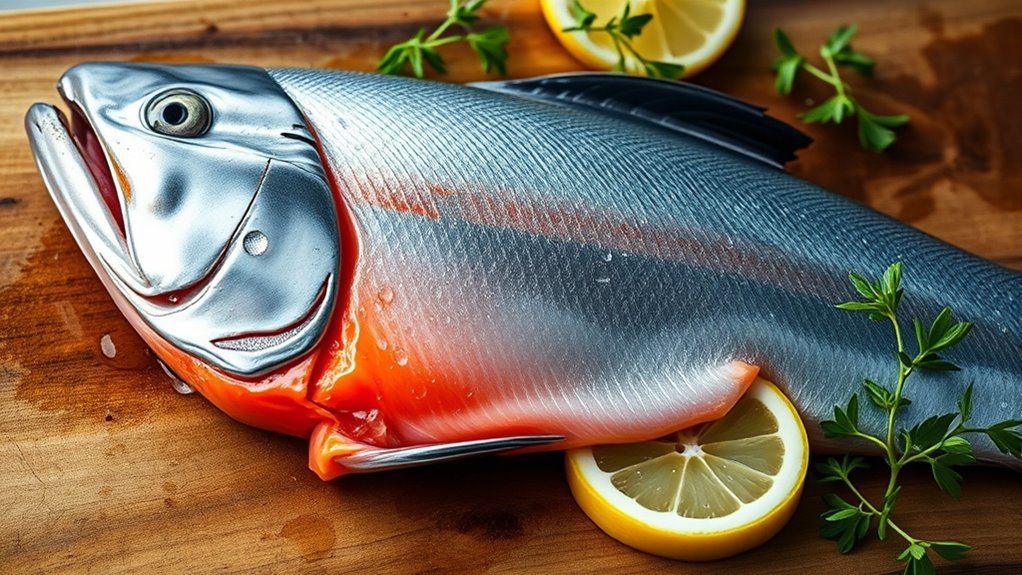

Wild Keta Salmon, also called chum salmon, thrives in the North Pacific’s chilly waters, especially around Alaska and Canada. Its sleek body features vibrant colors that change during spawning. You’ll love its milder flavor, making it perfect for various dishes. Packed with omega-3 fatty acids, it offers numerous health benefits too. Plus, its remarkable migration patterns and sustainable fishing practices help preserve its population. Discover more about its culinary uses and preparation techniques!
Overview of Wild Keta Salmon
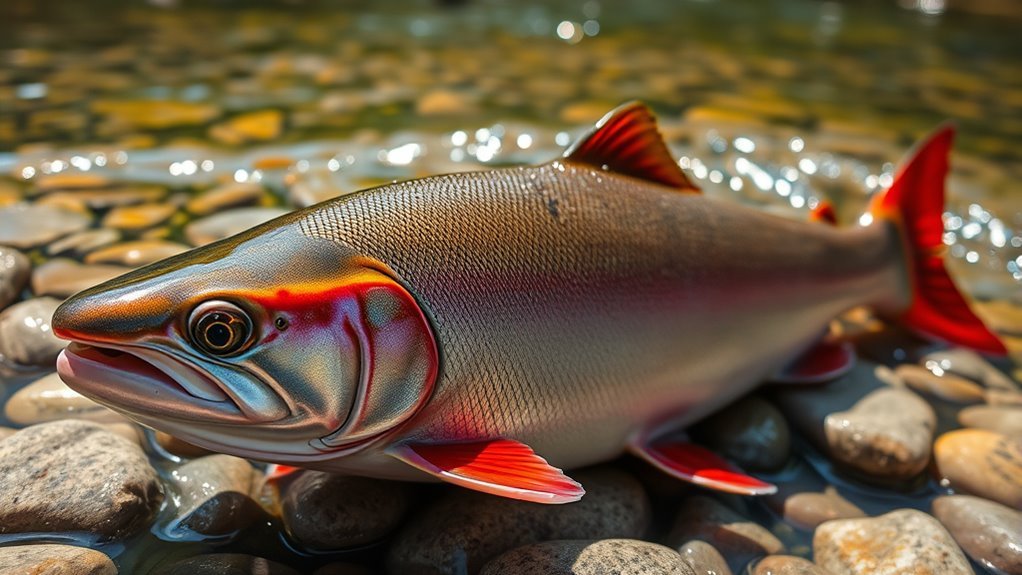
Wild Keta Salmon, also known as chum salmon, is a fascinating species that thrives in the cold waters of the North Pacific Ocean. You’ll discover that wild keta is unique, with its distinctive, sleek body and vibrant coloration that shifts from greenish-blue to silvery when swimming upstream. One of the remarkable salmon characteristics is its ability to adapt to both salt and fresh water, showcasing its resilience. During spawning, its hues deepen to a striking maroon, a visual celebration of nature’s transformation. With a milder flavor compared to other salmon, wild keta offers culinary versatility. This species not only captivates with its beauty but also embodies the wild spirit of freedom inherent in nature’s untamed waters.
Nutritional Benefits
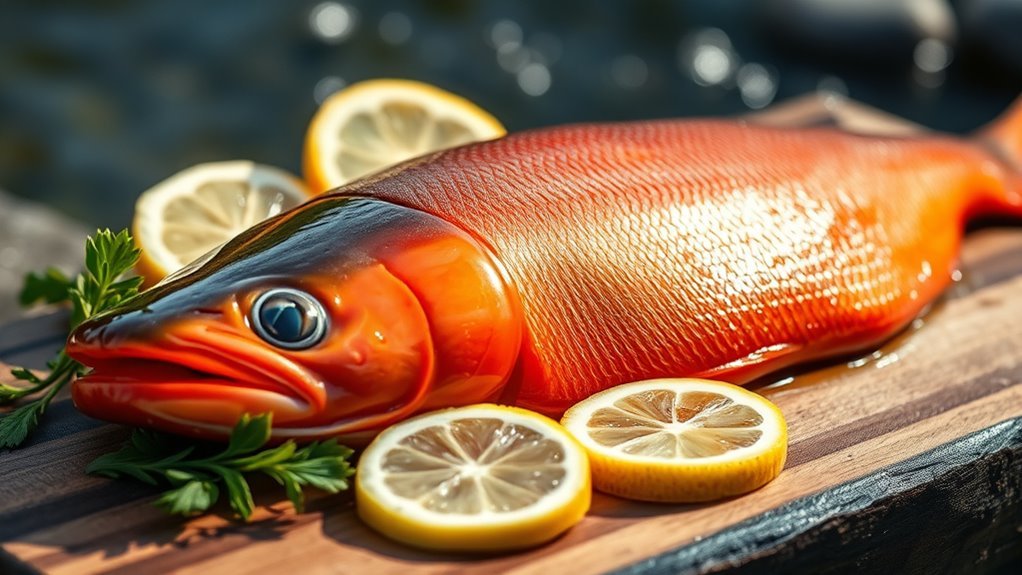
One serving of wild keta salmon packs a powerful punch of essential nutrients that can greatly benefit your health. This delicious fish is not just a treat for your taste buds; it’s also a nutrient powerhouse. Its rich omega-3 content is known to support heart health, reduce inflammation, and boost brain function. Incorporating wild keta salmon into your diet can lead to several notable health benefits, including:
Wild keta salmon is a nutrient powerhouse, rich in omega-3s that support heart health, brain function, and reduce inflammation.
- Improved cardiovascular health
- Enhanced cognitive function
- Reduced risk of chronic diseases
- Better skin and joint health
With its numerous health benefits and mouthwatering qualities, wild keta salmon offers a delightful way to nourish your body while enjoying the freedom of a balanced diet. So, don’t hesitate to make it a staple on your plate!
Flavor Profile
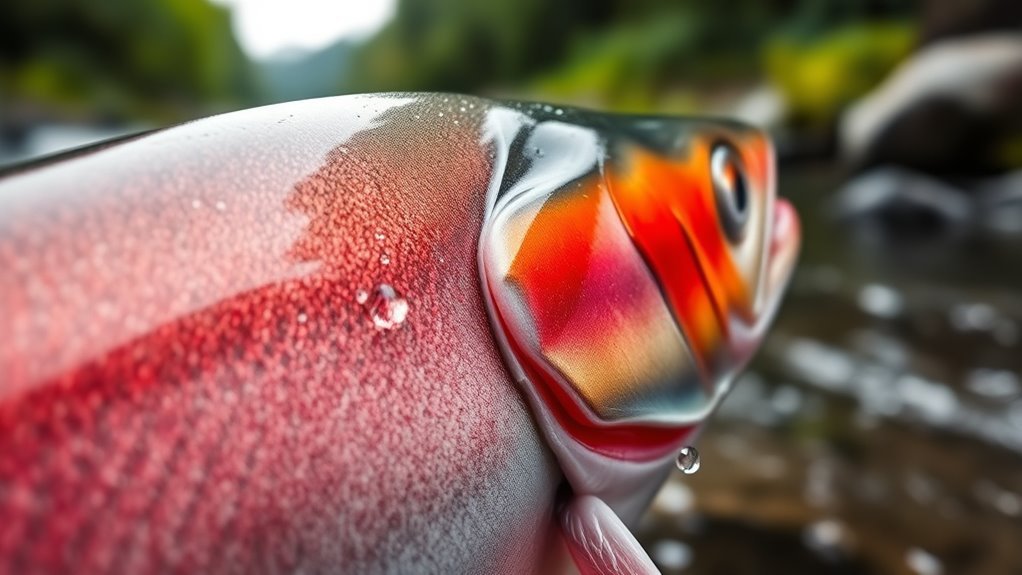
When it comes to flavor, keta salmon delivers a delightful experience that captivates the palate. Its rich, buttery taste boasts subtle taste nuances, setting it apart from other salmon varieties. You’ll find keta’s flavor profile is milder compared to the boldness of sockeye salmon, making it a versatile choice for various dishes. The flesh is firm yet tender, enhancing its appeal in recipes. When you compare keta to coho salmon, you’ll notice a slightly sweeter undertone, which pairs beautifully with citrus or savory marinades. Whether grilled, smoked, or baked, keta salmon’s unique flavor invites creativity in the kitchen. If you’re seeking a salmon that harmonizes with diverse flavors, keta is your go-to option for a truly satisfying culinary experience.
Habitat and Distribution
Keta salmon thrives in the cold, clear waters of the North Pacific, primarily found along the coasts of Alaska and Canada. These fish are known for their remarkable migration patterns, traveling vast distances between freshwater rivers and the ocean. Several environmental factors play a vital role in their habitat and distribution:
- Water temperature and clarity
- Availability of spawning grounds
- Ocean currents and salinity
- Seasonal food sources
Keta salmon typically return to their birthplace to spawn, showcasing their incredible homing instincts. The diverse habitats they occupy, from river estuaries to deep ocean waters, contribute to their unique life cycle. Understanding these aspects helps you appreciate the wild keta salmon’s journey through its natural environment.
Sustainable Fishing Practices
As the demand for seafood continues to rise, adopting sustainable fishing practices becomes essential for preserving wild keta salmon populations and their habitats. By choosing eco-friendly practices, you can help guarantee that future generations can enjoy this delicious fish. Techniques such as catch-and-release, selective fishing, and using gear that minimizes bycatch contribute to healthier ecosystems. Supporting fisheries that prioritize sustainability not only protects the salmon but also promotes the overall health of aquatic environments. When you buy wild keta salmon, look for certifications from organizations that advocate for responsible fishing. By making informed choices, you’re not just savoring a delectable meal; you’re participating in a movement that values the freedom of nature and the balance of our oceans.
Culinary Uses
Savoring wild keta salmon isn’t just about enjoying a meal; it’s an experience that can elevate any dish. This versatile fish opens up a world of culinary possibilities. You can explore various cooking pairings that complement its rich flavor and tender texture. Here are some delightful ideas:
- Citrus marinades that brighten the fish’s natural taste
- Herb-infused butters to enhance its savory profile
- Grilled vegetable sides for a colorful, nutritious plate
- Whole grain salads to add texture and heartiness
With endless recipe variations—from poaching to grilling—wild keta salmon invites creativity in the kitchen. Whether you’re a seasoned chef or a weekend cook, it’ll inspire you to experiment and enjoy every bite.
How to Select and Store
When you’re picking out fresh Keta salmon, look for vibrant, moist fillets with a mild ocean scent. Once you’ve got your catch, proper storage is key; wrap it tightly in plastic and keep it in the coldest part of your fridge to maintain its freshness. With the right selection and storage techniques, you’ll be set to enjoy this delicious fish at its best.
Choosing Fresh Keta Salmon
How can you guarantee that you’re selecting the freshest Keta salmon for your next meal? It’s all about knowing the freshness indicators and where you’re sourcing Keta. Here’s what to look for:
- Color: Fresh Keta salmon should have a vibrant, rich color, free from dullness.
- Smell: A mild, ocean-like scent is ideal; avoid anything overly fishy.
- Texture: The flesh should be firm and bounce back when pressed, not mushy.
- Skin: Look for shiny, metallic skin that’s moist, not dry or slimy.
When you keep these tips in mind, you’ll enjoy the freedom of making delicious, fresh Keta salmon dishes that delight your taste buds!
Proper Storage Techniques
Once you’ve selected the freshest Keta salmon for your meal, knowing how to store it properly is just as important to maintain its quality and flavor. First, make sure you use proper packaging—wrap the salmon tightly in plastic wrap or place it in an airtight container. This prevents air exposure, preserving its taste and texture. Next, temperature control is vital; store the salmon in the coldest part of your refrigerator, aiming for 32°F to 38°F. If you won’t be using it within a couple of days, consider freezing it. Just remember to thaw it slowly in the fridge when you’re ready to cook. With these simple steps, you can enjoy the vibrant flavors of Keta salmon at their best!
Cooking Techniques and Recipes
When it comes to cooking Wild Keta Salmon, grilling and baking are two fantastic techniques that bring out its rich, natural flavors. You’ll love how grilling adds a smoky char, while baking keeps the fish tender and juicy. Let’s explore how to master these methods for a delicious meal that’s sure to impress.
Grilling Wild Keta Salmon
Grilling Wild Keta Salmon is a delightful way to enhance its natural flavors while adding a smoky touch that elevates any meal. With the right grilling techniques and seasoning options, you can create a dish that’s not just satisfying but also bursting with flavor. Here are a few tips to get you started:
- Marinate: Use a simple mix of olive oil, lemon juice, and herbs for a fresh taste.
- Preheat: Make sure your grill is hot to achieve those perfect grill marks.
- Use a cedar plank: This imparts an extra layer of smoky flavor and prevents sticking.
- Watch the cook time: Aim for about 6-8 minutes per side, making certain it’s flaky but not dry.
Enjoy the freedom of grilling!
Baking Techniques Explained
Baking Wild Keta Salmon can be a game-changer in your culinary repertoire, offering a method that locks in moisture and enhances the fish’s rich flavors. To get started, preheat your oven to 375°F for ideal baking temperatures. Place the salmon on a lightly greased baking sheet, and season it with your favorite herbs and spices. Bake for about 15-20 minutes, depending on the thickness of the fillet; you’re aiming for that perfect flakiness. Keep an eye on it—overbaking can dry it out. Once done, let it rest for a few minutes before serving. The result? A tender, flavorful dish that highlights the natural beauty of Wild Keta Salmon, ready to be enjoyed with your favorite sides.
Frequently Asked Questions
Is Wild Keta Salmon More Expensive Than Farmed Salmon?
When it comes to price comparison, wild Keta salmon tends to be pricier than farmed salmon. Factors influencing this difference include quality, sustainability, and supply. Wild Keta salmon boasts a bolder flavor and firmer texture, appealing to those who value natural, wild-caught fish. If you’re seeking superior taste and authentic experience, it might be worth the splurge. Ultimately, your choice will reflect your priorities in quality and taste versus cost.
Can Wild Keta Salmon Be Frozen?
Absolutely, wild keta salmon can be frozen! To preserve its freshness, use proper freezing techniques like vacuum sealing or wrapping it tightly in plastic wrap. Make sure to label the packaging with the date to keep track of storage time. For best quality, try to consume it within six months. With these storage tips, you can enjoy the rich flavor of wild keta salmon whenever you crave it, giving you culinary freedom all year round!
What Is the Average Size of Wild Keta Salmon?
Imagine reeling in a fish that feels like a hefty bag of potatoes—wild keta salmon can be quite the catch! On average, these fish weigh around 8 to 12 pounds, but size variation is common. Some might surprise you, reaching up to 20 pounds! Whether you’re fishing or cooking, knowing their average weight helps you appreciate the thrill of the chase and the delicious meal that follows. Enjoy that freedom on the water!
How Long Is the Wild Keta Salmon Fishing Season?
The wild keta salmon fishing season typically runs from late summer to early winter, but it can vary based on location and fishing regulations. You’ll want to check local guidelines, as seasonal variations can impact your fishing opportunities. Imagine the thrill of casting your line as the sun sets, knowing you’re following the best practices to guarantee a sustainable catch. Embrace the freedom of the open water and the excitement of the hunt!
Are There Any Common Allergens Associated With Wild Keta Salmon?
When considering common allergens, you should know that wild keta salmon can trigger allergy symptoms in some people, especially those allergic to fish or shellfish. However, it’s packed with nutritional content, offering omega-3 fatty acids, protein, and essential vitamins. If you’re exploring new foods, it’s wise to be cautious and consult a healthcare provider if you have known allergies. Enjoying wild keta salmon can be a delicious and healthy choice, as long as you’re mindful!
Frequently Asked Questions about Wild Keta Salmon
1. What is Wild Keta Salmon?
Wild Keta Salmon, also known as chum salmon, is a species of salmon that is primarily found in the North Pacific Ocean and its tributaries. It is known for its distinctive mild flavor and is often used in various culinary dishes, including smoked and canned products. Keta salmon are characterized by their firm, pale pink flesh and lower fat content compared to other salmon species.
2. How does Wild Keta Salmon differ from other types of salmon?
Wild Keta Salmon differs from other types of salmon, like King (Chinook) or Sockeye, primarily in its flavor profile and texture. Keta has a milder taste and firmer texture, making it versatile for various cooking methods. Additionally, Keta salmon typically has a lower fat content, which makes it less oily than its counterparts, providing a lighter taste experience.
3. What are the health benefits of Wild Keta Salmon?
Wild Keta Salmon is rich in essential nutrients, including omega-3 fatty acids, high-quality protein, vitamins (such as B12 and D), and minerals like selenium. Omega-3 fatty acids are known for their anti-inflammatory properties and are linked to heart health. Regular consumption of Keta salmon can contribute to improved brain function, reduced risk of chronic diseases, and overall well-being.
4. Is Wild Keta Salmon sustainable?
Yes, Wild Keta Salmon is considered a sustainable seafood choice, especially when sourced from well-managed fisheries. Many fisheries adhere to strict regulations to ensure that salmon populations remain healthy and ecosystems are preserved. It is advisable to look for certifications from organizations like the Marine Stewardship Council (MSC) when purchasing Keta salmon to ensure that it has been caught sustainably.
5. How should Wild Keta Salmon be cooked?
Wild Keta Salmon can be cooked in various ways, including grilling, baking, poaching, and smoking. Due to its firmer texture, it holds up well to grilling and can be marinated for added flavor. For baking, it’s best to cook it at a moderate temperature to retain moisture. Smoked Keta salmon is also a popular choice, delivering a delightful flavor that pairs well with a variety of accompaniments.
References
- https://en.wikipedia.org/wiki/Keta_salmon
- https://www.fisheries.noaa.gov/species/chum-salmon
- https://www.fs.usda.gov/wildflowers/plant/faq/index.html
- https://www.seafoodwatch.org
- https://www.alaskaseafood.org/seafood-101/salmon/
- https://www.ncbi.nlm.nih.gov/pmc/articles/PMC5401135/
- https://www.pbs.org/food/food-facts/salmon/