

The term “keto” refers to a low-carbohydrate, high-fat diet that aims to induce a metabolic state known as ketosis. In ketosis, the body becomes efficient at burning fat for energy instead of relying on carbohydrates. This article will explore the meaning of keto, its principles, benefits, and more.
What Does Keto Mean?

Keto is short for ketogenic, a dietary approach that drastically reduces carbohydrate intake while significantly increasing fat consumption. The primary goal of the keto diet is to shift the body’s metabolism from carbohydrates to fat for energy, thus enabling the body to enter a state of ketosis. In ketosis, the liver converts fat into ketones, which serve as an alternative fuel source for the brain and body. This metabolic shift is not merely about reducing calories; it fundamentally alters how the body utilizes energy, allowing for more efficient fat burning.
The keto diet typically restricts carbohydrates to about 20-50 grams per day, depending on individual goals and metabolic responses. This stark reduction in carbohydrates forces the body to adapt by utilizing fat stores instead, leading to a profound transformation in energy metabolism.
The Science Behind Ketosis
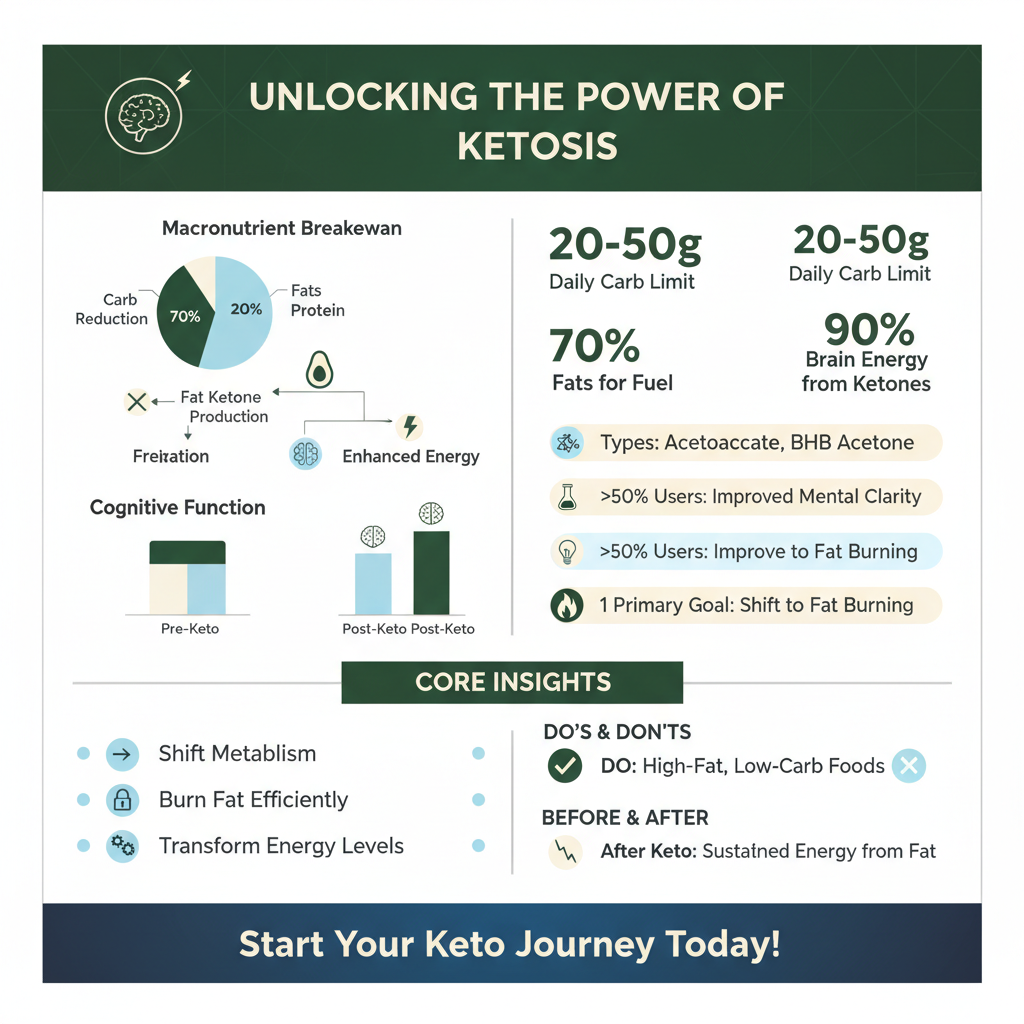
Ketosis occurs when the body lacks sufficient carbohydrates, prompting it to break down fat for fuel. Under normal circumstances, carbohydrates are the body’s primary source of energy. However, when carb intake is significantly reduced, the body enters a state of ketosis, where it begins to utilize fat as its main energy source.
During this process, fatty acids are released from fat stores and transported to the liver, where they are converted into ketone bodies: acetoacetate, beta-hydroxybutyrate, and acetone. These ketones can cross the blood-brain barrier, providing an efficient source of energy for the brain, which typically relies on glucose. Research has shown that ketosis can enhance cognitive function, improve mental clarity, and stabilize energy levels throughout the day, thus making it an appealing option for those seeking both physical and mental benefits.
Key Components of the Keto Diet
The keto diet is characterized by its unique macronutrient composition. High-fat foods are the staples of the diet and include avocados, nuts, seeds, oils (like olive and coconut), fatty fish, and dairy products. Protein intake is moderate, consisting of lean meats, poultry, eggs, and certain dairy products. This is crucial as excessive protein can be converted into glucose through gluconeogenesis, which may hinder the state of ketosis.
Carbohydrate intake is intentionally limited to encourage fat burning. Common sources of carbohydrates like bread, pasta, and sugary foods are eliminated in favor of low-carb vegetables, such as leafy greens, broccoli, and cauliflower. This shift not only supports weight loss but also reduces insulin levels, which can lead to a host of other health benefits, including improved blood sugar control and reduced inflammation.
Potential Benefits of a Keto Diet
The potential benefits of adopting a keto diet extend beyond weight loss. Many individuals find success in shedding pounds due to the diet’s appetite-suppressing effects and the stable energy levels it promotes. As fat becomes the primary fuel source, many report a decrease in cravings and a reduced urge to snack throughout the day.
Additionally, the keto diet has garnered attention for its potential therapeutic effects. Some studies suggest that ketogenic diets can help manage certain medical conditions, such as epilepsy, type 2 diabetes, and metabolic syndrome. Moreover, individuals often report improved mental clarity and focus due to stable blood sugar levels, making it an attractive option for those looking to enhance cognitive function.
Common Misconceptions About Keto
Despite its growing popularity, several misconceptions about the keto diet persist. One common myth is that keto is merely a fad diet. In reality, the ketogenic approach has been utilized for medical purposes, notably in the treatment of epilepsy since the 1920s. Its effectiveness in controlling seizures has been well-documented, leading to its acceptance in clinical settings.
Another misconception is that the keto diet is synonymous with a high-protein diet. While protein is an essential component, the primary focus of the keto diet is on healthy fats. This misunderstanding can lead to improper implementation, which may not yield the desired results of entering ketosis.
Who Should Consider the Keto Diet?
The keto diet may appeal to a wide range of individuals, particularly those looking to lose weight or manage certain medical conditions. Various studies suggest that the ketogenic approach may be beneficial for individuals with type 2 diabetes, as it can improve insulin sensitivity and lower blood sugar levels. Additionally, those struggling with obesity or metabolic syndrome might find the diet effective in facilitating weight loss and improving overall health.
However, it is crucial for anyone considering the keto diet to consult a healthcare professional or registered dietitian. Individual health conditions, nutritional needs, and lifestyle factors should be assessed to determine whether this dietary approach is appropriate.
Tips for Starting a Keto Diet
For those interested in embarking on a keto journey, a thoughtful and gradual approach can ease the transition. Begin by tracking your carbohydrate intake using apps or food diaries to ensure you stay within the recommended limits. Gradually decrease carbohydrate consumption over a week or two while increasing healthy fats to facilitate adaptation.
Incorporating more low-carb vegetables and healthy fats into meals can help maintain nutritional balance. Planning meals in advance and preparing snacks can also prevent the temptation to reach for high-carb options. Staying hydrated and ensuring adequate electrolyte intake is essential, as the body may excrete more sodium and potassium during the initial stages of ketosis.
In summary, understanding the meaning of keto involves recognizing it as a low-carb, high-fat diet that promotes ketosis for energy. The ketogenic diet has numerous potential benefits, including weight loss and improved mental clarity. If you’re considering trying the keto diet, do your research and consult a professional to ensure it’s the right fit for you.
Frequently Asked Questions
What does keto mean and how does it work?
“Keto” refers to the ketogenic diet, a low-carb, high-fat eating plan designed to shift your body’s metabolism into a state called ketosis. In ketosis, your body becomes efficient at burning fat for energy instead of carbohydrates, which is achieved by drastically reducing carbohydrate intake and replacing it with fat. This metabolic shift can lead to weight loss and improved energy levels, making the keto diet popular among those seeking to manage their weight and enhance overall health.
Why should I consider a ketogenic diet?
There are several reasons to consider a ketogenic diet, particularly if you’re looking to lose weight, manage diabetes, or improve mental clarity. The keto diet can help suppress appetite, leading to reduced calorie intake without feeling deprived. Additionally, it may improve insulin sensitivity and blood sugar levels, making it a potentially beneficial choice for individuals with type 2 diabetes or metabolic syndrome.
How do I start a ketogenic diet effectively?
To start a ketogenic diet effectively, begin by calculating your macronutrient needs, aiming for approximately 70-75% fats, 20-25% protein, and only 5-10% carbohydrates. Focus on whole, nutrient-dense foods such as avocados, nuts, seeds, healthy oils, and low-carb vegetables while avoiding sugar and high-carb foods. Gradually eliminate carbs from your diet to prevent shock to your system, allowing your body time to adjust to burning fat as its primary energy source.
Which foods should I avoid on a keto diet?
On a ketogenic diet, it’s essential to avoid foods high in carbohydrates. This includes sugary foods like candies, cakes, and pastries, as well as starchy foods such as bread, pasta, and rice. Additionally, certain fruits that are high in sugar, like bananas and grapes, should be limited. Instead, focus on incorporating healthy fats, leafy greens, and low-carb vegetables to maintain ketosis and support your dietary goals.
What are the potential side effects of a ketogenic diet?
While many people experience positive results on a ketogenic diet, some may encounter side effects, especially during the initial transition phase, often referred to as the “keto flu.” Symptoms can include fatigue, headaches, dizziness, nausea, and irritability due to carbohydrate withdrawal. Staying well-hydrated, replenishing electrolytes, and gradually reducing carb intake can help alleviate these symptoms and make the transition smoother. It’s always advisable to consult with a healthcare professional before making significant dietary changes.
References
- Ketogenic diet
- https://www.ncbi.nlm.nih.gov/pmc/articles/PMC6481968/
- https://www.healthline.com/nutrition/what-is-a-ketogenic-diet
- https://www.webmd.com/diet/what-is-the-ketogenic-diet
- https://www.cdc.gov/healthyweight/assessing/bmi/index.html
- https://www.mayoclinic.org/healthy-lifestyle/nutrition-and-healthy-eating/expert-answers/ketogenic-diet/faq-20459607