

The keto diet is a high-fat, low-carbohydrate eating plan designed to put your body into a state of ketosis, where it burns fat for fuel instead of carbohydrates. This dietary approach has gained popularity for its potential to facilitate weight loss and improve metabolic health. In this article, you will learn what the keto diet entails, how it operates, its potential benefits, and important considerations to keep in mind when starting this dietary approach.
What is the Keto Diet?

The keto diet focuses on drastically reducing carbohydrate intake while increasing fat consumption. By significantly limiting carbs, the diet aims to shift the body’s primary energy source from glucose to fat. This change in macronutrient composition leads to a typical breakdown of approximately 70-75% fat, 20-25% protein, and 5-10% carbohydrates. This high-fat, low-carb ratio forces the body to use fat as its main source of energy, promoting a metabolic state known as ketosis. The idea behind the keto diet is not merely to restrict calories but to fundamentally alter how the body processes energy, which can have profound effects on weight management and overall health.
How Does the Keto Diet Work?
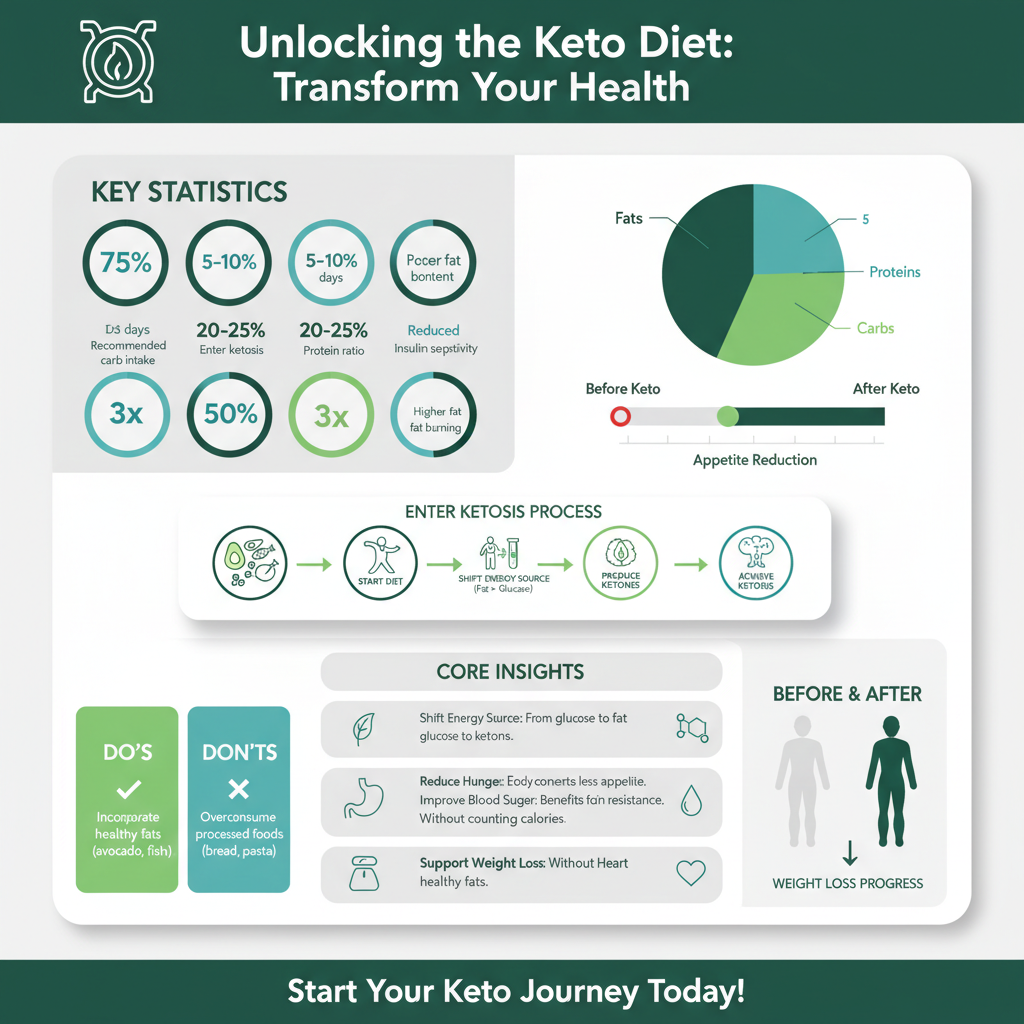
The diet induces a metabolic state called ketosis, where the body converts fat into ketones for energy. When carbohydrate intake is significantly reduced, the liver begins to produce ketones from fatty acids. These ketones serve as an alternative energy source for the brain and muscles, replacing glucose. This metabolic shift not only promotes fat burning but also helps decrease blood sugar and insulin levels, which can be particularly beneficial for individuals with insulin resistance or type 2 diabetes. Furthermore, the reduction in insulin levels can lead to decreased hunger, making it easier to adhere to calorie deficits necessary for weight loss.
Benefits of the Keto Diet
The keto diet may lead to weight loss by reducing hunger and increasing fat burning. Research indicates that individuals following a ketogenic diet often experience a spontaneous reduction in appetite, which can facilitate weight loss without the need for meticulous calorie counting. Additionally, the diet has shown potential improvements in blood sugar control and insulin sensitivity for those with type 2 diabetes. Some studies suggest that the ketogenic diet may also have neuroprotective effects, potentially benefiting individuals with neurological disorders such as epilepsy. Furthermore, emerging research indicates that the diet may have positive effects on cardiovascular health, particularly when it incorporates healthy fats like those found in avocados and fish.
Foods to Include on the Keto Diet
When adopting the keto diet, it is essential to focus on nutrient-dense foods that align with its macronutrient profile. Healthy fats are the cornerstone of the diet and should include sources such as avocados, olive oil, coconut oil, and various nuts and seeds. Additionally, low-carb vegetables like leafy greens, broccoli, cauliflower, and zucchini should be included to ensure adequate fiber and micronutrient intake. Protein sources should primarily consist of high-quality options such as grass-fed meats, poultry, fish, eggs, and full-fat dairy products. These foods not only provide the necessary macronutrients but also support overall health and well-being.
Foods to Avoid on the Keto Diet
While the keto diet offers numerous food choices, there are several categories of foods that should be avoided to maintain ketosis. High-carb foods, including grains, sugars, and most fruits, must be significantly limited or eliminated. This includes bread, pasta, rice, and sugary snacks, which can quickly derail the diet’s intended effects. Additionally, processed foods that contain hidden sugars and carbohydrates should be avoided, as they often contribute to increased carb intake without providing nutritional value. Being vigilant about food labels is essential for anyone following the keto diet, as many seemingly healthy options may contain hidden carbohydrates.
Common Challenges and How to Overcome Them
Starting the keto diet can come with its set of challenges, particularly in the initial stages. Many individuals experience what is commonly referred to as the “keto flu,” which can include symptoms such as fatigue, irritability, headaches, and digestive issues. These symptoms are often temporary and arise as the body adjusts to using fat as its primary energy source. To mitigate these effects, it is crucial to stay well-hydrated and maintain electrolyte balance by consuming adequate amounts of sodium, potassium, and magnesium. Gradually easing into the diet, rather than making abrupt changes, can also help alleviate discomfort during the adaptation phase.
Tips for Success on the Keto Diet
To maximize the benefits of the keto diet and ensure long-term success, meal planning and preparation are vital. By organizing meals in advance and keeping keto-friendly snacks on hand, individuals can avoid impulsive eating that could lead to non-compliance. Utilizing apps to track macronutrient intake can also be beneficial, allowing for real-time adjustments and ensuring adherence to the desired macronutrient ratios. Engaging with online communities or support groups can provide motivation and accountability, making the transition to a ketogenic lifestyle more manageable.
Maintaining a keto diet can lead to significant health benefits, but it also requires careful planning and commitment. If you’re interested in trying the keto diet, consider consulting with a healthcare provider or nutritionist to tailor it to your needs and maximize its potential benefits. By understanding its mechanics and implementing effective strategies, you can navigate the keto journey with greater confidence and achieve your health goals.
Frequently Asked Questions
What is the keto diet and how does it work?
The keto diet, short for ketogenic diet, is a high-fat, low-carbohydrate eating plan that aims to shift the body into a state of ketosis. In ketosis, the body burns fat for fuel instead of carbohydrates, leading to weight loss and improved energy levels. By drastically reducing carbohydrate intake and increasing fat consumption, the body adapts to using ketones produced from fat as its primary energy source.
What foods are allowed on a keto diet?
On a keto diet, foods that are high in healthy fats and low in carbohydrates are encouraged. This includes fatty cuts of meat, fish, eggs, dairy products like cheese and cream, nuts, seeds, and healthy oils such as olive oil and coconut oil. Non-starchy vegetables like leafy greens, broccoli, and cauliflower are also recommended, while foods high in sugar, grains, and starchy vegetables should be avoided to maintain ketosis.
How quickly can I expect to see results on the keto diet?
Results on the keto diet can vary widely depending on individual factors such as metabolism, adherence to the diet, and starting weight. Many people report initial weight loss within the first week due to water weight loss, followed by more gradual fat loss as they continue to adhere to the diet. Typically, noticeable results in body composition and energy levels may be observed within two to four weeks of strict ketogenic eating.
Why do people choose the keto diet for weight loss?
People choose the keto diet for weight loss due to its potential effectiveness in reducing body fat while preserving muscle mass. The diet’s high-fat content can lead to increased satiety and reduced hunger, making it easier for individuals to eat fewer calories overall. Additionally, ketosis has been shown to enhance fat burning and improve metabolic health, which can further support weight loss goals.
Which are the best keto-friendly snacks to keep on hand?
The best keto-friendly snacks include options that are low in carbohydrates and high in healthy fats. Some popular choices are cheese sticks, almonds, avocados, hard-boiled eggs, and beef jerky. Additionally, low-carb vegetables with dips like guacamole or cream cheese can be satisfying snacks. Keeping these snacks readily available can help maintain your ketogenic lifestyle and prevent cravings for high-carb options.
References
- Ketogenic diet
- https://www.healthline.com/nutrition/what-is-the-keto-diet
- https://www.ncbi.nlm.nih.gov/pmc/articles/PMC6122390/
- https://www.webmd.com/diet/what-is-the-keto-diet
- https://www.hsph.harvard.edu/nutritionsource/what-is-the-keto-diet/
- https://www.cdc.gov/healthyweight/healthy_eating/diets.html
- https://www.mayoclinic.org/healthy-lifestyle/nutrition-and-healthy-eating/in-depth/keto-diet/art-20459889