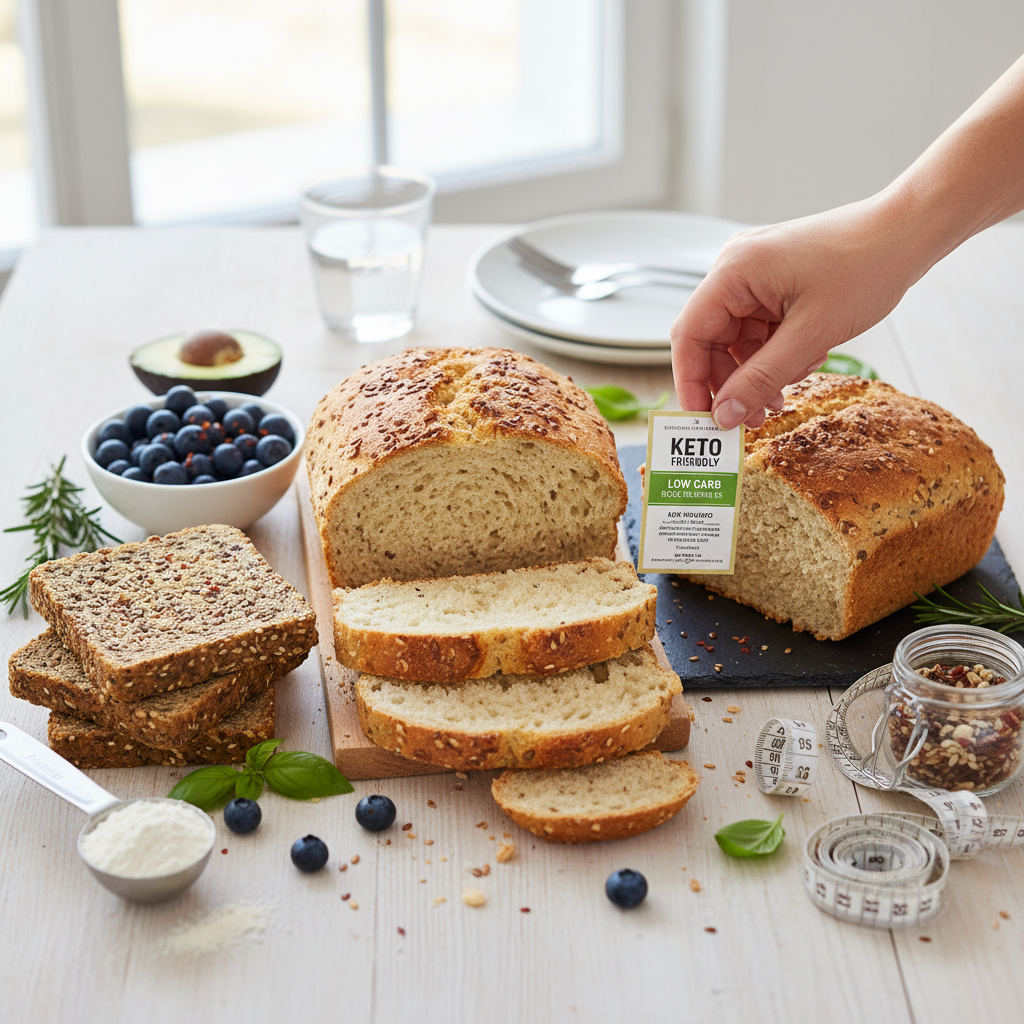

Keto bread is often crafted from alternative flours like almond or coconut flour, providing a low-carb solution to satisfy your bread cravings without derailing your ketogenic diet. With a variety of options available, it’s essential to understand the different types of keto bread, their nutritional benefits, and the best practices for selecting or making your own. This guide will explore the best keto bread options, their health advantages, and practical tips to enhance your low-carb lifestyle.
Popular Types of Keto Bread
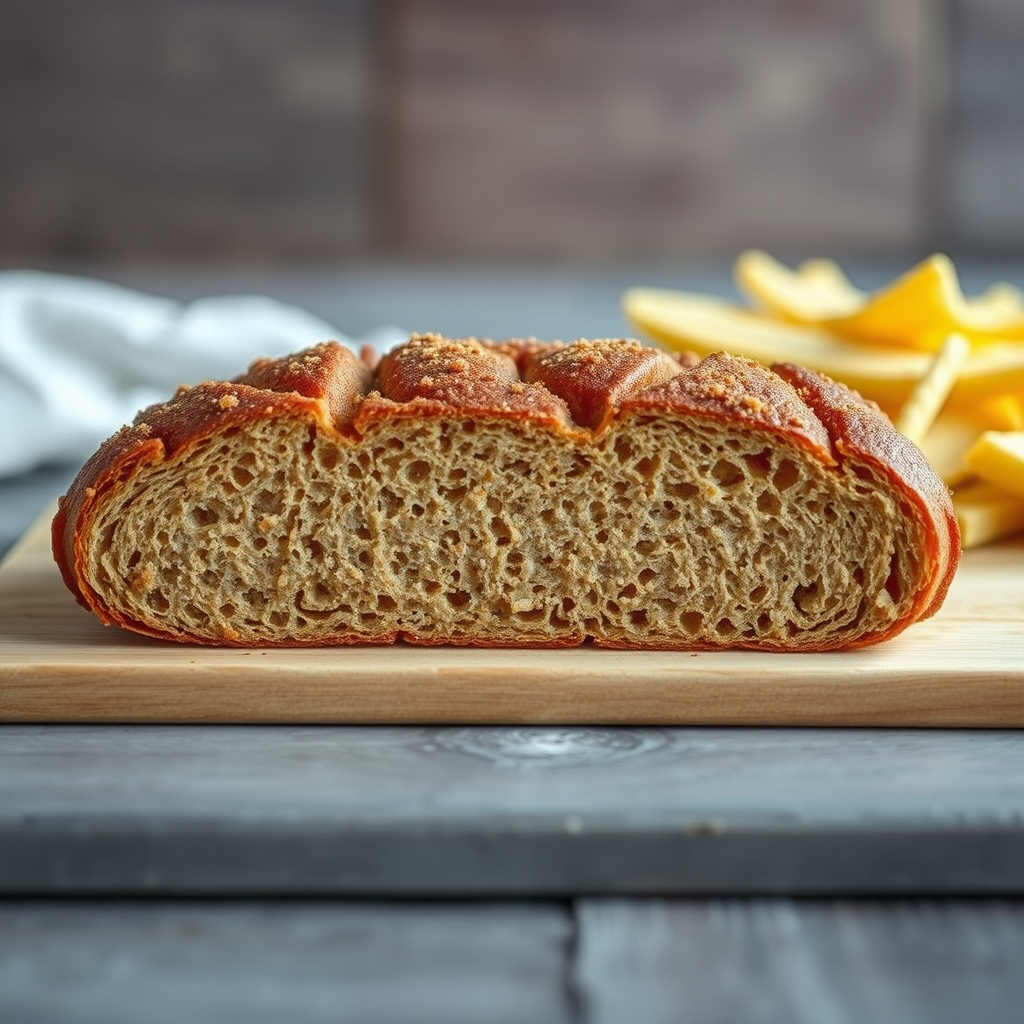
Almond Flour Bread
Almond flour bread is one of the most popular choices among keto enthusiasts. Made primarily from finely ground almonds, this bread is not only low in carbohydrates but also high in healthy fats and protein. Its nutty flavor and moist texture make it a versatile option for sandwiches, toast, or as a side for soups. Additionally, almond flour is rich in vitamin E, magnesium, and antioxidants, which can support overall health. The ease of preparation is another significant advantage, as it typically requires just a few ingredients, including eggs and baking powder, to create a satisfying and delicious loaf.
Cloud Bread
Cloud bread is an innovative alternative that has gained popularity for its light, fluffy texture. This bread is primarily composed of eggs and cream cheese, making it naturally low in carbs and gluten-free. The unique combination gives cloud bread its airy consistency, making it an excellent choice for wraps or as a base for various toppings. It’s especially appealing for those looking to reduce their carbohydrate intake while still enjoying a bread-like experience. Furthermore, cloud bread is quick to prepare, requiring minimal ingredients and time, which is perfect for those with a busy lifestyle.
Nutritional Benefits of Keto Bread

Low Carbohydrate Content
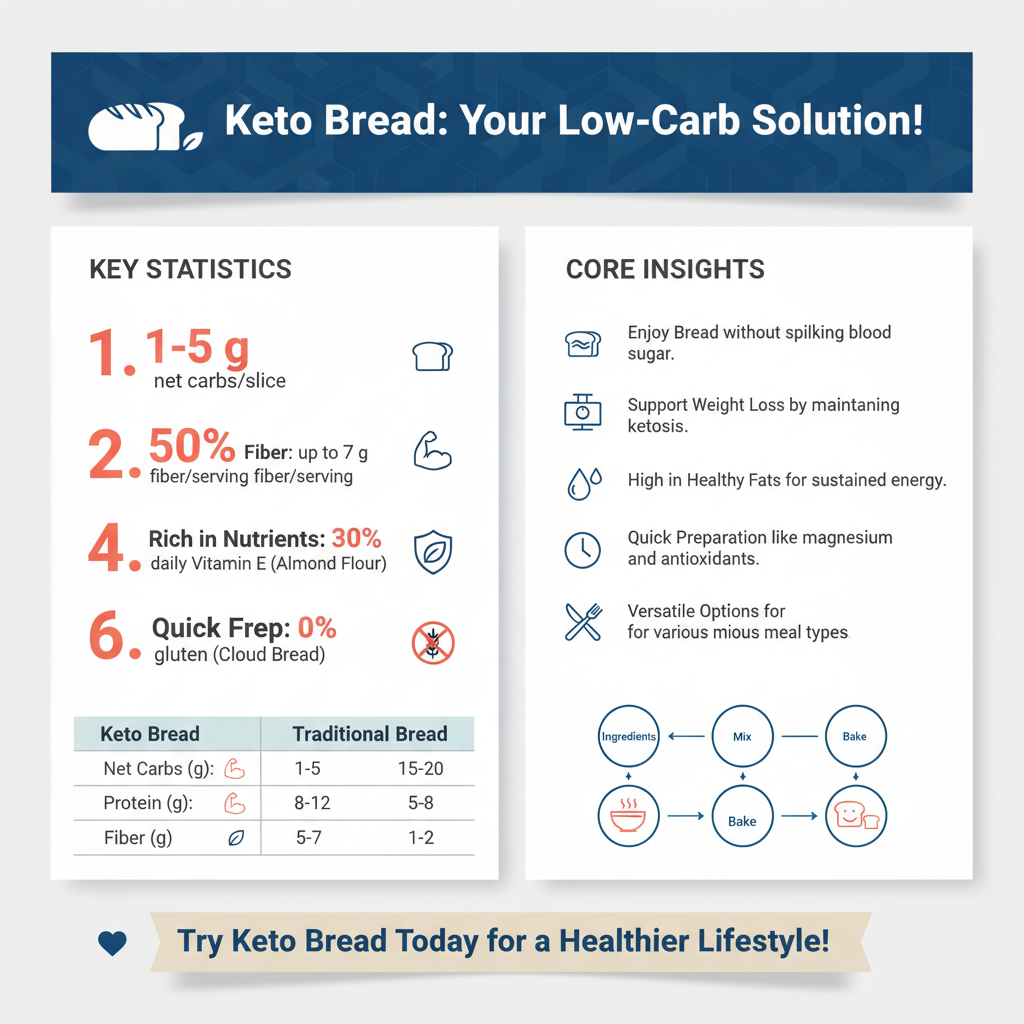
One of the primary reasons for incorporating keto bread into a low-carb diet is its significantly reduced carbohydrate content. Traditional bread can contain upwards of 15-20 grams of carbs per slice, while keto bread varieties typically range from 1 to 5 grams of net carbs. This reduction helps maintain ketosis, the metabolic state where the body burns fat for energy rather than carbohydrates. By consuming keto bread, individuals can enjoy their favorite meals without the risk of spiking their blood sugar levels, thereby supporting weight loss and overall metabolic health.
High in Fiber
Another notable benefit of keto bread is its high fiber content, especially in options made with almond flour or flaxseed meal. Fiber is crucial for digestive health, aiding in regular bowel movements and helping to prevent constipation. Additionally, high-fiber foods help to keep you feeling full longer, which can reduce overall calorie intake and assist in weight management. By including keto bread in your diet, you not only satisfy your cravings but also support your digestive system and promote a feeling of satiety.
How to Choose the Best Store-Bought Keto Bread
Check Ingredients
When selecting store-bought keto bread, it’s essential to scrutinize the ingredient list. Look for products with minimal ingredients, as this often indicates a more natural and healthier option. Avoid breads that contain added sugars, artificial preservatives, or unhealthy fats. Opt for brands that use wholesome ingredients such as almond flour, coconut flour, or psyllium husk, which can provide the necessary texture and flavor without the excess carbs.
Compare Nutrition Labels
Nutrition labels are your best friend when determining the best keto bread. Focus on the net carbohydrate count, which is calculated by subtracting fiber and certain sugar alcohols from total carbohydrates. Additionally, assess the protein content, as higher protein levels can contribute to satiety. Look for keto bread options that contain at least 5 grams of protein per serving and are high in fiber to ensure you’re making a nutritious choice that aligns with your dietary goals.
Easy Homemade Keto Bread Recipes
Basic Almond Flour Bread
Making your own almond flour bread at home is a straightforward process that allows for customization based on taste preferences. A simple recipe typically includes almond flour, eggs, baking powder, and salt. Combine the dry ingredients first, then mix in the eggs until a batter forms. Pour the mixture into a greased loaf pan and bake until golden brown. This basic almond flour bread can be enjoyed fresh or toasted, making it a versatile staple for any keto diet.
Flaxseed Bread
Flaxseed bread is another superb option packed with omega-3 fatty acids, which are beneficial for heart health. To prepare flaxseed bread, combine ground flaxseed meal with eggs, baking powder, and a pinch of salt. Mix until smooth, pour into a loaf pan, and bake. This nutrient-dense bread not only provides essential fatty acids but also contributes additional fiber to your diet. Its nutty flavor pairs excellently with both savory and sweet toppings, making it a delightful addition to your keto meal plan.
Tips for Storing and Reheating Keto Bread
Proper Storage
To maintain the freshness of your keto bread, it’s crucial to store it properly. Keep the bread in an airtight container at room temperature for short-term storage, or refrigerate it if you plan to keep it for more than a few days. For longer storage, consider freezing individual slices, which can be easily reheated as needed. This approach helps preserve the texture and flavor of the bread while preventing spoilage.
Reheating Methods
When it comes to reheating keto bread, the method you choose can significantly affect its texture. For the best results, use an oven or toaster. Simply preheat your oven to 350°F (175°C) and place the bread directly on the rack or a baking sheet for about 5-10 minutes until heated through and crispy. Toaster settings can vary, so keep an eye on the bread to prevent burning. These methods help restore the original crispness and make the bread more enjoyable.
Common Mistakes to Avoid with Keto Bread
Skipping Portion Control
While keto bread is a fantastic alternative to traditional bread, it’s essential to practice portion control. Even low-carb options can contribute to calorie overload if consumed excessively. Be mindful of serving sizes, and consider incorporating keto bread as part of a balanced meal that includes healthy fats and proteins. This approach can help you stay on track with your weight management goals without feeling deprived.
Ignoring Other Nutrients
Another common mistake is focusing solely on low-carb options while neglecting other essential nutrients. A well-rounded keto diet should include an appropriate balance of healthy fats, proteins, and fiber. Ensure that your meals are diverse, incorporating vegetables, nuts, seeds, and other nutrient-dense foods to support overall health. By maintaining a holistic approach to your diet, you can enhance your well-being and ensure sustained energy levels.
Keto bread can be a delicious addition to your low-carb lifestyle, providing you with the satisfaction of bread without compromising your dietary goals. By exploring different types, understanding nutritional benefits, and trying out recipes, you can enhance your keto journey. Take the next step by experimenting with some of the recipes mentioned or checking out your local store for the best keto bread options!
Frequently Asked Questions
What is the best keto bread for beginners?
For beginners on a ketogenic diet, the best keto bread is often one that uses almond flour or coconut flour as a base. These flours are low in carbohydrates and high in healthy fats, making them ideal for keto lifestyles. Look for brands or recipes that include ingredients like eggs and cheese for added protein and flavor, as these can help you stay on track with your macros while enjoying a satisfying bread alternative.
How can I make keto bread at home?
Making keto bread at home is simple and requires just a few low-carb ingredients. A basic keto bread recipe often includes almond flour, eggs, baking powder, and cheese. Combine these ingredients and bake in a preheated oven to achieve a delicious, fluffy bread that fits your ketogenic diet. There are many variations available online, allowing you to customize flavors and textures to your liking.
Why is traditional bread not suitable for a keto diet?
Traditional bread is not suitable for a keto diet because it is typically made from wheat flour, which is high in carbohydrates. On a ketogenic diet, the goal is to enter a state of ketosis, where your body burns fat for fuel instead of carbohydrates. Consuming traditional bread can significantly increase your carb intake, hindering your ability to maintain ketosis and achieve your health goals.
Which store-bought keto bread brands are the best?
Some of the best store-bought keto bread brands include “Franz Keto Bread,” “Base Culture,” and “ThinSlim Foods.” These brands offer a variety of options that are low in carbs and high in fiber, making them suitable for your keto lifestyle. Always check the nutrition label to ensure they align with your dietary requirements, as some products may still have hidden sugars or high net carbs.
What are the nutritional benefits of keto bread compared to regular bread?
Keto bread offers several nutritional benefits compared to regular bread, primarily due to its lower carbohydrate content and higher fat content. This makes keto bread a better option for those looking to control their blood sugar levels and maintain a healthy weight. Additionally, many keto breads are rich in fiber and protein, promoting better digestion and satiety, which can be particularly beneficial for individuals on a low-carb diet.