

GKI Keto, or the Glucose Ketone Index, is a specialized tool designed to evaluate the balance between glucose and ketone levels in the body, providing insights into the effectiveness of a ketogenic diet. By measuring these two critical energy sources, individuals can better understand their metabolic state, optimize fat burning, and improve overall health. This article will delve into the intricacies of GKI Keto, explaining its function, significance, and practical tips to incorporate it into your ketogenic lifestyle effectively.
Understanding GKI Keto

Definition of GKI
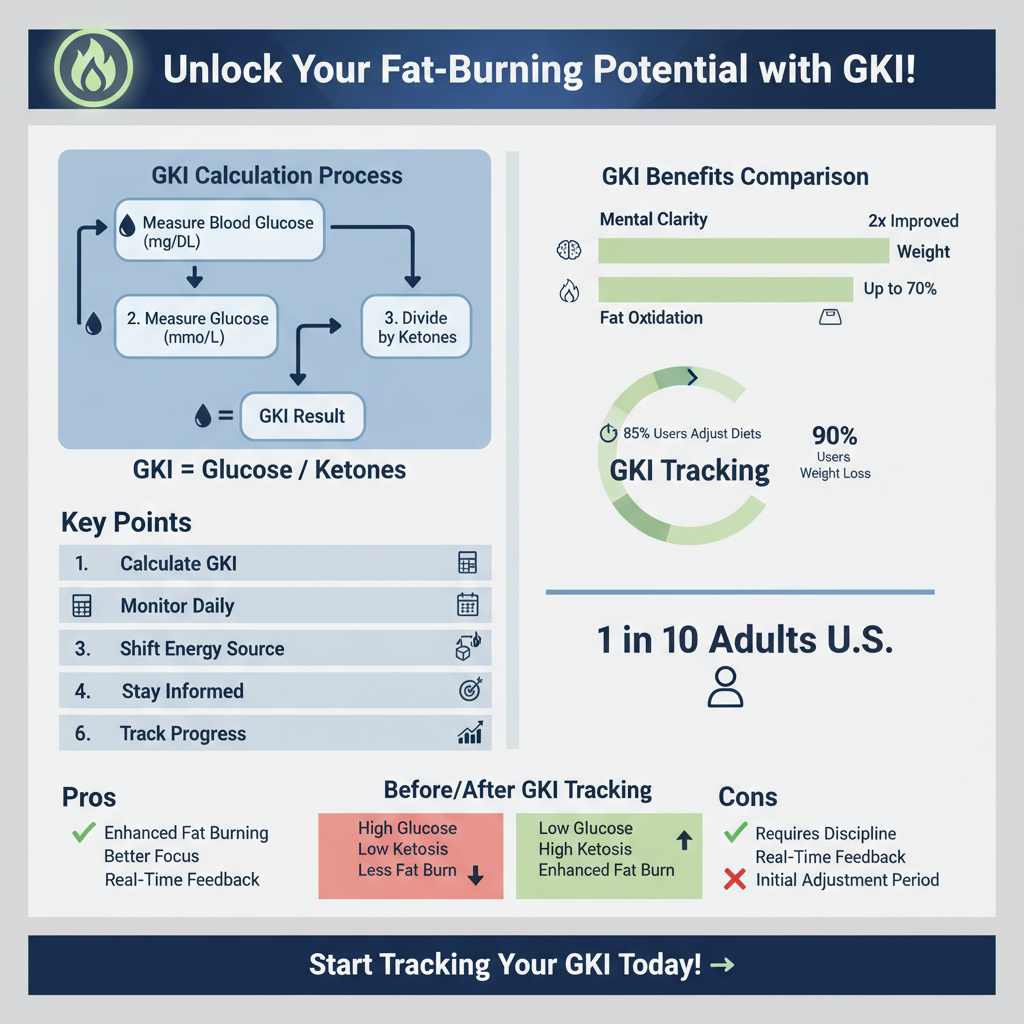
The Glucose Ketone Index (GKI) is a numerical representation of the ratio between glucose and ketone bodies in the bloodstream. It is calculated using the formula: GKI = (Blood Glucose Level in mg/dL) / (Blood Ketone Level in mmol/L). A lower GKI indicates a higher level of ketosis, which is the desired state for those following a ketogenic diet. In essence, GKI serves as an indicator of the body’s metabolic state, reflecting how effectively it is utilizing fat as its primary energy source.
Importance of Measuring GKI
Monitoring GKI is particularly beneficial for individuals on a ketogenic diet for several reasons. First, it allows for real-time feedback on dietary choices, helping individuals adjust their macronutrient intake accordingly. Additionally, tracking GKI can guide users in achieving and maintaining a deeper state of ketosis, which is associated with numerous health benefits, including weight loss, improved mental clarity, and enhanced physical performance. By keeping an eye on GKI levels, individuals can ensure their ketogenic efforts are yielding optimal results.
The Science Behind GKI

How GKI is Calculated
As mentioned, the GKI is calculated using the formula GKI = (Blood Glucose Level in mg/dL) / (Blood Ketone Level in mmol/L). For example, if your blood glucose level is 90 mg/dL and your blood ketone level is 2.0 mmol/L, your GKI would be 45. This calculation provides a straightforward way to assess the balance between these two energy substrates in the body.
The Relationship Between Glucose and Ketones
Glucose and ketones are two primary sources of energy for the body. When carbohydrate intake is low, the body shifts from using glucose as its primary fuel to generating ketones from fat stores through a process called ketosis. Understanding the interplay between these two energy sources is crucial for those on a ketogenic diet, as it can inform dietary decisions and lifestyle changes that promote efficient fat burning. A lower GKI indicates a favorable metabolic state where the body is effectively utilizing ketones over glucose, leading to enhanced fat oxidation.
Benefits of Tracking GKI
Enhanced Fat Burning
One of the most significant benefits of maintaining a low GKI is improved fat metabolism. A lower GKI generally signifies that the body is proficiently burning fat for fuel, which is the primary goal of a ketogenic diet. This can lead to more effective weight loss and body composition changes, making GKI a valuable metric for those looking to shed excess body fat.
Optimized Health Markers
In addition to fat burning, tracking GKI can help individuals optimize various health markers. Research indicates that a lower GKI may correlate with reduced inflammation, improved insulin sensitivity, and better cardiovascular health. By maintaining a specific GKI range, individuals can potentially reduce their risk of chronic diseases and enhance overall well-being, making it an essential tool in long-term health management.
How to Measure GKI
Tools and Methods
To measure GKI accurately, individuals need to assess both blood glucose and ketone levels. Various tools are available for this purpose, including glucose meters and ketone testing strips. These devices can provide quick and precise readings, allowing users to calculate their GKI effortlessly. Some advanced models even offer integrated features that can track both metrics simultaneously, simplifying the process.
Frequency of Measurement
Determining how often to measure GKI can depend on individual goals and dietary adherence. For those just starting their ketogenic journey, daily measurements may be beneficial to establish a baseline and understand how different foods affect their GKI. Once a stable pattern is observed, measuring GKI a few times a week can be sufficient to maintain awareness and make necessary dietary adjustments.
Interpreting Your GKI Results
Understanding GKI Ranges
GKI levels can vary significantly based on individual metabolic states and dietary choices. Generally, a GKI of 1-3 indicates a deep state of ketosis, while a GKI higher than 9 suggests that the body is primarily using glucose for energy. Understanding these ranges allows individuals to assess their current metabolic state and make informed decisions about their diet and lifestyle.
Adjusting Your Diet Based on GKI
Interpreting GKI results can provide valuable insights into dietary adjustments. For instance, if your GKI is higher than your target range, it may indicate that your carbohydrate intake is too high, prompting a need to reduce carbs or increase healthy fats. Conversely, a low GKI may suggest effective fat burning, allowing individuals to maintain their current diet or even introduce some strategic carbs if desired.
Common Misconceptions About GKI
Clarifying Myths
Despite its growing popularity, several misconceptions about GKI persist. One common myth is that a low GKI is inherently unhealthy; however, the context of individual health markers and dietary patterns must be considered. Additionally, some believe that tracking GKI is overly complex; with the right tools and knowledge, it can be a straightforward process.
The Difference Between GKI and Other Metrics
GKI differs from other metrics used in the ketogenic community, such as net carb intake or simply tracking ketone levels. While these methods provide valuable information, GKI offers a holistic view of the body’s energy utilization, making it a more comprehensive tool for understanding one’s metabolic health.
Practical Tips for Implementing GKI in Your Keto Journey
Setting Goals
Establishing personal GKI targets can provide motivation and direction in your ketogenic journey. Depending on individual health objectives, some may aim for a specific GKI range that aligns with their weight loss or performance goals. These targets should be realistic and adaptable, allowing for adjustments based on progress and overall health.
Incorporating GKI into Daily Routines
To make GKI tracking a habitual part of your daily routine, consider setting specific times for measurements, such as first thing in the morning or post-meal. Integrating GKI monitoring into your daily schedule can make it a seamless part of your lifestyle. Additionally, keeping a log of your GKI readings along with dietary choices can help identify trends and optimize your approach to the ketogenic diet.
Tracking your GKI can offer invaluable insights into your ketogenic diet’s effectiveness and overall health. By understanding what GKI is and how to utilize it, you can make informed adjustments to enhance your health journey. Start measuring your GKI today to optimize your keto experience and achieve your health goals more effectively.
Frequently Asked Questions
What is GKI Keto and how does it work?
GKI Keto, or Glucose Ketone Index, is a measure used to assess the balance between glucose and ketone levels in the body, particularly in the context of a ketogenic diet. It is calculated using the formula: GKI = (Blood Glucose in mg/dL) / (Blood Ketones in mmol/L). The lower the GKI value, the deeper the state of ketosis, which can help in weight loss and improve metabolic health.
How can I calculate my GKI while following a ketogenic diet?
To calculate your GKI, you need to measure your blood glucose and blood ketone levels. You can use a blood glucose meter and a ketone meter for this purpose. Once you have both measurements, divide your blood glucose level (in mg/dL) by your blood ketone level (in mmol/L) to get your GKI score. Regular monitoring can help you stay within your desired ketosis range and ensure you’re achieving your dietary goals.
Why is tracking GKI important for people on a ketogenic diet?
Tracking your GKI is essential for those on a ketogenic diet because it helps you understand how well your body is utilizing fat for energy rather than carbohydrates. A lower GKI indicates a more efficient fat-burning state, which can be crucial for weight loss, cognitive function, and overall health. Monitoring your GKI can also help identify if you need to adjust your diet to maintain or deepen your ketosis.
What is an ideal GKI range for someone on a ketogenic diet?
An ideal GKI range for individuals on a ketogenic diet typically falls below 9, with the most effective range for weight loss and health benefits being between 1 and 3. Values below 1 indicate a strong state of ketosis, which may be desirable for therapeutic purposes, while values above 9 suggest that the body is primarily using glucose for energy. Finding the right GKI range can vary depending on personal health goals.
Which lifestyle changes can help improve my GKI while on a ketogenic diet?
To improve your GKI while following a ketogenic diet, consider incorporating regular exercise, such as strength training and aerobic workouts, which can increase your body’s efficiency in burning fat. Additionally, focusing on whole, nutrient-dense foods, staying hydrated, and managing stress through practices like meditation can further enhance ketosis. Monitoring your carbohydrate intake and ensuring healthy fat consumption will also contribute to a better GKI score.
References
- Ketogenic diet
- https://www.ncbi.nlm.nih.gov/pmc/articles/PMC7391284/
- https://www.health.harvard.edu/blog/the-ketogenic-diet-202108062517
- Mayo Clinic
- https://www.ncbi.nlm.nih.gov/pmc/articles/PMC6835995/
- https://www.webmd.com/diet/what-is-the-keto-diet
- https://www.cdc.gov/healthyweight/assessing/bmi/adult_bmi/index.html