A keto diet consists of a high-fat, low-carb eating plan that shifts your body into ketosis, where fat becomes your primary energy source. You’ll focus on embracing foods like leafy greens, healthy fats, and fatty meats while avoiding high-carb options like sugar and starchy vegetables. Monitoring your macronutrient ratios is essential—aiming for about 70-75% fats and only 5-10% carbs. There’s much more to learn about meal planning and managing cravings to guarantee your success.
What Is the Keto Diet?

The keto diet, which emphasizes high-fat and low-carbohydrate intake, aims to shift your body into a state of ketosis, where it burns fat for fuel instead of carbohydrates. Understanding the keto basics can help you navigate this dietary approach effectively. Historically, the ketogenic diet was developed in the 1920s for medical purposes, particularly to manage epilepsy. Over the years, it gained popularity for weight loss and improved energy levels. By greatly reducing carbs, you encourage your body to utilize fat stores, which can empower you to achieve your health goals. While it offers several benefits, it’s essential to reflect on how it fits into your lifestyle and nutritional needs. Balancing freedom with informed choices is key to a sustainable keto journey.
The Science Behind Ketosis
Ketosis is a metabolic state where your body shifts from using carbohydrates to fat for energy, leading to increased fat burning. Understanding how ketosis works can reveal various benefits, such as weight loss and improved mental clarity. Let’s explore the science behind this process and what it means for your health.
Ketosis Explained Simply
When your body shifts from burning glucose to burning fat for energy, it enters a metabolic state known as ketosis. This process happens when carbohydrate intake is greatly reduced, causing your insulin levels to drop and prompting the liver to produce ketones from fatty acids. Many keto misconceptions suggest that ketosis is dangerous, but it can be a safe state for most people when done correctly. The duration of ketosis varies, depending on individual dietary choices and activity levels.
| Key Aspect | Explanation |
|---|---|
| Energy Source | Fat becomes the primary energy source. |
| Ketones | Byproducts of fat metabolism. |
| Insulin Levels | Decreased insulin promotes fat burning. |
| Adaptation Period | It may take days to weeks to fully adapt. |
Benefits of Ketosis
While many people associate ketosis primarily with weight loss, this metabolic state offers a range of benefits supported by scientific research. Achieving fat adaptation can lead to improved energy levels and appetite control, helping you manage your weight more effectively. Furthermore, ketosis enhances mental clarity, allowing for sharper focus and cognitive function. It can also support metabolic health by stabilizing blood sugar levels, which is essential for overall well-being. Additionally, studies suggest that ketosis may improve endurance performance and promote inflammation reduction, contributing to better heart health. Embracing ketosis can empower you with these diverse benefits, enhancing both your physical and mental state while granting you the freedom to thrive in your daily life.
Foods to Embrace on a Keto Diet

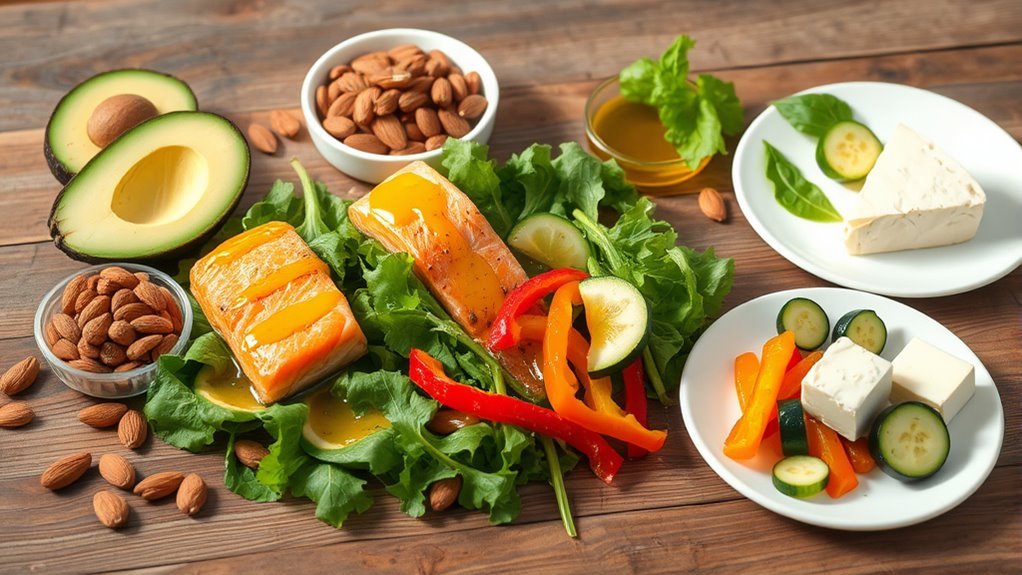
Embracing the right foods is essential for successfully steering a keto diet. To thrive, focus on incorporating these options into your meal prep:
- Low Carb Vegetables: Leafy greens, zucchini, and broccoli are great choices that keep your carb count low while providing essential nutrients.
- Healthy Fats: Avocados, olive oil, and coconut oil add flavor and help keep you satiated.
- Protein Sources: Opt for fatty cuts of meat, eggs, and fish to meet your protein needs effectively.
- Nut Varieties: Almonds, walnuts, and macadamias offer delicious keto friendly snacks and healthy fats.
You can also explore dairy options and keto friendly desserts, keeping your meals enjoyable while sticking to your goals. Enjoy the freedom of eating well on your keto journey!
Foods to Avoid on a Keto Diet
To achieve your keto goals, it’s just as important to know what to avoid as it is to embrace the right foods. Start by steering clear of sugar substitutes that can spike your insulin levels and disrupt ketosis. Common culprits include agave syrup and honey, as they still contain sugars that can hinder your progress. You should also limit high carb vegetables like potatoes, corn, and carrots, which can quickly increase your carb intake. Instead, focus on leafy greens and cruciferous vegetables that fit better within your carb limits. By avoiding these items, you’ll create a more favorable environment for your body to enter and maintain ketosis, allowing you the freedom to thrive on your keto journey.
Understanding Macronutrient Ratios
To effectively follow a keto diet, it’s essential to understand macronutrient ratios, particularly the limits on carbohydrates. You’ll typically want to keep carbs low while balancing your intake of fats and proteins to maintain ketosis. Knowing these guidelines can help you tailor your diet for best results.
Carb Limitation Guidelines
When following a keto diet, understanding carb limitation guidelines is essential for achieving and maintaining ketosis. To effectively manage your carbohydrate intake, keep these key points in mind:
- Daily Carb Limit: Aim for about 20-50 grams of net carbs per day.
- Carb Counting: Track your carbohydrate intake diligently to stay within your limit.
- Keto Snacks: Choose low-carb options like nuts, cheese, or veggies with dip for satisfying snacks.
- Read Labels: Always check food labels for hidden carbs, especially in processed foods.
Fat and Protein Balance
Maintaining a proper balance of fats and proteins is vital for the success of a keto diet. You’ll want to focus on achieving fat adaptation, where your body shifts from burning carbs to utilizing fats for energy. Typically, a keto diet consists of about 70-75% fats, 20-25% protein, and 5-10% carbs. Choosing high-quality protein sources like grass-fed meats, eggs, and plant-based options guarantees you meet your nutritional needs without compromising ketosis. It’s important not to overeat protein, as excess can convert to glucose and hinder fat adaptation. By understanding and maintaining these macronutrient ratios, you can enjoy the freedom of a keto lifestyle while reaping its benefits, like increased energy and improved mental clarity.
Sample Keto Meal Plans
Creating a sample keto meal plan can be a game-changer for those looking to embrace this low-carb, high-fat lifestyle. Here’s a simple outline to inspire your week:
- Keto Breakfast Ideas: Scrambled eggs cooked in butter, served with avocado.
- Lunch: Grilled chicken salad with olive oil dressing and a side of cheese.
- Dinner: Baked salmon with asparagus drizzled in lemon butter.
- Keto Snack Options: Celery sticks with almond butter or a handful of nuts.
Potential Benefits of a Keto Diet
What makes the keto diet appealing to so many people is its potential to deliver significant health benefits. Many individuals experience notable weight loss, which can lead to improved self-esteem and body image. You might also find enhanced mental clarity and sharper focus, thanks to stable energy levels from ketones rather than glucose. Keto can aid in inflammation reduction, contributing to better overall health. Additionally, it’s linked to improved blood sugar control, making it beneficial for those managing diabetes. This diet often leads to appetite control, helping you feel satisfied longer. Ultimately, some studies suggest potential benefits for heart health, as it may help lower triglycerides and improve cholesterol levels. Embracing keto could be a step toward a healthier lifestyle.
Common Side Effects and How to Manage Them
While the keto diet offers numerous benefits, it’s important to be aware of its common side effects, especially during the initial adjustment phase. You might experience what’s known as the keto flu, which can include fatigue and headaches. To help manage these side effects, consider the following:
Be prepared for the keto flu during your adjustment phase, including fatigue and headaches.
- Hydration Importance: Drink plenty of water to combat dehydration.
- Electrolyte Balance: Make sure you’re getting enough sodium, potassium, and magnesium to prevent cramping and fatigue.
- Digestive Issues: Incorporate fiber-rich, low-carb vegetables to ease digestion.
- Cravings Management: Stay mindful of your food choices to maintain mental clarity and prevent energy dips.
Being aware of these potential issues will help you navigate the adaptation period and minimize nutrient deficiencies while enjoying the long-term effects of the keto lifestyle.
Tips for Success on the Keto Journey
Successfully traversing the keto journey requires more than just adhering to a low-carb diet; it’s crucial to adopt strategies that enhance your experience and sustainability. To keep your motivation high, set realistic goals and celebrate small victories along the way. Incorporating keto motivation tips, like surrounding yourself with supportive friends or joining online communities, can make a big difference.
Meal prepping strategies are also key; plan your meals for the week to avoid last-minute carb-heavy choices. Batch-cook keto-friendly recipes and store them in portioned containers. This not only saves time but guarantees you always have compliant meals on hand. Remember, the journey is personal, so find what works best for you and embrace the freedom that comes with making informed choices.
Frequently Asked Questions about the Keto Diet
1. What foods are included in a keto diet?
A keto diet primarily consists of high-fat, low-carbohydrate foods. Foods typically included are meats, fatty fish, eggs, butter, nuts, seeds, healthy oils, avocados, low-carb vegetables (like leafy greens), and full-fat dairy products. Foods high in carbohydrates, such as grains, sugars, fruits, and starchy vegetables, are generally avoided to maintain a state of ketosis.
2. How does a keto diet work?
The keto diet works by drastically reducing carbohydrate intake and replacing it with fat. This shift in macronutrient consumption puts your body into a metabolic state known as ketosis, where fat becomes the primary source of energy instead of carbohydrates. In ketosis, the liver converts fatty acids into ketones, which are then used for energy, leading to a reduction in body fat and improved energy levels.
3. What are the potential benefits of following a keto diet?
The potential benefits of a keto diet include weight loss, improved blood sugar control, increased mental clarity, and enhanced energy levels. Some studies suggest that it may also help in managing conditions such as epilepsy, polycystic ovary syndrome (PCOS), and certain neurological disorders. However, individual results can vary, and it’s essential to consult a healthcare professional before starting any diet.
4. Are there any risks associated with a keto diet?
While many people can safely follow a keto diet, there are potential risks and side effects, particularly during the initial transition phase, often referred to as the “keto flu.” This can include symptoms like fatigue, headache, irritability, and digestive issues. Long-term adherence may also lead to nutrient deficiencies if not properly managed. It’s crucial to consult with a healthcare professional and ensure a balanced intake of nutrients while on a keto diet.
5. Can you eat fruits on a keto diet?
While most fruits are relatively high in carbohydrates and sugars, some low-carb fruits can be enjoyed in moderation on a keto diet. Berries, such as strawberries, raspberries, and blackberries, are typically lower in carbs compared to other fruits. It’s essential to monitor portion sizes to stay within your daily carbohydrate limits while still obtaining the benefits of vitamins and antioxidants from fruits.
References
- https://www.healthline.com/nutrition/what-is-a-keto-diet
- https://www.mayoclinic.org/healthy-lifestyle/nutrition-and-healthy-eating/in-depth/keto-diet/art-20472496
- https://www.ncbi.nlm.nih.gov/pmc/articles/PMC6462048/
- https://www.cdc.gov/healthyweight/assessing/bmi/adult_bmi/english_bmi_calculator/bmi_calculator.html
- https://www.webmd.com/diet/obesity/what-is-the-keto-diet
- https://www.verywellfit.com/what-is-the-keto-diet-5110827
- https://www.nutrition.gov/topics/nutrition/healthy-eating/food-groups
- https://www.sciencedirect.com/science/article/pii/S2212267219305858
- https://www.who.int/news-room/fact-sheets/detail/healthy-diet