

A ketogenic diet typically allows for only a limited intake of carbohydrates, making the selection of fruits a nuanced endeavor. However, several low-carb fruits can seamlessly fit into your keto meal plan, enabling you to indulge in nature’s sweetness without compromising your dietary goals. In this article, you’ll learn about keto-friendly fruits, how to incorporate them into your meals, and effective strategies for monitoring your carbohydrate intake.
Low-Carb Fruits for Keto
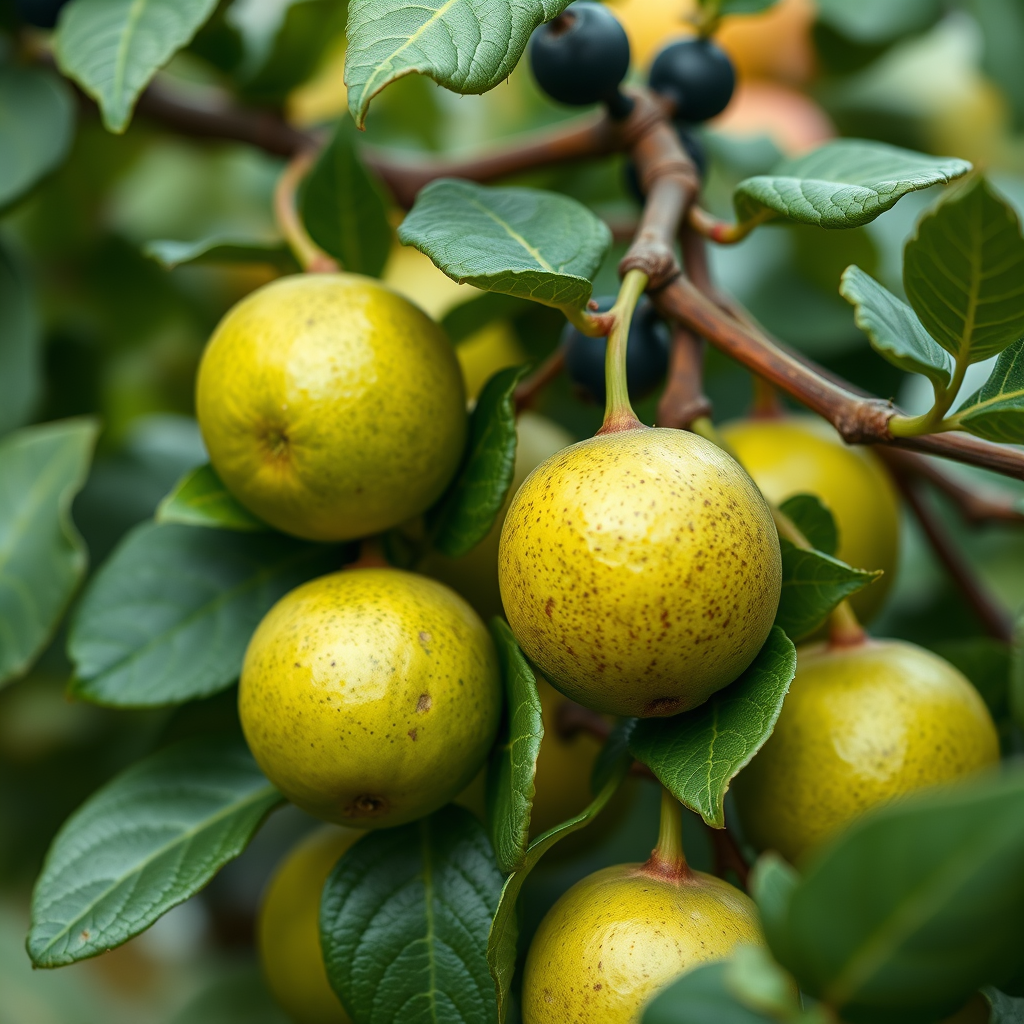
When it comes to fruits that are compatible with a ketogenic lifestyle, the focus should be on those that are low in sugar and high in fiber. Here are some excellent options:
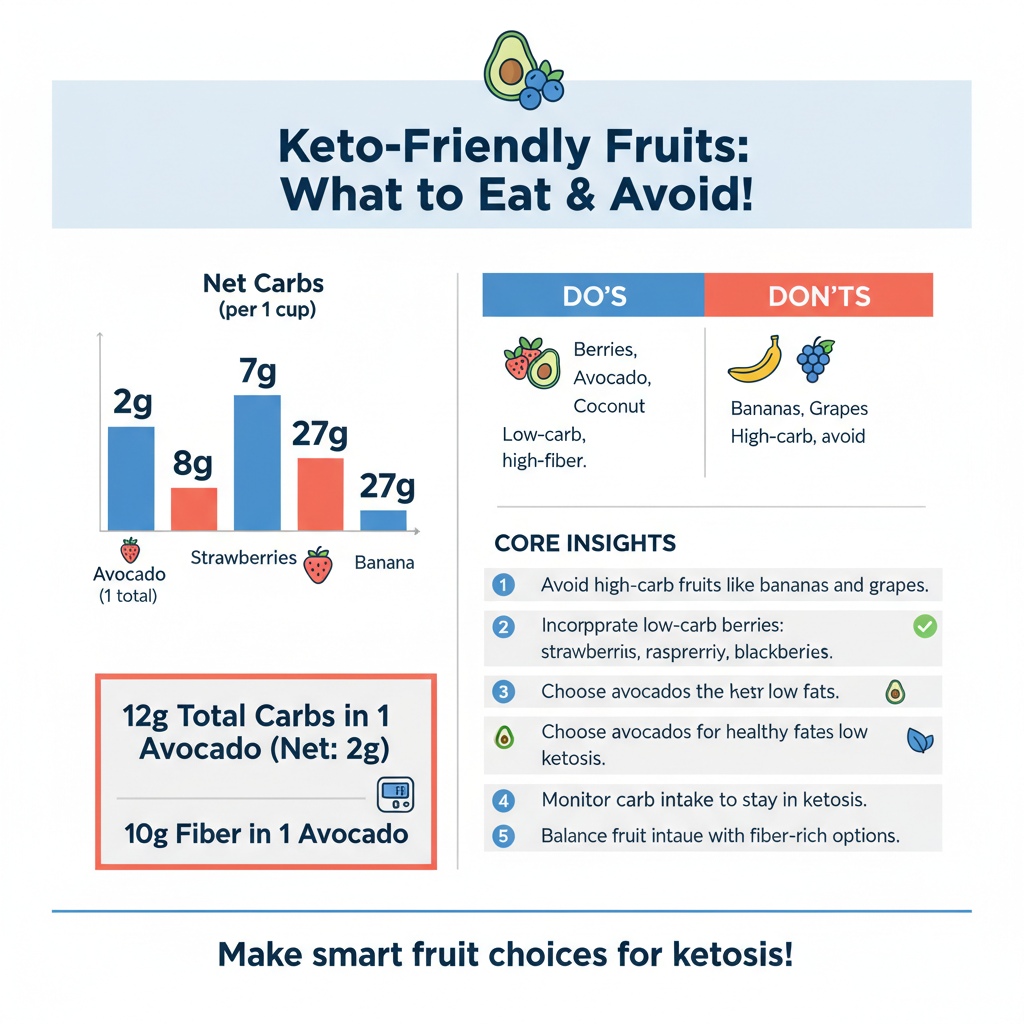
– Berries: Strawberries, raspberries, and blackberries are among the best choices for keto dieters. These fruits are not only low in sugar but also contain significant amounts of fiber, which can help mitigate the impact of carbohydrates on blood sugar levels. For instance, one cup of strawberries has only about 11 grams of carbs, 3 of which are fiber, making the net carb count just 8 grams. Raspberries offer similar benefits, with one cup containing around 15 grams of total carbs and 8 grams of fiber, resulting in a net carb count of 7 grams.
– Avocado: While often overlooked, avocados are technically a fruit and are perfect for a keto diet. They are loaded with healthy monounsaturated fats, which are beneficial for heart health and can help maintain satiety. A whole avocado contains roughly 12 grams of carbohydrates, but due to its high fiber content (approximately 10 grams), the net carbs are only about 2 grams. This makes avocados an ideal choice for adding creaminess to dishes without significantly increasing carb intake.
Fruits to Avoid on Keto
While there are keto-friendly fruits, it is crucial to know which ones are best avoided due to their high carbohydrate content:
– Bananas: Bananas are delicious and nutritious but are high in sugar and carbohydrates. A medium banana contains around 27 grams of carbohydrates, which can quickly use up your entire daily carb allocation on a strict keto diet. Due to their natural sweetness, they can lead to insulin spikes, which are counterproductive to the goals of a ketogenic lifestyle.
– Grapes: Similar to bananas, grapes are also high in carbohydrates, with a cup containing about 27 grams. Their high sugar content and low fiber ratio make them unsuitable for those trying to maintain ketosis. Consuming grapes could easily lead to exceeding your daily carb limit, making them a fruit to avoid if you’re serious about a keto lifestyle.
How to Incorporate Fruits into Your Keto Diet
Incorporating fruits into your ketogenic diet can be both enjoyable and creative. Here are some practical ways to do so:
– Use fruits as toppings: Adding low-carb fruits like berries to salads or Greek yogurt can enhance the flavor and nutritional value of your meals. For example, a simple salad topped with fresh strawberries, walnuts, and feta cheese can be both refreshing and satisfying while staying within keto guidelines. Alternatively, adding a handful of raspberries to full-fat Greek yogurt creates a delicious breakfast or snack option.
– Make smoothies: Smoothies can be a convenient way to consume fruits while maintaining your carb limits. Try blending a small number of berries with spinach, avocado, and unsweetened almond milk for a nutrient-dense drink. This not only provides healthy fats and fiber but also masks the taste of greens, making it an easy way to increase your vegetable intake.
Portion Control and Moderation
While low-carb fruits can be a delightful addition to your keto diet, it is essential to practice portion control to ensure you stay within your carbohydrate limits:
– Be mindful of serving sizes: Always stick to small portions to keep carb counts low. For example, a serving of berries might be a half-cup rather than a full cup. This approach allows you to enjoy the flavors without overwhelming your daily carbohydrate allowance.
– Track your intake: Utilizing apps or journals to monitor your fruit consumption, along with overall carb intake, can be incredibly beneficial. Many apps provide nutritional information, making it easier to track your macros and stay accountable. Consider logging your meals and snacks to see how different fruits affect your overall carbohydrate consumption.
Other Keto-Friendly Snacks
In addition to fruits, there are several other snacks that fit well within the ketogenic framework:
– Nuts and seeds: These are excellent alternatives to fruits, offering healthy fats, protein, and fiber. Almonds, walnuts, and chia seeds are particularly good choices. A small handful of nuts can serve as a great snack that helps you feel full while keeping your carb intake low.
– Cheese: Cheese is another delicious snack that aligns perfectly with keto guidelines. It’s low in carbohydrates and high in fats and proteins, making it satisfying. Consider pairing cheese with some berries for a delightful snack that provides a nice balance of flavors.
Tips for Choosing the Right Fruits
When selecting fruits to incorporate into your keto diet, consider these practical tips:
– Check labels: Always look for hidden sugars in processed fruit products, such as fruit juices and dried fruits. These items often contain added sugars that can significantly increase carb counts. Aim for whole fruits where possible, as they offer natural sweetness along with fiber.
– Opt for organic: Whenever possible, choose organic fruits to reduce pesticide exposure. Organic options may offer a cleaner choice and can contribute to overall health and wellness, aligning with the principles of a ketogenic diet focused on whole foods.
Maintaining a keto diet doesn’t mean you have to completely eliminate fruits from your meals. By choosing the right low-carb options and monitoring your portions, you can enjoy fruits while still adhering to your diet goals. Consider experimenting with the suggested fruits and recipes, and find ways to incorporate them into your daily meals for a balanced, satisfying approach to keto living. Balancing fruits with other low-carb foods allows for a diverse and enjoyable eating experience while staying true to your ketogenic lifestyle.
Frequently Asked Questions
What fruits can I eat on a keto diet without exceeding my carb limit?
On a keto diet, it’s essential to choose fruits that are low in carbohydrates to maintain ketosis. Some of the best options include berries such as strawberries, raspberries, and blackberries, which are lower in sugar compared to other fruits. Avocados, although technically a fruit, are also keto-friendly due to their high healthy fat content and low net carbs. Remember to monitor portion sizes to stay within your daily carb limit.
How many carbs are in keto-friendly fruits?
The carbohydrate content in keto-friendly fruits can vary, but generally, fruits like strawberries have about 6 grams of net carbs per 100 grams, while raspberries contain around 5 grams. Avocados, being low in sugar, have only about 2 grams of net carbs per 100 grams. Always check nutrition labels or databases to ensure you stay within your daily carb goals while enjoying these fruits.
Why are most fruits high in carbs not suitable for a keto diet?
Most fruits are high in carbohydrates because they contain natural sugars, primarily fructose, which can quickly exceed your carb limits on a keto diet. Consuming high-carb fruits can spike your insulin levels and kick you out of ketosis, the metabolic state critical for burning fat for energy. Therefore, it’s crucial to opt for low-sugar fruits to maintain your desired state of ketosis and achieve weight loss goals.
Which fruits should I avoid entirely on a keto diet?
On a keto diet, you should avoid fruits that are high in sugar and carbs, such as bananas, grapes, apples, and mangoes. These fruits can significantly increase your carbohydrate intake and disrupt ketosis. Instead, focus on low-carb fruits like berries, which can satisfy your sweet tooth without derailing your diet.
What are some creative ways to incorporate keto-friendly fruits into my meals?
Incorporating keto-friendly fruits into your meals can be delicious and varied. You can add berries to your morning yogurt or smoothies for a nutrient boost. Slicing avocado and mixing it with lime juice can create a refreshing salad or topping for your main dishes. Additionally, you can use berries as toppings for keto-friendly desserts or bake them into low-carb muffins for a sweet treat that fits your diet.
References
- https://www.healthline.com/nutrition/keto-diet-fruits
- https://www.ncbi.nlm.nih.gov/pmc/articles/PMC7071238/
- Fruits and berries: The Best Fruits on a Keto Diet – Diet Doctor
- https://www.webmd.com/diet/obesity/keto-diet-what-to-eat
- https://www.medicalnewstoday.com/articles/what-fruits-are-keto-friendly
- https://www.clevelandclinic.org/health/diet-and-nutrition/what-is-the-keto-diet
- https://www.mayoclinic.org/healthy-lifestyle/nutrition-and-healthy-eating/expert-answers/keto-diet/faq-20457901