

The keto diet primarily consists of low-carb, high-fat foods. If you’re looking to adhere to this eating plan, you can enjoy a variety of delicious options that will keep you satisfied while maintaining ketosis. The key to successfully navigating the keto diet lies in understanding which foods align with its macronutrient ratios. In this article, we will explore the best food choices for the keto diet, ensuring you have everything you need to succeed.
High-Fat Foods
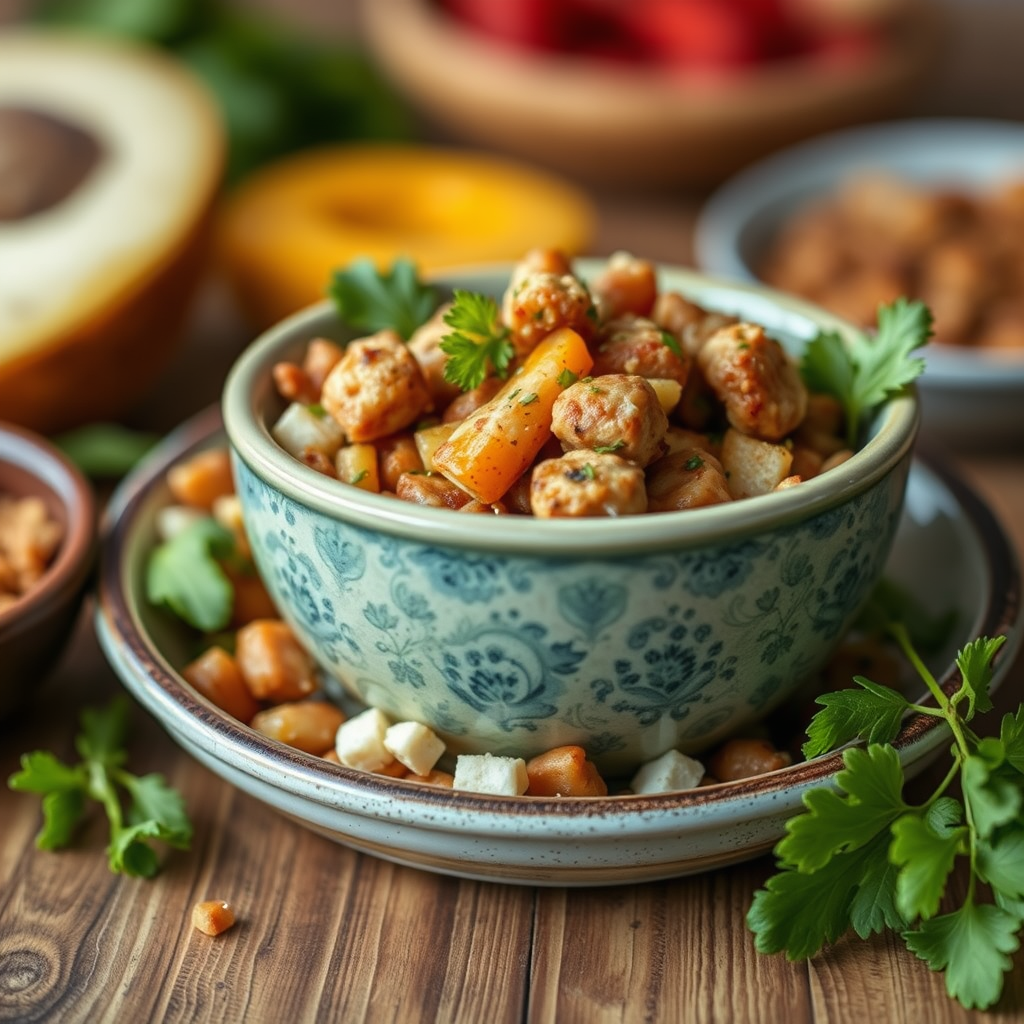
High-fat foods form the cornerstone of the keto diet, providing the necessary energy while keeping carbohydrate intake low. One of the best choices in this category is avocados, which are not only rich in monounsaturated fats but also packed with dietary fiber, vitamins, and minerals. A medium avocado contains approximately 15 grams of healthy fats and just 2 grams of net carbs, making it an ideal choice for maintaining ketosis.
Nuts and seeds are another excellent source of healthy fats. Almonds, walnuts, and macadamia nuts are particularly keto-friendly, providing a good balance of fats and protein along with essential nutrients. Chia seeds and flaxseeds are also great options due to their high omega-3 fatty acid content and fiber, which can help with digestion and satiety. Eating a handful of these nuts or adding seeds to your meals can enhance flavor while keeping your carb count in check.
Proteins to Include
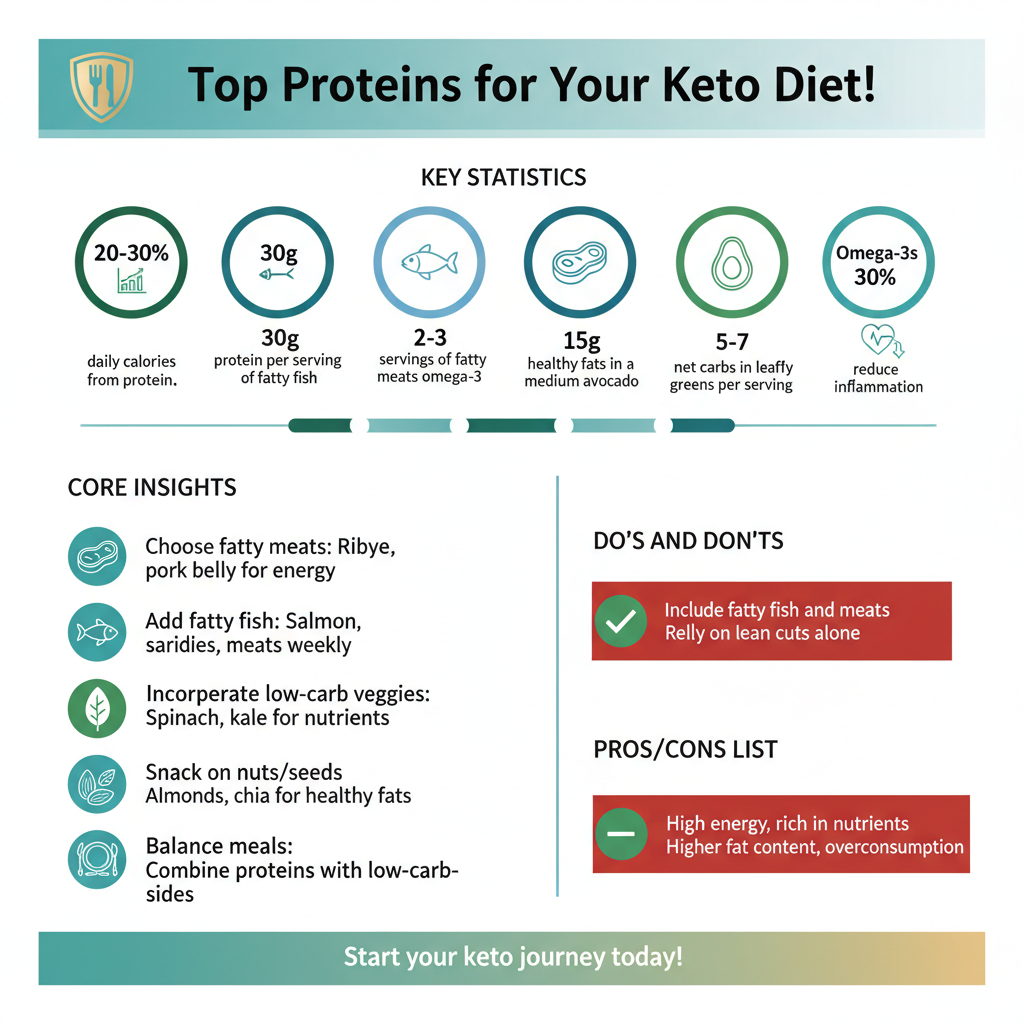
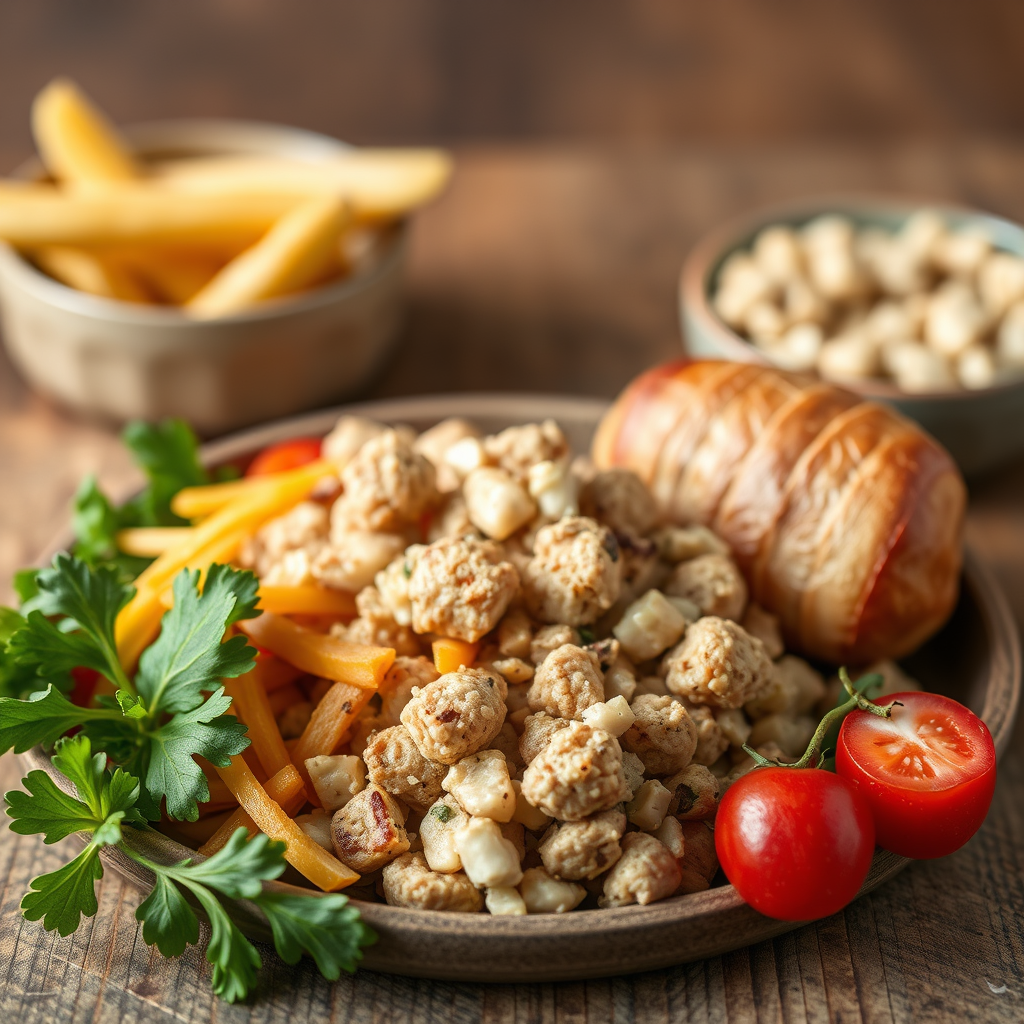
When it comes to proteins on the keto diet, opting for fatty cuts of meat is essential. Ribeye steaks and pork belly are not only flavorful but also contain a higher fat content, which is beneficial for maintaining energy levels in a low-carb state. These meats can be grilled, roasted, or sautéed, offering versatility in meal preparation.
Fish is another vital component of a keto-friendly protein source. Fatty fish such as salmon, mackerel, and sardines are particularly rich in omega-3 fatty acids, which provide numerous health benefits, including cardiovascular support and anti-inflammatory properties. Including a serving of fatty fish in your weekly meal plan can enhance both your nutritional intake and enjoyment of meals.
Low-Carb Vegetables
Incorporating low-carb vegetables is crucial for ensuring you get the necessary vitamins and minerals without exceeding your carb limits. Leafy greens such as spinach, kale, and Swiss chard are excellent choices, as they are low in calories and carbs while being rich in vitamins A, C, and K. These greens can be used in salads, smoothies, or as a base for various dishes.
Cruciferous vegetables like broccoli, cauliflower, and Brussels sprouts are also fantastic additions to a keto diet. They are not only low in carbohydrates but also high in fiber, which aids in digestion and helps maintain gut health. Cauliflower, in particular, has gained popularity as a versatile low-carb substitute for grains and starches, often being used to create cauliflower rice or mash.
Dairy and Alternatives
Dairy products can be a delicious and nutritious part of the keto diet, provided you choose full-fat options. Cheese varieties such as cheddar, mozzarella, and cream cheese offer a rich source of fats and protein while being low in carbs. Heavy cream is another versatile ingredient that can be used in both savory dishes and desserts, providing a creamy texture without compromising your ketosis.
For those who prefer dairy alternatives, unsweetened almond milk and coconut milk can be excellent substitutes. Both options are low in carbohydrates and can be used in smoothies, coffee, or as a base for sauces. It’s essential to select unsweetened varieties to avoid added sugars that could interfere with your ketogenic goals.
Snacks and Treats
Snacks on the keto diet can be both satisfying and delicious. Dark chocolate, with at least 70% cocoa content, can curb your sweet cravings while keeping your carbohydrate intake low. Rich in antioxidants and beneficial compounds, dark chocolate can be enjoyed in moderation as a treat.
For on-the-go munching, consider keto-friendly snacks like pork rinds and cheese crisps. These snacks are not only low in carbohydrates but also high in protein and fats, making them perfect for maintaining energy levels between meals. Additionally, other options like hard-boiled eggs, olives, and beef jerky can provide quick, nutrient-dense snacks that align with keto principles.
Beverages to Enjoy
When following a keto diet, beverage choices are crucial for maintaining ketosis. Water should be your primary drink, as it contains no carbs and is essential for overall health. Additionally, coffee and tea are excellent options that can be enjoyed without added sugars. You can enhance your coffee with heavy cream or coconut oil for a satisfying, fat-rich drink.
Avoid sugary drinks like sodas and juices that can quickly increase your carb intake and disrupt ketosis. Instead, opt for flavored sparkling water or herbal teas, which can provide variety and enjoyment without compromising your dietary goals.
Foods to Avoid
To successfully adhere to the keto diet, it’s critical to avoid high-carb foods that can kick you out of ketosis. Bread, pasta, and most grains are significant sources of carbohydrates and should be eliminated from your diet. Instead, focus on low-carb alternatives, such as zucchini noodles or cauliflower rice.
Sugary fruits, such as bananas, grapes, and apples, are also best avoided due to their high sugar content. Starchy vegetables like potatoes and corn can quickly increase your carb intake and should be limited. By being mindful of these foods, you can stay on track with your keto lifestyle.
Following a keto diet doesn’t mean you have to sacrifice flavor or variety. Embrace these food options, and you’ll be well-equipped to enjoy a satisfying and effective keto lifestyle. Experiment with different recipes and meal plans to see what works best for you, and remember to stay mindful of your carb intake. By understanding what foods fit within the keto framework, you can achieve your health and wellness goals while savoring each meal.
Frequently Asked Questions
What foods are allowed on the keto diet?
The keto diet primarily focuses on high-fat, low-carb foods. You can enjoy healthy fats from sources like avocados, olive oil, and nuts, as well as protein-rich foods such as meat, fish, and eggs. Non-starchy vegetables, like leafy greens, broccoli, and zucchini, are also encouraged, while foods high in carbohydrates, including grains, sugars, and most fruits, should be avoided.
How do I ensure I’m getting enough nutrients on the keto diet?
To maintain a well-rounded nutrient intake on the keto diet, prioritize a variety of low-carb vegetables, incorporate different protein sources, and include healthy fats. Additionally, consider tracking your micronutrients through a journal or app to identify any deficiencies. Supplementing with vitamins and minerals, such as magnesium or potassium, may also be beneficial, especially if you experience the “keto flu.”
Why is it important to avoid high-carb foods on the keto diet?
Avoiding high-carb foods is crucial on the keto diet because it helps your body enter and maintain a state of ketosis, where it burns fat for fuel instead of carbohydrates. Consuming too many carbs can disrupt this metabolic state, preventing you from achieving your weight loss goals and diminishing the benefits of the diet. Staying within your carb limit is key to reaping the full advantages of keto.
What are the best snacks for the keto diet?
The best snacks for the keto diet are those that are low in carbohydrates and high in healthy fats. Options include cheese, hard-boiled eggs, avocado with salt, and nuts or seeds. Additionally, consider keto-friendly snacks like pork rinds, olives, or sugar-free beef jerky to curb cravings while staying within your daily carb limit.
Which fruits can I eat on the keto diet?
While most fruits are high in sugar and carbohydrates, there are a few that can fit into a keto diet in moderation. Berries, such as strawberries, raspberries, and blackberries, are lower in carbs and can be enjoyed in small amounts. Additionally, avocados are technically a fruit and are an excellent choice due to their high-fat content and low carbohydrate count. Always be mindful of portion sizes to stay within your daily carb allowance.
References
- https://www.ncbi.nlm.nih.gov/pmc/articles/PMC7503079/
- The Ketogenic Diet: A Detailed Beginner’s Guide to Keto
- https://www.webmd.com/diet/what-is-the-keto-diet
- https://www.mayoclinic.org/healthy-lifestyle/nutrition-and-healthy-eating/expert-answers/keto-diet/faq-20457126
- https://www.hsph.harvard.edu/nutritionsource/what-is-the-keto-diet/
- https://www.cdc.gov/healthyweight/healthy_eating/dietary_guidelines.html
- Healthy diet
- Not Found | American Heart Association | American Heart Association