

When following a keto diet, low-carb flour options are essential for maintaining ketosis. Almond flour, coconut flour, and flaxseed meal are among the best keto-friendly flours available. These alternatives not only help control carbohydrate intake but also offer various nutritional benefits that can enhance your overall health. In this article, you’ll discover the various types of low-carb flours, their nutritional benefits, and how to use them in your cooking and baking.
Understanding Keto and Its Flour Requirements

The ketogenic diet, commonly known as the keto diet, emphasizes a low-carbohydrate, high-fat nutritional approach. This diet aims to shift the body’s primary energy source from glucose (derived from carbohydrates) to ketones (derived from fats). To maintain this state of ketosis, it’s crucial to minimize carbohydrate intake, which includes avoiding traditional flours like wheat flour that are high in carbs. Instead, keto dieters must seek out flour alternatives that are low in carbohydrates yet versatile enough for various culinary applications. Understanding the specific requirements of the keto diet is essential for successful meal planning and achieving desired health goals.
Popular Keto-Friendly Flours
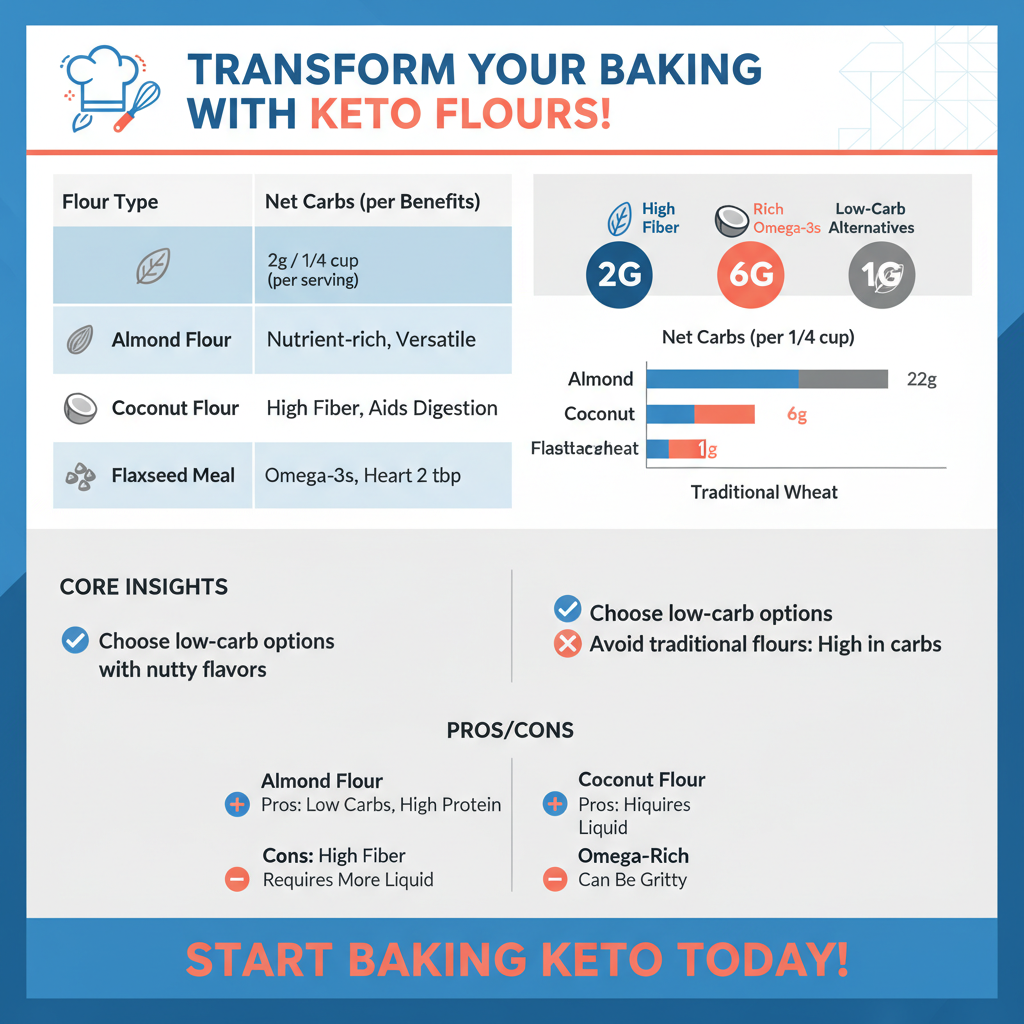
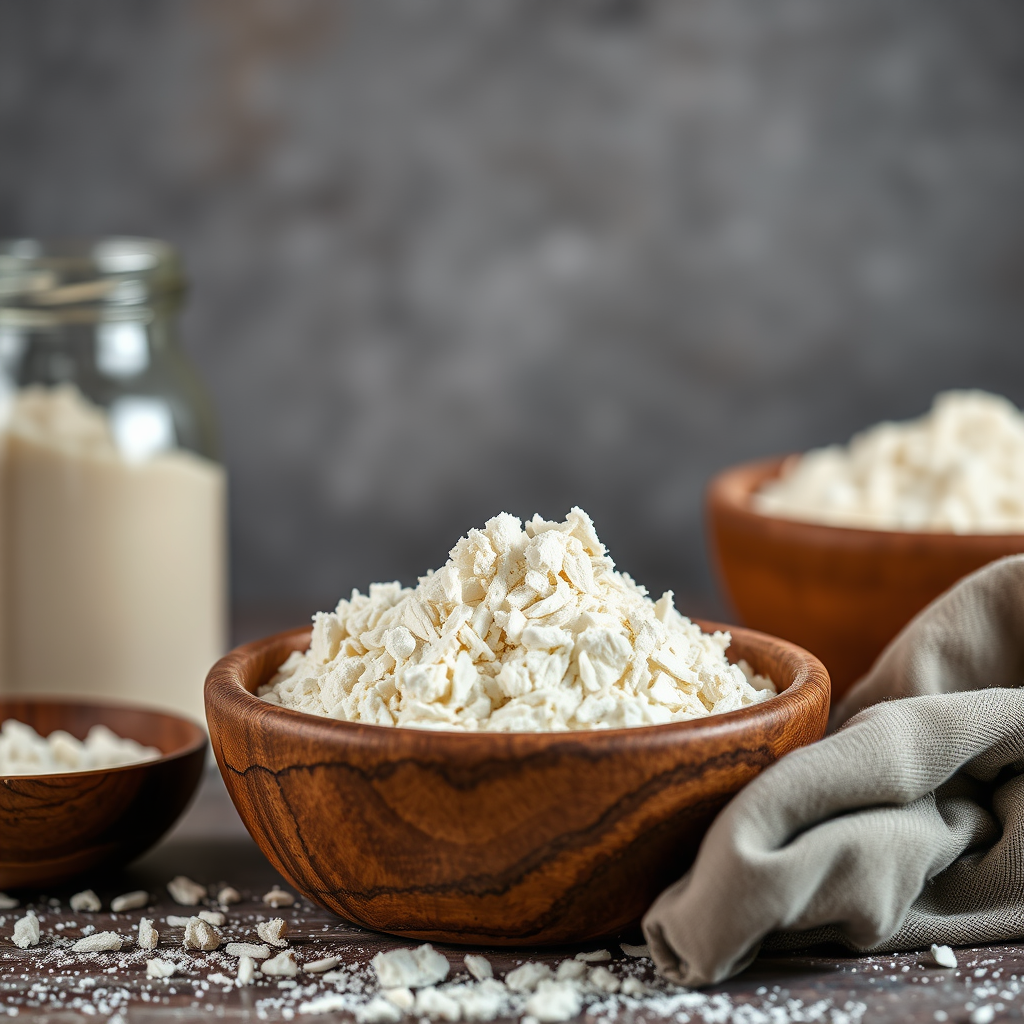
– Almond Flour: Almond flour is made from finely ground almonds and is revered for its rich nutrient profile. It contains healthy monounsaturated fats, is high in protein, and low in carbohydrates, making it a perfect candidate for keto baking. With approximately 2 grams of net carbs per 1/4 cup, almond flour also adds a subtle nutty flavor that complements many recipes.
– Coconut Flour: Coconut flour is another popular choice among keto enthusiasts. This flour is made from dried coconut meat and is exceptionally high in fiber, which can aid in digestion and promote satiety. With about 6 grams of net carbs per 1/4 cup, coconut flour absorbs moisture more effectively than other flours, which means it often requires additional liquid in recipes. Its unique flavor profile works well in both sweet and savory dishes.
– Flaxseed Meal: Flaxseed meal consists of ground flaxseeds and is known for its impressive omega-3 fatty acid content, making it a heart-healthy option. It has about 1 gram of net carbs per 2 tablespoons, making it extremely low in carbohydrates. Additionally, flaxseed meal adds a delightful nutty flavor and can be used as an egg substitute in vegan recipes, which can be particularly useful for those with dietary restrictions.
Nutritional Comparison of Keto Flours
When comparing traditional flours to keto-friendly options, the differences in their carbohydrate content are striking. For example, a typical serving of all-purpose flour contains around 24 grams of net carbs, while almond flour has just 2 grams, coconut flour has 6 grams, and flaxseed meal has only 1 gram. These substantial reductions in carb counts make keto flours favorable for those seeking to maintain ketosis.
Moreover, the health benefits of keto-friendly flours extend beyond their low-carb nature. Almond flour is high in vitamin E and magnesium, coconut flour is rich in dietary fiber, and flaxseed meal is an excellent source of lignans, compounds that may contribute to cancer prevention and heart health. By incorporating these flours into your diet, you not only adhere to keto guidelines but also enhance your nutritional intake.
How to Use Keto Flours in Recipes
Transitioning to keto-friendly flours from traditional flours involves a few adjustments in your cooking and baking practices. Here are some tips for successful substitution:
1. Almond Flour: When replacing all-purpose flour with almond flour, use a 1:1 ratio for most recipes. However, since almond flour does not have gluten, which provides structure, consider adding a binding agent like eggs or xanthan gum to improve texture.
2. Coconut Flour: Due to its high absorbency, coconut flour requires more liquid. A common guideline is to use 1/4 to 1/3 of the amount of coconut flour compared to traditional flour. For every 1/4 cup of coconut flour used, add an additional egg to provide moisture and structure.
3. Flaxseed Meal: Flaxseed meal can be used as a direct substitute in recipes but is particularly effective in baked goods. To create a flax egg (a vegan egg substitute), mix one tablespoon of flaxseed meal with two and a half tablespoons of water, letting it sit for a few minutes until it thickens.
These adjustments will ensure that your recipes maintain the desired flavor and texture while keeping carb counts low.
Potential Challenges with Keto Flours
While keto flours provide numerous benefits, they can also present challenges in the kitchen. One common issue is texture; for instance, baked goods made with almond flour can be denser than those made with traditional flour. Similarly, coconut flour’s absorbency can lead to overly dry products if not balanced with adequate moisture.
To overcome these challenges, consider the following solutions:
– Mixing Flours: Combining different keto flours can yield better results. For example, using a blend of almond and coconut flour can provide a balance of moisture and structure.
– Adjusting Baking Times: Keto flours can sometimes require different baking times. Keep a close eye on your creations to prevent overbaking, which can lead to dry textures.
– Experimenting with Recipes: Don’t hesitate to experiment with recipes to find the right balance. Follow tried-and-true keto recipes as a starting point to understand how different flours behave.
Creative Ways to Incorporate Keto Flours
There are countless ways to incorporate keto-friendly flours into your diet. Here are some creative recipe ideas:
– Pancakes: Almond flour pancakes are a popular breakfast option. Simply mix almond flour, eggs, baking powder, and a pinch of salt for a delicious low-carb morning treat.
– Bread: Coconut flour can be used to create fluffy, keto-friendly bread. Combine coconut flour with eggs, baking powder, and your choice of seasonings for a flavorful loaf.
– Cookies: Flaxseed meal can be a star ingredient in keto cookies. Try mixing flaxseed meal with almond flour, butter, and sugar substitutes for a satisfying snack.
– Savory Dishes: Keto flours can also enhance savory dishes. Use almond flour for coating chicken or fish for frying or baking, or add coconut flour to thicken sauces and soups.
These ideas not only keep your meals interesting but also allow you to explore the versatility of keto-friendly flours in various culinary applications.
Where to Find Keto-Friendly Flours
Keto-friendly flours can be easily found in many health food stores, grocery chains, and online retailers. Popular options include:
– Grocery Stores: Many mainstream grocery stores have started carrying a selection of keto flours in their health food aisles. Look for brands like Bob’s Red Mill or Anthony’s Goods.
– Health Food Stores: Stores specializing in health foods often offer a broader range of options, including organic and specialty flours.
– Online Retailers: Websites like Amazon, Thrive Market, and Vitacost provide a convenient way to purchase keto flours. When buying online, pay attention to product reviews and ratings to ensure quality and freshness.
When purchasing keto flours, check for packaging dates and opt for products that are sealed tightly to maintain freshness. Proper storage in a cool, dry place can also extend shelf life.
By exploring these options, you can easily find quality keto-friendly flours to incorporate into your diet.
Summarizing the various keto-friendly flours, it’s clear that options like almond, coconut, and flaxseed meal can help you maintain a successful keto diet. By understanding their uses and benefits, you can easily incorporate them into your meals. Take the time to experiment with these alternatives, explore new recipes, and enjoy the delicious and nutritious world of keto baking and cooking!
Frequently Asked Questions
What types of flour are considered keto-friendly?
Keto-friendly flours typically include almond flour, coconut flour, and flaxseed meal. Almond flour is low in carbs and high in healthy fats, making it a favorite for baking. Coconut flour is another popular choice, known for its high fiber content, which helps with satiety. Additionally, flaxseed meal is rich in omega-3 fatty acids and can be used for thickening or as an egg substitute in recipes.
How can I substitute regular flour with keto-friendly flour in recipes?
When substituting regular flour with keto-friendly options, it’s essential to adjust the quantity and liquid content due to differences in absorbency. Generally, almond flour can replace regular flour at a 1:1 ratio, but you may need to add extra binding agents like eggs. For coconut flour, use only about 1/4 of the amount of regular flour, as it absorbs much more moisture, and increase the liquid components in your recipe accordingly.
Why is it important to choose keto-friendly flour when following a low-carb diet?
Choosing keto-friendly flour is crucial for maintaining ketosis, a metabolic state where the body burns fat for fuel instead of carbohydrates. Regular flours can be high in carbohydrates, which can quickly elevate blood sugar levels and kick you out of ketosis. By opting for low-carb alternatives, you can enjoy your favorite baked goods while adhering to your dietary goals without sacrificing taste or texture.
What is the best keto flour for baking bread?
The best keto flour for baking bread is often almond flour due to its fine texture and ability to create a moist, fluffy loaf. When combined with other ingredients like eggs and baking powder, almond flour helps achieve a bread-like consistency. Some recipes also incorporate psyllium husk for added texture and structure, making it easier to create satisfying low-carb bread.
Which flour should I avoid on a keto diet?
On a keto diet, you should avoid high-carb flours such as all-purpose flour, whole wheat flour, and even some gluten-free flours like oat flour or brown rice flour. These flours contain significant amounts of carbohydrates, which can hinder your ability to stay in ketosis. Instead, focus on low-carb alternatives that support your dietary needs and help you reach your health goals effectively.