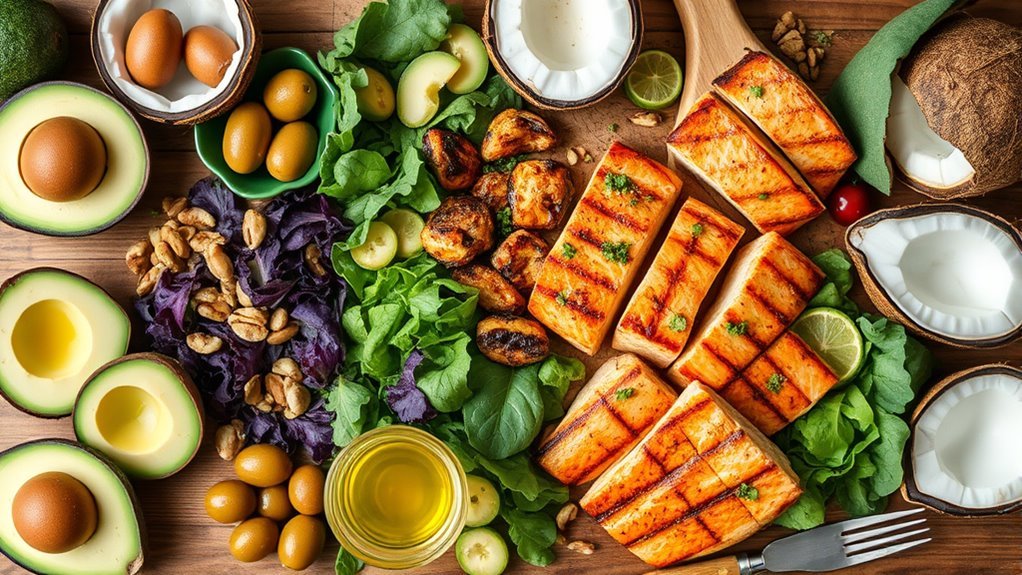

The keto diet consists of drastically reducing carb intake while increasing healthy fats to trigger ketosis, a metabolic state where your body burns fat for energy instead of glucose. Typically, you’ll aim for 70-75% fats, 20-25% proteins, and 5-10% carbohydrates. You’ll enjoy foods like avocados, nuts, and leafy greens, while avoiding high-carb items like bread and sugary snacks. There’s much more to explore about meal planning and nutrient needs to guarantee your success on this journey.
Understanding Ketosis: The Science Behind the Keto Diet
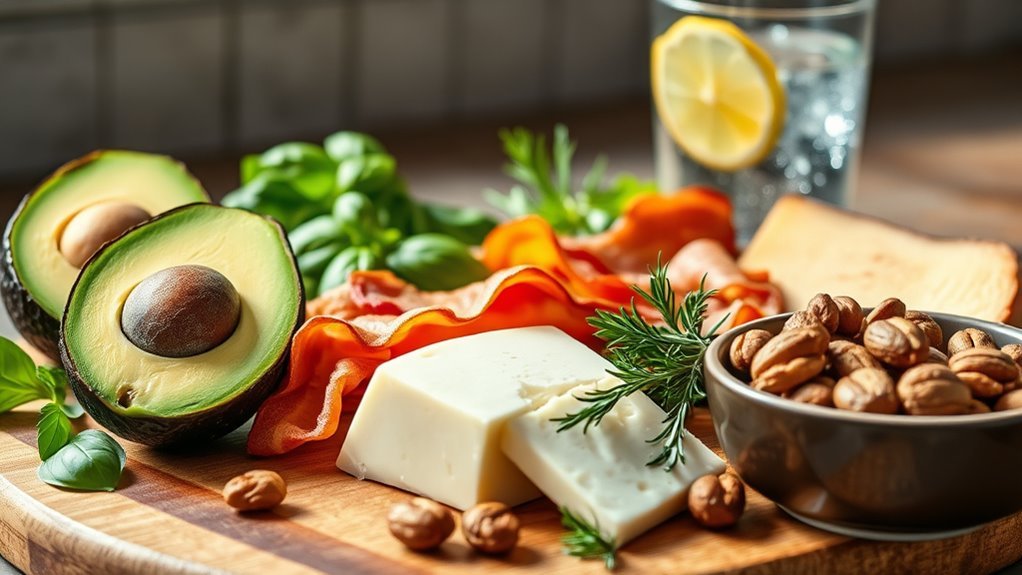
When you commence on the keto diet, you’re fundamentally aiming to shift your body into a metabolic state known as ketosis. This ketosis process allows your liver to convert fats into ketone bodies, which serve as an alternative energy source. As your body adapts through fat adaptation, you’ll experience improved energy production while regulating blood sugar levels. This shift typically lowers your insulin response, contributing to effective weight loss. Additionally, ketosis aids in appetite regulation, helping you feel fuller for longer. Embracing this metabolic state can lead to enhanced liver function and overall well-being. Understanding these mechanisms empowers you, giving you the freedom to make informed choices about your health journey.
Macronutrient Breakdown: Fats, Proteins, and Carbs
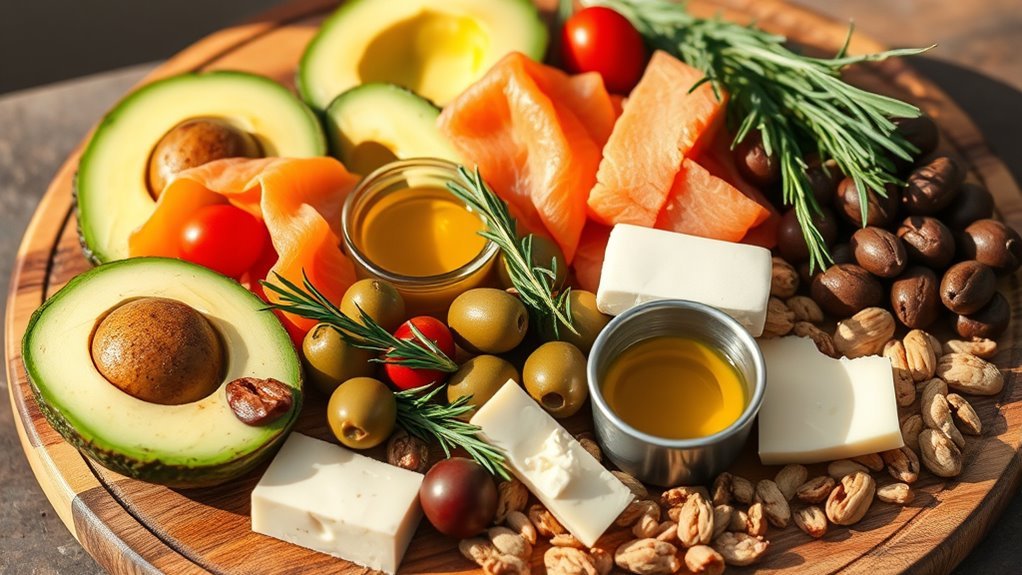
To successfully navigate the keto diet, understanding the macronutrient breakdown is essential. The key to this diet lies in the keto macronutrient ratios, which typically consist of approximately 70-75% fats, 20-25% proteins, and only 5-10% carbohydrates. This high-fat intake is vital for achieving ketosis, where your body uses fat as its primary fuel source. It’s important to maintain a proper fat protein balance; while proteins are necessary for muscle maintenance and other bodily functions, excessive protein can be converted to glucose, hindering ketosis. By focusing on healthy fats—like avocados, nuts, and oils—you can enjoy meals while promoting energy and freedom from cravings. Understanding these ratios helps you make informed choices for a successful keto experience.
Foods to Enjoy on the Keto Diet
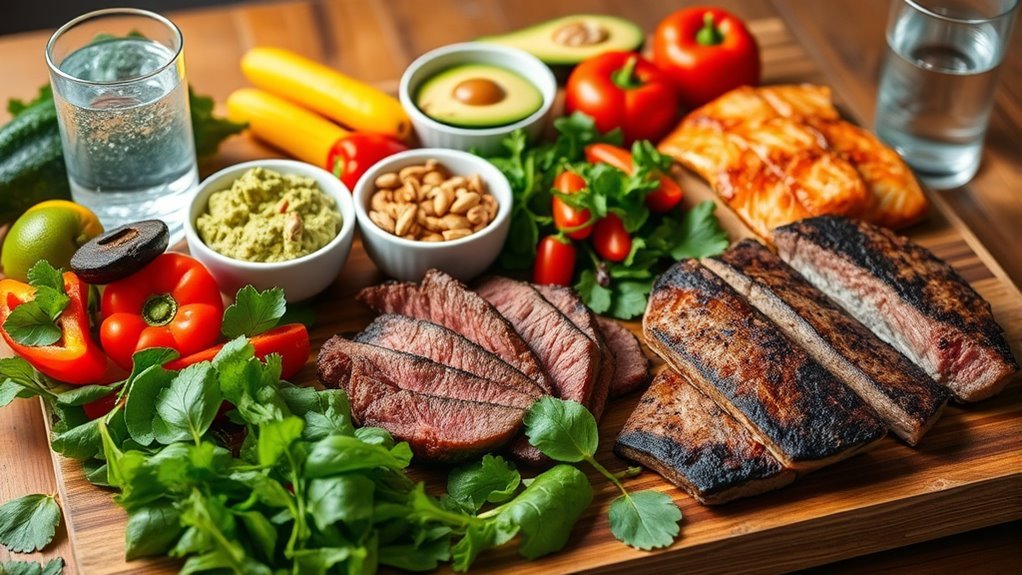
When you’re on the keto diet, you’ll want to focus on enjoying low-carb vegetables, healthy fat sources, and protein-rich foods. Incorporating options like leafy greens, avocados, and fatty fish can help you maintain your macronutrient balance. These foods not only support your dietary goals but also provide essential nutrients for overall health.
Low-Carb Vegetables
Low-carb vegetables are essential allies in your ketogenic journey, providing vital nutrients while keeping your carbohydrate intake in check. Integrating keto friendly vegetables like spinach, kale, zucchini, and bell peppers into your meals enhances their nutrient density without compromising your diet. These vegetables are packed with vitamins, minerals, and antioxidants, essential for overall health and well-being.
Healthy Fats Sources
Incorporating healthy fats into your keto diet is essential for achieving and maintaining ketosis, and there are plenty of delicious options to choose from. Avocados offer numerous benefits, including heart-healthy monounsaturated fats. Explore various nut varieties and seeds selection for a crunchy, satisfying snack. Olive oil and coconut benefits are fantastic for cooking and drizzling on salads, while butter choices add richness to your meals. Cheese options, like cheddar and mozzarella, can enhance flavor while keeping carbs low. Fatty fish, such as salmon and mackerel, provide essential omega-3s. And don’t forget about dark chocolate—choose varieties with high cocoa content for a sweet treat that fits your lifestyle. Enjoy these healthy fats to fuel your body effectively!
Protein-Rich Foods
A well-rounded keto diet includes a variety of protein-rich foods that not only help meet your daily nutritional needs but also support muscle maintenance and satiety. Here are some great options to take into account:
- Lean meats: Chicken, turkey, and lean cuts of beef provide essential amino acids without excess fat.
- Plant proteins: Incorporate tofu, tempeh, and legumes for a nutrient-dense plant-based option.
- Dairy options: Greek yogurt, cheese, and full-fat milk offer protein along with beneficial fats.
- Protein shakes and snacks: Use these for convenient meal timing, especially post-workout, to replenish your body’s needs efficiently.
Foods to Avoid on the Keto Diet
Although the keto diet can be effective for weight loss and improved metabolic health, it is crucial to know which foods to avoid to maintain ketosis. High-carb foods like bread, pasta, rice, and sugary snacks can knock you out of ketosis, so steer clear of them. Fruits, while nutritious, can also be high in sugar, so limit those as well. Instead, focus on keto snack ideas like nuts and cheese, and consider keto meal prep to help you stay on track. Starchy vegetables like potatoes and corn should also be avoided, as they can spike your carb intake. By knowing what to exclude, you can enjoy the freedom of a successful keto lifestyle while achieving your health goals.
Meal Planning for Success on Keto
Meal planning is a vital step for successfully following the keto diet. By incorporating essential keto ingredients and utilizing effective weekly meal prep tips, you can simplify your cooking routine and stay on track. This approach not only helps maintain your macronutrient balance but also saves time during busy weeks.
Essential Keto Ingredients
When planning for success on a keto diet, incorporating essential ingredients into your meals can make all the difference. Focus on these keto staples to elevate your culinary experience:
- Healthy Fats: Avocado, olive oil, and coconut oil are key for meeting your fat intake.
- Low-Carb Vegetables: Spinach, zucchini, and cauliflower provide essential nutrients while keeping carbs low.
- Quality Proteins: Grass-fed meats, eggs, and fish are excellent sources that support muscle maintenance.
- Essential Oils: Consider using oils like rosemary and peppermint to enhance flavor and offer health benefits.
Weekly Meal Prep Tips
To guarantee success on your keto journey, effective weekly meal prep can greatly simplify your routine and help you stick to your dietary goals. Start by planning your meals around keto-friendly ingredients, ensuring you have a good mix of fats, proteins, and low-carb vegetables. Invest in quality meal prep containers to keep your meals fresh and organized. Prepare keto-friendly snacks, like nuts or cheese slices, to curb cravings between meals. Batch-cook proteins, and roast vegetables, making it easy to assemble meals quickly. Label your containers to avoid confusion during the week. By dedicating a few hours to meal prep, you’ll enjoy the freedom of having delicious, keto-compliant meals ready to go, keeping you focused on your health goals.
Common Mistakes to Avoid When Starting Keto
Although starting the keto diet can be an exciting journey toward better health, many newcomers stumble due to common pitfalls. To help you stay on track, here are four mistakes to avoid:
Starting the keto diet can be thrilling, but beware of common mistakes that can hinder your success.
- Ignoring Keto Misconceptions: Don’t fall for myths like “you can’t eat carbs at all.” Balance is key.
- Neglecting Meal Timing: Eating at irregular times can impact your body’s adaptation to ketosis.
- Not Tracking Macros: It’s vital to stay within your fat, protein, and carb limits for success.
- Overlooking Nutrient Density: Focus on whole foods; processed options can derail your progress.
The Importance of Hydration and Electrolytes
Staying properly hydrated is essential for anyone on the keto diet, especially since the body excretes more water and electrolytes during ketosis. To maintain ideal hydration, aim to drink plenty of water throughout the day. Simple hydration tips include infusing your water with lemon or cucumber for flavor, making it more enjoyable. Keep an eye on your electrolyte balance, too. Since low-carb diets can lead to a decrease in sodium, potassium, and magnesium levels, consider incorporating foods rich in these minerals, like leafy greens and avocados. Additionally, broth can be a great source of electrolytes. Remember, ensuring adequate hydration and balanced electrolytes can help you feel your best and support your keto journey effectively.
Supplements to Consider on a Keto Diet
When you’re on a keto diet, certain supplements can help support your overall health. Essential electrolyte supplements can aid in maintaining proper hydration, while omega-3 fatty acids offer anti-inflammatory benefits. Additionally, incorporating MCT oil can enhance your energy levels and improve ketone production, making it a valuable addition to your regimen.
Essential Electrolyte Supplements
As you begin a ketogenic diet, it’s essential to reflect on the role of important electrolyte supplements. Maintaining electrolyte balance is significant, especially since the diet can lead to deficiencies. Here are some key supplements to take into account:
- Sodium: Monitor your sodium intake to prevent fatigue and cramping.
- Potassium Sources: Incorporate potassium-rich foods like avocados and spinach to support muscle function.
- Magnesium Benefits: Magnesium can help with sleep and muscle relaxation, making it an important addition.
- Calcium Importance: Don’t overlook calcium for bone health, especially if dairy is limited in your plan.
Also, keep hydration tips in mind and pay attention to supplement timing to avoid electrolyte deficiency. Balancing these elements can enhance your keto experience.
Omega-3 Fatty Acids
Incorporating omega-3 fatty acids into your ketogenic diet can greatly enhance your overall health, especially considering the diet’s higher fat content. Omega-3s are essential fats that offer numerous benefits, including reducing inflammation and supporting heart health. While fatty fish like salmon and sardines are excellent omega-3 sources, you might also consider supplements like fish oil or algae oil, especially if you’re not consuming enough fish. These supplements can help you meet your daily omega-3 needs without straying from your keto goals. Regularly including omega-3s in your diet not only bolsters your nutrition but also promotes mental clarity and cognitive function, making it a valuable addition to your keto lifestyle.
MCT Oil Benefits
MCT oil, known for its unique composition of medium-chain triglycerides, offers several benefits that can complement your ketogenic diet effectively. Incorporating MCT oil can enhance your overall health and support your keto goals. Here are some key benefits:
- Mental Clarity: MCT oil provides quick energy for your brain, improving focus and cognitive function.
- Weight Loss: It can help you feel fuller longer, reducing cravings and aiding in weight management.
- Energy Boost: MCT oil rapidly converts into fuel, providing a burst of energy for daily activities or workouts.
- Digestive Health: It promotes gut health by supporting beneficial bacteria and improving nutrient absorption.
Adding MCT oil to your regimen may considerably enhance your athletic performance and overall well-being.
Adapting the Keto Diet for Different Lifestyles
Adapting the keto diet to fit your lifestyle can make it more sustainable and enjoyable. Whether you’re an athlete needing extra energy or a family looking for nutritious meals, customizing your approach is key.
Here’s a quick guide:
| Lifestyle | Keto Adjustments | Benefits |
|---|---|---|
| Athletes | Increase healthy fats and carbs pre/post workout | Boosts performance and recovery |
| Families | Incorporate kid-friendly keto meals | Encourages healthy eating habits |
| Busy Professionals | Meal prep and easy snacks | Saves time and maintains ketosis |
| Social Eaters | Plan for social events | Enjoy meals while staying on track |
| Beginners | Start slow and track progress | Builds confidence in keto |
With these adaptations, you can enjoy the freedom of a keto lifestyle tailored just for you.
Monitoring Your Progress and Adjusting Your Diet
As you commence your keto journey, monitoring your progress is essential to guarantee you’re on the right track and making necessary adjustments. Effective progress tracking can help you understand what’s working and what isn’t. Here are four key areas to focus on:
Monitoring your progress on your keto journey is crucial for making informed adjustments and ensuring success.
- Weight Changes: Regularly check your weight to assess fat loss.
- Ketone Levels: Use ketone strips or a meter to measure your ketone levels.
- Energy Levels: Note any changes in your daily energy and overall mood.
- Dietary Adjustments: Be ready to tweak your carb intake based on your results.
What is the keto diet?
The ketogenic diet, commonly known as the keto diet, is a low-carb, high-fat diet that aims to put your body into a state of ketosis. In ketosis, your body becomes incredibly efficient at burning fat for energy instead of carbohydrates. This diet typically consists of approximately 70-75% fats, 20-25% protein, and only about 5-10% carbohydrates.
What foods are included in the keto diet?
The keto diet primarily includes foods that are high in fats and low in carbohydrates. Common foods include:
- Healthy fats such as avocados, olive oil, and coconut oil
- Meats like beef, pork, chicken, and fatty fish
- Low-carb vegetables such as leafy greens, broccoli, and cauliflower
- Dairy products like cheese, cream, and butter
- Nuts and seeds, such as almonds and chia seeds
Foods high in sugar and starch, like bread, pasta, and most fruits, are generally avoided.
What are the potential benefits of following a keto diet?
The keto diet offers several potential benefits, including:
- Weight loss: By shifting the body’s energy source from carbohydrates to fats, many people experience significant weight loss.
- Improved blood sugar levels: The diet may help stabilize blood sugar levels, making it beneficial for those with type 2 diabetes.
- Enhanced mental focus: Some people report better concentration and mental clarity when in ketosis.
- Increased energy levels: As the body becomes more efficient at burning fat for fuel, energy levels may improve.
Are there any risks associated with the keto diet?
While the keto diet may offer benefits, there are potential risks to consider:
- Keto flu: Some individuals experience flu-like symptoms when transitioning to the diet, including fatigue, headaches, and irritability.
- Nutrient deficiencies: Limiting carbohydrate intake may lead to a lack of essential nutrients if not properly managed.
- Increased cholesterol levels: Some people may experience elevated cholesterol levels, which could pose cardiovascular risks.
- Difficulty maintaining the diet: The restrictive nature of the diet may make it challenging to adhere to long-term.
Consulting with a healthcare provider before starting the keto diet is advisable, especially for individuals with pre-existing health conditions.
How do I start the keto diet?
To start the keto diet, follow these steps:
- Calculate your macronutrient needs: Determine your daily calorie intake and set your carb, fat, and protein ratios based on keto guidelines.
- Plan your meals: Prepare a meal plan that focuses on high-fat, low-carb foods, and consider using keto-friendly recipes.
- Gradually reduce carbs: Slowly decrease your carbohydrate intake to help your body adjust to the new diet.
- Stay hydrated: Drink plenty of water to help mitigate potential side effects and support overall health.
- Monitor your progress: Keep track of your weight, energy levels, and overall well-being as you adapt to the keto lifestyle.
It’s important to listen to your body and make adjustments as needed.
References
- https://en.wikipedia.org/wiki/Ketogenic_diet
- https://www.ncbi.nlm.nih.gov/pmc/articles/PMC6831203/
- https://www.healthline.com/nutrition/what-is-a-keto-diet
- https://www.cdc.gov/healthyweight/healthy_eating/dietary_guidelines.html
- https://www.bbc.co.uk/news/health-50875354
- https://www.mayoclinic.org/healthy-lifestyle/nutrition-and-healthy-eating/expert-answers/keto-diet/faq-20439362
- https://www.webmd.com/diet/what-is-the-keto-diet
- https://www.hsph.harvard.edu/nutritionsource/healthy-weight/diet-reviews/ketogenic-diet/