

The ketogenic diet, often referred to as keto, is a high-fat, low-carbohydrate eating plan aimed at promoting fat-based energy use instead of carbohydrates. By drastically reducing carbohydrate intake and increasing fat consumption, the keto diet encourages the body to enter a metabolic state known as ketosis, where fat is burned for fuel. In this article, you’ll learn the key principles of the keto diet, its benefits, and how it works to help achieve weight loss and better health.
What is the Ketogenic Diet?
The ketogenic diet is characterized by a significant reduction in carbohydrate intake, often to less than 50 grams per day, which is typically around 5-10% of total daily caloric intake. In contrast, the diet places a strong emphasis on the intake of fats, which can constitute about 70-80% of total calories, while protein makes up the remaining 15-25%. This macronutrient ratio is designed to shift the body’s metabolism away from glucose, the primary energy source derived from carbohydrates, towards fat and ketones.
The composition of a ketogenic diet typically includes healthy fats from sources such as avocados, nuts, seeds, and oils, along with moderate protein sources such as meat, fish, and eggs, and a limited selection of low-carbohydrate vegetables. This dietary shift not only helps to harness fat as a primary energy source but also minimizes insulin spikes associated with carbohydrate consumption, potentially improving metabolic health and stabilizing blood sugar levels.
How Does Keto Work?
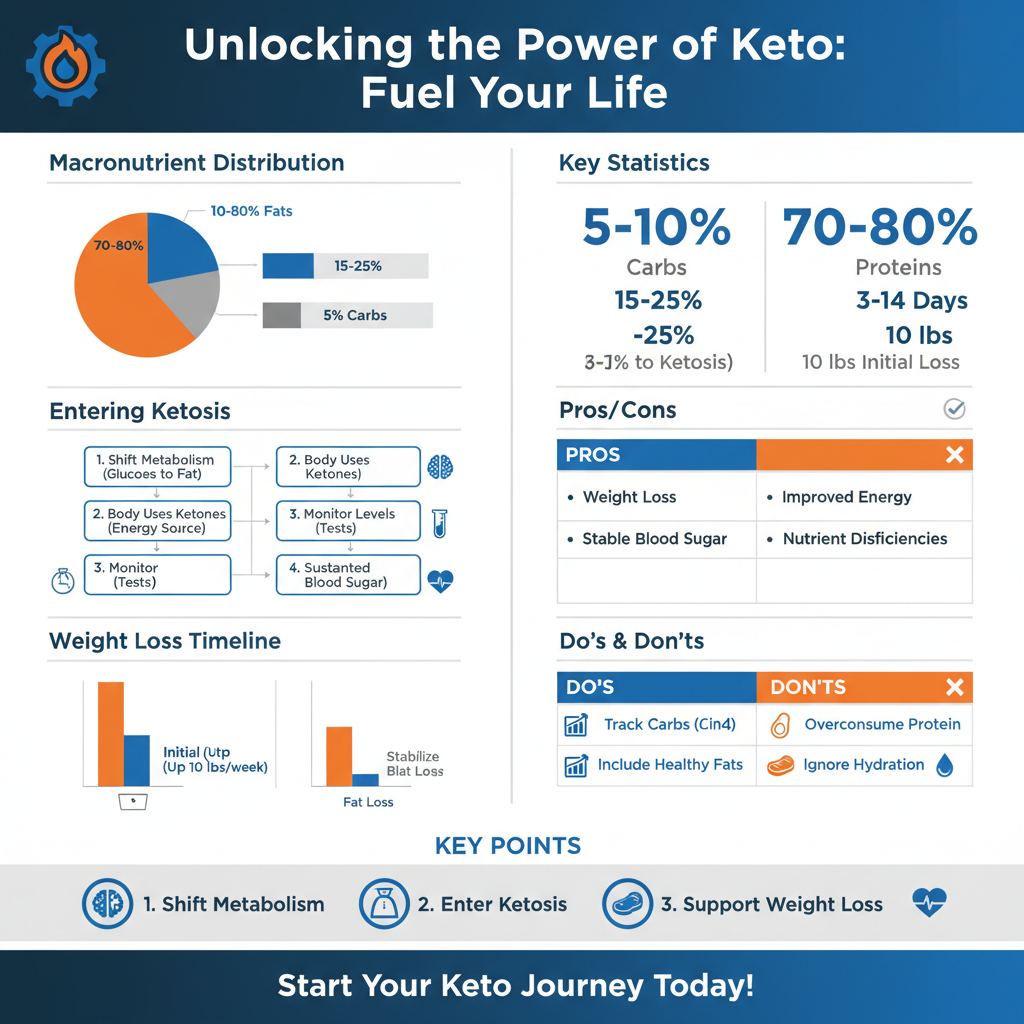

When the body is deprived of carbohydrates, it enters a metabolic state known as ketosis. In ketosis, the liver begins to convert fatty acids from stored fat into ketones, which serve as an alternative fuel source for the brain and body. This process is highly efficient and allows the body to maintain energy levels even in the absence of carbohydrates.
As ketone levels rise, the reliance on glucose diminishes, leading to a state where fat becomes the predominant fuel source. This metabolic shift can take anywhere from a few days to a couple of weeks, depending on the individual’s previous diet and activity level. Monitoring ketone levels through blood, urine, or breath tests can help individuals understand their state of ketosis and adjust their dietary intake accordingly.
Benefits of the Keto Diet
The ketogenic diet has gained popularity for its potential health benefits, particularly in the realm of weight loss. Many individuals report significant initial weight loss, primarily due to water weight loss and the body’s adaptation to fat metabolism. Over time, adhering to a keto regimen can lead to sustained fat loss, improved body composition, and reduced body fat percentage.
In addition to weight loss, many users experience enhanced mental clarity and cognitive function. Ketones are a more stable energy source for the brain compared to glucose, which can lead to improved focus and concentration. Some studies suggest that ketogenic diets may also provide therapeutic benefits for conditions such as epilepsy, type 2 diabetes, and even certain neurodegenerative diseases.
Foods to Eat on a Keto Diet
To successfully navigate the ketogenic diet, it’s crucial to focus on nutrient-dense, low-carbohydrate foods. Here are some categories of foods to incorporate into a keto meal plan:
– Healthy fats: Foods such as avocados, olive oil, coconut oil, butter, and nuts (such as almonds and macadamias) are excellent sources of healthy fats.
– Low-carb vegetables: Leafy greens (spinach, kale), broccoli, cauliflower, zucchini, and bell peppers are nutritious choices that provide essential vitamins and minerals without excessive carbohydrates.
– Proteins: High-quality protein sources including fatty fish (salmon, mackerel), grass-fed beef, poultry, and eggs should be included to meet protein needs without overstepping carbohydrate limits.
In addition to these food groups, various low-carb snacks such as cheese, hard-boiled eggs, and beef jerky can help keep hunger at bay while adhering to the keto guidelines.
Foods to Avoid on a Keto Diet
To achieve and maintain ketosis, certain foods should be strictly avoided due to their high carbohydrate content:
– Sugary foods: This includes processed sweets, desserts, candies, and sugary beverages such as soda and juice, all of which can quickly elevate blood sugar levels and disrupt ketosis.
– Grains and starches: Bread, pasta, rice, potatoes, and cereals are high in carbohydrates and should be eliminated from a ketogenic diet. These foods can lead to significant insulin reactions and hinder fat-burning processes.
Additionally, it’s advisable to be cautious with certain fruits, as many are high in sugars. Berries, in moderation, are generally acceptable while tropical fruits like bananas and pineapples should be avoided.
Common Misconceptions about Keto
Despite its growing popularity, the ketogenic diet is often surrounded by misconceptions that can hinder its effectiveness or discourage potential followers:
– It’s not just a high-fat diet: While the keto diet does emphasize fat intake, balance is crucial. Protein intake should be moderate to prevent gluconeogenesis, where excess protein is converted to glucose, thereby potentially disrupting ketosis.
– Keto is not suitable for everyone: Individuals with specific health conditions, such as pancreatitis, liver disease, or certain metabolic disorders, may find the keto diet unsuitable or even harmful. It is important to consult with a healthcare professional before starting any new diet, especially one as restrictive as keto.
Getting Started with Keto
Starting a ketogenic diet can be a transformative experience, but it requires careful planning and commitment. Here are some actionable steps to help you get started:
– Meal planning: Develop a weekly meal plan that includes keto-friendly foods. This will help ensure that you have the right ingredients on hand and reduce the temptation to stray from the diet.
– Tracking macronutrients: Utilize apps or food diaries to keep track of your daily macronutrient intake. This will help you stay within the recommended ratios of fats, proteins, and carbohydrates.
– Seek professional guidance: If you’re new to the ketogenic diet, consulting a healthcare professional or nutritionist can provide personalized advice and help you navigate the transition safely.
Transitioning to a ketogenic lifestyle may come with an adjustment period, known as the “keto flu,” where individuals may experience fatigue, headaches, or irritability as their bodies adapt. Staying hydrated, ensuring adequate electrolyte intake, and gradually reducing carbohydrate consumption can help mitigate these symptoms.
With a clear understanding of what keto means and how it operates, you can make informed decisions about whether this diet aligns with your health goals. Explore recipes, connect with communities, and consider trying keto to see how it might work for you! Remember that every individual’s journey is unique, so it’s essential to listen to your body and adjust your approach as needed.
Frequently Asked Questions
What does it mean to be on a keto diet?
The keto diet, short for ketogenic diet, is a low-carb, high-fat dietary approach designed to shift the body into a metabolic state called ketosis. In ketosis, the body becomes efficient at burning fat for energy instead of carbohydrates, which can lead to weight loss and improved energy levels. The typical macronutrient breakdown for a keto diet is about 70-75% fats, 20-25% protein, and only 5-10% carbohydrates.
How does the keto diet work for weight loss?
The keto diet promotes weight loss by drastically reducing carbohydrate intake, which lowers insulin levels and shifts the body’s energy source from glucose to fat. When carbohydrates are limited, the liver converts fats into ketones, which serve as an alternative energy source. This process not only encourages fat burn but also helps control hunger, making it easier to maintain a calorie deficit necessary for weight loss.
Why do people choose the keto diet over other diets?
Many individuals choose the keto diet for its potential to promote rapid weight loss, enhance mental clarity, and stabilize blood sugar levels. Unlike traditional low-fat diets, keto allows for higher fat consumption, which can be more satisfying and lead to reduced cravings. Additionally, some people report increased energy levels and improved athletic performance while following the ketogenic lifestyle.
What are the best foods to eat on a keto diet?
The best foods for a keto diet include healthy fats like avocados, olive oil, and nuts, as well as fatty cuts of meat, fish, eggs, and low-carb vegetables such as leafy greens, broccoli, and zucchini. Dairy products like cheese and heavy cream are also popular, provided they are low in carbohydrates. It’s essential to avoid high-carb foods such as grains, sugars, and most fruits to stay in ketosis.
Which common mistakes should I avoid when starting a keto diet?
Common mistakes to avoid on a keto diet include not tracking your macronutrient intake, which can lead to unintentional carb overconsumption, and neglecting to drink enough water and electrolytes, which can cause dehydration and the “keto flu.” Additionally, some beginners might rely too heavily on processed low-carb foods that may still contain unhealthy ingredients, so focusing on whole, nutrient-dense foods is crucial for long-term success.
References
- Ketogenic diet
- https://www.ncbi.nlm.nih.gov/pmc/articles/PMC7072041/
- The Ketogenic Diet: A Detailed Beginner’s Guide to Keto
- https://www.jamanetwork.com/journals/jama/fullarticle/2761549
- https://www.mayoclinic.org/healthy-lifestyle/nutrition-and-healthy-eating/expert-answers/ketogenic-diet/faq-20057744
- https://www.cdc.gov/healthyweight/assessing/bmi/adult_bmi/english_bmi_calculator/bmi_calculator.html
- https://www.webmd.com/diet/what-is-the-keto-diet
- https://www.hsph.harvard.edu/nutritionsource/keto-diet/