

Keto breath typically has a distinct taste that can be described as fruity or metallic, often likened to the smell of nail polish remover due to the presence of acetone. This phenomenon occurs as your body enters ketosis and starts burning fat for fuel. Understanding keto breath is essential for anyone embarking on a ketogenic diet, as it is a common indicator of your body’s metabolic shift. In this article, you will learn more about what keto breath is, why it occurs, and how to manage it effectively.
What Causes Keto Breath?

The primary cause of keto breath is the breakdown of fats in the body, which leads to the production of ketones. Among these ketones, acetone is the most volatile and is released in significant quantities through both breath and urine. When you limit carbohydrate intake and increase fat consumption, your body transitions into a state known as ketosis. In this state, fat becomes the primary source of energy instead of glucose, resulting in the production of ketone bodies: acetoacetate, beta-hydroxybutyrate, and acetone.
Acetone, being the simplest ketone, is the one most often associated with the noticeable change in breath odor. As your liver metabolizes fat, it releases these ketones into the bloodstream, which can contribute to the unique taste and smell of your breath. This metabolic shift is viewed as a primary indicator that your body is effectively functioning in ketosis, which many individuals on the ketogenic diet strive to achieve for its various health benefits, including weight loss and improved mental clarity.
How Does Keto Breath Compare to Other Types of Bad Breath?
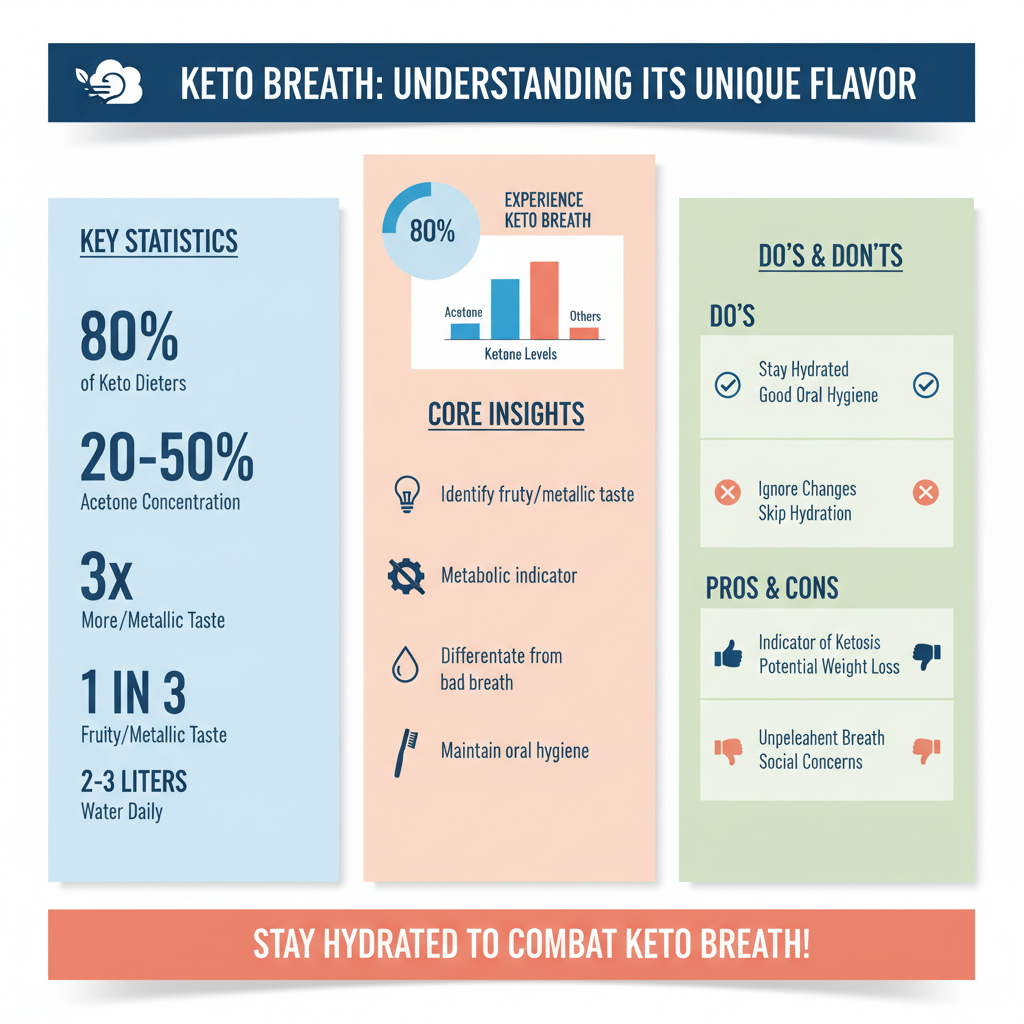

Keto breath differs significantly from traditional bad breath, which is often caused by poor oral hygiene, food particles, or the presence of bacteria in the mouth. While typical bad breath may smell foul or unpleasant due to the accumulation of plaque and bacteria, keto breath has a unique chemical flavor that can be described as fruity or similar to that of nail polish remover.
This distinction is crucial for individuals on a ketogenic diet, as it highlights the importance of understanding the source of the odor. For instance, while bad breath stemming from inadequate oral care can often be remedied through improved hygiene practices, keto breath is a symptom of a metabolic state rather than an indication of poor health or hygiene. Recognizing this difference can help individuals maintain their diet without unnecessary concern about their breath, as it is a natural byproduct of the fat-burning process.
Can Keto Breath Be Prevented or Reduced?
While keto breath is a common occurrence for those in ketosis, there are several strategies to help mitigate its intensity. Staying well-hydrated is one of the most effective methods, as adequate water intake can help dilute the concentration of ketones in your breath. Aim to drink at least eight 8-ounce glasses of water daily, and consider adding electrolytes to your water to further support your body’s adaptation to ketosis.
Incorporating sugar-free mints or chewing gum can also provide temporary relief from the flavor of keto breath. Opt for products that contain xylitol, a natural sweetener that not only masks the taste but also helps inhibit the growth of cavity-causing bacteria. Additionally, certain foods, like leafy greens and crunchy vegetables, can naturally clean your mouth and freshen your breath, making them excellent options while following the ketogenic diet.
Is Keto Breath Dangerous or Harmful?
Although keto breath can be unpleasant, it is important to note that it is not harmful. In fact, it is often viewed as a sign that your body is effectively burning fat for fuel. For those adhering to a ketogenic lifestyle, this metabolic response can indicate that you are on the right track towards achieving your health goals.
However, it is essential to monitor your body’s overall reaction to ketosis. If you experience any concerning symptoms, such as excessive fatigue, nausea, or signs of dehydration, it may be worthwhile to consult a healthcare professional. Understanding your body’s response to the ketogenic diet is critical for maintaining overall health and ensuring that you are reaping the benefits of your dietary choices.
How Long Does Keto Breath Last?
The duration of keto breath can vary significantly among individuals and is influenced by various factors, including dietary adherence and metabolic adaptation. For some people, keto breath may last only a few days, while others may experience it for several weeks. Generally, as your body becomes more accustomed to burning fat for fuel and enters a state of nutritional ketosis, the intensity of keto breath may decrease.
Regular monitoring of your diet and ensuring that you are consuming adequate nutrients can help facilitate this adaptation process. As your body becomes more efficient at utilizing fats, the production of acetone may stabilize, leading to a reduction in the noticeable odor associated with keto breath.
Tips for Managing Keto Breath
Managing keto breath effectively requires a combination of good oral hygiene practices and dietary adjustments. Regular dental hygiene, including brushing twice daily and flossing, can significantly help mitigate the taste and odor. Additionally, consider using mouthwash designed to combat bad breath, which can provide a temporary solution.
Incorporating foods rich in healthy fats, such as avocados, nuts, and olive oil, can also contribute to improved breath quality. These foods promote better digestion and may help balance the production of ketones in your body. Furthermore, including herbs like parsley, mint, and cilantro can offer natural breath-freshening properties.
Finally, engaging in regular physical activity can improve overall metabolic function, which may also help to minimize the effects of keto breath over time.
In summary, keto breath is a natural result of your body entering ketosis and can have a unique taste that some find unpleasant. While it is not harmful, there are effective methods to manage it, such as staying hydrated, practicing good oral hygiene, and incorporating breath-freshening foods into your diet. If you are experiencing this phenomenon, consider the tips provided and maintain good hydration and oral care to improve your experience on the keto diet.
Frequently Asked Questions
What does keto breath taste like?
Keto breath is often described as having a metallic or fruity taste, similar to acetone or nail polish remover. This unique flavor is caused by the production of ketones, specifically acetone, as your body transitions into ketosis while following a ketogenic diet. Many individuals report a sweet or sour undertone, which can be off-putting but typically diminishes as your body adapts to fat-burning.
How can I get rid of keto breath?
To combat keto breath, consider increasing your water intake to help flush out ketones, which can reduce the intensity of the odor. Chewing sugar-free gum or mints can also provide temporary relief by masking the taste and promoting saliva production. Additionally, incorporating more leafy greens or low-carb vegetables into your diet can help neutralize the smell over time.
Why does keto breath occur during a ketogenic diet?
Keto breath occurs as a result of the body’s metabolic shift from using carbohydrates to burning fat for energy. During this process, the liver produces ketones, including acetone, which is released through breath and urine. This transition often leads to the characteristic breath odor, especially in the early stages of the ketogenic diet when the body is still adjusting.
What are some common remedies for keto breath?
Common remedies for keto breath include staying hydrated, using mouthwash, and eating foods that are known to freshen breath, such as fresh herbs like parsley or mint. Incorporating more fiber-rich, low-carb foods can also help balance your diet and improve overall breath freshness. Regular dental hygiene, such as brushing and flossing, is crucial as well in maintaining oral health during the keto diet.
Which foods can help reduce keto breath?
Foods that can help reduce keto breath include fresh green vegetables like spinach and kale, which have a high water content and can aid in neutralizing odors. Additionally, incorporating healthy fats like coconut oil or avocado may also help mitigate the taste of keto breath. Herbal teas, particularly those with mint or ginger, can also provide a refreshing flavor and combat the unpleasant taste associated with ketosis.
References
- https://www.healthline.com/nutrition/keto-breath
- Breastfeeding vs. pumping: The pros and cons of each
- https://www.ncbi.nlm.nih.gov/pmc/articles/PMC6775130/
- https://www.webmd.com/diet/what-is-the-keto-diet
- https://www.mayoclinic.org/healthy-lifestyle/nutrition-and-healthy-eating/expert-answers/keto-diet/faq-20421769
- https://www.verywellfit.com/what-is-keto-breath-5186902