
Cheeses that are low in carbohydrates and high in fats, such as cheddar, mozzarella, and cream cheese, are excellent choices for a keto diet. In this article, we’ll explore various types of cheeses, their nutritional profiles, and how to incorporate them into your keto meal plan while staying within your carb limits. Understanding which cheeses are suitable can significantly enhance your culinary experience, ensuring that you enjoy rich flavors without compromising your dietary goals.
Understanding Keto-Friendly Cheese
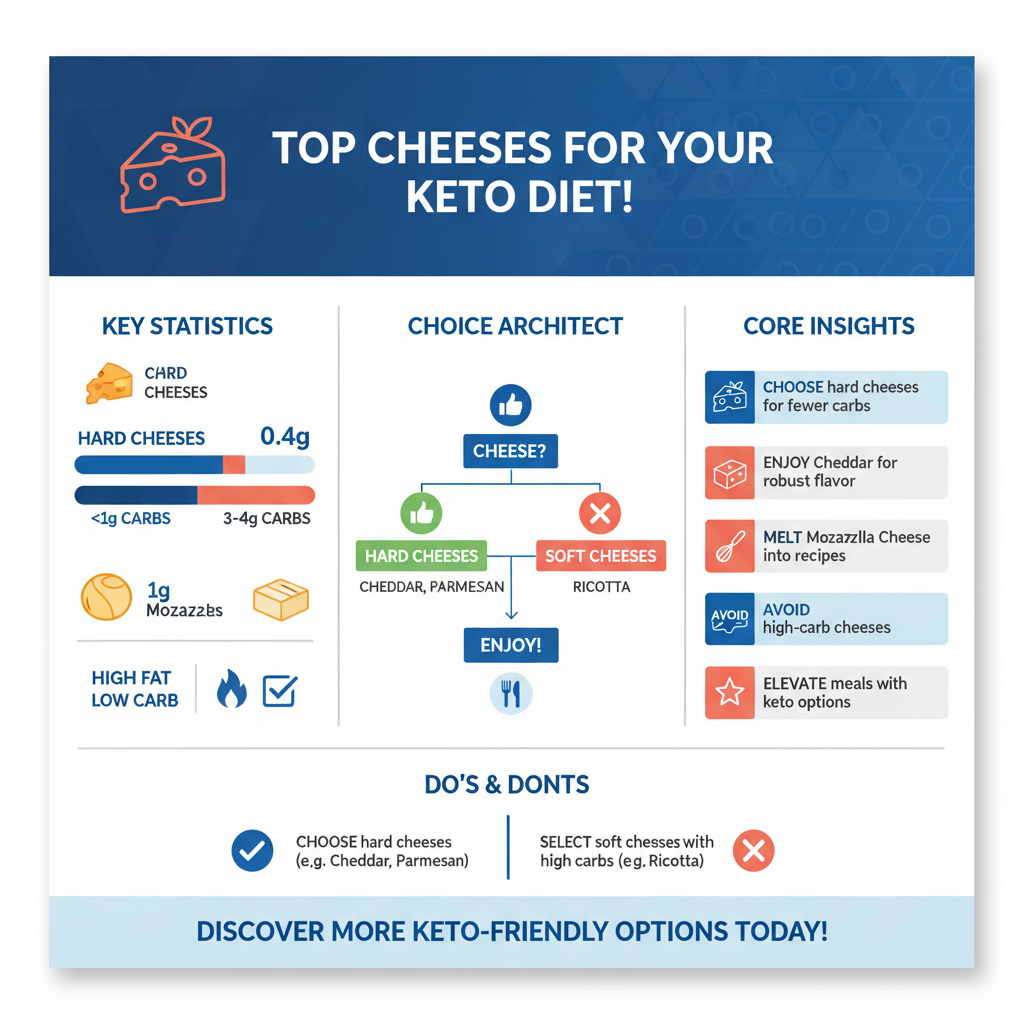
Keto-friendly cheeses are typically high in fat and low in carbohydrates, aligning perfectly with the macronutrient profile required for a ketogenic diet. Most hard cheeses contain fewer carbs compared to soft cheeses, making them ideal for those looking to reduce their carbohydrate intake. For instance, hard cheeses like Parmesan and cheddar often boast less than 1 gram of carbs per serving, while softer varieties like ricotta may contain 3-4 grams or more. This distinction is crucial for anyone monitoring their carb intake strictly. Furthermore, the fat content in keto-friendly cheeses not only contributes to flavor but also helps maintain energy levels and supports overall health on a low-carb diet.
Best Cheeses for a Keto Diet
Cheddar
Cheddar cheese is a versatile and robust option that is rich in fat and flavor. With approximately 0.4 grams of carbohydrates per ounce, it can seamlessly fit into any keto meal plan. Cheddar is not only delicious when eaten on its own but also enhances the taste of various dishes, from casseroles to salads. Its aging process intensifies its flavor, making it a popular choice for those who appreciate a strong, tangy taste.
Mozzarella
Mozzarella cheese is another excellent choice for a keto diet, particularly the whole-milk variety, which contains about 1 gram of carbohydrates per ounce. Its mild flavor and excellent melting qualities make it perfect for a variety of dishes, such as pizzas or baked casseroles. Additionally, mozzarella can be enjoyed fresh in salads or paired with tomatoes and basil for a classic Caprese salad, offering both nutritional benefits and culinary delight.
Cream Cheese
Cream cheese is a creamy delight that is incredibly versatile, often used in both savory and sweet recipes. With around 1 gram of carbohydrates per ounce, it can be blended into sauces, spread on low-carb breads, or used to create keto-friendly desserts. Its smooth texture allows it to be easily incorporated into dishes, making it a staple in many kitchens adhering to a ketogenic lifestyle.
Cheeses to Avoid on Keto
Processed Cheeses
Processed cheeses, such as American cheese slices, often contain additives and hidden carbs that can disrupt your keto diet. These cheeses may seem convenient, but they typically have higher carbohydrate counts due to starches and sugars added during production. Always check ingredient labels to ensure you are not consuming unnecessary carbohydrates that could derail your progress.
Soft Cheeses
While some soft cheeses can be enjoyed on a keto diet, others, like ricotta and cottage cheese, can be surprisingly higher in carbohydrates than expected. Ricotta, for instance, contains about 3-4 grams of carbs per ounce, which can add up quickly if you are not mindful of portion sizes. It’s essential to be selective and read nutritional labels when incorporating soft cheeses into your meal plan.
Tips for Incorporating Cheese in Your Meals
Cheese can be a delightful addition to various meals, enhancing both flavor and texture. One effective way to enjoy cheese is by using it as a topping for salads, omelets, and grilled meats. A sprinkle of feta or crumbled blue cheese can elevate a simple salad, while shredded cheddar can add richness to broccoli or cauliflower dishes.
Additionally, experimenting with cheese-based snacks can be a fun way to satisfy cravings while adhering to your keto guidelines. Cheese crisps, made by baking thin slices of cheese until crispy, serve as a crunchy snack alternative. You can also create cheese dips using cream cheese and herbs, which pairs beautifully with low-carb vegetables like celery or bell peppers.
Nutritional Benefits of Cheese
Beyond being a keto-friendly food, cheese provides numerous nutritional benefits that are essential for overall health. Cheese is a good source of calcium, which is vital for bone health, and it contains protein that supports muscle maintenance and growth. Furthermore, the beneficial fats found in cheese can promote satiety, helping you feel fuller for longer and reducing the temptation to snack on high-carb foods.
Moreover, cheese is rich in vitamins such as A, B12, and K2, which are crucial for various bodily functions, including immune support and bone health. Incorporating cheese into your diet can thus provide a range of benefits, making it a valuable component of a balanced keto lifestyle.
Portion Control and Serving Suggestions
While cheese is nutritious and keto-friendly, it’s important to practice portion control to avoid exceeding your daily carb limits. A typical serving size of cheese is about 1 ounce, which is roughly the size of a pair of dice. Monitoring your portions can help you stay within your carbohydrate goals while still enjoying the flavors and textures that cheese offers.
Pairing cheese with low-carb vegetables can also create a balanced snack or meal. For instance, serving cheese alongside cucumber slices, cherry tomatoes, or bell pepper strips can provide a satisfying crunch while keeping your overall carb intake low. This combination not only offers a variety of flavors but also adds valuable nutrients to your plate.
Exploring Cheese Alternatives
For those who may be lactose intolerant or prefer to avoid dairy, there are numerous cheese alternatives available. Dairy-free cheeses made from nuts, such as cashews or almonds, can provide a similar texture and flavor profile. Options like nutritional yeast can also offer a cheesy flavor without the carbs, making them a popular choice for vegan keto diets.
When selecting cheese alternatives, it’s crucial to check labels carefully to ensure they fit within your keto guidelines. Many alternatives may contain added sugars or high-carb ingredients, which can negate their benefits. Opt for brands that prioritize whole food ingredients and minimal processing to ensure you are making healthy choices.
Summarizing the key points, keto-friendly cheeses like cheddar and mozzarella can be delightful additions to your low-carb lifestyle. By understanding which cheeses to include or avoid, you can enhance your meals while staying aligned with your dietary goals. Explore new recipes, enjoy the rich flavors that cheese has to offer, and savor the versatility of this beloved food as you navigate your ketogenic journey.
Frequently Asked Questions
What types of cheese are considered keto-friendly?
Keto-friendly cheeses are typically low in carbohydrates and high in fat, making them an excellent choice for those following a ketogenic diet. Popular options include cheddar, mozzarella, cream cheese, goat cheese, and blue cheese. These cheeses not only fit the macronutrient requirements but also add flavor and texture to various dishes.
How much cheese can I eat on a keto diet?
While cheese can be enjoyed on a keto diet, moderation is key due to its calorie density. Generally, one to two ounces of cheese per serving is a good guideline, depending on your overall daily macronutrient goals. Remember to track your intake, as excessive cheese consumption can lead to an increase in calories and potentially hinder ketosis.
Why is cheese a good source of fat for a keto diet?
Cheese is a great source of fat for a keto diet because it is high in healthy fats and low in carbohydrates, which helps the body maintain a state of ketosis. The fats in cheese provide essential fatty acids and contribute to satiety, making it easier to stick to a low-carb eating plan. Additionally, cheese contains protein, calcium, and other nutrients beneficial for overall health.
Which cheeses should I avoid on a keto diet?
On a keto diet, it’s best to avoid cheeses that are high in carbohydrates, such as cottage cheese, ricotta, and most processed cheeses. These cheeses often contain added sugars or fillers that can increase carb counts. Always check the nutrition labels to ensure the cheese you choose aligns with your keto goals.
What is the best cheese for keto-friendly recipes?
The best cheese for keto-friendly recipes includes options like mozzarella, cheddar, and parmesan due to their versatile flavor and low carb content. These cheeses melt well and can be used in a variety of dishes, from casseroles to pizza alternatives. Incorporating these cheeses not only enhances the taste but also keeps your meals aligned with your ketogenic lifestyle.
References
- https://www.healthline.com/nutrition/keto-friendly-cheese
- https://www.dietdoctor.com/low-carb/cheese
- https://www.ncbi.nlm.nih.gov/pmc/articles/PMC6313445/
- https://www.webmd.com/diet/ss/slideshow-keto-diet-foods
- https://www.thekitchn.com/what-is-keto-cheese-22905457
- Everyday Health: Trusted Medical Information, Expert Health Advice, News, Tools, and Resources
- https://www.verywellfit.com/keto-cheese-options-5193507