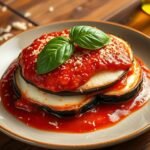
In a keto diet, you can eat low-carb vegetables like leafy greens, healthy fats such as avocados and olive oil, and high-quality protein sources including lean meats and seafood. Dairy products like full-fat cheese and Greek yogurt are great options too. Nuts and seeds provide healthy snacks, while keto-friendly snacks like cheese crisps and guacamole help curb hunger. Embracing these foods supports ketosis and overall health. There’s even more to discover for a successful keto journey!
Low-Carb Vegetables
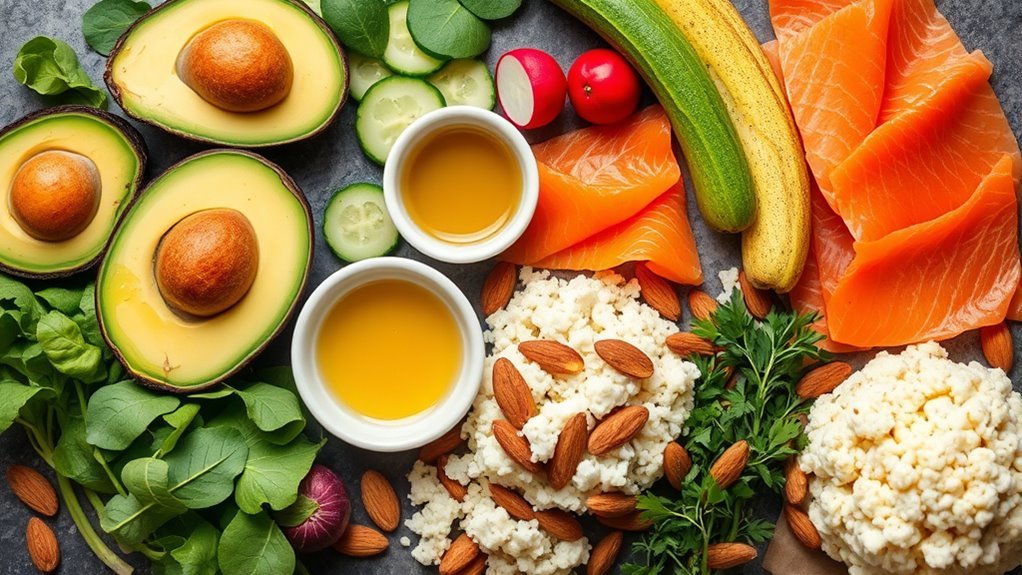
When you’re following a keto diet, incorporating low-carb vegetables is essential for maintaining ketosis while still enjoying a variety of flavors and nutrients. These veggies, like spinach, zucchini, and bell peppers, are low in carbs but high in dietary fiber, vitamins, and antioxidants, making them great for your overall health. The keto vegetable benefits include aiding digestion and reducing inflammation, which can enhance your wellness journey. Plus, they add vibrancy to your low carb cooking, allowing you to create delicious meals without derailing your diet. By focusing on these nutrient-rich options, you’re not just cutting carbs; you’re enriching your plate and embracing a lifestyle that celebrates freedom in food choices while supporting your health goals.
Healthy Fats
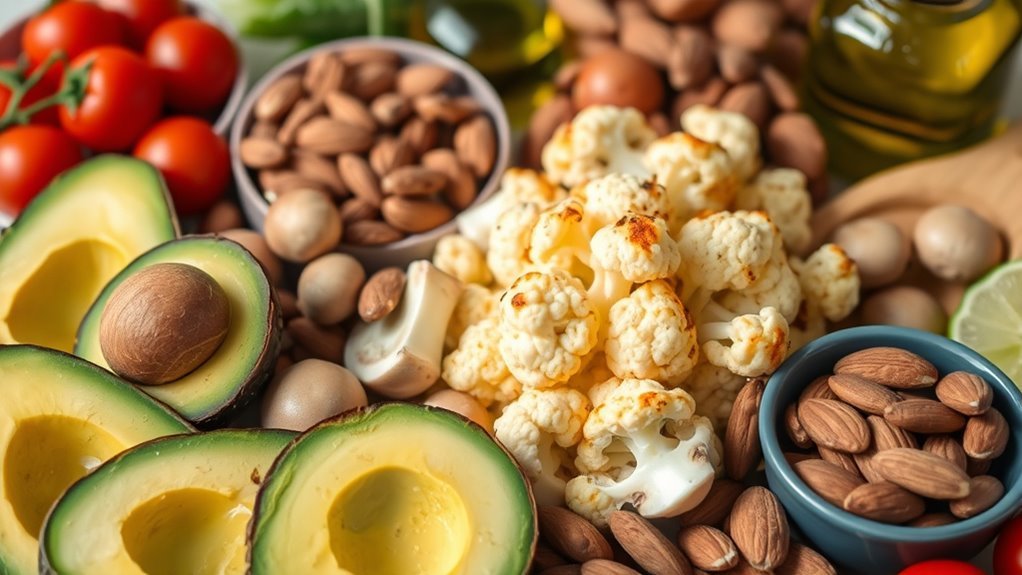
Incorporating healthy fats into your keto diet is essential for achieving and maintaining ketosis, as these fats serve as your primary energy source. Foods like avocados and olive oil not only provide high-quality fats but also come with additional health benefits. Avocados are rich in potassium and fiber, promoting heart health and digestion. Olive oil, especially extra virgin, is loaded with antioxidants and anti-inflammatory properties.
| Healthy Fat | Benefits | Usage Ideas |
|---|---|---|
| Avocado | High in potassium and fiber | Salads, smoothies |
| Olive Oil | Antioxidant-rich | Dressings, cooking |
| Coconut Oil | Medium-chain triglycerides | Baking, coffee |
| Nuts (Almonds) | Good source of protein | Snacks, toppings |
| Butter | Rich in vitamins | Cooking, baking |
Embrace these fats for a balanced keto experience!
Protein Sources
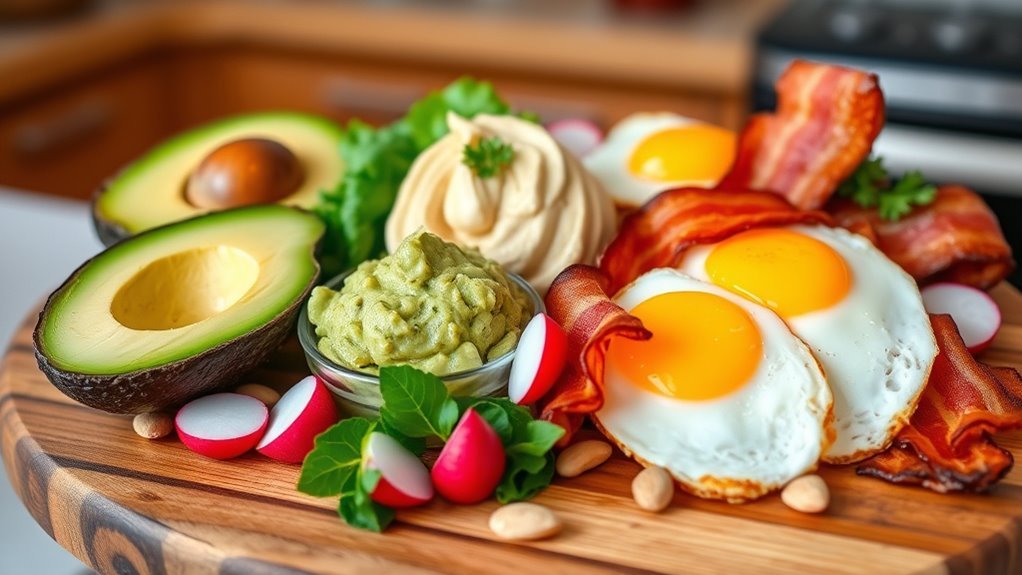
When you’re on a keto diet, choosing the right protein sources is essential for maintaining your energy levels and muscle mass. Lean meats, seafood, and even some plant-based proteins can all fit into your meal plan while helping you stay within your carb limits. Understanding these options will empower you to create a balanced and satisfying diet.
Lean Meat Options
While many people associate the keto diet with high-fat foods, lean meats serve as essential protein sources that can support your nutritional goals. Incorporating options like chicken breast, turkey, and lean cuts of beef can provide you with important nutrients while keeping your fat intake in check. The lean meat benefits include lower calorie counts and higher protein levels, which aid in muscle maintenance and satiety. When cooking, consider techniques like grilling, baking, or sautéing, as these methods help retain flavor without adding unnecessary fats. By selecting lean meats and utilizing healthy cooking techniques, you can enjoy a diverse, satisfying keto diet that aligns with your freedom to choose wholesome foods. Stay informed, and make choices that suit your lifestyle.
Seafood Selections
Seafood offers a variety of protein sources that fit perfectly into a keto diet. Rich in essential omega-3 fatty acids, fish like salmon, mackerel, and sardines not only provide quality protein but also support heart health. When choosing your seafood, opt for sustainable seafood options to guarantee environmental responsibility. Sustainable sourcing helps protect ocean ecosystems while giving you the freedom to enjoy your meals guilt-free. For seafood preparation, grilling, baking, or steaming are excellent methods that preserve flavor without adding unnecessary carbs. Combining seafood with low-carb vegetables can create satisfying dishes that keep you on track with your keto goals. So, explore these delicious options and elevate your meals while maintaining your dietary choices.
Plant-Based Proteins
Plant-based proteins can be a fantastic addition to your keto diet, providing essential nutrients without the carbs found in many traditional protein sources. Incorporating these proteins can help you maintain muscle mass and satisfy your hunger while staying in ketosis.
Here are some great options to evaluate:
- Tofu alternatives: Look for tempeh or edamame, which are lower in carbs and higher in protein.
- Legume options: While most legumes are high in carbs, assess small portions of lentils or black soybeans to enjoy their benefits without overdoing it.
- Seitan: Made from wheat gluten, it’s a high-protein option that can act as a meat substitute in many dishes.
Experiment with these choices to diversify your meals while sticking to your keto goals!
Dairy Products
Dairy products can be a valuable component of a keto diet, as they provide essential nutrients while keeping carbohydrate intake low. Incorporating cheese varieties and yogurt options into your meals can enhance flavor and nutrition. However, it’s important to choose full-fat, low-carb options to stay in ketosis.
Here’s a quick reference table for some popular dairy options:
| Dairy Product | Carbs (per serving) | Fat (per serving) |
|---|---|---|
| Cheddar Cheese | 1g | 9g |
| Greek Yogurt (full-fat) | 6g | 10g |
| Cream Cheese | 1g | 8g |
| Heavy Cream | 0.5g | 5g |
Nuts and Seeds
Incorporating nuts and seeds into your keto diet can be a tasty way to boost your fat intake while keeping carbs in check. These nutrient-dense foods offer a variety of health benefits and can easily fit into your daily meals. Here are some options to explore:
- Almonds: High in healthy fats and protein, they’re great for snacking.
- Chia seeds: Packed with fiber and omega-3 fatty acids, they help keep you full.
- Walnuts: Rich in antioxidants, they support heart health.
With various nut varieties available, you’ll enjoy plenty of flavors and textures. Plus, the seed benefits, like enhancing your meal’s nutritional profile, make them a great addition. Embrace these foods for a satisfying keto experience!
Keto-Friendly Snacks
While you might think that following a keto diet limits your snack options, there are actually plenty of delicious and satisfying choices. Embrace the freedom to enjoy snacks that align with your dietary goals without sacrificing flavor. Here are some convenient snack options you can try:
| Keto Snack Ideas | Keto Snack Recipes |
|---|---|
| Cheese crisps | Make your own with shredded cheese, baked until crispy. |
| Guacamole with veggies | Pair avocado dip with cucumber or bell pepper slices. |
| Hard-boiled eggs | Season with salt, pepper, or your favorite spices. |
These options not only keep you within your carb limits but also satisfy hunger between meals. Get creative and enjoy the variety keto-friendly snacks offer!
Frequently Asked Questions about the Keto Diet
1. What foods can I eat on a keto diet?
On a keto diet, you can enjoy a variety of foods that are low in carbohydrates and high in fats. This includes:
- Meats: Beef, pork, lamb, chicken, and turkey.
- Fish: Fatty fish like salmon, mackerel, and sardines.
- Eggs: Whole eggs are encouraged due to their high fat content.
- Dairy: Full-fat dairy products like cheese, butter, and heavy cream.
- Nuts and Seeds: Almonds, walnuts, chia seeds, and flaxseeds.
- Low-Carb Vegetables: Leafy greens, broccoli, cauliflower, zucchini, and bell peppers.
- Healthy Fats: Olive oil, coconut oil, and avocado oil.
It’s important to avoid high-carb foods such as grains, sugar, and starchy vegetables.
2. Can I eat fruits on a keto diet?
While most fruits are high in carbohydrates and sugars, there are some low-carb options you can enjoy in moderation on a keto diet. These include:
- Berries: Strawberries, raspberries, and blackberries are lower in carbs compared to other fruits.
- Avocado: Technically a fruit, avocados are high in healthy fats and low in carbs.
- Olives: Another fruit that is low in carbs and high in healthy fats.
It’s best to limit your fruit intake and focus on portion control to maintain ketosis.
3. What snacks can I eat while on a keto diet?
Snacking on a keto diet can be satisfying and nutritious. Here are some keto-friendly snack options:
- Nuts: Choose unsweetened and unflavored varieties like almonds or macadamia nuts.
- Cheese: String cheese or cheese cubes make for a great high-fat snack.
- Vegetables with Dip: Celery, cucumber, or bell pepper strips with high-fat dips like guacamole or ranch dressing.
- Hard-Boiled Eggs: A protein-rich and filling snack.
- Keto Bars: Look for bars specifically marketed as low-carb or keto-friendly.
4. Are there any drinks I can have on a keto diet?
Yes, there are several beverages that are suitable for the keto diet. These include:
- Water: Always the best choice for hydration.
- Coffee: Unsweetened coffee or coffee with a splash of heavy cream.
- Tea: Herbal, black, or green tea without added sugars.
- Bone Broth: Rich in nutrients and low in carbs, making it a great option.
- Sparkling Water: Carbonated water with no added sugars or sweeteners.
Avoid sugary drinks, juices, and sodas to stay within your carb limits.
5. How do I ensure I’m getting enough nutrients on a keto diet?
To ensure adequate nutrient intake on a keto diet, consider the following:
- Focus on variety: Include a wide range of low-carb vegetables, healthy fats, and protein sources.
- Consider supplements: If you’re concerned about nutrient deficiencies, consult with a healthcare provider about multivitamins or specific supplements, such as magnesium, potassium, and omega-3 fatty acids.
- Plan meals: Meal planning can help you balance macronutrients and ensure you’re getting sufficient vitamins and minerals.
- Stay hydrated: Drink plenty of water and consider electrolyte supplementation, especially in the beginning stages of the diet.
Regularly monitoring your health with a healthcare professional can also help you stay on track.
References
- https://www.ncbi.nlm.nih.gov/pmc/articles/PMC5786452/
- https://www.healthline.com/nutrition/ketogenic-diet-101
- https://www.webmd.com/diet/obesity/what-is-the-ketogenic-diet
- https://www.cdc.gov/healthyweight/healthy_eating/index.html
- https://www.khanacademy.org/science/health-and-medicine/human-biology/digestion-and-nutrition/healthy-eating/a/nutrition-article
- https://www.mayoclinic.org/healthy-lifestyle/nutrition-and-healthy-eating/in-depth/keto-diet/art-20459736
- https://www.verywellfit.com/what-is-a-ketogenic-diet-5180930
- https://ods.od.nih.gov/factsheets/Choline-HealthProfessional/