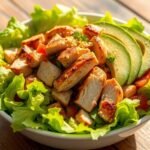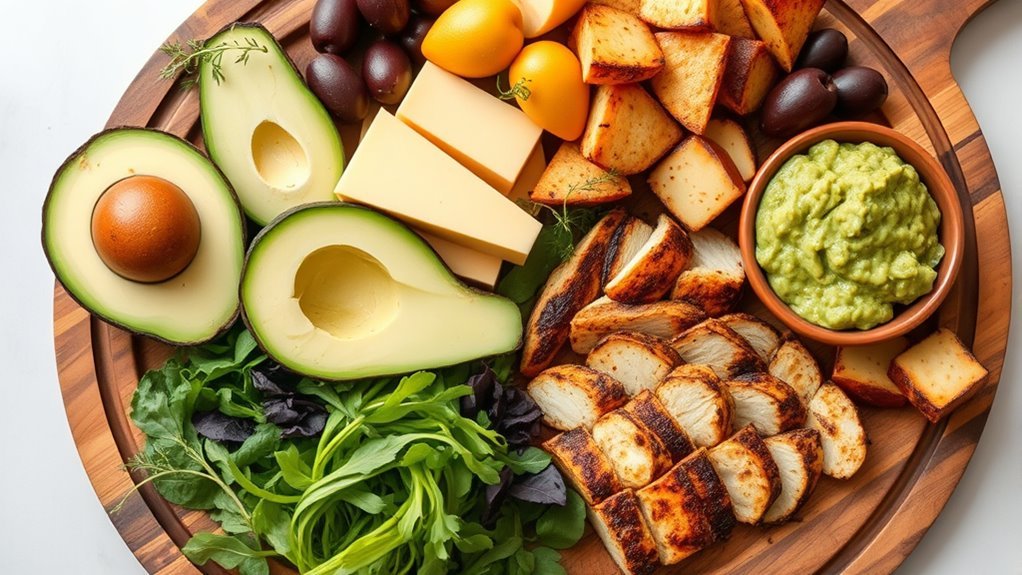

On a ketogenic diet, you can enjoy high-fat, low-carb foods like avocados, nuts, and fatty fish such as salmon. Lean meats and eggs provide protein while keeping carbs in check. Don’t forget about low-carb veggies like spinach and cauliflower, which add nutrients without the extra carbs. Snacking on cheese crisps or dark chocolate can satisfy your cravings. There’s a wide array of delicious options that make keto sustainable, so explore further for more ideas and recipes!
Understanding the Ketogenic Diet
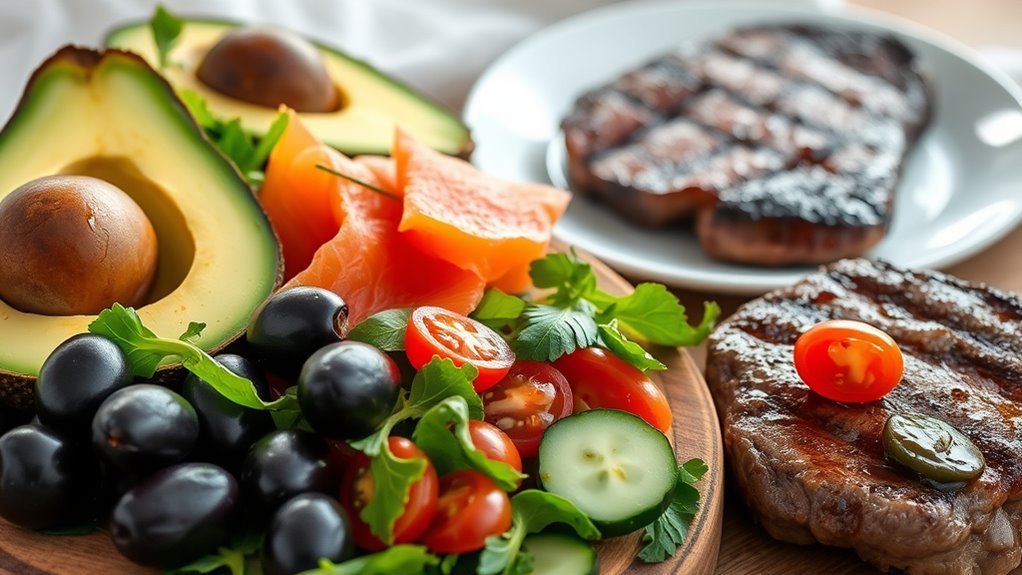
When you explore the ketogenic diet, you’ll find it’s more than just a low-carb eating plan; it’s a metabolic strategy designed to shift your body into a state of ketosis. By understanding the ketogenic principles, you can break free from many diet misconceptions that often cloud this approach. The primary focus is on high-fat, moderate protein, and very low carbohydrate intake. This balance encourages your body to burn fat for fuel instead of relying on glucose. While some worry that such a drastic shift might be unhealthy, research shows that a well-formulated ketogenic diet can support weight loss, improve insulin sensitivity, and enhance mental clarity. Embracing this diet means reclaiming control over your health and lifestyle choices.
Protein Sources for Keto
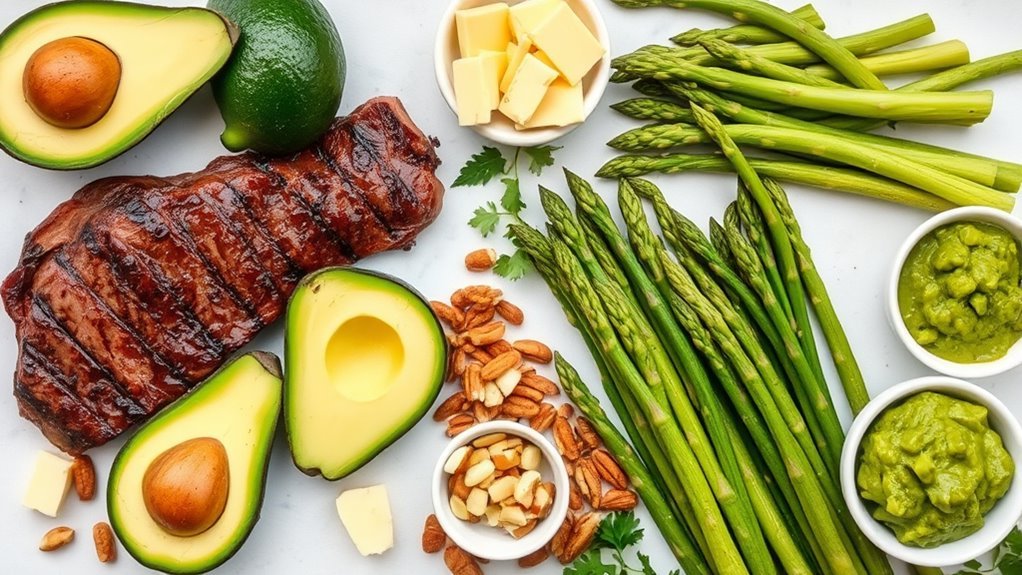
While it’s essential to focus on fat intake in a ketogenic diet, protein also plays a crucial role in maintaining muscle mass and overall health. You can enjoy a variety of protein sources to meet your nutritional needs. Lean meats, such as chicken, turkey, and beef, offer excellent protein while keeping carbs low. Don’t overlook seafood options, too; fish like salmon and mackerel are not only rich in protein but also provide healthy omega-3 fatty acids. Eggs are another versatile and nutritious choice, perfect for breakfast or snacks. When selecting protein sources, prioritize quality to support your health journey. Balancing your protein intake with your fat goals will help you thrive on your keto adventure while still enjoying delicious meals.
Healthy Fats to Include
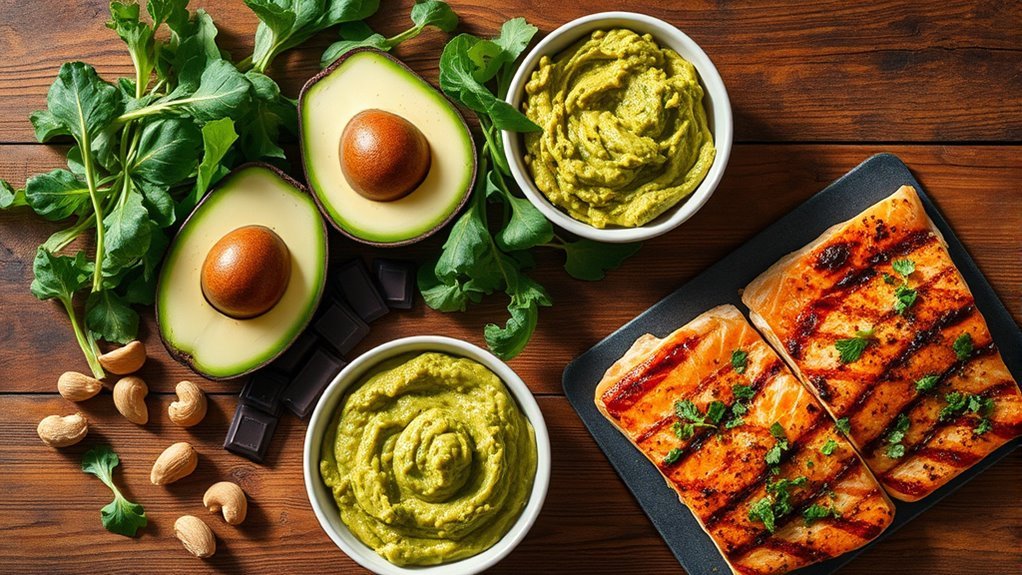
Incorporating healthy fats into your ketogenic diet is just as important as selecting quality protein sources. Healthy fats not only support ketosis but also provide essential nutrients. Avocados, for instance, offer numerous benefits, including heart-healthy monounsaturated fats and fiber, which can help keep you full. Another fantastic option is various nut varieties, such as almonds, walnuts, and macadamia nuts. These nuts are rich in healthy fats, vitamins, and minerals, making them perfect snacks or additions to meals. They also help maintain stable blood sugar levels. By including these healthy fats, you’ll enhance your meals’ flavor and nutritional profile while enjoying the freedom of a satisfying and balanced keto lifestyle. Embrace these options to fuel your body effectively!
Low-Carb Vegetables
Although many vegetables are high in carbohydrates, there are plenty of low-carb options that fit perfectly into a ketogenic diet. You can enjoy a variety of keto-friendly greens like spinach, kale, and arugula, which are not only low in carbs but also packed with nutrients. Non-starchy options like zucchini, bell peppers, and cauliflower can add flavor and texture to your meals without kicking you out of ketosis. Incorporating these vegetables into your diet allows you to maintain a satisfying and diverse menu while still enjoying the freedom of keto. Remember, the key is to focus on portions and balance, ensuring you’re fueling your body with wholesome, low-carb choices that support your health goals.
Snacks and Treats for a Keto Lifestyle
When you’re following a ketogenic diet, finding satisfying snacks and treats can be a challenge, but it doesn’t have to be. You can enjoy a variety of keto-friendly desserts and low-carb snacks that keep your taste buds happy without derailing your diet. Think of options like cheese crisps, nut butter with celery, or avocado slices sprinkled with salt. For a sweet treat, consider dark chocolate with a high cocoa content or homemade keto-friendly desserts like almond flour cookies or cheesecake bites. These alternatives provide flavor and satisfaction while maintaining your carb limits. Embracing these snacks allows you to enjoy your food freedom, ensuring that your keto journey remains enjoyable and sustainable.
1. What foods can I eat on a keto diet?
On a keto diet, you can eat a variety of low-carb, high-fat foods. These include:
- Meats: beef, pork, chicken, and turkey.
- Fish: salmon, sardines, mackerel, and other fatty fish.
- Eggs: whole eggs are a staple in the keto diet.
- Dairy: high-fat dairy products like cheese, butter, and heavy cream.
- Nuts and seeds: almonds, walnuts, chia seeds, and flaxseeds.
- Low-carb vegetables: leafy greens, broccoli, cauliflower, and zucchini.
- Healthy fats: olive oil, coconut oil, and avocado oil.
It’s important to avoid high-carb foods such as grains, sugars, and starchy vegetables.
2. Can I eat fruits on a keto diet?
Fruits are generally high in carbohydrates, which can make them challenging to fit into a keto diet. However, you can enjoy certain low-carb fruits in moderation, such as:
- Berries: strawberries, raspberries, and blackberries.
- Melons: cantaloupe and watermelon.
- Avocados: technically a fruit, they are low in carbs and high in healthy fats.
It’s advisable to keep portions small and monitor your overall carb intake to stay in ketosis.
3. Are there any snacks I can have on a keto diet?
Yes, there are plenty of keto-friendly snacks that can keep you satisfied between meals. Some options include:
- Nuts: a small handful of almonds, walnuts, or pecans.
- Cheese: cheese sticks or slices.
- Hard-boiled eggs: a convenient and protein-rich snack.
- Vegetable sticks: celery or cucumber with cream cheese or guacamole.
- Olives: a great source of healthy fats.
Be sure to check for hidden sugars in packaged snacks, and focus on whole, unprocessed foods.
4. What should I avoid eating on a keto diet?
To maintain ketosis, it’s crucial to avoid high-carb foods. This includes:
- Grains: wheat, rice, oats, and corn.
- Sugary foods: candies, desserts, and sweetened beverages.
- Starchy vegetables: potatoes, sweet potatoes, and carrots.
- Fruits: most fruits, especially bananas, apples, and grapes.
- Processed foods: many packaged foods contain added sugars and carbs.
Always read labels and be mindful of your total carbohydrate intake.
5. How do I know if I’m in ketosis?
You can determine if you’re in ketosis through a few methods:
- Ketone testing: use ketone test strips or a blood ketone meter.
- Physical signs: increased energy, reduced appetite, and changes in breath odor (fruity smell).
- Monitoring symptoms: some people may experience the “keto flu” initially, which includes fatigue, headache, and irritability as your body adapts.
Regularly checking your ketone levels can help you stay on track with your diet.
References
- https://en.wikipedia.org/wiki/Ketogenic_diet
- https://www.healthline.com/nutrition/keto-diet-food-list
- https://www.webmd.com/diet/what-to-eat-on-keto-diet
- https://www.ncbi.nlm.nih.gov/pmc/articles/PMC6520634/
- https://www.cdc.gov/healthyweight/healthy_eating/index.html
- https://www.mayoclinic.org/healthy-lifestyle/nutrition-and-healthy-eating/in-depth/keto-diet/art-20460303
- https://www.hsph.harvard.edu/nutritionsource/keto-diet/
- https://www.nutrition.org.uk/healthyliving/healthyeating/keto-diet.html