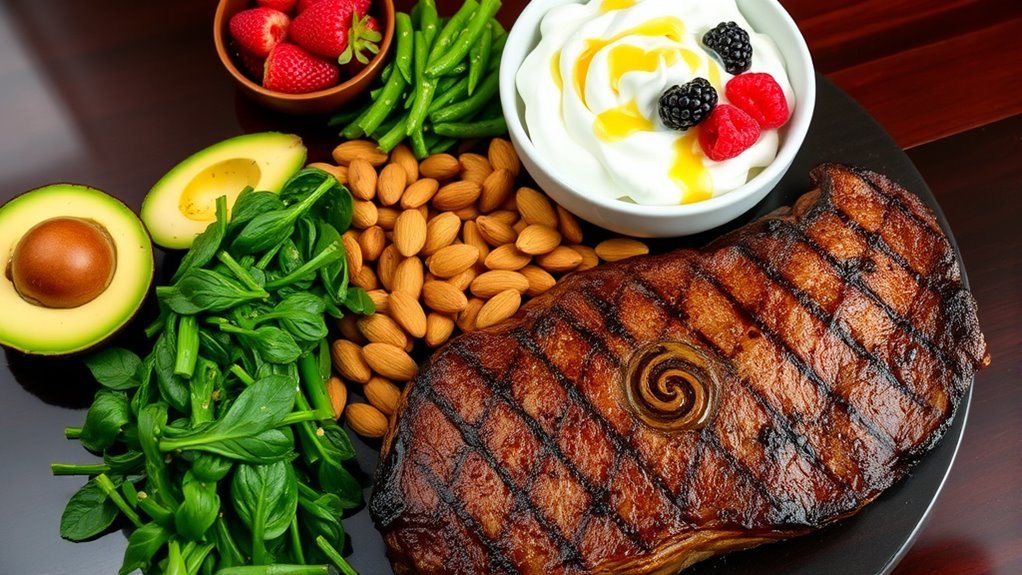

On a keto diet, focus on high-quality proteins, low-carb vegetables, and healthy fats. Include options like grass-fed meats, spinach, and avocados. Full-fat dairy, such as cheese and Greek yogurt, fits well too. Nuts and seeds make great snacks, while starchy foods and sugars should be avoided. This approach helps you maintain ketosis and burn fat effectively. To learn more about specific foods and tips for the keto lifestyle, explore additional insights.
Understanding the Ketogenic Diet
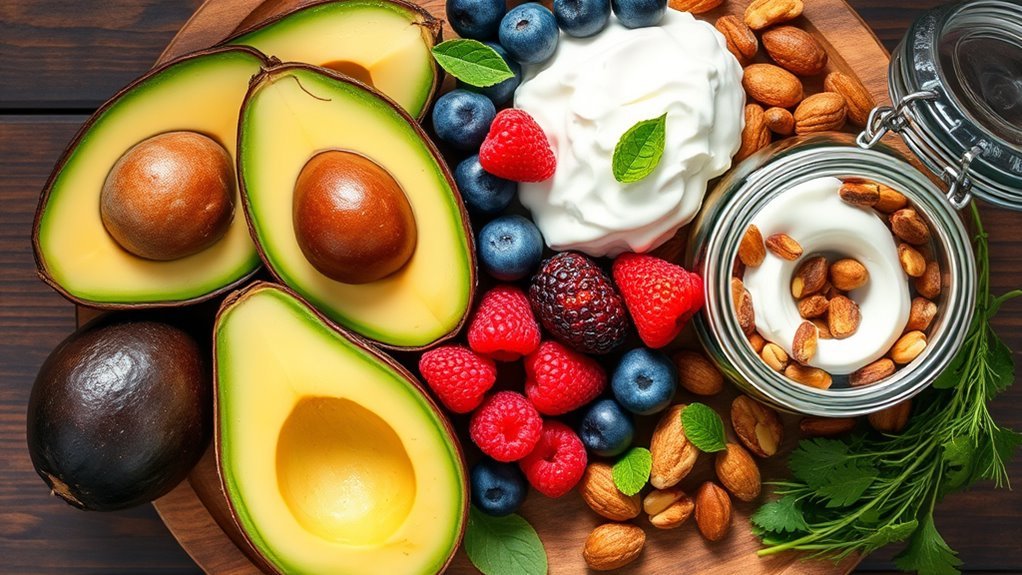
The ketogenic diet, often referred to as keto, is a low-carbohydrate, high-fat eating plan designed to shift your body’s metabolism from burning glucose to burning fat for energy. This metabolic state, known as ketosis, can lead to numerous ketogenic benefits, including weight loss, improved mental clarity, and increased energy levels. When you embrace keto, effective meal planning becomes essential. By carefully selecting high-fat, low-carb foods, you can guarantee your body receives the nutrients it needs while maintaining ketosis. Incorporating foods like avocados, nuts, and fatty fish not only supports your health but also keeps your meals satisfying. Understanding these principles empowers you to make informed choices, allowing you to enjoy the freedom that comes with a well-structured ketogenic lifestyle.
Key Components of a Keto-Friendly Meal
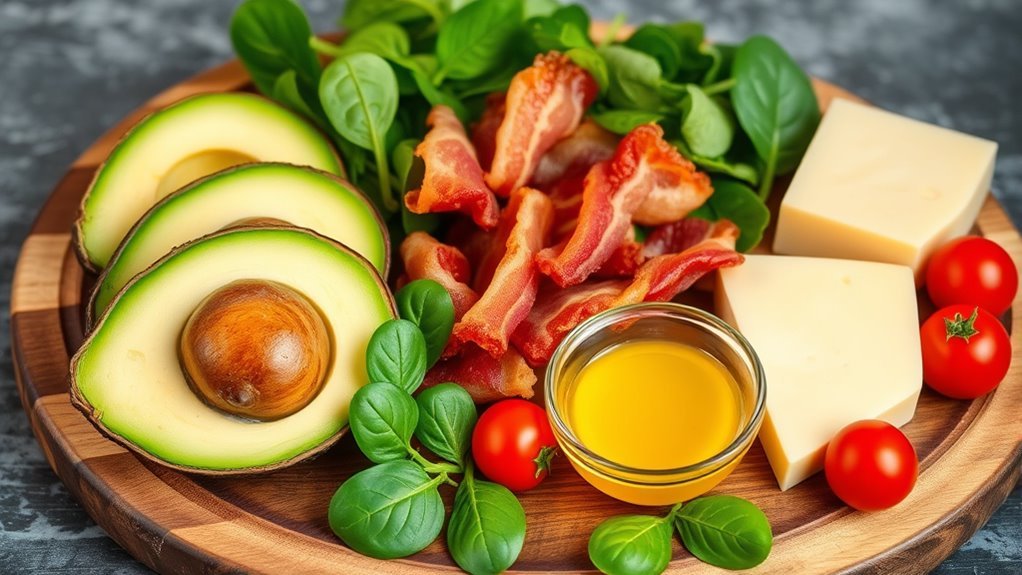
When planning a keto-friendly meal, it is crucial to focus on balancing macronutrients to maintain ketosis effectively. This involves careful keto meal planning and portion control. To create a satisfying meal, consider incorporating the following key components:
- High-quality proteins: Opt for grass-fed meats, poultry, or fish.
- Low-carb vegetables: Choose leafy greens, broccoli, or zucchini for fiber and nutrients.
- Healthy fats: Include avocados, nuts, or seeds to enhance flavor and satiety.
- Flavorful herbs and spices: Utilize these to elevate taste without adding carbs.
Healthy Fats to Include
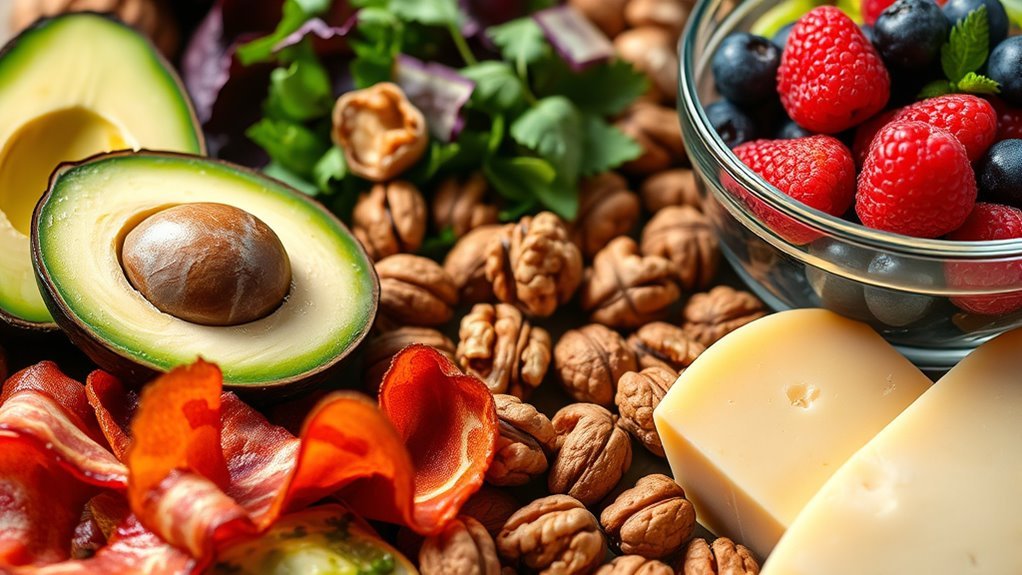
Incorporating healthy fats into your keto diet is essential for maintaining energy levels and supporting overall health. Focus on healthy oils like olive oil and coconut oil, which provide beneficial fatty acids that can enhance your well-being. Avocado benefits are significant, too; this creamy fruit is rich in monounsaturated fats, fiber, and essential nutrients, making it a perfect addition to your meals. These healthy fats not only help keep you satiated but also promote better heart health and improved cholesterol levels. By including a variety of healthy fats in your diet, you’ll not only enjoy delicious flavors but also empower your body to thrive on a ketogenic journey. Embrace these fats to feel free and energized!
Low-Carb Vegetables to Enjoy
When following a keto diet, incorporating low-carb vegetables can be both satisfying and nutritious. Options like spinach, zucchini, and broccoli not only keep your carb intake in check but also provide essential vitamins and minerals. Understanding the best choices and their nutritional benefits can help you maximize your health while enjoying a variety of flavors.
Best Low-Carb Choices
Although the keto diet emphasizes low-carb intake, you can still enjoy a variety of flavorful vegetables that fit perfectly within your meal plan. These low-carb choices are not only nutritious but also versatile, making them great for meal prepping or as keto snacks. Here are some excellent options to evaluate:
- Spinach: Packed with vitamins and minerals, it’s perfect for salads or smoothies.
- Zucchini: A fantastic substitute for pasta; spiralize it for a delicious dish.
- Cauliflower: Use it to make rice or mash for a low-carb alternative.
- Bell Peppers: Crunchy and colorful, they add flavor and nutrients to any meal.
Incorporating these veggies can keep your meals exciting while staying within your carb limits. Enjoy the freedom of variety!
Nutritional Benefits Overview
While you might think a low-carb diet limits your options, many vegetables actually offer significant nutritional benefits that can enhance your overall health. Low-carb vegetables like spinach, kale, and zucchini are incredibly nutrient-dense, packing vitamins and minerals without the extra carbs. These options can play a crucial role in your meal planning, allowing you to create satisfying dishes that support your keto lifestyle. Incorporating these vegetables not only helps you manage your carbohydrate intake but also boosts your fiber intake, promoting digestive health. Additionally, their rich antioxidants can protect against inflammation and chronic diseases. So, don’t shy away from these low-carb powerhouses; they can truly elevate your meals and support your health goals.
Protein Sources for the Keto Diet
Since the keto diet emphasizes low carbohydrate intake, selecting the right protein sources becomes essential for maintaining ketosis and promoting muscle health. You’ll want to focus on high-quality proteins that fit within your carb limits. Here are some great options:
- Lean meats: Chicken, turkey, and lean cuts of beef provide essential amino acids without the added carbs.
- Fatty fish: Salmon, mackerel, and sardines are rich in omega-3s and protein.
- Eggs: A versatile protein source, they’re low in carbs and high in nutrients.
- Plant proteins: Options like tempeh, tofu, and certain legumes can complement your diet while keeping carbs in check.
Incorporating these proteins can help you stay energized and satisfied on your keto journey.
Dairy Products That Fit the Keto Lifestyle
When you’re following a keto diet, incorporating the right dairy products can enhance your meals while keeping you within your carbohydrate limits. Cheese varieties like cheddar, mozzarella, and cream cheese are excellent choices due to their low carb content and high fat, making them perfect for satisfying your cravings. You can also enjoy full-fat yogurt options; just make sure to choose unsweetened varieties to avoid unnecessary sugars. Greek yogurt is particularly beneficial, as it’s rich in protein while still being low in carbs. These dairy products not only provide essential nutrients but also add flavor and texture to your keto dishes. Embrace these options to enjoy the freedom of delicious meals without straying from your dietary goals.
Nuts and Seeds for Snacking
Nuts and seeds are a fantastic option for snacking on a keto diet, offering a satisfying crunch along with essential nutrients. They not only help curb hunger but also provide numerous health benefits. Here are some nut health benefits and popular seed varieties to evaluate:
Nuts and seeds make perfect keto snacks, delivering crunch, nutrients, and health benefits while keeping hunger at bay.
- Almonds: High in healthy fats and vitamin E, great for heart health.
- Walnuts: Rich in omega-3 fatty acids, promoting brain function.
- Chia seeds: Packed with fiber and protein, they aid digestion and keep you full.
- Pumpkin seeds: Loaded with magnesium and zinc, essential for immune support.
Incorporating these options into your snack rotation can enhance your keto experience while keeping you nourished and satisfied. Enjoy the freedom of snacking wisely!
Keto-Friendly Beverages
Staying hydrated is essential on a keto diet, and choosing the right beverages can greatly enhance your experience. Opt for keto smoothies made with low-carb ingredients like spinach, avocado, and unsweetened almond milk; these not only taste delicious but also provide essential nutrients. Additionally, herbal teas are a fantastic choice. They’re naturally calorie-free and come in a variety of flavors, allowing you to enjoy warm or iced options without compromising your carb intake. Green tea is particularly beneficial due to its antioxidant properties and potential metabolism-boosting effects. Remember, staying hydrated helps control hunger and supports overall health, so keep these keto-friendly beverages in your rotation to feel your best while enjoying your keto journey.
Foods to Avoid on a Keto Diet
To successfully navigate a keto diet, it’s crucial to steer clear of high-carb foods that can hinder your progress. These foods can sabotage your efforts to achieve ketosis, so be mindful of what you consume. Here are some key items to avoid:
Successfully navigating a keto diet requires avoiding high-carb foods that can hinder your progress toward achieving ketosis.
- Sugary snacks: Candy, cookies, and pastries often contain hidden sugars that can spike your carb intake.
- Starchy vegetables: Potatoes, corn, and peas are higher in carbs and should be limited.
- Grains: Bread, pasta, and rice provide excess carbohydrates that conflict with keto principles.
- Certain fruits: Bananas, grapes, and apples are delicious but can throw off your carb balance.
Instead, focus on keto-friendly snacks like nuts and cheese to maintain your diet’s integrity.
Frequently Asked Questions about Keto Diet Foods
1. What foods are allowed on a keto diet?
A keto diet primarily consists of foods that are high in fats and low in carbohydrates. Allowed foods include:
- Healthy fats such as avocados, olive oil, coconut oil, and butter.
- Meats including beef, pork, chicken, and fatty fish like salmon.
- Low-carb vegetables such as leafy greens, broccoli, cauliflower, and zucchini.
- Dairy products like cheese, heavy cream, and full-fat yogurt.
- Nuts and seeds, such as almonds, walnuts, and chia seeds.
It’s essential to avoid high-carb foods such as grains, sugars, and starchy vegetables.
2. Can I eat fruits on a keto diet?
While most fruits are high in carbohydrates and sugars, some low-carb fruits can be consumed in moderation on a keto diet. These include:
- Berries (strawberries, raspberries, and blackberries)
- Melons (watermelon and cantaloupe)
- Avocado (which is technically a fruit)
It’s important to track your overall carbohydrate intake to stay within your daily limits while incorporating these fruits.
3. Are there any snacks suitable for a keto diet?
Yes, there are plenty of snacks that fit within a keto diet. Some great options include:
- Cheese sticks or slices
- Mixed nuts (watch portion sizes)
- Hard-boiled eggs
- Vegetable sticks (like celery or cucumber) with guacamole or cream cheese
- Homemade keto-friendly protein bars
These snacks can help you stay satisfied between meals while maintaining your carb limits.
4. What are some common misconceptions about the keto diet foods?
A few common misconceptions about keto diet foods include:
- All fats are good: While healthy fats are the cornerstone of a keto diet, trans fats and processed fats should still be avoided.
- Carbohydrate restriction is extreme: A keto diet typically aims for 20-50 grams of net carbs per day, which is much lower than a standard diet, but not all carbs are eliminated.
- You can eat unlimited amounts of fats: Portion control is still important; overeating can lead to weight gain regardless of macronutrient composition.
Understanding these misconceptions can help you follow a healthier and more effective keto diet.
5. How do I know if I’m eating the right foods on a keto diet?
To ensure you’re eating the right foods on a keto diet, consider the following tips:
- Track your macronutrients: Use a food diary or an app to monitor your daily intake of fats, proteins, and carbs.
- Read labels: Look for hidden sugars and high-carb ingredients in packaged foods.
- Focus on whole foods: Prioritize unprocessed, nutrient-dense foods to meet your dietary needs.
- Consult with a healthcare professional or a registered dietitian: They can provide personalized guidance based on your health goals.
By following these steps, you can ensure your food choices align with the principles of the keto diet.
References
- https://www.ncbi.nlm.nih.gov/pmc/articles/PMC6070320/
- https://www.healthline.com/nutrition/keto-diet-food-list
- https://www.mayoclinic.org/healthy-lifestyle/nutrition-and-healthy-eating/in-depth/keto-diet/art-20484970
- https://www.webmd.com/diet/obesity/ss/slideshow-keto-diet-foods
- https://www.ncbi.nlm.nih.gov/pmc/articles/PMC7351160/
- https://www.hhs.gov/fitness/eat-healthy/what-is-the-keto-diet.html
- https://www.journalofnutrition.org/content/149/7/1210S
- https://www.bbc.co.uk/news/health-46054266