

The paleo diet and keto diet are both popular dietary approaches that cater to health-conscious individuals, yet they differ significantly in their principles and food choices. The paleo diet emphasizes whole, unprocessed foods akin to those consumed by our ancestors, while the keto diet promotes a high-fat, low-carbohydrate intake to induce ketosis, a state where the body burns fat for energy. This article will delve into the core distinctions, benefits, and considerations of each diet, helping you determine which might be the best fit for your lifestyle.
Overview of the Paleo Diet

The paleo diet, often referred to as the “caveman diet,” focuses on consuming whole, unprocessed foods that mimic what our hunter-gatherer ancestors would have eaten. This dietary approach emphasizes a variety of foods, including lean meats, fish, fruits, vegetables, nuts, and seeds, while strictly excluding grains, legumes, dairy, and refined sugars. The underlying philosophy of the paleo diet is rooted in the belief that modern processed foods contribute to various health problems, and by returning to a more natural way of eating, individuals can improve their overall health and well-being.
One of the defining characteristics of the paleo diet is its emphasis on nutrient density. By prioritizing whole foods, followers of the diet often consume a high volume of vitamins, minerals, and antioxidants, which can support various bodily functions. Furthermore, the paleo diet promotes a balanced intake of macronutrients, which may contribute to better satiety and reduced cravings, leading to improved dietary adherence over time.
Overview of the Keto Diet
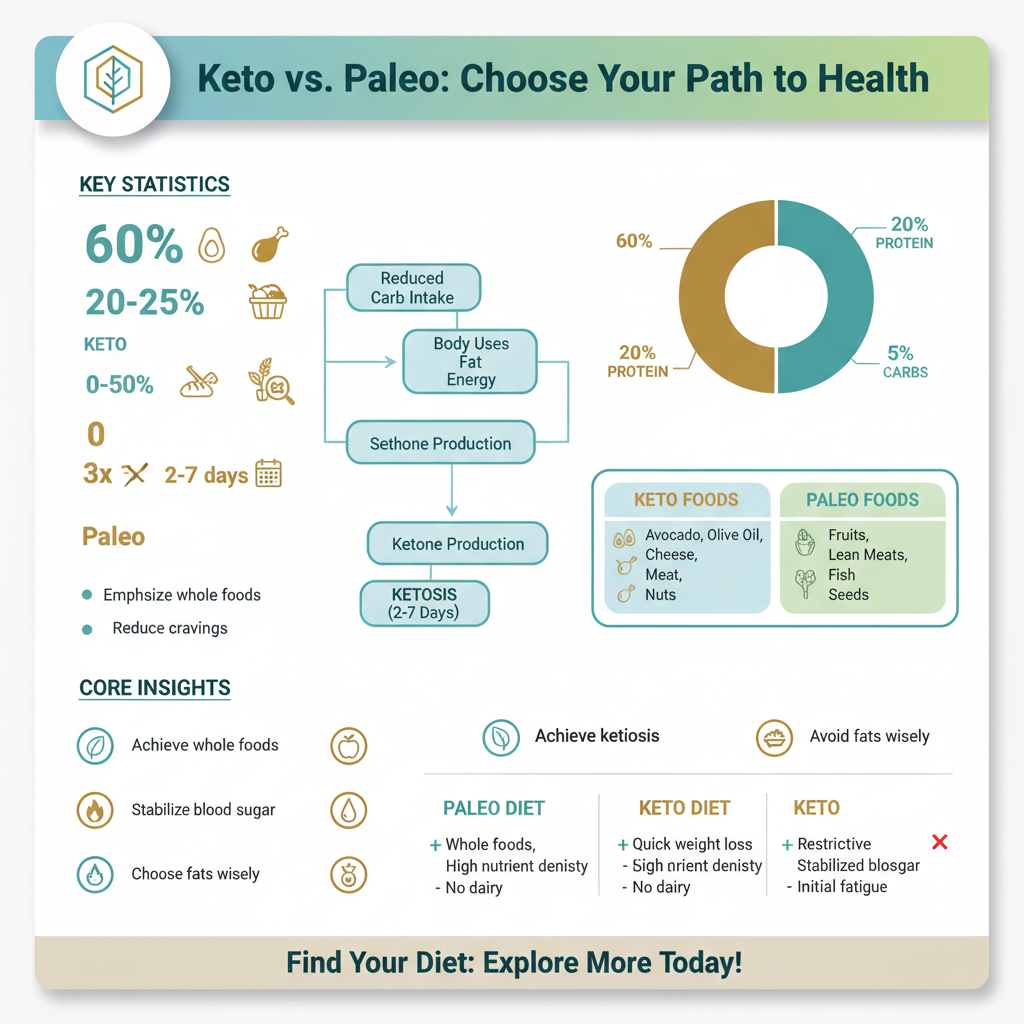
The ketogenic diet, commonly known as the keto diet, is fundamentally different from the paleo diet in its macronutrient composition. The keto diet consists of a high-fat, moderate-protein, and very low-carbohydrate intake, with the primary goal of achieving a metabolic state called ketosis. In ketosis, the body shifts from using glucose as its primary energy source to burning fat for fuel, which can lead to significant weight loss and other health benefits.
Foods commonly included in a keto diet are avocados, nuts, seeds, oils (such as olive oil and coconut oil), fatty cuts of meat, and leafy greens. However, the diet restricts most fruits, grains, and starchy vegetables, as these foods can quickly elevate carbohydrate intake. By minimizing carbohydrates, the keto diet aims to stabilize blood sugar levels and reduce insulin spikes, which can be particularly beneficial for individuals with insulin resistance or type 2 diabetes.
Key Differences in Food Choices
When comparing the food choices allowed in the paleo and keto diets, several notable differences emerge. The paleo diet permits a broader range of carbohydrate sources, including fruits, vegetables, and even some starchy foods like sweet potatoes. This inclusion provides followers with various nutrients and flavors, making the diet potentially more sustainable for some individuals.
In contrast, the keto diet imposes strict limits on carbohydrate intake, often recommending that individuals consume less than 20–50 grams of carbs per day. This restriction can lead to a more monotonous food selection, as many foods that are traditionally considered healthy, such as fruits and whole grains, are avoided. Additionally, the keto diet encourages the consumption of high-fat foods that may not align with paleo principles, such as full-fat dairy products and artificial sweeteners. This distinction in food choices can significantly affect an individual’s experience and satisfaction with each diet.
Health Benefits of the Paleo Diet
The paleo diet offers several health benefits that can positively impact an individual’s overall well-being. One of the most significant advantages is its potential to improve gut health and digestion. By focusing on whole, unprocessed foods, followers of the paleo diet often increase their intake of dietary fiber, which supports healthy digestion and regular bowel movements.
Moreover, the paleo diet has been associated with weight loss and improved energy levels. The emphasis on nutrient-dense foods helps individuals feel fuller for longer periods, reducing the likelihood of overeating. Additionally, many followers report increased energy and mental clarity as they eliminate processed foods and sugars from their diet. This can lead to a more stable mood and improved productivity throughout the day.
Health Benefits of the Keto Diet
The ketogenic diet is widely recognized for its rapid weight loss effects, making it an attractive option for individuals seeking to shed pounds quickly. The state of ketosis promotes fat burning, which can lead to significant weight loss within a relatively short time frame. Additionally, the keto diet has shown potential therapeutic effects for certain medical conditions, particularly epilepsy and other neurological disorders. Research suggests that the ketogenic diet can reduce the frequency of seizures in individuals with epilepsy, making it a valuable tool in medical nutrition therapy.
Another notable benefit of the keto diet is its ability to enhance mental clarity and energy levels. By utilizing fat as the primary energy source, many individuals report improved focus and cognitive function. This shift can be particularly beneficial for those who experience energy crashes associated with high-carbohydrate diets. The sustained energy levels provided by a ketogenic approach may help individuals maintain productivity without the need for frequent meals or snacks.
Potential Drawbacks of Each Diet
While both the paleo and keto diets have their benefits, they also come with potential drawbacks that individuals should consider before making a commitment. For instance, the paleo diet may lack essential nutrients, particularly calcium, due to the exclusion of dairy products. This limitation can be particularly concerning for individuals who rely on dairy as a primary source of calcium and vitamin D. Without careful planning, followers of the paleo diet may need to seek alternative sources of these nutrients to prevent deficiencies.
On the other hand, the keto diet can lead to nutrient deficiencies, particularly during the initial transition phase known as the “keto flu.” This period can include symptoms such as fatigue, headaches, and irritability as the body adapts to a lower carbohydrate intake. Additionally, long-term adherence to the keto diet may raise concerns about the consumption of high levels of saturated fats and its potential impact on heart health. As with any restrictive diet, it is crucial to maintain a balanced approach to ensure adequate nutrient intake.
Which Diet is Right for You?
Choosing between the paleo and keto diets ultimately depends on your health goals, dietary preferences, and lifestyle. If your primary objective is weight loss and improved metabolic health, the keto diet may be more aligned with your goals. Conversely, if you are looking for a more sustainable approach that focuses on whole foods and increased nutrient density, the paleo diet might be a better fit.
Before making a decision, it is advisable to consult with a healthcare professional or registered dietitian. They can provide personalized insights based on your unique health profile and nutritional needs. Additionally, exploring both diets on a trial basis can help you identify which approach feels more satisfying and sustainable in the long term.
Choosing between the paleo and keto diets ultimately depends on your health goals and personal preferences. Each diet offers unique benefits and challenges, so it’s essential to evaluate your lifestyle and nutritional needs carefully. Take the time to explore both options and consider seeking guidance from a nutrition expert to find the best fit for you. With the right approach, you can adopt a dietary plan that not only supports your health objectives but also enhances your overall quality of life.
Frequently Asked Questions
What is the primary difference between the paleo diet and the keto diet?
The primary difference between the paleo diet and the keto diet lies in their macronutrient focus and food sources. The paleo diet emphasizes whole, unprocessed foods that were available to our Paleolithic ancestors, including fruits, vegetables, lean meats, fish, nuts, and seeds, while excluding dairy, grains, and legumes. In contrast, the keto diet is a high-fat, low-carbohydrate diet designed to induce ketosis, where the body burns fat for fuel instead of carbohydrates, often requiring a strict limit on carb intake to maintain this metabolic state.
How do the health benefits of the paleo diet compare to those of the keto diet?
Both the paleo diet and the keto diet offer distinct health benefits, but they cater to different goals. The paleo diet may improve overall health by promoting whole foods and reducing processed sugars, which can lead to weight loss and better digestive health. On the other hand, the keto diet is particularly effective for rapid weight loss and managing conditions such as epilepsy and type 2 diabetes by stabilizing blood sugar levels through reduced carbohydrate intake. Ultimately, the best choice depends on individual health goals and lifestyle preferences.
Why might someone choose the paleo diet over the keto diet?
Someone might choose the paleo diet over the keto diet for several reasons, including a desire for a more balanced approach to eating that includes fruits and vegetables. The paleo diet allows for a wider variety of foods, making it easier for individuals to consume essential vitamins and minerals. Additionally, those who prefer a diet that focuses on whole, unprocessed foods without strict macronutrient limitations may find the paleo diet more appealing and sustainable in the long term.
Which diet is better for weight loss: paleo or keto?
The effectiveness of the paleo diet versus the keto diet for weight loss can vary based on individual preferences and adherence. The keto diet often leads to quicker initial weight loss due to its low-carb nature, prompting the body to burn fat for fuel. However, the paleo diet may also support weight loss through its emphasis on whole foods and reduced processed food consumption, making it a viable option for those seeking a healthier lifestyle without the strict carb limits of keto. Ultimately, the best diet for weight loss is one that fits the individual’s lifestyle and can be maintained over time.
How can I transition from the paleo diet to the keto diet?
Transitioning from the paleo diet to the keto diet involves gradually reducing carbohydrate intake while increasing healthy fats to reach the desired macronutrient ratio for ketosis. Start by eliminating high-carb fruits and starchy vegetables, and replace them with low-carb options like leafy greens and avocados. Additionally, incorporate more healthy fats such as olive oil, nuts, and fatty fish while keeping protein intake moderate. It may also help to track your macros using a food diary or app to ensure you transition smoothly into the ketogenic state.
References
- Paleolithic diet
- https://www.health.harvard.edu/staying-healthy/the-paleo-diet
- https://www.ncbi.nlm.nih.gov/pmc/articles/PMC6019050/
- https://www.healthline.com/nutrition/keto-diet-vs-paleo-diet
- https://www.webmd.com/diet/ss/slideshow-paleo-keto-diet
- https://www.reuters.com/article/us-health-keto-paleo-idUSKCN1VX1P5
- https://www.cdc.gov/healthyweight/healthy_eating/dietary_guidelines.html
- https://www.bbc.com/news/magazine-35418255