

The keto diet revolves around the strategic management of macronutrients, or macros, which are crucial for entering and maintaining a state of ketosis. This diet primarily emphasizes the intake of fats, moderate proteins, and minimal carbohydrates. By mastering the balance of these macronutrients, individuals can enhance their weight loss efforts and overall health. This article delves into what macros are, their roles within the keto framework, and why they are essential for achieving your health and weight loss goals.
What Are Macronutrients?

Macronutrients are the nutritional components that provide energy and support various physiological functions in the body. There are three primary types of macronutrients: fats, proteins, and carbohydrates. Each macro plays a distinct role in human health and nutrition. In the context of the keto diet, fats are the cornerstone, making up the bulk of caloric intake, while proteins are vital for muscle maintenance and repair. Carbohydrates, on the other hand, are limited significantly to promote ketosis, the metabolic state where the body burns fat for fuel instead of glucose. Understanding these macronutrients and their specific roles allows individuals to tailor their diets effectively to meet their health objectives.
The Role of Fats in the Keto Diet
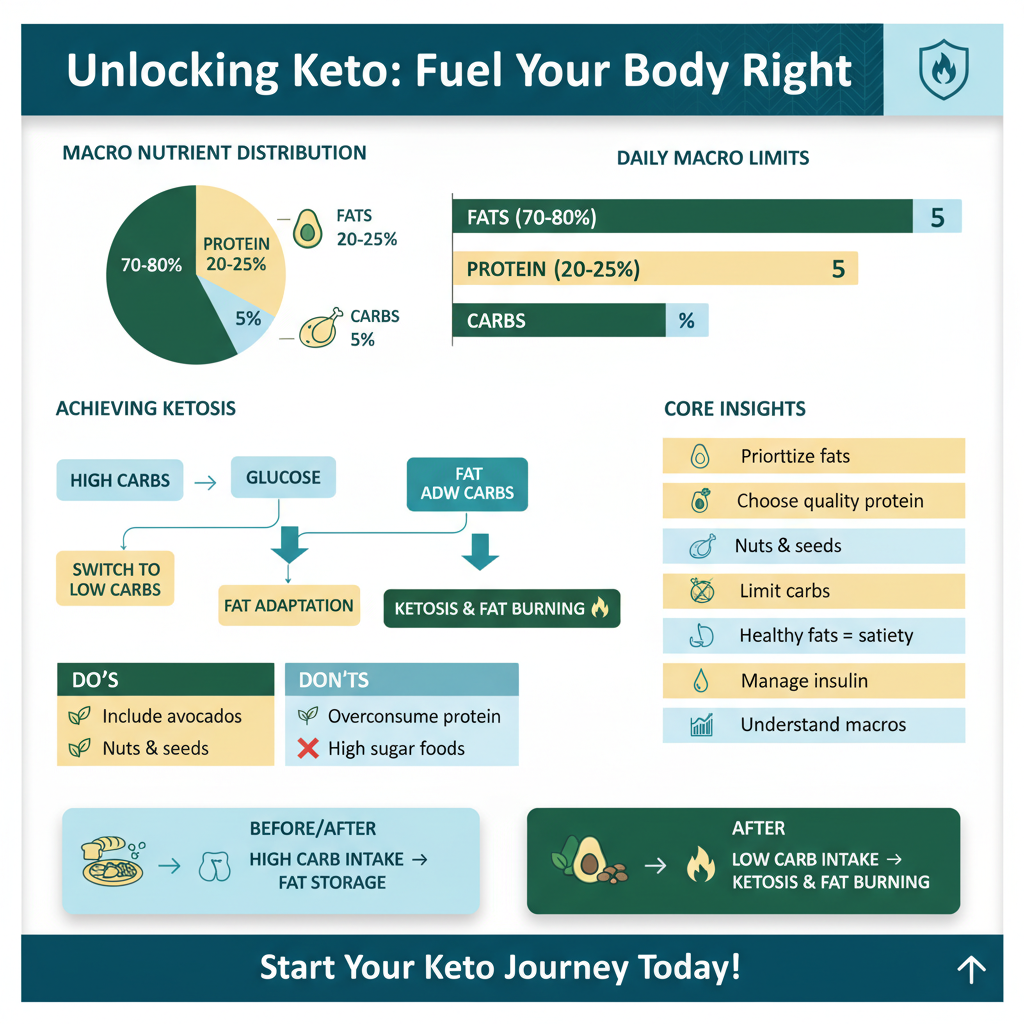

Fats should account for approximately 70-80% of your daily caloric intake on a ketogenic diet, making them the primary energy source. This high-fat ratio is crucial for transitioning the body into a state of ketosis, where it begins to utilize fat as its main fuel source instead of carbohydrates. Healthy sources of fats include avocados, nuts, seeds, olive oil, and coconut oil. These food items not only provide essential fatty acids but also contribute to satiety, helping individuals feel fuller for longer periods. Furthermore, consuming healthy fats can help stabilize insulin levels, which is particularly beneficial for those managing blood sugar levels or insulin resistance. By prioritizing these fats, you can fuel your body effectively while adhering to the principles of the keto diet.
Understanding Protein Requirements
In a keto diet, protein typically constitutes about 20-25% of caloric intake. While protein is essential for muscle growth and repair, excessive consumption can hinder ketosis, as the body may convert excess protein into glucose through a process called gluconeogenesis. Therefore, it is vital to choose quality protein sources such as fish, poultry, eggs, and low-carb dairy products. These options not only provide essential amino acids but also support muscle maintenance, especially during weight loss. For individuals engaging in regular exercise, particularly strength training, maintaining adequate protein levels becomes even more critical to preserve muscle mass and overall metabolic health. Striking the right balance in protein intake is essential for optimizing the benefits of the keto diet.
The Importance of Carbohydrate Restriction
Carbohydrates are typically restricted to about 5-10% of daily caloric intake on a ketogenic diet to induce ketosis. This significant reduction in carbohydrate consumption is pivotal for transitioning the body from burning glucose to burning fat. When following a keto diet, individuals should focus on consuming low-carb vegetables, such as leafy greens, broccoli, and cauliflower, which provide essential nutrients without the carbohydrates that can disrupt ketosis. It is equally important to avoid sugary foods and high-carb processed items, as these can quickly push the body out of its fat-burning state. By limiting carbohydrate intake and choosing nutrient-dense, low-carb options, individuals can effectively maintain ketosis and realize the associated health benefits.
How to Calculate Your Macros
Calculating your macros is a critical step in following a successful ketogenic diet. Various macro calculators are available online, which can help you determine your specific macronutrient needs based on factors such as age, gender, weight, activity level, and health goals. Typically, a macro breakdown for those on the keto diet would be around 70-80% fats, 20-25% proteins, and 5-10% carbohydrates. As you progress, it may be necessary to adjust your macros to ensure you are achieving the desired health outcomes and weight loss results. Regularly monitoring your progress and being flexible with your macro ratios can help you fine-tune your diet to meet your personal needs effectively.Common Mistakes to Avoid
One of the most common pitfalls individuals encounter when following the keto diet is miscalculating their macros or failing to account for hidden carbohydrates in foods. Many processed foods contain unexpected sugars or starches that can derail ketosis. Additionally, some individuals may become overly focused on high-fat intake while neglecting protein requirements or the importance of micronutrients. To avoid these mistakes, it is essential to track your macros diligently and read food labels carefully. This practice ensures that you remain in a ketogenic state, thus maximizing the effectiveness of your diet and facilitating your weight loss journey.
Tips for Successful Macro Tracking
To successfully track your macros, consider utilizing mobile applications or food journals that allow you to monitor your daily intake effectively. These tools can provide insights into your consumption patterns and help you stay accountable to your dietary goals. Meal prepping can also be an invaluable strategy, as it allows you to plan your meals in advance, ensuring you meet your macro targets without feeling restricted. Preparing meals in bulk can save time and reduce the temptation to stray from your keto goals. By combining these strategies, you can streamline your approach to tracking macros and enhance your overall success on the keto diet.
By understanding and mastering macronutrients, you can optimize your keto diet for better results and improved health. This knowledge empowers you to make informed food choices and adjust your intake as necessary for your individual needs. Start tracking your macros today and take the first step toward achieving your keto goals!
Frequently Asked Questions
What are macros in the keto diet?
Macros, short for macronutrients, refer to the three primary nutrients that provide energy and support bodily functions: carbohydrates, proteins, and fats. In the context of the keto diet, the focus is on a specific macronutrient ratio that typically consists of about 70-75% fats, 20-25% proteins, and only 5-10% carbohydrates. This low-carb, high-fat approach aims to induce a state of ketosis, where the body burns fat for fuel instead of carbohydrates.
How do I calculate my macros for the keto diet?
To calculate your macros for the keto diet, start by determining your daily calorie needs based on your weight, activity level, and weight loss goals. Once you have your total daily calorie intake, use the keto macronutrient ratios—approximately 70% fats, 25% proteins, and 5% carbohydrates—to allocate calories to each macronutrient. For example, if your daily intake is 2000 calories, you would consume about 1400 calories from fats, 500 calories from proteins, and 100 calories from carbohydrates, translating to specific grams for each macro.
Why are macros important on the keto diet?
Macros are essential on the keto diet because they help maintain the delicate balance required to achieve and sustain ketosis. By strictly controlling your intake of carbohydrates and ensuring adequate fat and protein consumption, you can effectively shift your body’s metabolism to burn fat for energy. This not only supports weight loss but also helps regulate blood sugar levels, improves energy levels, and enhances mental clarity, making macro management a vital part of the keto lifestyle.
What are the best foods to meet my keto macros?
To meet your keto macros, focus on high-fat, low-carb foods such as avocados, nuts, seeds, olive oil, butter, and fatty fish like salmon. Additionally, include moderate amounts of protein from sources like eggs, poultry, and grass-fed beef. Non-starchy vegetables such as leafy greens, zucchini, and cauliflower are excellent for adding volume and nutrients without exceeding your carb limits, ensuring you can meet your macro goals effectively.
Which tools can help me track my macros on the keto diet?
Several tools can help you track your macros on the keto diet, including mobile apps like MyFitnessPal, Cronometer, and Carb Manager. These apps allow you to log your food intake, calculate your macronutrient ratios, and monitor your progress over time. Additionally, using a food scale can enhance accuracy in portion sizes, while keeping a food diary can help reinforce your dietary habits and ensure you stay on track with your keto macro goals.
References
- Ketogenic diet
- https://www.healthline.com/nutrition/keto-diet-macros
- https://www.ncbi.nlm.nih.gov/pmc/articles/PMC6770075/
- https://www.cdc.gov/healthyweight/assessing/bmi/adult_bmi/english_bmi_calculator/bmi_calculator.html
- https://www.journalofnutrition.org/content/150/2/228
- https://www.nutrition.gov/topics/nutrition-basics/macronutrients
- https://www.mayoclinic.org/healthy-lifestyle/nutrition-and-healthy-eating/expert-answers/what-is-a-ketogenic-diet/faq-20407481
- https://www.dietitians.ca/Downloads/Public/Resources/What-is-a-Keto-Diet.aspx
- https://www.reuters.com/article/us-health-keto-idUSKBN1W20RD