

Experiencing keto flu symptoms is common when starting a ketogenic diet, as your body adjusts to a new source of energy. These symptoms can include fatigue, headaches, and irritability, among others. Understanding what to expect can make this transition smoother and more manageable. In this article, we will explore the various symptoms associated with keto flu, their causes, and how to manage them effectively for a successful ketogenic journey.
What is Keto Flu?

Keto flu is a term used to describe a collection of symptoms that may occur when an individual transitions into a state of ketosis, where the body starts to burn fat for fuel instead of carbohydrates. This adaptation phase can lead to a variety of discomforting symptoms that mimic the flu, hence the name. The experience of keto flu is a result of the body’s metabolic shift, which can cause temporary disruptions as it learns to utilize fats as its primary energy source. During this period, many individuals may feel unwell, but these symptoms are often a sign that the body is adjusting to a new metabolic pathway.
Common Keto Flu Symptoms
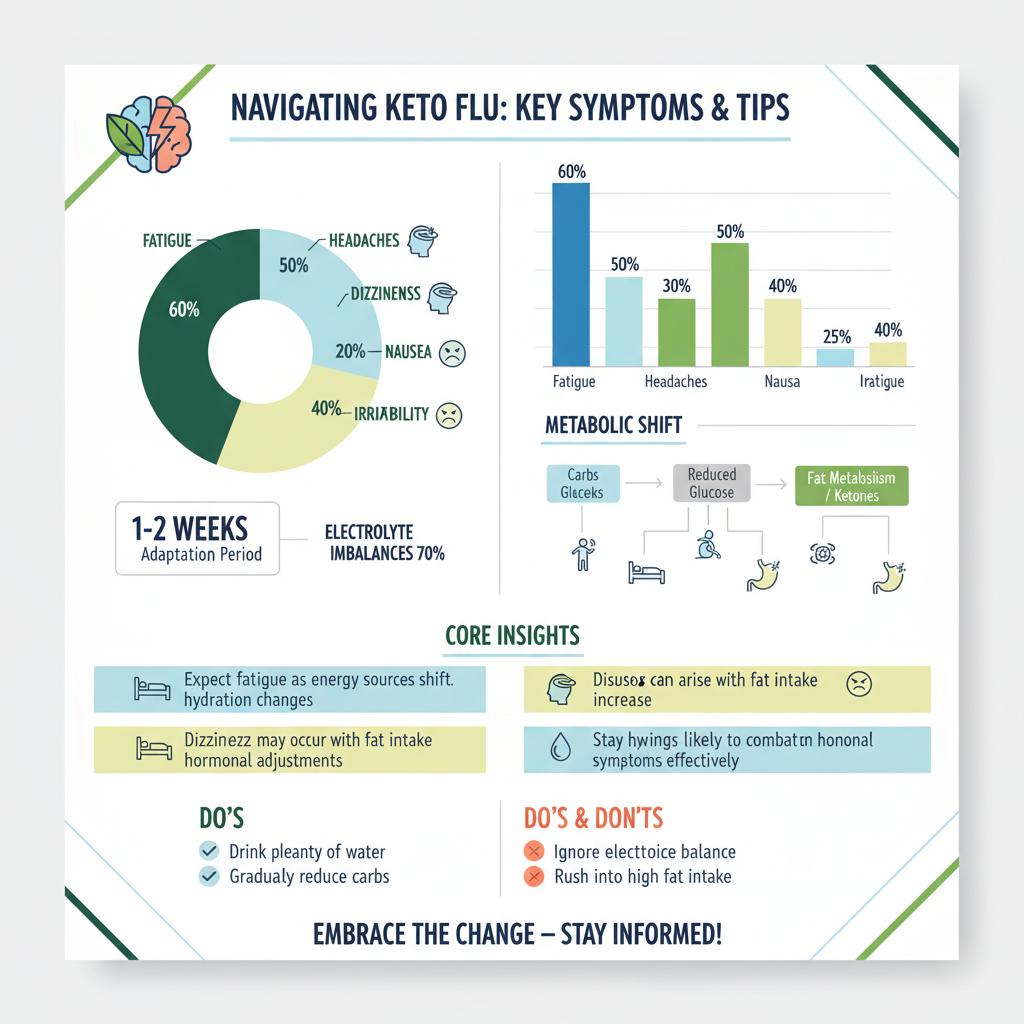

When embarking on a ketogenic diet, individuals may experience several prevalent symptoms. Commonly reported issues include:
– Fatigue: As the body reduces its reliance on carbohydrates, energy levels may dip, leading to feelings of tiredness and lethargy. This symptom can be particularly pronounced in the initial days of the diet.
– Headaches: Many people report headaches during the keto adaptation phase. This could be attributed to changes in hydration and electrolyte levels.
– Dizziness: A drop in blood sugar levels and dehydration can contribute to feelings of lightheadedness or dizziness, especially upon standing.
– Nausea: Some individuals may experience gastrointestinal discomfort, including nausea, as their bodies adjust to a higher fat intake.
– Irritability: Mood swings can occur due to fluctuations in blood sugar and hormonal adjustments that happen during the transition to ketosis.
Understanding these symptoms is crucial, as they can significantly impact one’s motivation and adherence to the diet.
Causes of Keto Flu Symptoms
The primary cause of keto flu symptoms stems from the body’s transition from using carbohydrates to fats for energy. Carbohydrates are typically the body’s preferred source of fuel; when they are drastically reduced, the body must adapt to breaking down fats into ketones for energy. This metabolic shift can lead to various symptoms as the body struggles to find balance.
Moreover, during this transition, many individuals experience electrolyte imbalances and dehydration. The ketogenic diet often leads to a reduction in insulin levels, causing the kidneys to excrete excess sodium and water. This can result in a significant loss of electrolytes, such as potassium and magnesium, which are vital for many bodily functions. The combination of metabolic changes and electrolyte disturbances is a major contributor to the discomfort experienced during the keto flu.
Duration of Keto Flu Symptoms
Keto flu symptoms typically begin within the first few days of starting a ketogenic diet, often within 1-3 days. The duration of these symptoms can vary widely among individuals. For most, symptoms may last from a few days to a week, while others might experience discomfort for up to two weeks. Factors influencing the duration of symptoms include adherence to the diet, individual metabolic rates, and overall health status. Staying committed to the diet, while ensuring adequate hydration and nutrient intake, can help mitigate the length and severity of keto flu symptoms.
Managing and Mitigating Symptoms
Managing keto flu symptoms is essential for ensuring a smoother transition into ketosis. Here are some actionable tips to alleviate discomfort:– Stay Hydrated: Increasing water intake is crucial to combat dehydration and help flush out toxins as the body adjusts to a new diet. Aim for at least 2-3 liters of water daily.
– Replenish Electrolytes: Consider incorporating electrolyte supplements or consuming foods rich in potassium (like avocados and spinach) and magnesium (such as nuts and seeds) to restore balance.
– Gradual Transition: Instead of abruptly cutting carbohydrates, some individuals find it helpful to gradually reduce their carb intake over several days or weeks. This can ease the transition and lessen the severity of symptoms.
– Eat a Balanced Diet: Focus on whole foods rich in healthy fats, like olive oil, fatty fish, and avocados, while also including fiber-rich vegetables to support digestion.
– Rest and Sleep: Allow your body to adjust by prioritizing rest and quality sleep. This can help restore energy levels and improve mood.
By taking these proactive steps, individuals can better manage their symptoms and support their body during this initial transition.
When to Seek Medical Advice
While keto flu is generally a temporary and manageable condition, there are instances where symptoms may warrant professional attention. If you experience severe symptoms such as persistent vomiting, extreme fatigue, or signs of dehydration (such as dizziness or confusion), it is crucial to consult a healthcare provider. Additionally, individuals with pre-existing health conditions, particularly those affecting metabolism or cardiac health, should seek medical advice before starting a ketogenic diet or if they experience concerning symptoms during the transition.
Monitoring your health while on a ketogenic diet is essential. Regular check-ins with a healthcare provider can help ensure that any potential issues are addressed promptly and that your dietary approach is suitable for your individual health needs.
Long-Term Effects of Keto Adaptation
The discomfort associated with keto flu is often short-lived, and as individuals adapt to the ketogenic diet, symptoms typically diminish significantly. Over time, many people report increased energy levels, improved mental clarity, and better overall health. The body becomes more efficient at burning fat for fuel, which can lead to weight loss and other health benefits, such as improved blood sugar control and reduced inflammation.
Once the body is fully adapted to ketosis, individuals often find that they experience fewer cravings and greater satisfaction from meals. The long-term benefits of the ketogenic diet can be substantial, making the initial discomfort of keto flu a worthwhile investment for many.
By understanding keto flu symptoms and their management, you can better prepare for your ketogenic journey. Embrace the transition with knowledge, and don’t hesitate to reach out for support or professional guidance to ensure a healthier experience. With patience and the right approach, you can successfully navigate the initial challenges of the ketogenic diet and reap its potential benefits.
Frequently Asked Questions
What are the common symptoms of keto flu?
The keto flu refers to a collection of symptoms that some individuals experience when transitioning into a ketogenic diet. Common symptoms include fatigue, headaches, irritability, dizziness, nausea, muscle cramps, and sugar cravings. These symptoms typically arise as the body adjusts to burning fat for fuel instead of carbohydrates, which can lead to temporary discomfort during the adaptation period.
How long do keto flu symptoms last?
Keto flu symptoms generally last anywhere from a few days to about two weeks, depending on the individual and their previous carbohydrate intake. Most people start to feel better within the first week as their bodies adapt to ketosis. Staying hydrated, maintaining electrolyte balance, and ensuring adequate fat intake can help alleviate these symptoms more quickly.
Why do some people experience keto flu while others do not?
The experience of keto flu varies among individuals due to factors such as metabolic flexibility, previous dietary habits, and overall health. People who have consumed a high-carb diet may face more significant symptoms as their bodies undergo a more drastic shift. Additionally, individual variations in genetics, hydration levels, and previous adaptation to low-carb diets can influence the severity of keto flu symptoms.
What are the best ways to alleviate keto flu symptoms?
To alleviate keto flu symptoms, it is essential to stay well-hydrated and replenish electrolytes, particularly sodium, potassium, and magnesium, as these minerals often deplete during the initial phases of a ketogenic diet. Consuming adequate amounts of healthy fats, engaging in light exercise, and ensuring sufficient rest can also help ease symptoms. Some people find that gradually reducing carbs instead of a sudden switch can mitigate symptoms.
Which foods can help ease symptoms of keto flu?
Foods rich in electrolytes—such as avocados, leafy greens, nuts, and seeds—can be particularly beneficial in alleviating keto flu symptoms. Incorporating bone broth is another effective way to replenish minerals and stay hydrated. Additionally, healthy fats like olive oil, coconut oil, and fatty fish not only support ketosis but also provide the energy needed during this transitional phase.