

Following a ketogenic diet can be simple and effective if approached correctly. The easiest way to do keto is by focusing on whole, unprocessed foods while minimizing carbohydrate intake. In this guide, you’ll learn the essential steps to effortlessly adopt a keto lifestyle, making it sustainable and enjoyable. By understanding the principles of keto, choosing the right foods, planning your meals, and addressing common challenges, you can successfully integrate this diet into your daily routine.
Understanding the Keto Diet

The ketogenic diet emphasizes high-fat, moderate-protein, and low-carbohydrate intake. Typically, the macronutrient breakdown is around 70-75% fats, 20-25% proteins, and only 5-10% carbohydrates. The primary goal of this diet is to enter a metabolic state called ketosis, where the body shifts from using glucose derived from carbohydrates as its main energy source to burning fat for fuel. This transition can lead to weight loss, improved energy levels, and enhanced mental clarity. To achieve ketosis, most individuals need to limit their carbohydrate intake to about 20-50 grams per day, depending on their body composition and activity level.
Choosing the Right Foods
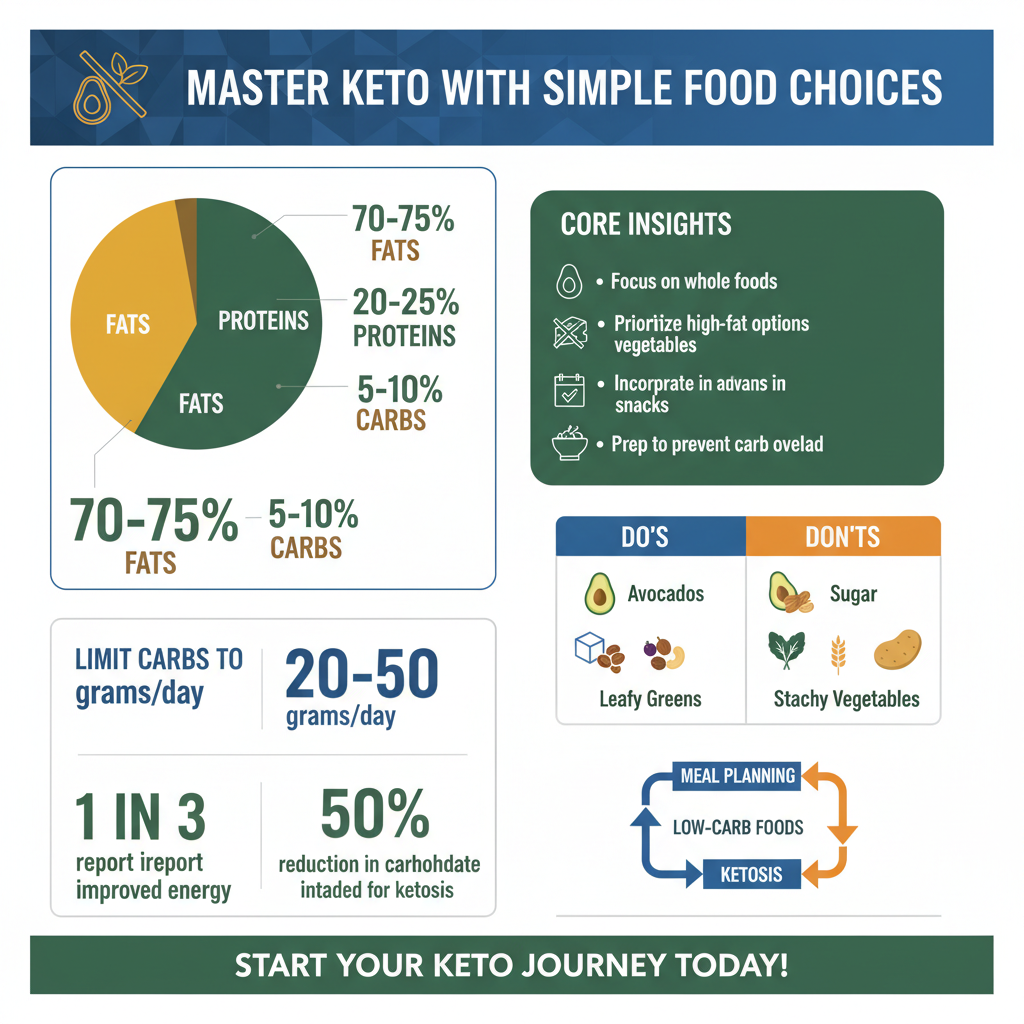
Selecting the right foods is crucial for adhering to the ketogenic diet. Focus on high-fat foods such as avocados, nuts, seeds, olive oil, and coconut oil, which provide essential nutrients while maintaining energy levels. Dairy products like cheese and heavy cream can also be included, as they are low in carbohydrates and high in fats. Proteins should come from sources like fatty cuts of meat, poultry, and fish, which not only support muscle maintenance but also contribute to satiety.
On the other hand, it’s essential to avoid starchy vegetables, grains, and sugary foods, as they can quickly increase your carbohydrate intake. For instance, instead of potatoes or corn, opt for non-starchy vegetables like leafy greens, broccoli, and bell peppers, which are low in carbohydrates but rich in vitamins and minerals. Additionally, be cautious with fruit; while berries can be consumed in moderation, fruits like bananas and apples should be avoided due to their higher sugar content.
Meal Planning Made Easy
Creating a weekly meal plan is one of the most effective strategies for successfully following a ketogenic diet. Start by outlining your meals for breakfast, lunch, dinner, and snacks, ensuring each meal aligns with your macronutrient goals. For instance, a simple breakfast could include scrambled eggs cooked in butter with spinach, while lunch might feature a salad topped with grilled chicken, avocado, and a high-fat dressing.
To avoid last-minute carb-heavy choices, consider meal prepping. Dedicate a few hours each week to cook and portion meals in advance. This not only saves time during busy weekdays but also helps you stay on track with your dietary goals. Utilize containers to store pre-made meals, which can be easily grabbed for lunch or dinner. By having healthy options readily available, the temptation to indulge in high-carb convenience foods diminishes significantly.
Incorporating Keto Snacks
Snacking can often derail individuals on a ketogenic diet if not managed properly. However, incorporating keto-friendly snacks can help curb hunger between meals and support your dietary goals. Stock up on snacks like cheese, hard-boiled eggs, beef jerky, and nuts, which provide a satisfying crunch while keeping carbohydrate levels low.
When snacking, be mindful of portion sizes. Nuts, while nutritious, are calorie-dense and can contribute significantly to your daily intake if not consumed in moderation. Aim for a handful of almonds or walnuts rather than mindlessly munching from the bag. Additionally, consider preparing pre-portioned snacks in advance to make healthy choices even easier.
Staying Hydrated and Balanced
Staying hydrated is critical, especially during the initial transition to ketosis. Many newcomers to the keto diet experience a temporary phase known as the “keto flu,” characterized by fatigue, headaches, and irritability. This can occur as the body adapts to burning fat instead of carbs. To combat these symptoms, ensure you drink plenty of water throughout the day.
In addition to hydration, consider adding electrolytes to your diet to balance sodium, potassium, and magnesium levels, which can be disrupted during the early stages of ketosis. Foods like leafy greens, avocados, and broth can help replenish these essential minerals. Some individuals also find that supplementing with electrolyte powders or tablets can alleviate symptoms associated with the keto flu.
Monitoring Progress
Tracking your progress is a vital component of successfully maintaining a ketogenic lifestyle. Utilize mobile apps or journals to log your food intake, which can help you stay accountable and ensure that you are meeting your macronutrient goals. Not only can this practice illuminate patterns in your eating habits, but it can also provide motivation as you see your progress over time.
Additionally, regularly checking your ketone levels can help you confirm that you are in ketosis. This can be done using urine test strips, breath meters, or blood ketone monitors. Understanding your body’s response to different foods and meal timings can further refine your approach to the ketogenic diet.
Overcoming Common Challenges
Like any dietary change, transitioning to a ketogenic lifestyle can present challenges. The so-called “keto flu” is common during the first week as your body adjusts to using fat as its primary fuel source. Symptoms may include fatigue, headaches, and irritability, which can be disheartening for beginners.
To ease these symptoms, consider increasing your salt intake, as sodium can help mitigate some of the discomfort associated with electrolyte loss. Staying hydrated is also critical, as it can help flush out toxins and promote overall well-being. Engaging in light exercise during this period can also help facilitate the transition while boosting your mood and energy levels.
Embracing the keto diet can be straightforward if you stick to the basics. By understanding what to eat, planning your meals, and staying hydrated, you can enjoy a low-carb lifestyle without overcomplicating it. Start by making small changes today, and you’ll find it easier to maintain your keto journey. The key to success lies in consistency, mindfulness, and a willingness to adapt your approach as needed. Whether you are seeking weight loss, improved energy, or enhanced mental clarity, the ketogenic diet offers a versatile framework to help you achieve your health goals.
Frequently Asked Questions
What foods can I eat on a simple keto diet?
On a simple keto diet, you can focus on foods that are low in carbohydrates and high in healthy fats. This includes avocados, nuts, seeds, fatty fish (like salmon), eggs, dairy products (such as cheese and cream), and low-carb vegetables (like spinach, broccoli, and cauliflower). Incorporating these foods will help you achieve and maintain ketosis, the metabolic state where your body burns fat for fuel instead of carbohydrates.
How do I start a keto diet without feeling overwhelmed?
To start a keto diet simply, begin by planning your meals and snacks around low-carb, high-fat foods. Create a weekly menu that includes easy recipes and shopping lists to streamline the process. Additionally, focus on eliminating high-carb foods gradually instead of all at once; this approach will help you adapt to the new diet without feeling deprived or overwhelmed.
Why is tracking my macros important on a keto diet?
Tracking your macros is crucial on a keto diet because it helps ensure you maintain the right balance of fats, proteins, and carbohydrates necessary for ketosis. By monitoring your intake, you can adjust your diet to fit the ideal ratio, typically around 70-75% fats, 20-25% proteins, and 5-10% carbs. This practice not only aids in achieving weight loss goals but also helps you understand how different foods affect your body.
What are some easy keto snacks for beginners?
Easy keto snacks for beginners include cheese sticks, hard-boiled eggs, nuts, olives, and low-carb protein bars. You can also enjoy vegetables like cucumber or bell peppers paired with high-fat dips such as guacamole or cream cheese. Keeping your snacks simple and prepared in advance will help you stay on track with your keto diet while satisfying cravings.
Which common mistakes should I avoid when starting a keto diet?
Common mistakes to avoid when starting a keto diet include not drinking enough water, neglecting to track your carb intake, and failing to incorporate enough fiber into your meals. Additionally, many beginners can experience the “keto flu” due to electrolyte imbalances; to prevent this, ensure you consume adequate salt, potassium, and magnesium. Being mindful of these pitfalls will help you transition smoothly into a successful keto lifestyle.
References
- Ketogenic diet
- https://www.health.harvard.edu/staying-healthy/the-ketogenic-diet
- https://www.ncbi.nlm.nih.gov/pmc/articles/PMC5852209/
- https://www.mayoclinic.org/healthy-lifestyle/nutrition-and-healthy-eating/in-depth/keto-diet/art-20459628
- https://www.cdc.gov/healthyweight/healthy_eating/index.html
- https://www.nutrition.gov/topics/nutrition-basics/keto-diet