

The keto diet and paleo diet are both popular dietary approaches, yet they differ significantly in their principles and food choices. The keto diet emphasizes high fat and very low carbohydrate intake to achieve a state of ketosis, while the paleo diet focuses on whole, unprocessed foods that mimic the eating habits of our ancient ancestors. In this article, you will learn about the main differences between these two diets, including their principles, food choices, and health implications.
Understanding the Keto Diet

The keto diet is designed to shift the body’s metabolism from burning carbohydrates to burning fat for energy. To achieve this metabolic state, the diet typically aims for a macronutrient ratio of approximately 70% fat, 25% protein, and only 5% carbohydrates. By drastically reducing carbohydrate intake, the body enters ketosis, a state in which it breaks down fat into ketones to use as its primary energy source. This process can lead to rapid weight loss and improved energy levels, making the keto diet appealing for those looking to shed pounds quickly.
In addition to weight loss, the keto diet has been researched for potential benefits in managing certain health conditions, such as epilepsy and type 2 diabetes. For instance, ketones have been shown to provide a more stable energy source for the brain, which can enhance mental clarity and focus. However, achieving and maintaining ketosis requires careful planning and adherence to the strict macronutrient guidelines, which can be challenging for some individuals.
Understanding the Paleo Diet
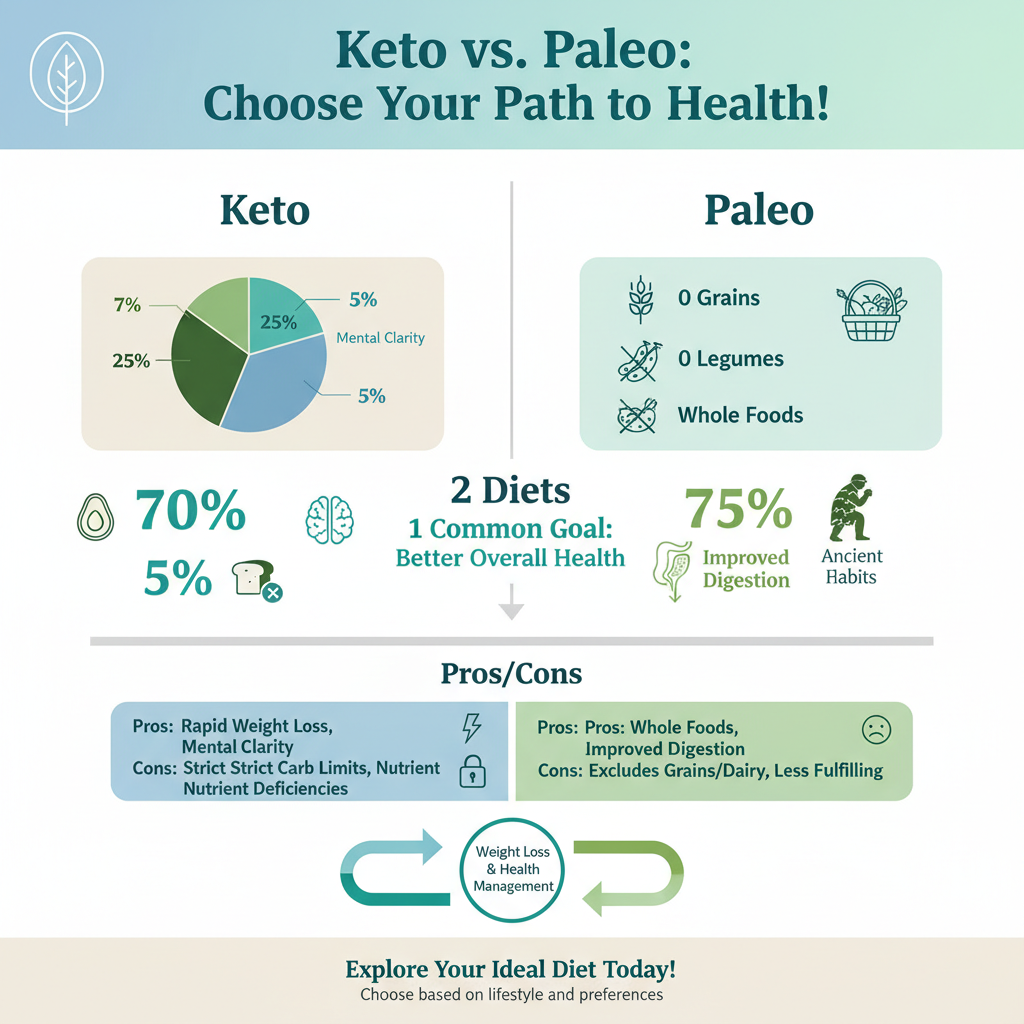

The paleo diet, also known as the “caveman diet,” is grounded in the notion that modern diets are largely responsible for various health issues. This diet promotes the consumption of foods that our ancestors would have eaten during the Paleolithic era. The primary focus is on whole, unprocessed foods that are nutrient-dense and free from additives. This typically includes lean meats, fish, fruits, vegetables, nuts, and seeds.
In contrast to the keto diet, the paleo diet excludes grains, legumes, and dairy products, which are considered to have been introduced relatively recently in human history. Proponents of the paleo diet argue that by eating in a way that aligns with our evolutionary biology, we can improve digestion, enhance energy levels, and reduce the risk of chronic diseases. The emphasis on whole foods also encourages the intake of vitamins, minerals, and antioxidants, which are vital for overall health.
Key Differences in Food Choices
One of the most significant differences between the keto and paleo diets lies in their food choices. The keto diet allows for high-fat foods, including avocados, cheese, heavy creams, and various oils, which help to achieve the desired macronutrient ratios. While the paleo diet also includes healthy fats, it emphasizes obtaining those fats from whole food sources like nuts, seeds, and fatty fish, placing less emphasis on dairy products and oils.
Additionally, the paleo diet permits a wider range of carbohydrates, including fruits and starchy vegetables such as sweet potatoes and carrots. These foods are typically limited or avoided on the keto diet due to their higher carbohydrate content. For example, while berries may be consumed in moderation on a keto diet, they are more readily accepted in larger quantities on a paleo meal plan. This fundamental difference in carbohydrate restrictions significantly impacts the overall dietary experience and the types of meals one can prepare on each diet.
Health Benefits and Risks of Keto
The keto diet offers several potential health benefits. Many individuals report rapid weight loss, which can be motivating for those seeking to improve their body composition. Additionally, studies suggest that the keto diet may improve mental clarity and focus, as ketones can be a more efficient source of energy for the brain compared to glucose. Furthermore, the diet may help regulate blood sugar levels and improve insulin sensitivity, making it a potential choice for individuals with type 2 diabetes.
However, the keto diet is not without its risks. Some individuals experience the “keto flu” during the initial transition period, which can include symptoms like fatigue, headaches, and irritability. Long-term adherence to a high-fat, low-carbohydrate diet may also lead to nutrient deficiencies if not carefully managed, especially concerning vitamins and minerals typically found in fruits, vegetables, and whole grains. Additionally, there are concerns regarding the long-term effects of high saturated fat intake on heart health, emphasizing the importance of choosing healthy fat sources.
Health Benefits and Risks of Paleo
The paleo diet is often praised for its focus on whole, unprocessed foods, which can lead to improved digestion and better overall health. Many adherents report increased energy levels and enhanced weight management due to the diet’s emphasis on nutrient-dense foods. Additionally, the exclusion of processed foods may lead to a reduction in added sugars and unhealthy fats, further supporting heart health and reducing the risk of chronic diseases.
Despite its advantages, the paleo diet has some potential drawbacks. Individuals may struggle to meet their nutritional needs, especially if they eliminate entire food groups such as dairy and grains, which are rich in calcium and fiber, respectively. Furthermore, the cost of organic and natural food products often recommended in the paleo diet can be higher than conventional options, posing a financial barrier for some individuals. As with any dietary approach, it is crucial to ensure nutritional adequacy and balance.
Suitability for Different Lifestyles
The keto diet may be particularly suitable for individuals looking for rapid weight loss and improved metabolic health. However, it requires strict adherence to macronutrient ratios, which can be challenging for those with busy lifestyles or those who enjoy a variety of foods. Meal planning and preparation become essential components for success on the keto diet, as spontaneous food choices are often limited.
On the other hand, the paleo diet is often seen as more sustainable for long-term adherence. Its focus on whole foods allows for a broader range of food choices and may lead to a more enjoyable eating experience. Individuals who prefer a flexible approach to their diet may find the paleo diet more accommodating to their social and lifestyle needs. However, it may not yield the same rapid results as the keto diet, which could be a consideration for those with specific weight loss goals.
Who Should Consider Each Diet?
The keto diet might be ideal for individuals with specific health conditions, such as epilepsy or metabolic syndrome, where the diet can offer significant benefits. Those who are highly motivated and can commit to strict dietary guidelines may thrive on the keto plan. Additionally, individuals seeking quick weight loss results may find the keto diet appealing.
Conversely, the paleo diet can be a better choice for those seeking a balanced, whole-food approach without the rigidity of macronutrient counting. It may suit individuals looking for a long-term lifestyle change rather than a temporary diet. Those who enjoy cooking and experimenting with different foods may appreciate the variety that the paleo diet offers.
In summary, the keto diet emphasizes high fat consumption and carbohydrate restriction to promote ketosis, while the paleo diet focuses on whole foods and ancestral eating patterns. Each diet presents unique benefits and challenges, making it essential to consider personal health goals, preferences, and lifestyle factors when choosing between the two. Consulting with a healthcare professional can provide additional guidance tailored to individual health needs. Ultimately, understanding the differences between these diets empowers individuals to make informed choices that align with their health journeys.
Frequently Asked Questions
What is the main difference between the keto diet and the paleo diet?
The primary difference between the keto diet and the paleo diet lies in their macronutrient composition and food focus. The keto diet is a high-fat, low-carbohydrate diet designed to induce ketosis, a metabolic state where the body burns fat for fuel instead of carbohydrates. In contrast, the paleo diet emphasizes whole, unprocessed foods that were available to our prehistoric ancestors, promoting a balanced intake of proteins, healthy fats, and carbohydrates from fruits and vegetables, without any grains, legumes, or dairy.
How does the keto diet affect weight loss compared to the paleo diet?
The keto diet can lead to rapid weight loss due to its strict carbohydrate restriction, which helps the body enter ketosis and burn fat more efficiently. In contrast, the paleo diet may result in gradual weight loss as it focuses on whole foods and encourages better eating habits but doesn’t aim for ketosis. Both diets can be effective for weight loss, but individual results may vary based on adherence and personal metabolism.
Why might someone choose the paleo diet over the keto diet?
Individuals might choose the paleo diet over the keto diet for various reasons, including a preference for a more balanced approach to nutrition and a focus on whole foods without processed ingredients. The paleo diet allows for a wider variety of fruits and vegetables, which can be appealing for those not wanting to limit their carbohydrate intake severely. Additionally, those who are concerned about the long-term sustainability of a high-fat diet may find the paleo diet more manageable and aligned with their lifestyle.
Which diet is better for someone with diabetes: keto or paleo?
While both the keto diet and paleo diet can be beneficial for individuals with diabetes, the keto diet may provide more immediate results in blood sugar control due to its low carbohydrate intake, which helps stabilize insulin levels. However, the paleo diet can also promote better overall health and blood sugar management through its focus on whole foods, fiber-rich vegetables, and healthy fats. It’s essential for anyone with diabetes to consult a healthcare professional before starting either diet to tailor the approach to their individual needs.
What foods are restricted in the keto diet but allowed in the paleo diet?
In the keto diet, foods that are high in carbohydrates are restricted, including grains, starchy vegetables, most fruits, and sugar, to maintain a low carb intake. Conversely, the paleo diet permits these foods, specifically focusing on whole foods like lean meats, fish, fruits, nuts, and seeds while excluding processed foods, dairy, and legumes. This distinction allows for a wider range of food choices in the paleo diet, which can be beneficial for those looking for variety in their meals.
References
- Ketogenic diet
- Paleolithic diet
- https://www.healthline.com/nutrition/keto-vs-paleo
- https://www.webmd.com/diet/what-is-the-keto-diet
- https://www.webmd.com/diet/what-is-the-paleo-diet
- https://www.ncbi.nlm.nih.gov/pmc/articles/PMC7071795/
- https://www.health.harvard.edu/blog/the-keto-and-paleo-diets-what-you-need-to-know-2019091718064
- https://www.sciencedirect.com/science/article/pii/S0195666317304323