

Wild rice is not considered keto-friendly due to its relatively high carbohydrate content. While it offers various health benefits, those following a strict ketogenic diet should be cautious about incorporating wild rice into their meals. In this article, we’ll explore the nutritional profile of wild rice, its potential impact on a keto diet, and some alternatives you might consider.
Nutritional Profile of Wild Rice

Wild rice is a unique grain that stands out in terms of its nutritional composition. A cooked cup of wild rice contains approximately 35 grams of carbohydrates, which is significant when considering a low-carb diet. In addition to carbohydrates, wild rice is a source of plant-based protein, offering around 6-7 grams per cup. This makes it a good option for those looking to maintain their protein intake while enjoying the texture and flavor of rice.
Moreover, wild rice is rich in dietary fiber, providing about 3 grams per serving. This fiber content not only aids in digestion but also contributes to a feeling of fullness, which can be beneficial in weight management. Wild rice is also packed with essential vitamins and minerals, including B vitamins, magnesium, phosphorus, and zinc, which support overall health and well-being. These nutrients play various roles in bodily functions, from energy production to immune support.
Carb Count and Keto Guidelines
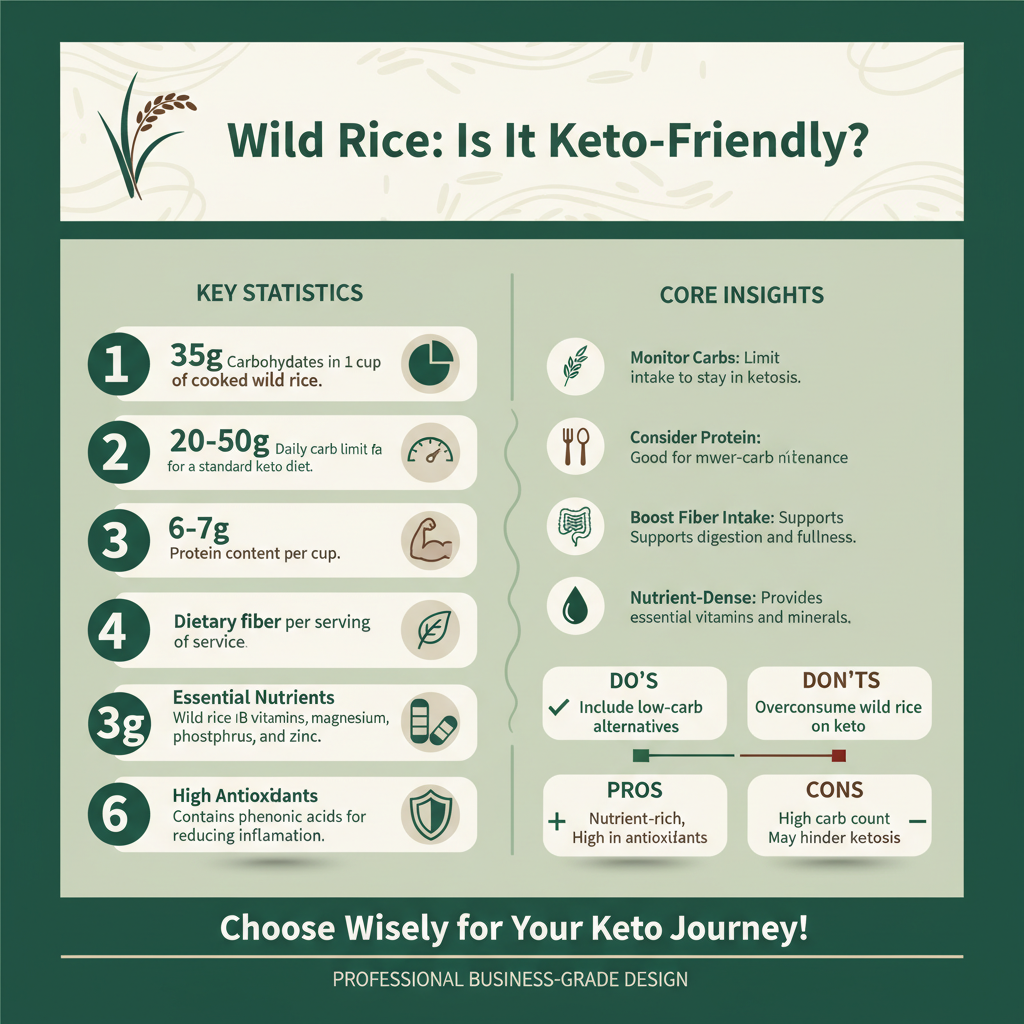

A standard ketogenic diet typically limits carbohydrate intake to 20-50 grams per day, depending on individual metabolic responses and goals. This significant restriction is necessary to encourage the body to enter a state of ketosis, where it burns fat for fuel instead of carbohydrates. Given that just one cup of cooked wild rice contains approximately 35 grams of carbohydrates, consuming this grain can quickly consume a large portion of your daily carb allowance.
For many individuals on a ketogenic diet, this can be problematic. Entering and maintaining ketosis requires careful monitoring of carbohydrate sources, and incorporating wild rice could lead to exceeding the daily limit, thereby hindering the desired metabolic state. Therefore, while wild rice is a nutritious food, it may not fit well into the framework of a strict keto lifestyle.
Health Benefits of Wild Rice
Despite its carbohydrate content, wild rice does offer numerous health benefits that are worth noting. One of its most notable attributes is its rich antioxidant profile. Antioxidants are compounds that help combat oxidative stress in the body, reducing inflammation and lowering the risk of chronic diseases. The antioxidants found in wild rice, such as phenolic acids, contribute to better overall health.
Additionally, wild rice supports heart health due to its high fiber content and low fat. The soluble fiber helps lower cholesterol levels and improve heart function. The presence of essential fatty acids also contributes to cardiovascular health, making wild rice a heart-friendly option when consumed in moderation.
Moreover, wild rice’s complex carbohydrates provide a steady source of energy, which can be beneficial for active individuals. It also has a lower glycemic index compared to white rice, meaning it has a lesser impact on blood sugar levels, making it a better option for those managing diabetes or insulin sensitivity.
Alternatives to Wild Rice on a Keto Diet
For those adhering to a ketogenic diet, several low-carb alternatives can provide similar textures and flavors without the high carbohydrate count. One popular substitute is cauliflower rice, made from grated cauliflower. This low-carb option contains less than 5 grams of carbohydrates per cup and can be easily flavored and seasoned to mimic the taste of traditional rice.
Zucchini noodles, or “zoodles,” are another excellent alternative. They are made by spiralizing zucchini into noodle-like strands, offering a low-carb base for various dishes while adding essential nutrients. A cup of zucchini noodles contains approximately 4 grams of carbohydrates, making it a great addition to a keto meal.
Shirataki rice, derived from the konjac yam, is also a fantastic option, containing virtually no carbohydrates. This rice alternative is low in calories and can absorb flavors well, making it suitable for a variety of dishes. These substitutes allow individuals on a keto diet to enjoy rice-like textures while maintaining their low-carb lifestyle.
Incorporating Wild Rice in Moderation
If you have a fondness for wild rice and don’t want to eliminate it entirely from your diet, consider incorporating it in moderation. Instead of using wild rice as a primary component of your meals, you can use small amounts as a side dish, balancing it with low-carb vegetables and healthy fats. This approach can help mitigate the impact of wild rice on your overall carb intake.
For example, pairing a small serving of wild rice with sautéed spinach, grilled chicken, and avocado can create a satisfying and nutritious meal while keeping your carb count in check. By being mindful of portion sizes and balancing your plate with keto-friendly ingredients, you can enjoy the benefits of wild rice without compromising your dietary goals.
Personalizing Your Keto Approach
It’s important to remember that everyone’s body reacts differently to carbohydrates. Some individuals may be able to incorporate small amounts of wild rice into their ketogenic diet without significantly affecting their ketosis, while others may need to avoid it entirely. Monitoring your body’s response to different foods is crucial in personalizing your diet.
Consulting with a nutritionist or dietitian can provide personalized guidance on how to incorporate various foods into your diet, including wild rice. These professionals can help you create a balanced meal plan that aligns with your health goals while allowing for occasional indulgences.
In summary, while wild rice has numerous health benefits, its carbohydrate content makes it less suitable for a strict ketogenic diet. If you’re looking to maintain ketosis, consider using wild rice sparingly or opt for low-carb alternatives that fit your dietary needs. For more tips on keto-friendly foods, explore our other articles or share your thoughts in the comments!
Frequently Asked Questions
Is wild rice considered keto-friendly?
Wild rice is not typically deemed keto-friendly due to its higher carbohydrate content compared to other low-carb alternatives. A one-cup serving of cooked wild rice contains approximately 35 grams of carbohydrates, which can be challenging for those following a strict ketogenic diet that generally limits daily carb intake to about 20-50 grams. Therefore, while wild rice can fit into a balanced diet, it may not be suitable for those strictly adhering to keto principles.
How many carbs are in wild rice compared to other grains?
Wild rice contains around 35 grams of carbohydrates per cooked cup, which is significantly higher than many low-carb options. For comparison, cauliflower rice has roughly 5 grams of carbohydrates, while zucchini noodles contain about 4 grams per serving. These lower-carb alternatives are more aligned with the ketogenic diet, making them preferable choices for those looking to maintain ketosis.
Why do some people include wild rice in their keto diet?
Some individuals may choose to include wild rice in their keto diet for its nutritional benefits, as it is rich in protein, fiber, and various vitamins and minerals. While it is higher in carbohydrates, the fiber content can help mitigate blood sugar spikes, creating a more balanced meal when consumed in moderation. Additionally, for those who follow a more liberal low-carb approach rather than strict keto, small portions of wild rice may be acceptable.
What are the best alternatives to wild rice for a keto diet?
The best alternatives to wild rice for a keto diet include cauliflower rice, shirataki rice, and zucchini noodles. Cauliflower rice is particularly popular due to its low carbohydrate count and versatility in recipes. Shirataki rice is made from konjac root and contains almost zero calories, making it an excellent choice for those strictly monitoring their carb intake. Zucchini noodles also provide a low-carb, nutrient-rich option that can be used in various dishes.
How can I incorporate wild rice into a low-carb meal plan?
If you wish to incorporate wild rice into a low-carb meal plan, consider using it as a small side dish rather than the main component of your meal. Pair it with high-protein foods like grilled chicken or fish and plenty of non-starchy vegetables to maintain a balanced nutritional profile. Additionally, you can mix a smaller portion of wild rice with cauliflower rice to enjoy its flavor while keeping the overall carb count lower.
References
- https://www.healthline.com/nutrition/wild-rice-keto
- https://www.ncbi.nlm.nih.gov/pmc/articles/PMC6460932/
- Everyday Health: Trusted Medical Information, Expert Health Advice, News, Tools, and Resources
- https://www.verywellfit.com/wild-rice-keto-diet-5189482
- https://www.fsis.usda.gov/wps/portal/fsis/topics/food-safety-education/get-answers/food-safety-fact-sheets
- Wild rice
- https://www.ncbi.nlm.nih.gov/pmc/articles/PMC4929564/