Whole30 isn’t keto; they are distinct dietary approaches. While Whole30 emphasizes clean eating and a 30-day reset, banning grains, dairy, and sugars, Keto focuses on a high-fat, low-carb intake to induce ketosis. Their macronutrient ratios differ considerably, with Whole30 allowing for more carbohydrates from whole foods. Both diets promote whole, unprocessed foods but have unique principles and goals. If you’re considering either or both, there’s more to explore about how they can impact your health.
Understanding the Whole30 Diet
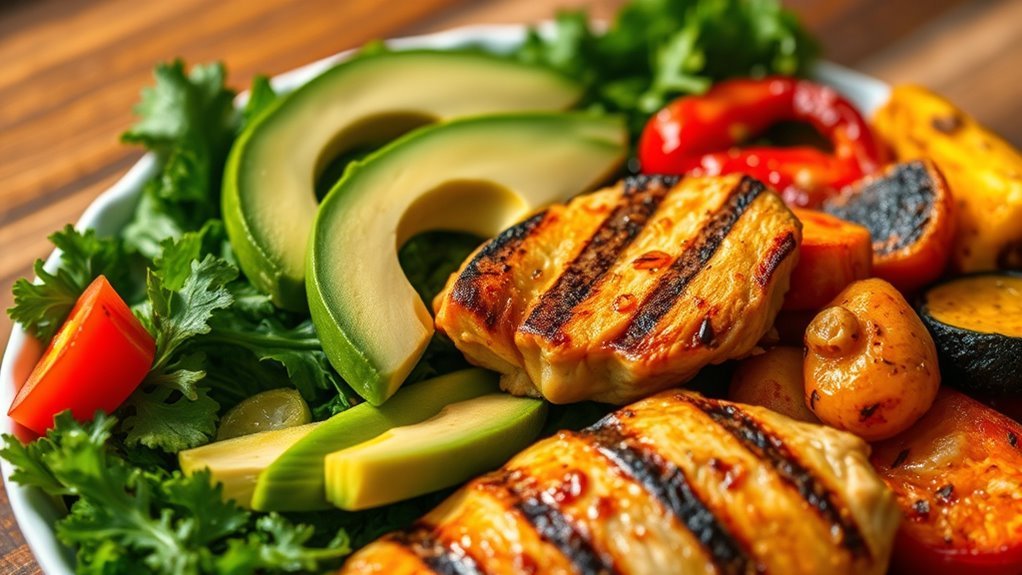
When you plunge into the Whole30 diet, you’ll find it’s not just about cutting calories or losing weight; it’s designed to reset your eating habits and promote a healthier relationship with food. The Whole30 principles focus on whole, unprocessed foods, steering clear of sugar, grains, and legumes for 30 days. You’ll encounter challenges, but the benefits—like improved energy and digestion—can be life-changing. Meal planning is essential for Whole30 success, making it easier to stick to the lifestyle. Engaging with the Whole30 community offers support and access to creative recipes. Adopting a Whole30 mindset allows you to reflect on your eating habits and differentiate between Whole30 and Paleo, empowering your journey towards freedom in your food choices.
Exploring the Keto Diet
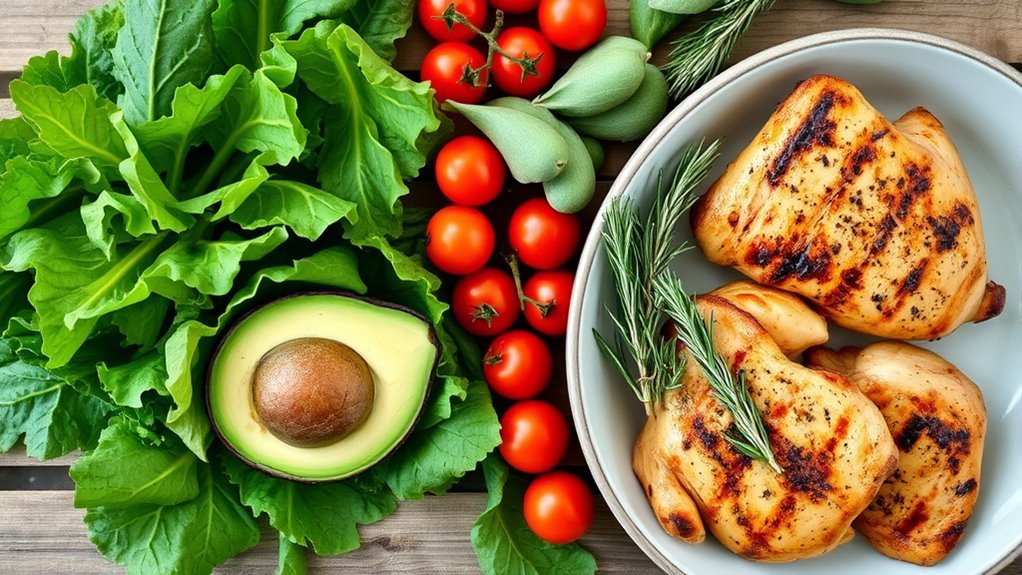
When you explore the keto diet, you’ll find that it focuses on high-fat, low-carbohydrate eating to shift your body into a state of ketosis. This macronutrient breakdown emphasizes the importance of fats as your primary energy source, while reducing carbs considerably. Understanding the key principles and potential health benefits can help you determine if this approach aligns with your goals. Additionally, many people experience enhanced mental clarity as a result of transitioning to this high-fat diet.
Key Principles of Keto
Although many diets promote weight loss, the ketogenic diet, or keto, stands out due to its unique approach to macronutrient intake. At its core, keto emphasizes a high-fat, moderate-protein, and low-carbohydrate ratio, aiming to shift your body into a state of ketosis. This metabolic state enables your body to burn fat for fuel instead of carbs, which can lead to effective weight loss. However, there are common keto misconceptions, such as the belief that all fats are bad. It’s crucial to focus on healthy fats instead. While Whole30 benefits include eliminating processed foods, keto offers a different path to metabolic flexibility. By understanding these principles, you can make informed choices that align with your health goals. Additionally, incorporating healthy fats into your meals is essential for supporting nutritional needs on the keto diet.
Macronutrient Breakdown Explained
Understanding the macronutrient breakdown is essential for successfully following the keto diet. In a typical keto plan, you’ll aim for about 70-75% of your daily calories from fats, 20-25% from protein, and only 5-10% from carbohydrates. This macronutrient balance helps your body enter ketosis, where it burns fat for fuel instead of carbs. While strict adherence is often emphasized, you can also enjoy some dietary flexibility. This means you can adjust your macros slightly to suit your lifestyle or personal preferences, as long as you stay mindful of your carb intake. Ultimately, finding a balance that works for you can enhance your experience on the keto diet, making it more sustainable and enjoyable in the long run. Additionally, understanding how different foods affect macronutrient balance is vital for making informed dietary choices.
Health Benefits Overview
The keto diet has gained popularity for its potential health benefits, often attracting those looking to improve their overall well-being. Many individuals report weight loss, increased energy, and improved mental clarity when following this low-carb, high-fat plan. Research suggests that the keto diet may also help manage certain health conditions, like epilepsy and type 2 diabetes, by promoting better blood sugar control. However, it’s essential to evaluate your dietary preferences and nutrition choices before diving in. While some find success with keto, others might feel restricted or experience side effects. Ultimately, understanding how it aligns with your lifestyle and goals is key to reaping its benefits and achieving a sustainable, healthy way of living. Additionally, close monitoring of blood sugar levels is necessary for those with diabetes when following a ketogenic diet to ensure safety and effectiveness.
Key Principles of Whole30

When you start Whole30, you’ll need to understand its key principles, which include specific food restrictions and approved food categories. The program is designed to last for 30 days, focusing on clean eating to reset your body. Knowing these guidelines is essential for successfully steering through the Whole30 experience.
Food Restrictions Overview
Although Whole30 emphasizes a strict elimination of certain foods, its primary focus is on transforming your relationship with food and promoting a healthier lifestyle. When you commence this journey, you’ll learn to make thoughtful food swaps and engage in intentional meal planning, empowering you to take control of your eating habits.
Here’s a quick overview of common food restrictions:
| Food Category | Examples |
|---|---|
| Added Sugars | Candy, soda, desserts |
| Grains | Bread, pasta, rice |
| Dairy | Milk, cheese, yogurt |
| Legumes | Beans, lentils, peanuts |
| Processed Foods | Chips, frozen meals |
Understanding these restrictions can help you navigate your choices more freely as you embrace Whole30’s principles.
Approved Food Categories
While commencing your Whole30 journey, it’s essential to understand which food categories are approved, as these form the foundation of the program. You’ll focus on whole, unprocessed foods like vegetables, fruits, quality protein sources such as meat and fish, and healthy fats from nuts and seeds. These choices empower you to nourish your body without feeling restricted. If you’re looking for Whole30 snacks, consider options like raw veggies with guacamole or fruit with nut butter. Additionally, many Keto friendly ingredients overlap with Whole30, such as avocados and certain oils, allowing flexibility in meal planning. Embracing these approved categories not only enhances your culinary freedom but also supports your health goals. Incorporating keto-friendly vegetables like leafy greens and cruciferous options can further enrich your meals and maintain low carb intake.
Duration and Structure
The Whole30 program is designed to be completed in just 30 days, providing a structured approach to resetting your eating habits. This short duration allows for a focused transformation, emphasizing a clear start and end. In a duration comparison with keto, Whole30 offers a more defined timeline, making it easier to commit.
Here are three key structural elements of Whole30:
- Elimination Phase: You remove sugar, grains, dairy, and legumes to identify potential triggers.
- Reintroduction Phase: After 30 days, you slowly reintroduce eliminated foods, allowing for a structure analysis of your body’s responses.
- Support Resources: Use meal plans and community support for guidance, ensuring you stay empowered throughout the journey.
This balance fosters freedom in your dietary choices.
Core Principles of Keto
When you plunge into the keto diet, you’ll quickly notice its core principles center around drastically reducing carbohydrate intake while increasing fats. This approach taps into your body’s ability to enter ketosis, burning fat for fuel instead of glucose. The keto history reveals its origins in medical treatments, but misconceptions persist, like the belief that all fats are harmful.
Here’s a quick breakdown of the core principles:
| Principle | Focus | Example Foods |
|---|---|---|
| Carb Reduction | <20-50g daily | Leafy greens, nuts |
| High Fat Intake | 70-80% of calories | Avocados, olive oil |
| Moderate Protein | 20-25% of calories | Chicken, fish |
Understanding these principles can empower you to make informed choices on your health journey. This metabolic state not only facilitates fat burning but also enhances energy levels and mental clarity.
Macronutrient Ratios in Whole30 vs. Keto
Understanding the macronutrient ratios in Whole30 compared to keto reveals significant differences that can impact your dietary choices. While both diets promote health, they prioritize macronutrients differently. Here’s a quick macronutrient comparison:
- Whole30 focuses on balanced eating without strict ratios, typically comprising 30% protein, 30% fat, and 40% carbohydrates.
- Keto, conversely, emphasizes high fat intake, aiming for around 70% fat, 25% protein, and only 5% carbohydrates.
- This contrast can affect your dietary flexibility; Whole30 allows for more carbs from whole foods, while keto restricts them to maintain ketosis.
Ultimately, understanding these ratios helps you choose a path that aligns with your health goals and lifestyle preferences, granting you the freedom to enjoy your food choices.
Food Restrictions: Whole30 and Keto
While both Whole30 and keto aim to improve your health, their food restrictions differ considerably, which can influence your experience on each diet. Whole30 emphasizes whole, unprocessed food sources, allowing only fruits, vegetables, meats, and healthy fats while banning grains, dairy, added sugars, and legumes for 30 days. This approach encourages you to reset your eating habits and identify any potential food sensitivities. In contrast, keto focuses on high fat, moderate protein, and low carbohydrate intake, permitting certain dairy products and non-starchy vegetables but restricting most fruits and grains. These dietary guidelines reflect distinct philosophies: Whole30 promotes a short-term reset, while keto aims for long-term weight management. Understanding these differences can help you choose the right path for your health goals.
Potential Health Benefits of Each Diet
When considering the potential health benefits of both the Whole30 and keto diets, you might find differences in weight loss potential, energy levels, and gut health. Research suggests that both diets can lead to weight loss, but their approaches vary considerably. Understanding how each diet impacts your body can help you decide which might be more beneficial for your health goals.
Weight Loss Potential
Both the Whole30 and ketogenic diets have garnered attention for their weight loss potential, but they approach this goal through different mechanisms. While Whole30 emphasizes eliminating certain food groups to reset eating habits, the ketogenic diet focuses on reducing carbohydrate intake, prompting your body to burn fat for fuel. Here are three key weight loss strategies from each diet:
- Whole30: By cutting out sugar and processed foods, you may naturally reduce caloric intake and improve your food choices.
- Keto: A high-fat, low-carb approach can lead to ketosis, which may enhance fat burning and curb hunger.
- Sustainability: Finding the right fit for your lifestyle is vital for long-term success and weight management. Incorporating nutrient-dense options from the keto diet can enhance meal satisfaction and support overall health.
Choosing what aligns with your personal freedom is essential for lasting results.
Improved Energy Levels
Many people seek improved energy levels when considering dietary changes, and both Whole30 and the ketogenic diet offer distinct benefits in this area. Whole30 emphasizes whole foods, which can lead to enhanced energy stability as you eliminate processed items and potential allergens. By focusing on nutrient-dense foods, you might find a more consistent energy flow throughout the day. On the other hand, the ketogenic diet promotes fat as the primary energy source, which can also stabilize energy levels for many. As your body adapts to burning fat, you may experience fewer energy crashes. Both diets necessitate dietary adjustments, so it’s essential to choose one that aligns with your lifestyle and preferences for lasting energy improvements.
Gut Health Benefits
While exploring dietary options for gut health, you might find that both Whole30 and the ketogenic diet offer unique benefits. Each approach can enhance your digestive health, but they do so in different ways. Here are three gut health benefits:
- Whole30 emphasizes prebiotic foods like vegetables, which can foster a diverse microbiome and improve digestion.
- Keto often leads to reduced sugar intake, potentially decreasing inflammation and promoting a healthier gut lining.
- Both diets encourage whole, unprocessed foods, contributing to digestive diversity, which is essential for ideal gut function. Additionally, the keto diet basics emphasize the importance of whole, nutrient-dense foods that support overall health.
Common Misconceptions About Whole30 and Keto
What misconceptions might you have about the Whole30 and Keto diets? Many people believe Whole30 is just another low-carb diet, which is a Whole30 myth. In reality, it focuses on eliminating processed foods to reset your body. On the other hand, Keto misconceptions often suggest it’s solely about eating bacon and cheese, but it’s actually about achieving a state of ketosis through a high-fat, low-carb diet. Another misunderstanding is that you can easily switch between these diets; however, their foundational principles differ considerably. Embracing either path can lead to health benefits, but understanding their unique approaches is key. Knowledge helps you make informed choices, ensuring you experience true dietary freedom without the weight of misinformation.
Can You Combine Whole30 and Keto?
Combining Whole30 and Keto can be appealing for those seeking the benefits of both diets, but it’s important to understand how their principles interact. While Whole30 guidelines focus on eliminating certain food groups for a month, Keto emphasizes low carb intake for ketosis. Here are a few things to reflect on:
- Keto Compatibility: Some Whole30-compliant foods may not align with Keto’s low-carb requirements.
- Diet Flexibility: You might need to adjust your Whole30 meals to fit into a ketogenic framework, ensuring you maintain nutritional balance.
- Sustainability: Mixing both can be challenging, so be mindful of how this combination affects your energy levels and overall well-being. Additionally, ketosis supports weight loss by promoting fat burning for fuel, which may enhance your results when combining these diets.
Ultimately, combining these diets requires thoughtful planning to achieve your health goals without compromising your freedom of choice.
Making an Informed Choice: Which Diet Is Right for You?
How do you decide which diet is right for you when faced with options like Whole30 and Keto? Start by evaluating your dietary preferences and lifestyle considerations. Whole30 emphasizes whole foods and eliminates sugar and processed ingredients, making it great for a reset. On the other hand, Keto focuses on low-carb, high-fat intake, which might suit those looking to lose weight quickly or manage certain health conditions. Consider your goals: Are you seeking long-term changes, or a short-term reset? Think about your daily routine, cooking habits, and food enjoyment. Both diets can offer benefits, but your success hinges on how well they align with your personal values and lifestyle. Ultimately, the best choice is one you can maintain and enjoy. Additionally, it’s essential to consider the potential risks and concerns associated with each diet to make an informed decision.
Frequently Asked Questions
Can I Drink Alcohol on Whole30 or Keto?
You can’t drink alcohol on Whole30, but on Keto, you’ve got some options. Picture yourself at a lively gathering, choosing between sparkling water or a low-carb cocktail. In social situations, sticking to your goals means managing your alcohol choices wisely. Remember, while Keto allows some drinks, moderation’s key. So, if you’re after freedom in your diet, consider the impact of alcohol on your journey and enjoy every sip you choose!
Are There Any Snacks Allowed on Whole30 and Keto?
Yes, there are healthy snack options on both Whole30 and Keto. You can enjoy fresh veggies like carrots or bell peppers, paired with guacamole or homemade salsa. Nuts and seeds are also great alternatives, but keep portions in check, especially on Keto. If you’re craving something sweet, try berries or coconut chips. Just remember, sticking to whole, unprocessed foods will help you feel your best while enjoying your freedom to snack!
How Long Should I Follow Whole30 or Keto?
You should follow Whole30 for 30 days, as it’s designed to reset your eating habits and identify food sensitivities. After that, you can decide what works best for you. Keto can be followed longer, often for several months or more, depending on your health goals. It’s important to listen to your body and consult a professional if you’re unsure. Both diets offer freedom in choosing foods that make you feel your best.
Can I Meal Prep for Whole30 or Keto?
Yes, you can definitely meal prep for Whole30 or keto! Some might worry that it limits spontaneity, but with the right meal prep tips, you’ll gain freedom in your week. Try batch cooking proteins like chicken or beef, and prepping veggies for quick stir-fries. Recipe ideas like zucchini noodles or cauliflower rice can keep meals exciting. Planning ahead helps you stay on track while enjoying delicious, compliant meals without feeling restricted.
What Are the Costs Associated With Whole30 and Keto Diets?
Both Whole30 and Keto can involve varying costs. Whole30 budgeting often includes fresh produce and high-quality proteins, which might be pricier. On the other hand, Keto meal planning can lead to expenses for specialty items like low-carb snacks and fats. You can manage your budget by focusing on whole foods, buying in bulk, and meal prepping. Ultimately, the costs depend on your choices and how you prioritize your health and dietary goals.
References
- https://www.ncbi.nlm.nih.gov/pmc/articles/PMC7361314/
- https://www.health.harvard.edu/blog/the-whole30-diet-what-you-need-to-know-2019031816356
- https://www.webmd.com/diet/what-is-whole30
- https://www.mayoclinic.org/healthy-lifestyle/nutrition-and-healthy-eating/in-depth/keto-diet/art-20459891
- https://www.verywellfit.com/what-is-the-whole30-diet-5185745
- https://www.eatright.org/health/wellness/preventing-illness/understanding-the-whole30-diet
- https://www.cdc.gov/healthyweight/healthy_eating/dietary_guidelines.html