

Watermelon is not generally considered a good fit for a ketogenic diet due to its higher carbohydrate content compared to other fruits. However, if consumed in moderation, it can still be enjoyed while maintaining ketosis. In this article, we’ll explore the nutritional profile of watermelon, its impact on ketosis, and tips for including it in your diet without compromising your ketogenic goals.
Nutritional Profile of Watermelon
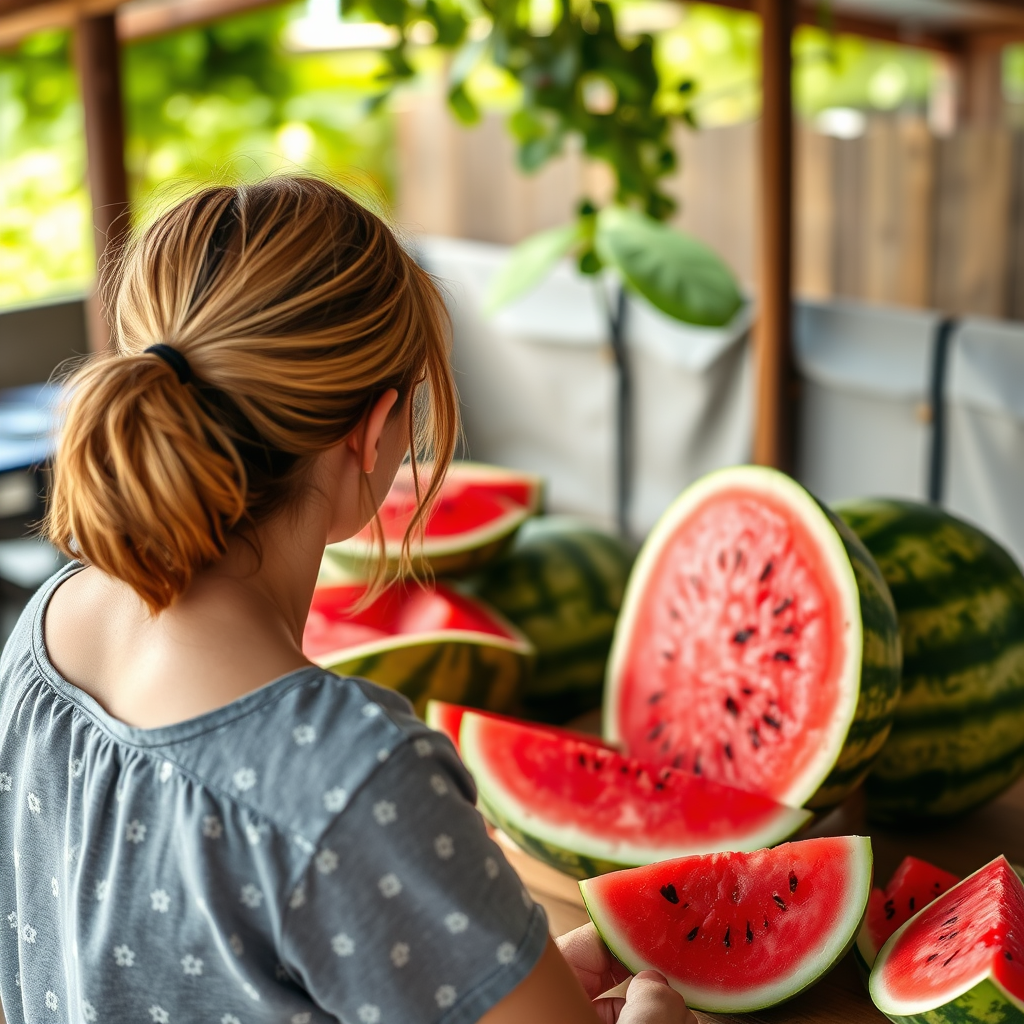
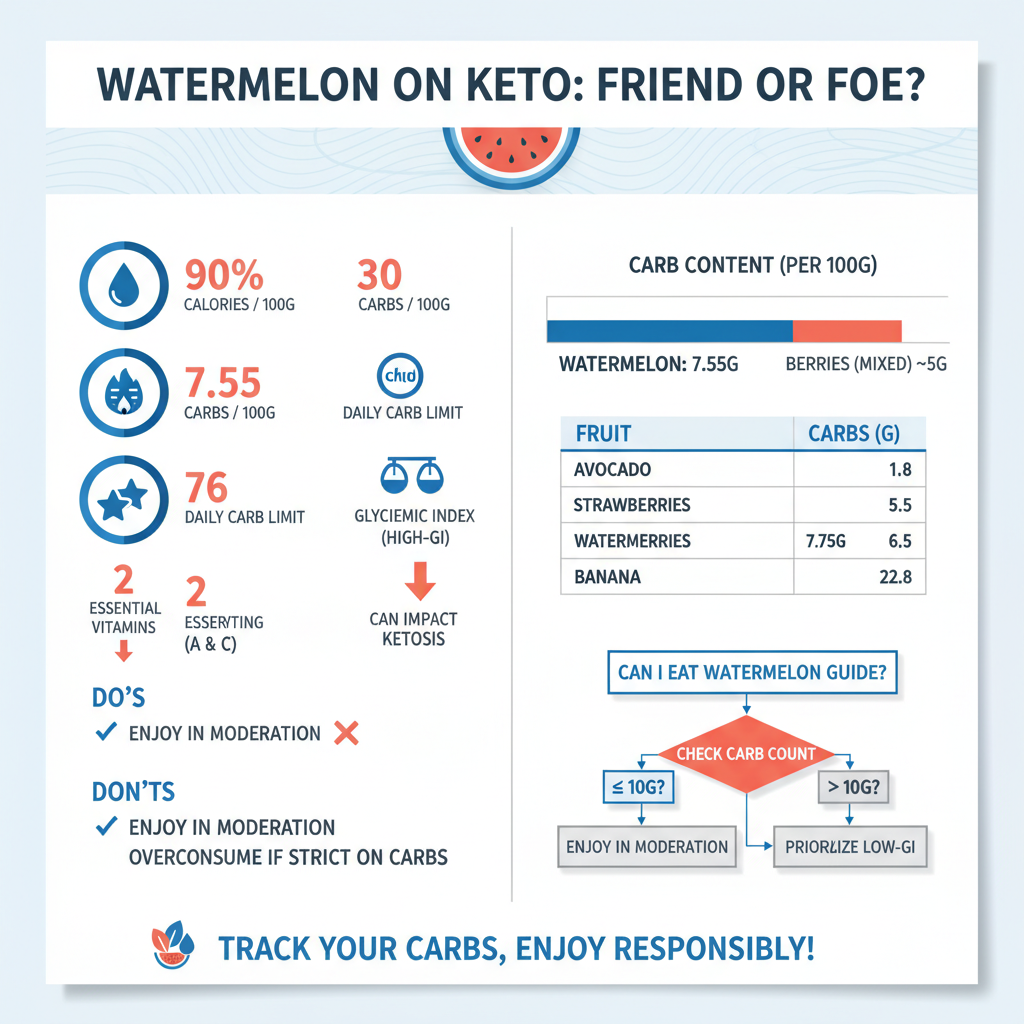
Watermelon, known for its refreshing taste and hydrating qualities, contains about 92% water, making it an excellent low-calorie option for those looking to stay hydrated. Despite its low calorie count—approximately 30 calories per 100 grams—watermelon has a significant carbohydrate content, totaling about 7.55 grams per 100 grams serving. This relatively high carbohydrate count can pose a challenge for individuals adhering to a strict ketogenic diet, which typically limits daily carbohydrate intake to around 20-50 grams.
Moreover, watermelon is rich in vitamins A and C, both of which are beneficial for overall health. Vitamin A contributes to eye health and immune function, while Vitamin C plays a crucial role in collagen production and wound healing. Additionally, watermelon contains antioxidants like lycopene, which have been linked to various health benefits, including reduced inflammation and a lower risk of chronic diseases.
The Role of Carbohydrates in Keto
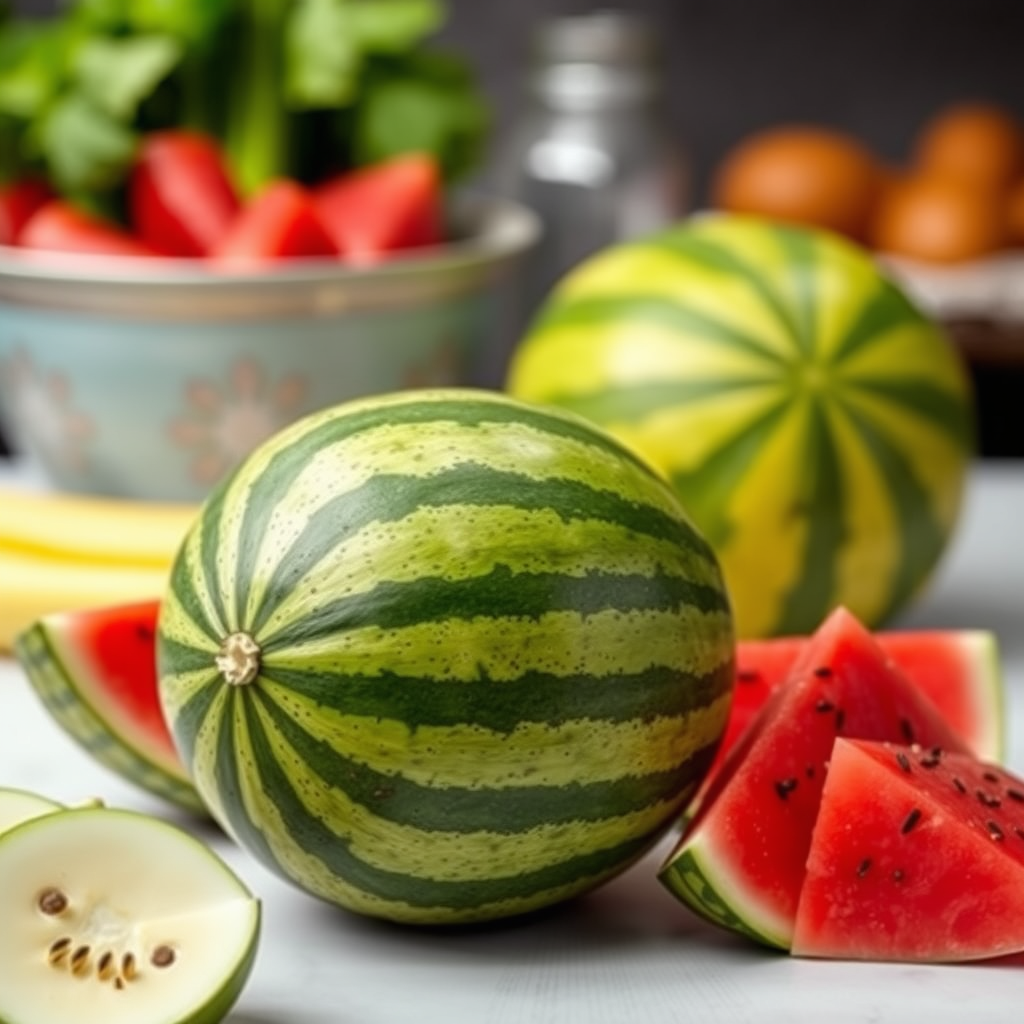
The ketogenic diet is fundamentally a low-carbohydrate, high-fat diet designed to shift the body’s primary energy source from glucose to ketones. By limiting carbohydrate intake to approximately 20-50 grams per day, the body enters a metabolic state known as ketosis, where it efficiently burns fat for fuel. Consuming high-carbohydrate foods, such as watermelon, even in small amounts, may hinder your ability to remain in ketosis, as the body may revert to utilizing glucose as its primary energy source.
This dynamic makes it crucial for individuals on a ketogenic diet to be mindful of their carbohydrate sources. Even seemingly innocent foods like fruits can have hidden carb content that, when not accounted for, can lead to unintended exits from ketosis. Therefore, understanding the carbohydrate load of foods you consume is essential for maintaining the desired metabolic state.
Watermelon’s Glycemic Index
Watermelon has a glycemic index (GI) of around 76, categorizing it as a high-GI food. The glycemic index measures how rapidly a food causes blood sugar levels to rise after consumption. Foods with a high GI can lead to spikes in blood sugar, potentially resulting in increased insulin production. For those on a ketogenic diet, these spikes can disrupt ketosis and lead to cravings for more carbohydrates.
While the glycemic load of watermelon is relatively low due to its high water content, its GI indicates that consuming significant portions could still impact blood sugar levels. This is particularly relevant for individuals who are sensitive to sugar fluctuations or are monitoring their blood sugar for health conditions such as diabetes.
Moderation is Key
If you choose to enjoy watermelon while on a ketogenic diet, moderation is paramount. Limiting your portion size to a small amount—such as a few cubes or a quarter of a cup—can help you enjoy its refreshing taste without significantly impacting your carbohydrate intake. Pairing watermelon with high-fat foods, such as creamy cheeses or nuts, can also help balance out the carbohydrate load, promoting a more stable blood sugar response.
For example, a small watermelon salad featuring feta cheese and a drizzle of olive oil can create a satisfying dish that combines the sweetness of the fruit with healthy fats, making it more compatible with a ketogenic lifestyle. The key is to be conscious of how much you consume and to incorporate it thoughtfully into your meal plan.
Alternatives to Watermelon on Keto
If you’re looking for lower-carb fruit alternatives to watermelon that align better with a ketogenic diet, consider options like berries, avocados, or olives. Berries, such as strawberries and raspberries, are lower in carbohydrates and offer a wealth of antioxidants. A 100-gram serving of raspberries contains only about 11.9 grams of carbohydrates, making them a more keto-friendly fruit choice.
Avocados, with their high fat content and low carb count (approximately 9 grams of carbs per 100 grams), not only fit within a ketogenic framework but also provide heart-healthy monounsaturated fats. Olives are another great option, as they are low in carbs and high in healthy fats, making them an ideal snack or addition to salads.
These alternatives can provide the sweetness and flavor profiles that you might be seeking from watermelon without the risk of exceeding your carbohydrate limits on a ketogenic diet.
Tips for Enjoying Watermelon on Keto
To enjoy watermelon on a ketogenic diet without derailing your progress, consider these practical tips:
1. Portion Control: Limit your serving size to a few small pieces to maintain your carb count. A small treat can offer satisfaction without pushing your daily limits.
2. Make a Salad: Combine watermelon with other keto-friendly ingredients, such as arugula, feta cheese, and a balsamic glaze, to create a refreshing salad that balances flavors and nutrients.
3. Smoothie Add-In: Blend watermelon with low-carb ingredients like spinach, coconut milk, or protein powder for a hydrating smoothie that fits your dietary needs.
4. Grilling Watermelon: Grilling watermelon enhances its sweetness and adds a unique flavor profile. Pair it with herbs like mint or basil for a gourmet touch.
5. Stay Hydrated: Since watermelon is primarily water, consider it a part of your overall hydration strategy on hot days. Balance it with plenty of water to help manage carbohydrate intake.
By utilizing these strategies, you can enjoy watermelon in moderation while adhering to your ketogenic lifestyle.
Watermelon can be enjoyed on a ketogenic diet, but it’s essential to be mindful of portion sizes due to its carb content. By understanding its nutritional value and making informed choices, you can still indulge occasionally while maintaining your keto goals. If you’re looking for more tips on keto-friendly foods, check out our other articles for guidance and recipes.
Frequently Asked Questions
Is watermelon keto-friendly, and can I include it in my ketogenic diet?
While watermelon is a hydrating and nutritious fruit, it is not considered keto-friendly due to its relatively high carbohydrate content. One cup of diced watermelon contains about 11 grams of carbs, which can take up a significant portion of your daily carb allowance on a ketogenic diet. If you choose to include watermelon, it’s best to do so in moderation and account for the carbs within your overall daily limit.
What are the carb counts of watermelon compared to other fruits on a keto diet?
Watermelon contains approximately 11 grams of carbohydrates per cup, which is higher than other lower-carb fruits like berries. For example, raspberries have about 7 grams of carbs per cup, and strawberries have around 8 grams. When considering fruits for a keto diet, berries are generally a better choice due to their lower sugar content, making them more compatible with maintaining ketosis.
How can I enjoy watermelon while following a keto diet?
If you want to enjoy watermelon on a keto diet, consider using it in small portions as an occasional treat rather than a staple. You can incorporate watermelon into a salad with leafy greens and feta cheese to balance its sweetness with healthy fats and protein. Additionally, pairing watermelon with low-carb foods can help mitigate its impact on your overall carb intake.
Why is it important to monitor fruit intake on a ketogenic diet?
Monitoring fruit intake on a ketogenic diet is crucial because many fruits, including watermelon, can be high in natural sugars and carbohydrates, which can hinder your ability to maintain ketosis. The ketogenic diet typically limits carbohydrate intake to about 20-50 grams per day, so consuming fruits with moderate to high carb counts can quickly add up and push you out of ketosis. Understanding which fruits are lower in carbs helps you make informed choices while still enjoying some variety in your diet.
Which fruits are the best alternatives to watermelon for a keto diet?
The best alternatives to watermelon for a keto diet include berries such as strawberries, raspberries, and blackberries, as they are lower in carbohydrates and higher in fiber. Other options include avocados, which are high in healthy fats and very low in carbs, and olives, which are also low in carbs and can add variety to your meals. These fruits can provide nutritional benefits while helping you stay within your carb limits on a ketogenic diet.
References
- Is Watermelon Keto-Friendly?
- Exercises and tips to improve your posture
- https://www.ncbi.nlm.nih.gov/pmc/articles/PMC6313446/
- Watermelon: Health Benefits, Nutrients, Preparation, and More
- https://www.dietdoctor.com/low-carb/watermelon
- https://www.usda.gov/
- https://www.eatright.org/health/wellness/preventing-illness/the-health-benefits-of-watermelon