

Tzatziki sauce can indeed be considered keto-friendly, as it is low in carbohydrates and high in healthy fats. This refreshing Mediterranean dip, primarily made from yogurt, cucumbers, and herbs, makes it a delicious addition to a ketogenic diet. With its creamy texture and tangy flavor, tzatziki not only enhances the dining experience but also aligns with keto principles. In this article, we’ll explore the ingredients, nutritional value, and ways to incorporate tzatziki into your keto meal plan.
Understanding Tzatziki Sauce

Tzatziki is a traditional Greek sauce that has gained popularity across various cuisines due to its unique taste and versatility. The primary ingredients include yogurt, cucumbers, garlic, and herbs such as dill or mint, which contribute to its refreshing profile. The base of yogurt is typically made from sheep’s milk, cow’s milk, or goat’s milk, offering different flavor notes and fat contents. This creamy dip is often served alongside grilled meats, pita bread, or as a standalone appetizer. Its cooling effect makes it particularly appealing during warm weather, making it a staple in Mediterranean diets.
The flavor profile of tzatziki is not only delicious but also provides a wealth of nutrients. The combination of yogurt and cucumbers offers hydration and probiotics, beneficial for gut health. Additionally, the use of garlic, known for its medicinal properties, adds an extra layer of health benefits. As a condiment, tzatziki can elevate the taste of various dishes while maintaining a low-calorie count, making it suitable for those adhering to a keto lifestyle.
Nutritional Breakdown of Tzatziki
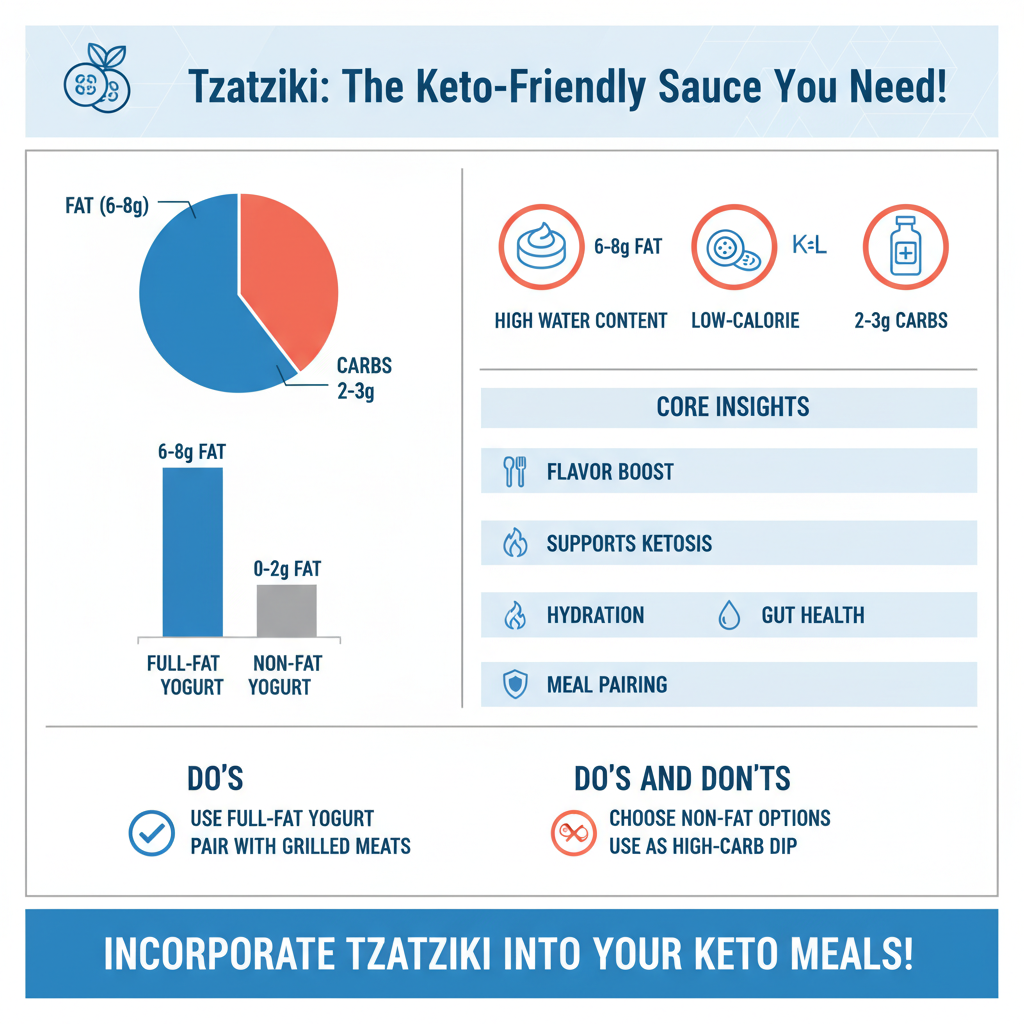
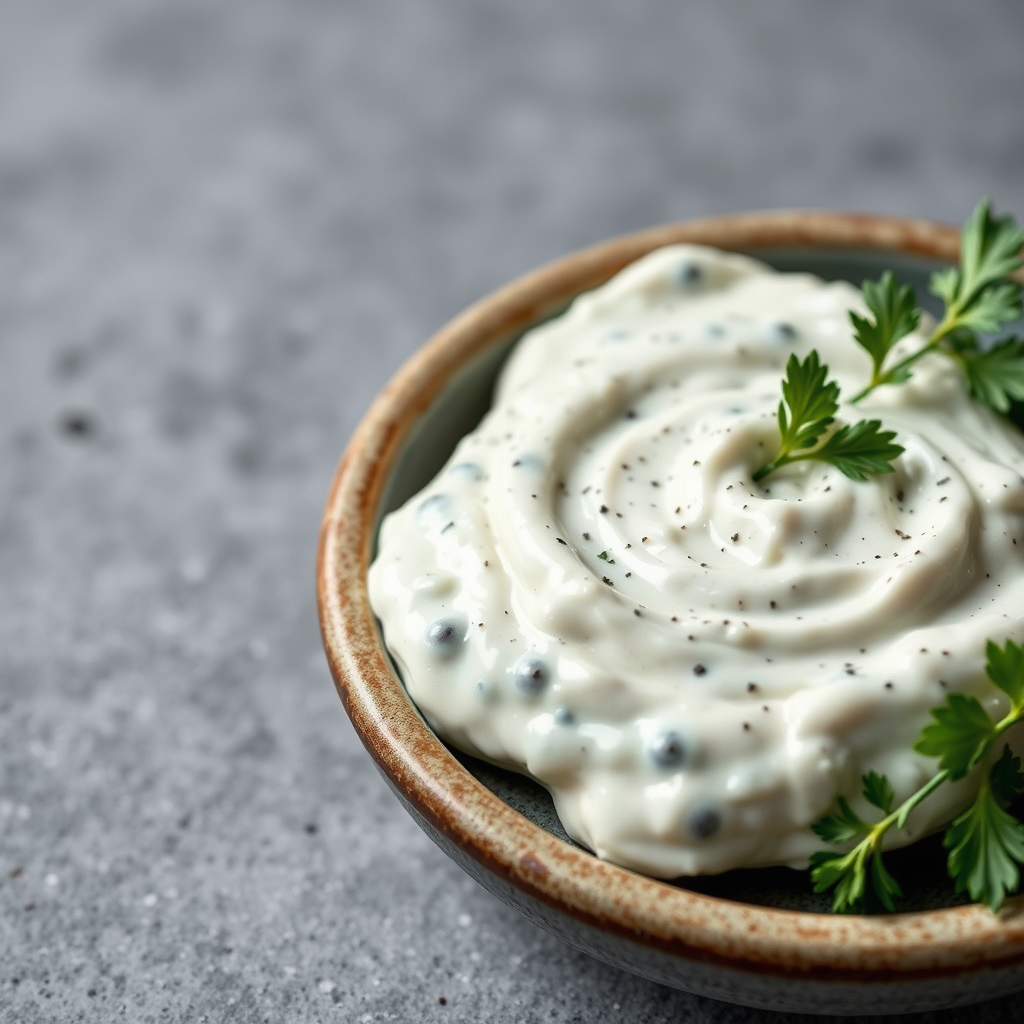
Understanding the nutritional content of tzatziki is crucial for anyone interested in its incorporation into a keto diet. A typical serving of tzatziki, which is about 2 tablespoons, contains approximately 2-3 grams of carbohydrates, making it a suitable choice for those monitoring their carb intake. The primary source of carbohydrates comes from the cucumbers, which are low in carbs and high in water content, contributing to the sauce’s refreshing quality.
The yogurt component can vary significantly in fat content, ranging from non-fat to full-fat options. For those following a ketogenic diet, opting for full-fat yogurt is advisable, as it provides a richer texture and higher fat content, which is essential for maintaining ketosis. Full-fat yogurt typically contains around 6-8 grams of fat per serving, making it an excellent source of healthy fats. Additionally, yogurt is a good source of protein, containing about 2-3 grams per serving, which helps in feeling satiated and reducing cravings.
Homemade vs. Store-Bought Tzatziki
When choosing tzatziki sauce, one of the most significant decisions is whether to make it at home or buy it from the store. Homemade tzatziki allows for complete control over the ingredients, ensuring that it remains keto-friendly. By using full-fat yogurt and fresh herbs, you can create a sauce that not only fits your dietary requirements but also matches your personal taste preferences. Moreover, homemade tzatziki can be customized with additional ingredients, such as lemon juice or olive oil, enhancing the flavor profile while keeping it healthy.
On the other hand, store-bought tzatziki can be convenient but often comes with a caveat. Many commercial brands include added sugars, preservatives, and thickeners, which can significantly increase the carbohydrate count. Therefore, it is essential to carefully read labels when purchasing store-bought tzatziki. Look for options that use natural ingredients and have no added sugars or high-carb fillers. If you’re uncertain about a product’s content, making your own is always the best route to ensure it aligns with your keto goals.
How to Use Tzatziki on a Keto Diet
Tzatziki can be a versatile addition to your keto meal plan, providing a flavorful way to enhance various dishes. As a dip, it pairs excellently with low-carb vegetables such as cucumbers, bell peppers, and celery sticks. This not only allows you to enjoy a refreshing snack but also provides essential nutrients without exceeding carbohydrate limits.
For those looking to elevate their main dishes, tzatziki serves as a fantastic topping for grilled meats and fish. Whether drizzled over grilled chicken, lamb, or salmon, its tangy flavor complements the richness of the protein, enhancing the overall meal experience. Furthermore, tzatziki can be used creatively in lettuce wraps or as a sauce for keto-friendly grain alternatives, such as cauliflower rice, allowing for diverse meal options.
Incorporating tzatziki into your keto meal prep can also be beneficial. Prepare a batch at the beginning of the week and use it to add flavor to various meals, ensuring that you have a healthy condiment on hand whenever needed. The versatility of tzatziki means it can be enjoyed at any mealtime, whether as a breakfast spread on eggs or as a refreshing side at lunch or dinner.
Potential Alternatives to Traditional Tzatziki
For those who may be lactose intolerant or prefer a dairy-free option, there are several alternatives to traditional tzatziki that can remain keto-friendly. One popular substitute is using coconut yogurt as the base. This provides a creamy texture while offering a slightly different flavor profile. Opt for unsweetened coconut yogurt to keep the carbohydrate count low.
Another alternative is to use cashew-based yogurt, which can also provide a rich and creamy texture without dairy. Adding avocado to either of these alternatives can enhance the creaminess while keeping the dish keto-compliant. Avocado is high in healthy fats and low in carbohydrates, making it an ideal addition to a keto diet.
Experimenting with these alternatives can lead to unique flavor combinations that still maintain the essence of tzatziki while accommodating different dietary needs. Incorporating fresh herbs, spices, or even a hint of lemon juice can make these variations just as enjoyable as the traditional version.
Tips for Storing Tzatziki Sauce
Proper storage of tzatziki sauce is essential to maintain its freshness and flavor. It is best to store tzatziki in an airtight container in the refrigerator, which helps to prevent the sauce from absorbing unwanted odors and flavors from other foods. When stored correctly, tzatziki typically lasts for about 3-5 days. However, for optimal taste and texture, consuming it fresh is recommended.
If you find yourself with a larger batch of tzatziki, consider freezing portions for later use. While the texture may alter slightly upon thawing, it can still be suitable for use as a dip or topping. To freeze tzatziki, divide it into smaller containers, leaving some space for expansion, and label them with the date for easy identification.
Always check for any signs of spoilage before consuming stored tzatziki. If you notice any off smells, changes in texture, or discoloration, it is best to err on the side of caution and discard the sauce.
Tzatziki sauce is not only a viable option for those following a ketogenic diet but also a versatile condiment that can enhance various meals. By making your own or carefully choosing store-bought options, you can enjoy this delicious sauce while staying within your carb limits. To make the most of your keto journey, consider incorporating tzatziki into your meal prep and explore new recipes that highlight its flavor. With its health benefits and culinary versatility, tzatziki is a delightful addition to any keto meal plan.
Frequently Asked Questions
Is tzatziki sauce keto-friendly?
Yes, tzatziki sauce can be keto-friendly when made with low-carb ingredients. Traditional tzatziki is primarily composed of Greek yogurt, cucumber, garlic, and herbs, which are low in carbohydrates. However, it’s important to choose full-fat Greek yogurt to ensure it fits within a ketogenic diet, as low-fat versions may contain added sugars that increase carb counts.
How many carbs are in tzatziki sauce?
The carbohydrate content in tzatziki sauce varies based on the recipe and the specific ingredients used. On average, a two-tablespoon serving of homemade tzatziki made with full-fat Greek yogurt contains about 2-3 grams of carbohydrates. Always check the labels on store-bought versions, as some may have added sugars that can increase the carb count significantly.
What are the best low-carb alternatives to serve with tzatziki sauce?
For a keto-friendly accompaniment to tzatziki sauce, consider using raw vegetables like cucumber sticks, bell pepper slices, or celery. These options are low in carbs and pair well with the creamy texture of tzatziki. Additionally, you can serve tzatziki with grilled meats, such as chicken or lamb, which aligns perfectly with a ketogenic diet.
Why is tzatziki sauce a popular choice for keto dieters?
Tzatziki sauce is a popular choice among keto dieters because it provides a flavorful, creamy dip without significantly raising carbohydrate intake. The combination of Greek yogurt and fresh vegetables offers a refreshing taste while still being low in carbs, making it a versatile addition to meals and snacks for those following the ketogenic lifestyle.
Which store-bought tzatziki sauces are the best for a keto diet?
When looking for store-bought tzatziki sauces that are keto-friendly, opt for brands that emphasize low-carb and no added sugars on their labels. Look for options with Greek yogurt as the primary ingredient and minimal additives. Brands like “Oikos” and “Fage” often have lower-carb versions, but it’s essential to read the nutritional information to ensure they align with your keto goals.
References
- Tzatziki
- https://www.healthline.com/nutrition/keto-diet-food-list
- https://www.medicalnewstoday.com/articles/320395
- https://www.ncbi.nlm.nih.gov/pmc/articles/PMC6520866/
- https://www.webmd.com/diet/obesity/what-to-know-about-the-keto-diet
- https://www.mayoclinic.org/healthy-lifestyle/nutrition-and-healthy-eating/expert-answers/keto-diet/faq-20461569