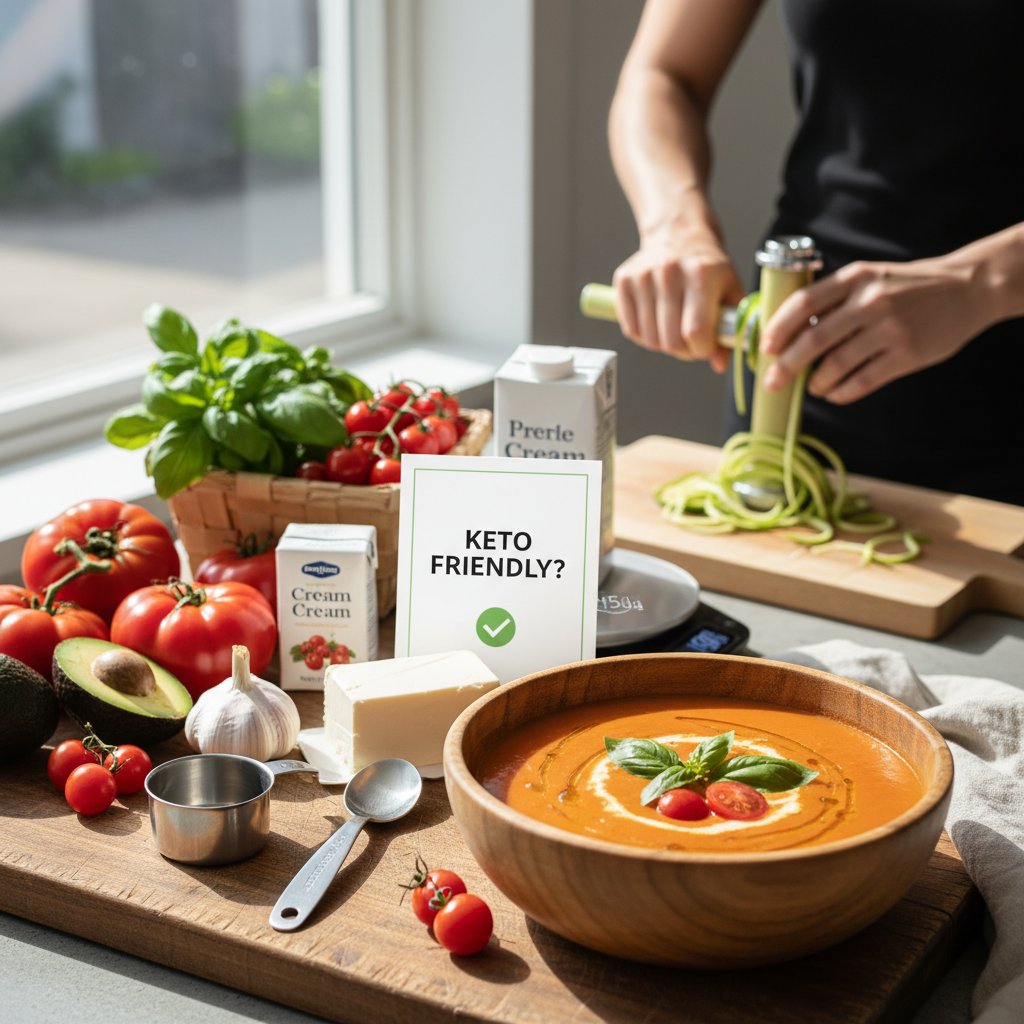

Tomato soup can be keto-friendly, but it largely depends on the ingredients used and the portion sizes. While tomatoes themselves are low in carbohydrates, many store-bought soups contain added sugars and starches that can disrupt a ketogenic diet. To successfully incorporate tomato soup into your keto meal plan, understanding the nutritional content and making informed choices is essential. In this article, we will explore what makes tomato soup suitable for keto, how to choose the right kind, and some delicious low-carb alternatives.
Nutritional Breakdown of Tomato Soup
Tomatoes are a cornerstone of many diets due to their nutritional benefits. They are low in carbohydrates—averaging about 4-5 grams of carbs per 100 grams—while being rich in vitamins A, C, K, and various B vitamins, as well as minerals like potassium. This makes them an excellent base for soups, especially for those maintaining a ketogenic lifestyle. However, when considering tomato soup, it’s vital to note that the nutritional profile can drastically change depending on how it is prepared.
Commercially available tomato soups frequently contain added sugars, which can elevate the carbohydrate content significantly. Some brands add sweeteners or thickeners, such as cornstarch, which can push the carb count well above what is acceptable for a ketogenic diet. Therefore, it is crucial to scrutinize the nutrition labels and ingredient lists when selecting tomato soup. A dietitian’s advice often emphasizes opting for products with minimal ingredients, ideally consisting of just tomatoes, broth, and herbs.
Homemade vs. Store-Bought Tomato Soup
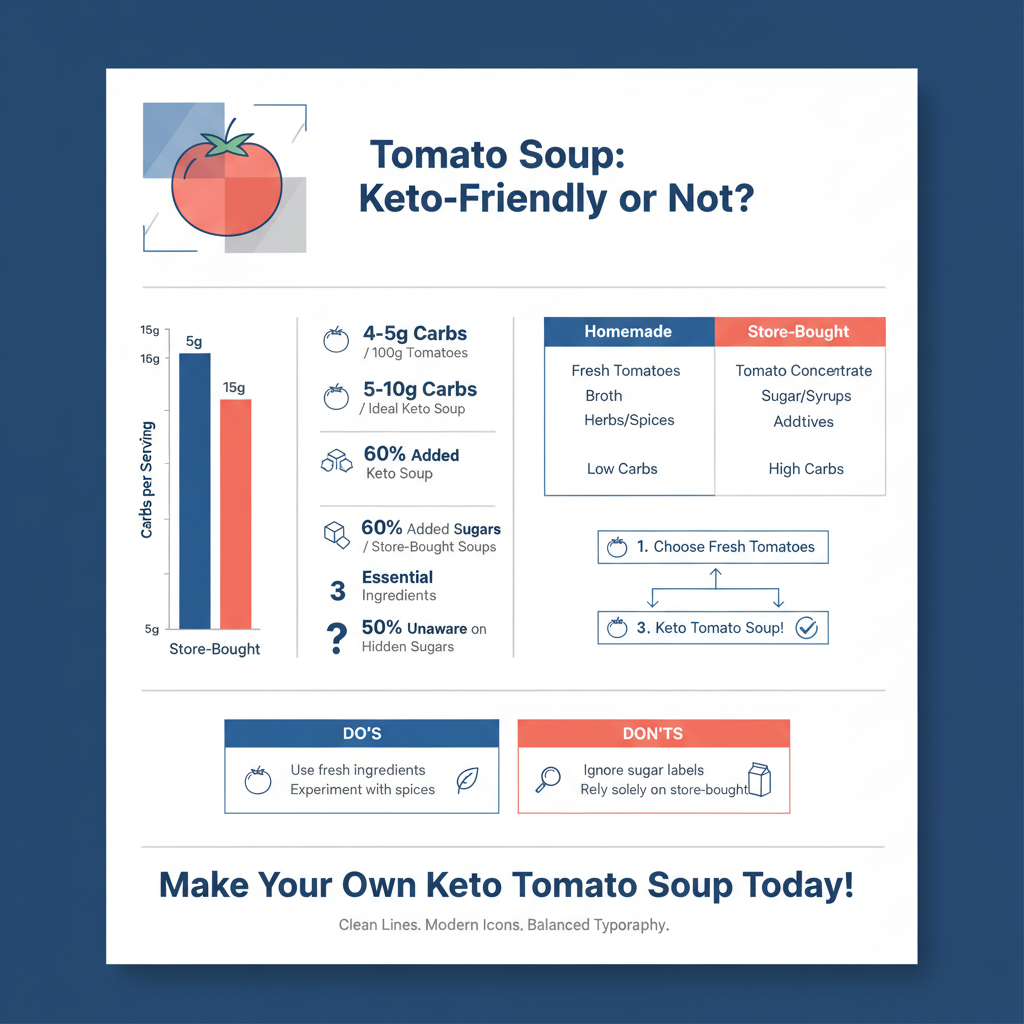
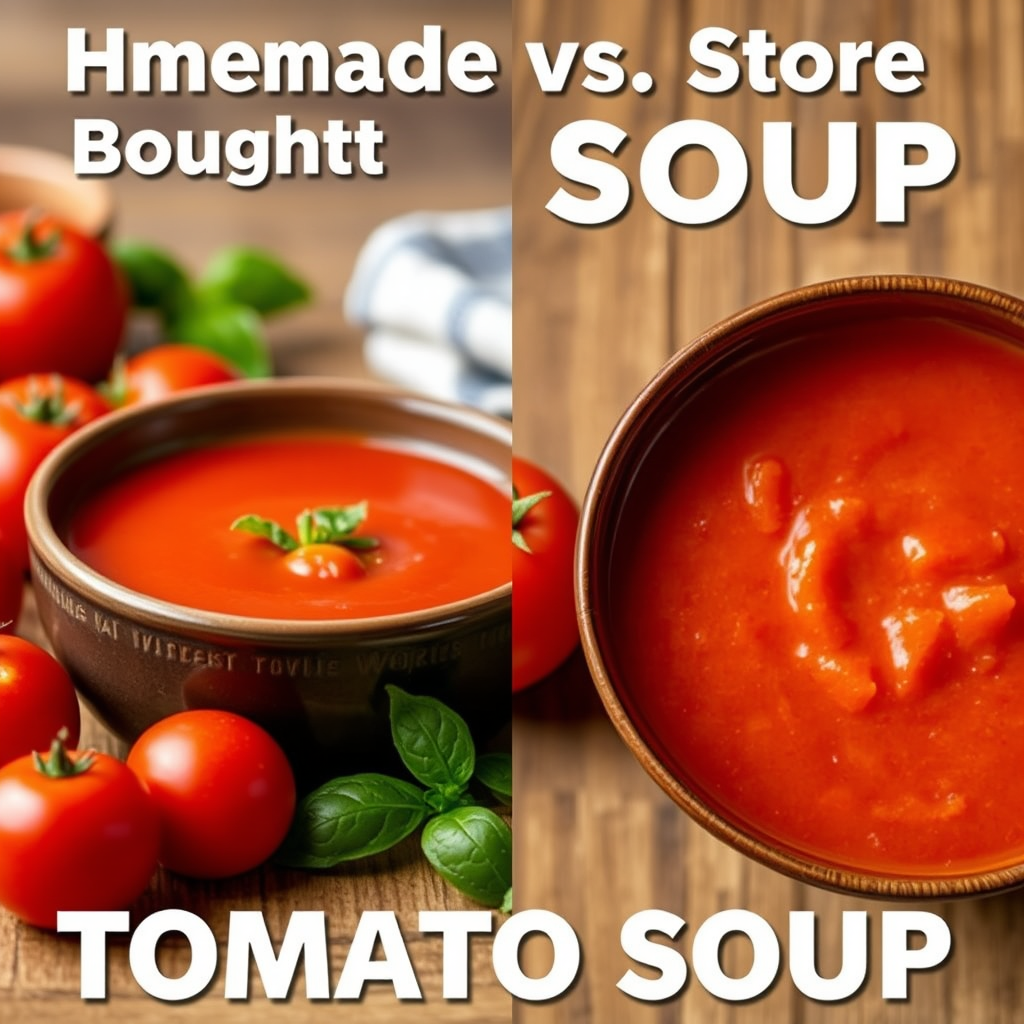
Making tomato soup at home allows for greater control over the ingredients, ensuring it aligns with your ketogenic dietary needs. By using fresh tomatoes, homemade broth, and a variety of herbs and spices, you can create a flavorful soup that is free of unnecessary sugars and fillers. A simple recipe might involve sautéing garlic and onions in olive oil, adding fresh tomatoes and vegetable or chicken broth, and seasoning with basil and oregano.
On the other hand, store-bought options can be convenient but come with the risk of hidden ingredients that may not fit into a low-carb lifestyle. When shopping for pre-made tomato soups, look for brands that specifically market themselves as “low-carb” or “keto-friendly.” Always check the nutritional information to ensure that the soup contains no more than 5-10 grams of carbohydrates per serving, and watch for added sugars or starches that can increase the carb count.
Low-Carb Ingredients to Use
When preparing keto-friendly tomato soup, choosing the right ingredients is crucial. Start with fresh tomatoes, ideally vine-ripened varieties, which bring a rich flavor and natural sweetness to the dish without the need for added sugars. Homemade or high-quality store-bought vegetable or chicken broth can serve as a flavorful base.
To enhance the creaminess and richness of your soup while keeping it low-carb, consider incorporating healthy fats. Cream, coconut milk, or even avocado can add a luxurious texture without significantly increasing the carbohydrate content. Other low-carb ingredients include fresh herbs like basil, thyme, and parsley, which not only enhance flavor but also provide additional nutritional benefits.
Portion Control and Serving Suggestions
While tomato soup can be keto-friendly, portion control is essential to maintain a low carbohydrate intake. A serving size of 1 cup (approximately 240 ml) is generally appropriate for most individuals on a ketogenic diet. Keeping servings moderate helps you enjoy the soup without exceeding your daily carb limit.
For a complete meal, consider pairing your tomato soup with keto-friendly sides. A fresh green salad dressed with olive oil, or a serving of cheese, can complement the soup beautifully while keeping the overall meal low in carbohydrates. You can also try serving the soup with a side of keto bread or crackers, which can help satisfy cravings for a traditional soup and sandwich experience.
Common Mistakes to Avoid
When incorporating tomato soup into a ketogenic diet, several common pitfalls should be avoided. Firstly, steer clear of soups containing pasta, rice, or beans, as these ingredients can significantly raise the carb content. Many traditional recipes include these elements, which are not suitable for a keto diet.
Another mistake is neglecting to check ingredient lists. Many brands may market their products as healthy but include hidden sugars and high-carb fillers. Always look for soups that have simple, natural ingredients, and avoid those with long ingredient lists filled with preservatives or artificial flavors.
Keto-Friendly Tomato Soup Recipes
For those who are keen on making homemade tomato soup, there are numerous simple and delicious recipes to consider. A basic keto tomato soup can be made by roasting fresh tomatoes, garlic, and onions until caramelized, then blending them with chicken broth and a splash of heavy cream for added richness.
For a twist, you might want to try roasted tomato basil soup, where the tomatoes are roasted with fresh basil, enhancing the flavor profile without the carbs. Another variation is to add spices like cumin or smoked paprika for a smoky flavor. These recipes not only keep your carb count low but also allow for creativity in the kitchen, making mealtime enjoyable.
Conclusion
In summary, tomato soup can be a keto-friendly option if made with the right ingredients and consumed in moderation. Opting for homemade versions or carefully selecting store-bought options will help you enjoy this comforting dish while adhering to your ketogenic lifestyle. By being mindful of portion sizes and ingredient choices, you can savor the delicious flavors of tomato soup without compromising your dietary goals. Explore some low-carb recipes, experiment with flavors, and make your own delicious tomato soup today!
Frequently Asked Questions
Is tomato soup keto friendly for a low-carb diet?
Tomato soup can be keto friendly, but it largely depends on the ingredients used. Traditional canned tomato soups often contain added sugars and high-carb ingredients, making them less suitable for a ketogenic diet. To ensure your tomato soup aligns with keto guidelines, opt for homemade versions that use fresh tomatoes, herbs, and low-carb vegetables without added sugars.
How can I make low-carb tomato soup suitable for a keto diet?
To create a low-carb tomato soup that fits into a keto diet, start with fresh tomatoes or canned, no-sugar-added diced tomatoes. Incorporate ingredients like garlic, onion, and fresh herbs for flavor, and use vegetable or chicken broth as a base. You can also add heavy cream or coconut milk to create a creamy texture while maintaining low carbohydrate levels.
What are the carbohydrate counts in store-bought tomato soups?
The carbohydrate content in store-bought tomato soups varies widely. Many popular brands contain anywhere from 10 to 20 grams of carbs per serving due to added sugars and thickeners. Always check the nutrition label for the specific soup you’re considering; look for options specifically labeled as low-carb or keto-friendly to stay within your dietary limits.
Why should I avoid certain tomato soups on a keto diet?
Many commercial tomato soups contain sugars and starches, which can significantly increase their carbohydrate content. For those on a keto diet, consuming high-carb foods can hinder the process of ketosis, where the body burns fat for energy instead of carbohydrates. Avoiding these soups helps maintain your daily carb limit, ensuring you stay on track with your keto goals.
Which brands offer keto-friendly tomato soup options?
Several brands provide keto-friendly tomato soup options, including Campbell’s Chunky Soup (select varieties), Amy’s Organic Soups, and Rao’s Homemade Tomato Basil Sauce. When purchasing, always look for labels indicating low sugar and low carb content, and consider checking online reviews to find the best options that suit your taste and dietary requirements.