

The keto diet can indeed be unhealthy for some individuals, particularly when not followed properly or without appropriate guidance. While many people have embraced the keto lifestyle for its potential benefits in weight loss and blood sugar control, it is essential to understand the risks involved. This article will explore the potential risks and benefits of the keto diet, helping you determine whether it aligns with your health goals and individual needs.
Understanding the Keto Diet
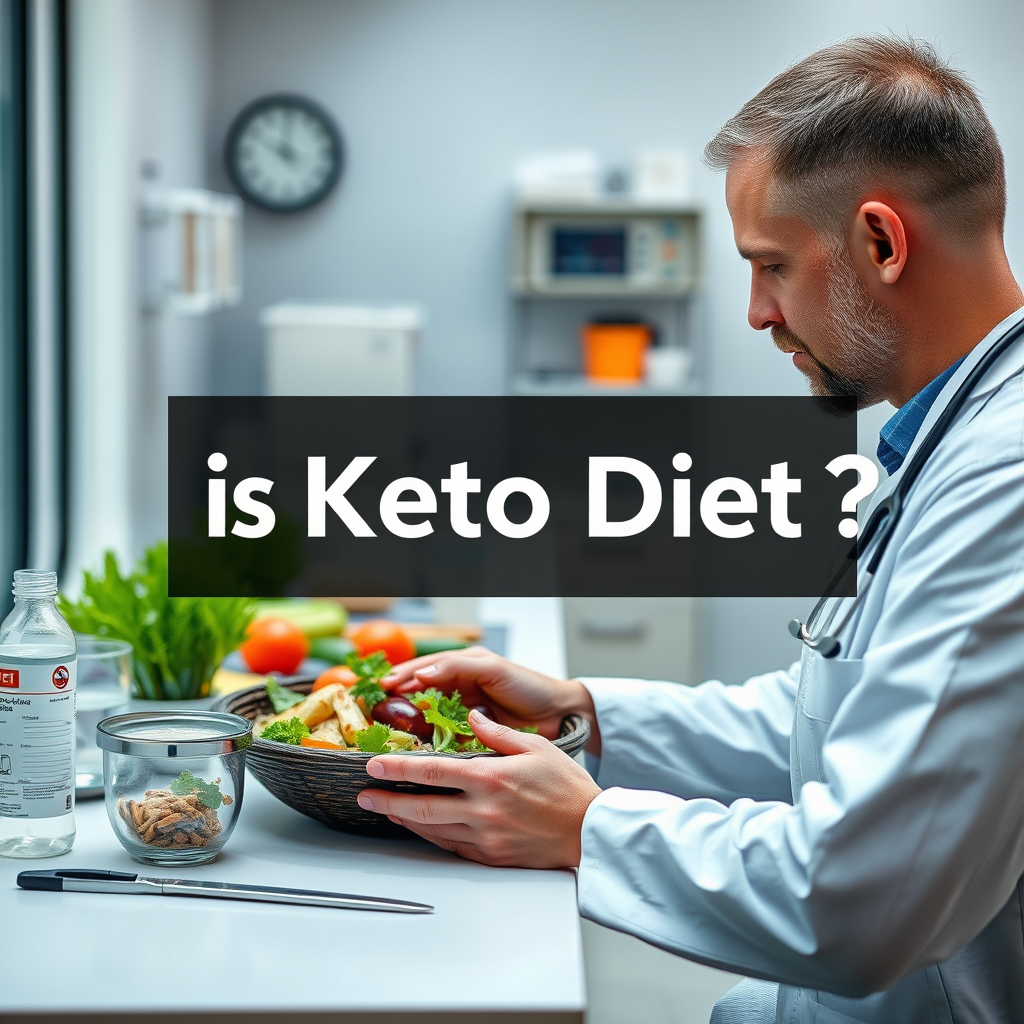
– Definition: The ketogenic, or keto, diet is a low-carbohydrate, high-fat dietary plan that aims to shift the body’s metabolism from using carbohydrates as its primary energy source to utilizing fats. This metabolic state is known as ketosis, where the liver converts fats into ketones, which can then be used as fuel for the brain and body. Typically, a standard keto diet consists of about 70-75% fat, 20-25% protein, and only 5-10% carbohydrates.
– Purpose: The primary purpose of the keto diet is to help individuals lose weight and improve metabolic health by significantly reducing carbohydrate intake. By limiting carbs, the body is forced to burn stored fat for energy, leading to weight loss. Additionally, many proponents believe that the diet can enhance mental clarity and increase energy levels. However, while these benefits can be appealing, it’s crucial to approach the diet with a thorough understanding of its implications for overall health.
Potential Health Risks
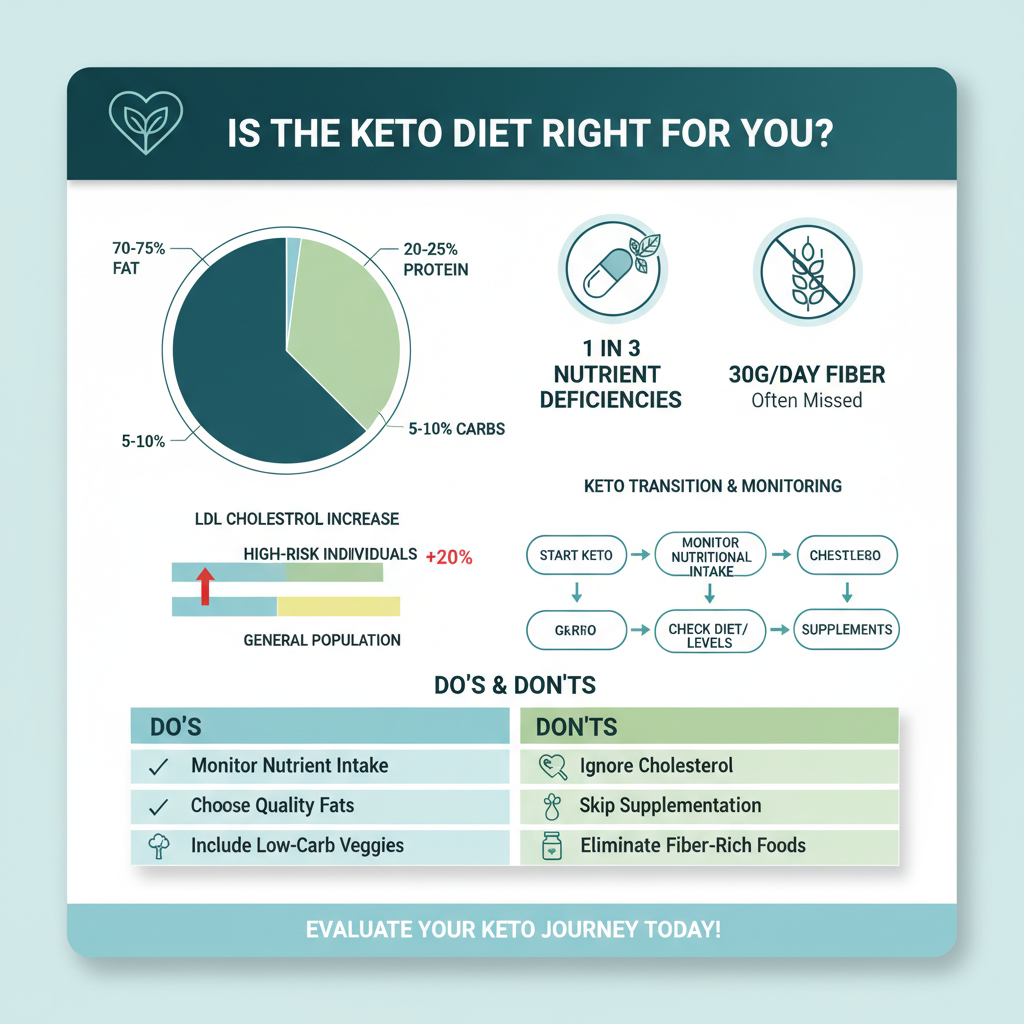

– Nutrient Deficiency: One of the most significant risks associated with the keto diet is the potential for nutrient deficiencies. The restrictive nature of the diet often leads to the elimination of various food groups, including fruits, whole grains, and certain vegetables, which are rich in essential vitamins and minerals. For instance, a lack of fiber from fruits and grains could result in digestive issues, while insufficient intake of vitamins A, C, and potassium can impair overall health. To mitigate this risk, individuals should aim to incorporate a variety of low-carb vegetables and consider supplementation when necessary.
– Heart Health: Another concern is the high intake of saturated fats that often accompanies a ketogenic diet. While some studies suggest that not all saturated fats have the same negative impact on heart health, individuals who are predisposed to high cholesterol levels may experience increased LDL cholesterol when consuming a high-fat diet. This increase can raise the risk of cardiovascular disease. It is crucial for individuals to monitor their lipid profiles and consider the quality of fats consumed, opting for unsaturated sources like avocados, nuts, and olive oil over processed or animal fats.
Benefits of the Keto Diet
– Weight Loss: One of the most celebrated benefits of the keto diet is its effectiveness for weight loss. Many individuals experience rapid initial weight loss due to a decrease in water weight and fat loss from the body’s altered metabolic state. For example, a study published in the “American Journal of Clinical Nutrition” found that participants following a ketogenic diet lost more weight than those on a low-fat diet over a 24-week period. This rapid weight loss can be motivating and lead to long-term adherence for many.
– Blood Sugar Control: The keto diet can also be beneficial for blood sugar regulation, particularly for individuals with type 2 diabetes. By drastically reducing carbohydrate intake, the diet helps to stabilize blood sugar levels and improve insulin sensitivity. Research suggests that individuals following a ketogenic diet may have lower fasting insulin levels and improved glycemic control, which can reduce the risk of diabetes-related complications. That said, anyone with diabetes should consult with their healthcare provider before making significant dietary changes.
Who Should Avoid the Keto Diet?
– Individuals with Certain Medical Conditions: Certain medical conditions may contraindicate the keto diet. Individuals with pancreatitis, liver disease, or gallbladder problems may experience adverse effects due to the high-fat content of the diet, as these conditions can impair fat metabolism. Moreover, those with a history of eating disorders may find the restrictive nature of keto could trigger unhealthy behaviors. Consulting with a healthcare professional is vital for anyone with these conditions before considering the diet.
– Athletes: While some athletes may benefit from a ketogenic approach, many high-intensity athletes may find that the diet hinders their performance. Carbohydrates are the primary fuel source during high-intensity efforts, and the lack of readily available glycogen can lead to fatigue and decreased performance. Endurance athletes, for example, might struggle to maintain their energy levels without sufficient carbohydrate intake. Therefore, it may be more suitable for those engaged in lower-intensity or endurance activities to consider a more balanced approach.
How to Follow the Keto Diet Safely
– Consultation: Before embarking on a ketogenic journey, it is strongly recommended to consult with a healthcare provider or a registered dietitian. A professional can help tailor a diet plan that aligns with individual health needs and goals while mitigating potential risks.
– Balanced Approach: To ensure nutritional adequacy while following the keto diet, individuals should focus on incorporating a wide variety of healthy fats, proteins, and low-carb vegetables. For instance, integrating sources like fatty fish, avocados, nuts, seeds, and non-starchy vegetables can help provide essential nutrients while adhering to the keto guidelines. Additionally, staying hydrated and maintaining electrolyte balance is crucial to combat potential side effects, like the “keto flu,” which can occur during the initial transition into ketosis.
Common Myths About the Keto Diet
– Misconception of Unlimited Fat: A prevalent myth surrounding the keto diet is the belief that one can consume any type of fat without repercussions. While the diet is high in fats, the quality of these fats is essential for health. For instance, consuming large amounts of trans fats or highly processed fats can negate the potential benefits of the diet and lead to adverse health effects. Thus, prioritizing healthy fats is key.
– Keto Flu: Many individuals report experiencing flu-like symptoms when beginning the keto diet, commonly referred to as the “keto flu.” Symptoms can include fatigue, headache, irritability, and nausea, usually occurring as the body adjusts to ketosis. However, these symptoms can often be alleviated through proper hydration, adequate electrolyte intake, and gradually transitioning into the diet rather than making abrupt changes.
The keto diet can pose potential health risks if not approached correctly but may offer considerable benefits for weight loss and blood sugar control for some individuals. Understanding your individual health needs, consulting with a professional, and educating yourself on the diet’s intricacies are crucial steps in making informed decisions. If you’re considering the keto diet, take the time to research and prepare adequately to ensure a safe and effective experience tailored to your health goals.
Frequently Asked Questions
Is the keto diet unhealthy for everyone?
The keto diet, which is high in fats and low in carbohydrates, can be unhealthy for certain individuals, particularly those with specific medical conditions such as pancreatitis, liver disease, or certain metabolic disorders. For most healthy adults, however, it can be a safe and effective weight-loss strategy. It’s essential to consult with a healthcare professional before starting any diet, especially one as restrictive as keto, to ensure it aligns with individual health needs.
What are the potential side effects of the keto diet?
Common side effects of the keto diet include the “keto flu,” which can cause fatigue, headaches, nausea, and irritability as the body adjusts to ketosis. Other potential side effects may include digestive issues such as constipation, nutrient deficiencies, and an increased risk of heart disease due to high saturated fat intake. Monitoring your body’s response and incorporating a variety of nutrient-rich foods can help mitigate these issues.
How can I make the keto diet healthier?
To make the keto diet healthier, focus on incorporating high-quality fats such as avocados, nuts, seeds, and olive oil while minimizing processed foods and unhealthy trans fats. Ensure a balanced intake of vegetables, especially leafy greens, to provide essential vitamins and minerals. Additionally, staying hydrated and considering supplementation for nutrients like magnesium and potassium can help maintain overall health while on a keto diet.
Why do some people believe the keto diet is unhealthy?
Critics of the keto diet often cite concerns about its high saturated fat content, which they argue may raise cholesterol levels and increase the risk of heart disease. Additionally, the restrictive nature of the diet may lead to nutrient deficiencies and promote disordered eating patterns. These concerns emphasize the importance of a well-balanced approach and personalized dietary choices, as not all diets are suitable for everyone.
Which foods should I avoid on the keto diet to stay healthy?
On the keto diet, it’s crucial to avoid high-carb foods such as sugary snacks, bread, pasta, rice, and most fruits. Processed foods, trans fats, and excessive consumption of red and processed meats should also be limited to maintain overall health. Instead, focus on whole, unprocessed foods that provide healthy fats, moderate protein, and low-carb vegetables to ensure you meet your nutritional needs while adhering to the ketogenic lifestyle.
References
- Ketogenic diet
- https://www.health.harvard.edu/staying-healthy/the-ketogenic-diet
- https://www.ncbi.nlm.nih.gov/pmc/articles/PMC7071431/
- https://www.cdc.gov/healthyweight/assessing/bmi/index.html
- Not Found | American Heart Association | American Heart Association
- https://www.webmd.com/diet/obesity/news/20190610/keto-diet-may-increase-heart-disease-risk
- https://www.mayoclinic.org/healthy-lifestyle/nutrition-and-healthy-eating/expert-answers/keto-diet/faq-20420453
- https://www.nutrition.org.uk/healthyliving/healthydiet/keto-diet.html
- https://www.fda.gov/food/food-labeling-nutrition/what-you-need-know-about-keto-diet
- https://www.theguardian.com/lifeandstyle/2020/jan/23/keto-diet-healthy-or-harmful