

The keto diet can be healthy for some individuals in the short term, but its long-term sustainability and health implications vary widely among different people. While many have experienced short-lived benefits such as weight loss and improved energy levels, the potential risks and nutritional deficiencies associated with prolonged adherence to this high-fat, low-carbohydrate diet warrant careful consideration. In this article, we will explore the potential benefits, drawbacks, and considerations of following the keto diet over an extended period.
Understanding the Keto Diet

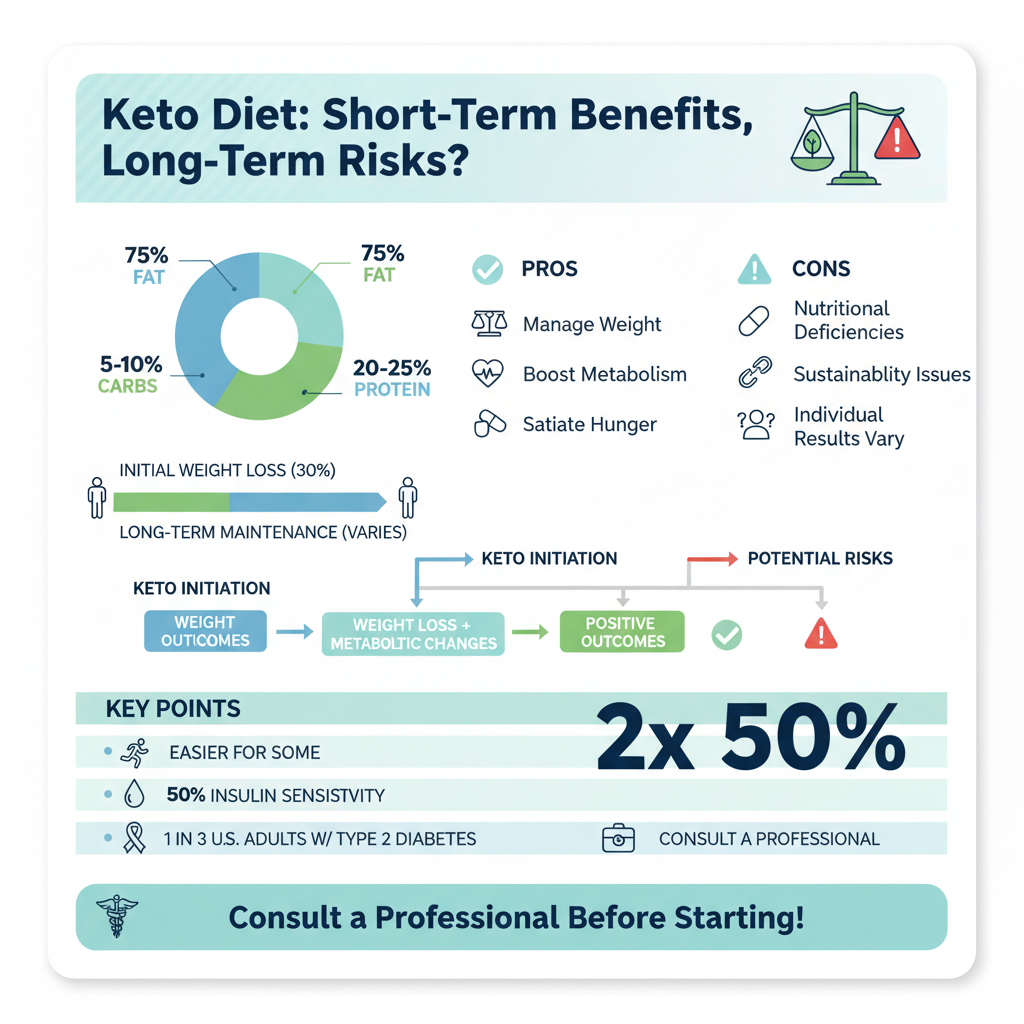
The ketogenic diet, commonly referred to as the keto diet, is a dietary regimen characterized by a significant reduction in carbohydrate intake and an increase in fat consumption. The primary macronutrient breakdown of a typical keto diet consists of approximately 70-75% fats, 20-25% proteins, and only about 5-10% carbohydrates. This drastic alteration in nutrient ratios forces the body into a metabolic state known as ketosis, where it becomes highly efficient at burning fat for energy instead of carbohydrates.
During ketosis, the liver converts fatty acids into ketones, which serve as an alternative energy source for the brain and other tissues. The intended benefits of this diet include rapid weight loss, improved mental clarity, and enhanced energy levels. However, the drastic shift in macronutrient balance can lead to a range of physiological responses, and the long-term effects of maintaining such a regimen remain subjects of ongoing research.
Potential Long-Term Benefits

Weight Management
One of the most cited advantages of the keto diet is its potential for effective weight management. Many individuals find that the initial weight loss is significant, primarily due to the loss of glycogen stores and water weight during the initial phase of the diet. Furthermore, the satiating nature of high-fat foods can reduce overall calorie intake, aiding in weight maintenance.
Research indicates that some individuals may find it easier to adhere to a ketogenic lifestyle compared to traditional calorie-restricted diets. This adherence can lead to a more sustainable weight loss journey. However, it is crucial to note that the effectiveness of the keto diet for maintaining weight will vary from person to person, depending on individual metabolism and lifestyle factors.
Improved Metabolic Health
The keto diet has also been associated with improved metabolic health metrics. For some individuals, the diet can contribute to lower blood sugar levels and enhanced insulin sensitivity, making it potentially beneficial for those with type 2 diabetes or prediabetes. Studies have shown that participants on a ketogenic diet experienced significant reductions in HbA1c levels, a key marker for long-term glucose control.
Moreover, the consumption of healthy fats, such as avocados, nuts, and olive oil, can promote cardiovascular health. Some evidence suggests that ketogenic diets may lead to reductions in triglycerides and increases in HDL (good) cholesterol levels, further supporting heart health.
Possible Health Risks
Nutritional Deficiencies
Despite its potential benefits, one of the most significant concerns regarding the long-term adherence to the keto diet is the risk of nutritional deficiencies. The restriction of carbohydrates often leads to the exclusion of entire food groups, such as fruits, whole grains, and certain vegetables, which are vital sources of vitamins, minerals, and dietary fiber.
For example, the absence of fruits and whole grains can lead to inadequate intake of essential nutrients like vitamin C, potassium, and magnesium. Over time, these deficiencies can result in serious health issues, including weakened immune function, bone health problems, and gastrointestinal disturbances.
Heart Health Concerns
Another critical area of concern is the impact of high saturated fat intake on cardiovascular health. While some fats can be heart-healthy, the emphasis on saturated fats in the keto diet can lead to elevated levels of LDL (bad) cholesterol in certain individuals. This elevation may pose cardiovascular risks over the long term, raising concerns among health professionals.
Research on the long-term effects of high saturated fat consumption is still evolving. However, individuals with a history of heart disease or elevated cholesterol levels should approach the keto diet with caution and consider consulting with a healthcare professional.
Individual Variability
Importance of Personalized Nutrition
When it comes to dietary approaches, one size does not fit all. The effectiveness and safety of the keto diet can vary widely among individuals, influenced by personal health goals, metabolic rates, and lifestyle factors. Personalized nutrition acknowledges that different bodies respond differently to various diets, making it essential for individuals to assess their unique needs and preferences.
For instance, some people may thrive on a high-fat, low-carb diet, while others may experience adverse effects such as fatigue, digestive issues, or mood swings. Listening to one’s body and adjusting the diet accordingly is crucial for long-term success.
Genetic Factors
Emerging research suggests that genetic predispositions may play a role in how individuals respond to the keto diet. Genetic variations can affect metabolism and the efficiency of fat utilization, influencing the diet’s overall effectiveness. For example, individuals with specific genetic markers may experience improved fat oxidation, while others may not see the same benefits.
Understanding one’s genetic background can provide valuable insights into dietary choices and help individuals make more informed decisions about whether the keto diet is suitable for them.
Expert Opinions and Research
Current research on the long-term effects of the keto diet remains mixed. Some studies indicate that the diet can lead to significant improvements in weight and metabolic health markers, while others raise concerns about potential risks associated with its prolonged use. Experts in the field of nutrition and dietetics suggest that while the keto diet may be beneficial for some, it should not be universally recommended as a long-term solution.
Health professionals emphasize the importance of balanced nutrition and a varied diet. Many suggest that individuals should consider integrating aspects of the keto diet with other dietary approaches, such as the Mediterranean diet, which emphasizes whole foods, healthy fats, and a balanced intake of macronutrients.
Practical Tips for Long-Term Keto Success
For those considering a long-term commitment to the keto diet, several strategies can enhance success and promote overall health:
1. Incorporate a Variety of Foods: To mitigate the risk of nutritional deficiencies, individuals should aim to include a wide range of nutrient-dense foods within the allowable macronutrient framework. This can include healthy fats from sources like avocados, nuts, and olive oil, along with low-carb vegetables and high-quality protein sources.
2. Monitor Health Regularly: Regular health check-ups can help individuals track their progress and identify any potential health concerns early. Blood tests can provide valuable insight into cholesterol levels, vitamin deficiencies, and overall metabolic health.
3. Stay Informed: As research on the keto diet continues to evolve, staying informed about new findings and recommendations is essential. Engaging with reputable sources and consulting with healthcare professionals can provide guidance tailored to individual circumstances.
In summary, while the keto diet may offer some benefits for weight management and metabolic health, its long-term effects can vary significantly based on individual factors. It is essential to consider potential risks, such as nutritional deficiencies and heart health concerns, and consult with healthcare professionals before committing to this diet long-term. If you’re contemplating the keto lifestyle, take these insights into account and ensure you’re making informed decisions about your health.
Frequently Asked Questions
Is the keto diet healthy for long-term weight management?
The keto diet can be effective for long-term weight management for some individuals, primarily due to its ability to promote fat loss and reduce hunger through ketosis. However, sustainability is key; many find it challenging to adhere to the strict carb restrictions over time. Moreover, it is essential to focus on nutrient-dense foods to prevent deficiencies and maintain overall health.
What are the potential health risks of following the keto diet long term?
While the keto diet may lead to short-term weight loss and health benefits, long-term adherence may pose risks such as nutrient deficiencies, liver problems, and increased cholesterol levels for some individuals. Additionally, there could be adverse effects on bone health and kidney function, particularly if the diet is not well-balanced. Consulting with a healthcare professional before committing to long-term keto is advisable.
How can I ensure I’m getting enough nutrients on a long-term keto diet?
To ensure adequate nutrient intake on a long-term keto diet, focus on incorporating a variety of low-carb vegetables, healthy fats, and high-quality protein sources. Consider including foods rich in vitamins and minerals, such as leafy greens, avocados, nuts, seeds, and fatty fish. Additionally, periodic blood tests can help monitor nutrient levels, and supplementation may be necessary to address any deficiencies.
Why do some people experience adverse effects when starting the keto diet?
Many individuals experience adverse effects when starting the keto diet due to the significant reduction in carbohydrate intake, which can lead to symptoms commonly referred to as “keto flu.” These symptoms may include fatigue, headaches, irritability, and digestive issues as the body adjusts to burning fat for fuel instead of carbs. Staying hydrated and gradually reducing carbohydrates can help ease this transition and mitigate negative effects.
Which types of foods should I prioritize for a healthy long-term keto diet?
For a healthy long-term keto diet, prioritize whole, unprocessed foods, such as leafy greens, cruciferous vegetables, nuts, seeds, avocados, and high-quality proteins like grass-fed meats and wild-caught fish. Healthy fats, such as olive oil and coconut oil, should also be included, while minimizing processed foods and added sugars. This approach helps maintain nutritional balance and supports overall health while adhering to ketogenic principles.
References
- https://www.health.harvard.edu/staying-healthy/the-ketogenic-diet-what-you-need-to-know
- https://www.ncbi.nlm.nih.gov/pmc/articles/PMC7072805/
- https://www.cdc.gov/healthyweight/assessing/bmi/adult_bmi/english_bmi_calculator/adult_bmi.html
- https://www.webmd.com/diet/obesity/news/20210628/keto-diet-weight-loss-healthy-or-harmful
- Mayo Clinic
- https://www.nutrition.gov/topics/nutrition-education/dietary-guidelines
- https://www.reuters.com/article/us-health-keto-idUSKBN2B22CT
- https://www.sciencedirect.com/science/article/abs/pii/S0899900721000475
- https://www.bmj.com/content/370/bmj.m2650