

Yes, the keto diet can be gluten-free, but achieving this requires careful selection of food items. The ketogenic diet emphasizes high-fat, low-carbohydrate foods, and while many gluten-containing products are staples in traditional diets, they can be effectively avoided by opting for whole, unprocessed foods. This article will delve into the nuances of maintaining a gluten-free keto diet and provide essential insights for those looking to embrace both dietary restrictions.
Understanding the Keto Diet
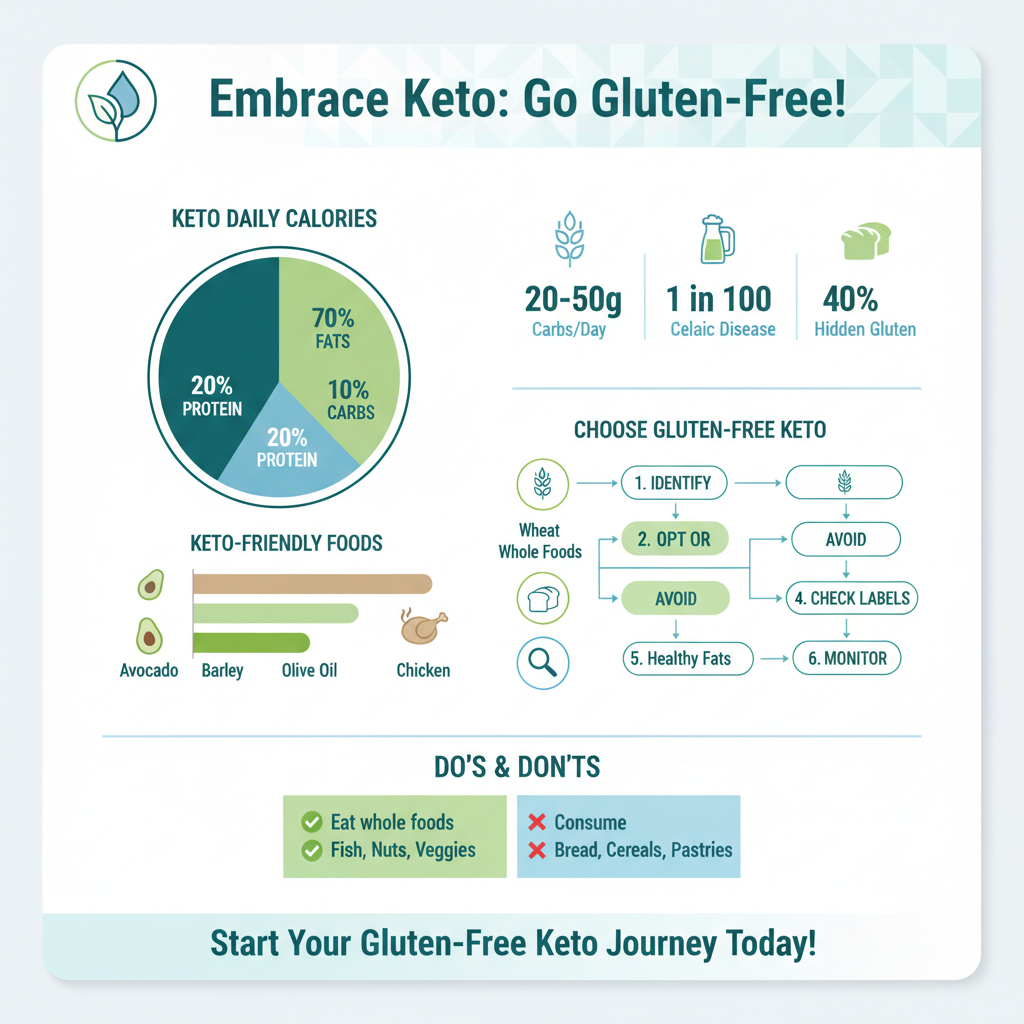
The ketogenic diet is primarily designed to induce a metabolic state known as ketosis, where the body shifts from using glucose derived from carbohydrates as its primary energy source to utilizing fats. To achieve this, the diet typically restricts carbohydrate intake to about 20 to 50 grams per day. This low carbohydrate consumption forces the body to burn stored fat for fuel, leading to weight loss and other health benefits, such as improved blood sugar control and mental clarity.
In addition to restricting carbohydrates, the keto diet encourages a higher intake of fats, which can comprise around 70% to 80% of total daily caloric intake, with protein making up the remaining percentage. Foods like avocados, olive oil, fatty fish, and nuts are staples in a keto diet, providing essential nutrients while maintaining low carb levels. However, the inclusion of gluten-containing foods such as bread, pasta, and certain processed snacks can easily derail both keto and gluten-free goals.
Gluten and Its Sources
Gluten is a protein found primarily in wheat, barley, and rye, which are prevalent in many processed foods and traditional staples. This means that many high-carb foods commonly consumed in a typical diet, such as breads, pastries, cereals, and pasta, not only contain gluten but are also unsuitable for a ketogenic lifestyle.
For individuals with celiac disease or gluten sensitivity, the consumption of gluten can trigger various health issues, including digestive problems, skin rashes, and neurological symptoms. Therefore, understanding where gluten lurks is vital, not only for those on a gluten-free diet but also for those aiming to follow a keto regimen without gluten.
In addition to obvious sources, gluten can also be hidden in sauces, dressings, and even some processed meats. Thus, it is crucial to be vigilant about the food choices made while following a keto diet.
Gluten-Free Foods Compatible with Keto
To successfully navigate a gluten-free keto diet, focusing on whole foods is paramount. Ideal food choices include:
– Meats and Fish: Unprocessed meats, poultry, and fatty fish provide essential proteins and healthy fats without any carbs or gluten. Examples include chicken thighs, salmon, and grass-fed beef.
– Eggs: A versatile ingredient, eggs are low in carbs and rich in protein and healthy fats, making them perfect for breakfast, lunch, or dinner.
– Dairy: Full-fat dairy products such as cheese, heavy cream, and Greek yogurt can be included, provided they are free from added sugars and gluten-containing additives.
– Nuts and Seeds: Almonds, walnuts, chia seeds, and flaxseeds not only provide healthy fats but also contribute to your daily fiber intake.
– Low-Carb Vegetables: Leafy greens, broccoli, cauliflower, and zucchini are excellent sources of nutrients without contributing significant carbs.
While some grains like quinoa or rice are gluten-free, they are not suitable for a keto diet due to their high carbohydrate content. Always prioritize low-carb vegetables and healthy fats to maintain ketosis.
Reading Labels: What to Look For
When navigating the grocery store, reading labels becomes an essential skill, especially for those combining gluten-free and keto diets. Many packaged foods may contain hidden gluten or high levels of carbohydrates, despite being labeled as “gluten-free.”
– Hidden Gluten: Ingredients such as malt extract, modified food starch, and certain flavorings may contain gluten. Always scrutinize ingredient lists to avoid accidental consumption.
– Carbohydrate Content: Even gluten-free products can be high in carbohydrates. Many gluten-free baked goods, for instance, are made with rice flour or cornmeal, which can spike your carb intake.
– Certified Gluten-Free Labels: For those with gluten sensitivities or celiac disease, look for products that are certified gluten-free. This certification ensures that the product has been tested and contains less than 20 parts per million of gluten, making it safer for consumption.
By developing the habit of reading labels, you can make informed choices that align with both your keto and gluten-free requirements.
Tips for Maintaining a Gluten-Free Keto Diet
Successfully adhering to a gluten-free keto diet requires strategic planning and preparation. Here are some actionable tips:
– Meal Prep: Preparing meals in advance helps avoid last-minute decisions that may lead to gluten exposure. Focus on whole, unprocessed ingredients and create a meal plan that includes a variety of foods to keep it interesting.
– Experiment with Gluten-Free Baking: Utilize almond flour, coconut flour, or flaxseed meal as substitutes for traditional grain flours in your baking and cooking. These alternatives are lower in carbs and gluten-free, allowing you to enjoy baked goods while staying on track.
– Stay Informed: Keep up to date with current gluten-free and keto-friendly products. New options continuously enter the market that cater to both dietary needs, making it easier to maintain your lifestyle.
– Educate Dining Out: When dining at restaurants, don’t hesitate to ask about gluten-free options and how meals are prepared. Communicate your dietary restrictions clearly to ensure your meal aligns with your needs.
By incorporating these strategies into your routine, you can enhance your chances of successfully maintaining a gluten-free keto diet.
Common Mistakes to Avoid
While embarking on a gluten-free keto journey, it’s easy to make some common missteps that can hinder your progress. Here are pitfalls to watch out for:
– Assuming All Gluten-Free Products Are Keto-Friendly: Many gluten-free snacks and baked goods are made from high-carb alternatives that will not support your ketogenic goals. Always check the carbohydrate content, as gluten-free does not inherently mean low-carb.
– Ignoring Cross-Contamination: When eating out or sharing a kitchen with others, cross-contamination can occur easily. Gluten can be transferred from surfaces or cooking utensils that have come into contact with gluten-containing foods. Be vigilant in ensuring that your meals are prepared in a gluten-free environment.
– Neglecting Whole Foods: Relying heavily on processed gluten-free products can lead to an unbalanced diet. Prioritize whole foods that align with keto principles to ensure you’re getting adequate nutrition.
By being aware of these common mistakes, you can make better-informed decisions and enhance your overall dietary success.
With careful planning and ingredient selection, you can successfully follow a gluten-free keto diet. By focusing on whole, unprocessed foods and staying aware of gluten sources, you can enjoy the benefits of both dietary approaches. If you’re considering starting a gluten-free keto diet, begin by reviewing your current food choices and making necessary adjustments to align with your health goals. The journey may present challenges, but with informed choices and dedicated preparation, you can achieve a balanced and fulfilling lifestyle.
Frequently Asked Questions
Is the keto diet inherently gluten-free?
Yes, the keto diet is inherently gluten-free because it primarily consists of low-carb foods that do not include wheat or other gluten-containing grains. The main focus of the ketogenic diet is on high-fat, moderate-protein, and very low-carbohydrate foods such as meat, fish, eggs, dairy, non-starchy vegetables, nuts, and seeds. However, it’s essential to check labels on packaged foods, as some may contain hidden gluten.
What are the best gluten-free foods to include in a keto diet?
The best gluten-free foods for a keto diet include avocados, leafy greens, cauliflower, broccoli, zucchini, fatty fish like salmon, grass-fed meats, eggs, and healthy fats such as olive oil, coconut oil, and butter. Additionally, gluten-free nuts and seeds, as well as dairy products like cheese and heavy cream, are excellent choices. These foods help maintain the low-carb requirement of the keto diet while ensuring you avoid gluten.
How can I avoid gluten while following a keto diet?
To avoid gluten on a keto diet, it’s crucial to read food labels carefully and opt for whole, unprocessed foods rather than packaged products, which may contain gluten. Focus on ingredients that are naturally gluten-free, and be cautious with sauces, marinades, and condiments, as they often have hidden gluten. Cooking at home using fresh ingredients is the best way to ensure your meals are both keto-friendly and gluten-free.
Why do some people following a keto diet choose to go gluten-free?
Many people following a keto diet choose to go gluten-free due to health concerns such as gluten sensitivity or celiac disease. Additionally, some find that eliminating gluten can help reduce inflammation, improve digestion, and enhance overall well-being. Combining a gluten-free approach with the keto diet can also support weight loss and metabolic health by focusing on high-quality, nutrient-dense foods.
Which keto-friendly snacks are also gluten-free?
Many keto-friendly snacks are naturally gluten-free, such as cheese crisps, beef jerky (check for gluten-free labeling), hard-boiled eggs, nuts and seeds, and celery sticks with cream cheese or almond butter. Additionally, you can enjoy guacamole with veggie sticks or make homemade keto fat bombs using coconut oil and nut butter. These snacks are convenient, satisfying, and compliant with both keto and gluten-free dietary guidelines.
References
- Ketogenic diet
- https://www.ncbi.nlm.nih.gov/pmc/articles/PMC7072225/
- https://www.healthline.com/nutrition/keto-diet-and-gluten
- What is Gluten? | Celiac Disease Foundation
- https://www.mayoclinic.org/healthy-lifestyle/nutrition-and-healthy-eating/expert-answers/keto-diet-and-gluten-free/faq-20457868
- Cholic Acid – LiverTox – NCBI Bookshelf
- https://www.webmd.com/diet/what-is-the-keto-diet