

The keto diet can be effective for weight loss, especially for those who are looking to reduce their carbohydrate intake and shift their body’s metabolism to burn fat for fuel. By significantly lowering carbohydrates and increasing fats, the diet induces a state of ketosis, wherein the body becomes adept at using stored fats as its primary energy source. This article explores the principles of the keto diet, its effectiveness for weight loss, potential benefits, and considerations to keep in mind.
Understanding the Keto Diet

The keto diet, short for ketogenic diet, is a high-fat, moderate-protein, and low-carbohydrate eating plan designed to trigger a metabolic state known as ketosis. In a typical diet, carbohydrates are the primary source of energy; however, in a ketogenic diet, carbohydrate intake is drastically reduced—usually to about 5-10% of total caloric intake—while fats make up approximately 70-80%, and proteins account for 15-25%. This shift in macronutrient ratio prompts the body to seek alternative energy sources, primarily fat.
When carbohydrate intake is minimal, insulin levels drop, allowing stored fat to be released and converted into ketones in the liver. These ketones then serve as an efficient energy source for the brain and body. The shift to fat metabolism is not merely a dietary choice; it represents a fundamental change in how the body processes fuel, which can lead to significant changes in weight and overall health.
How the Keto Diet Promotes Weight Loss
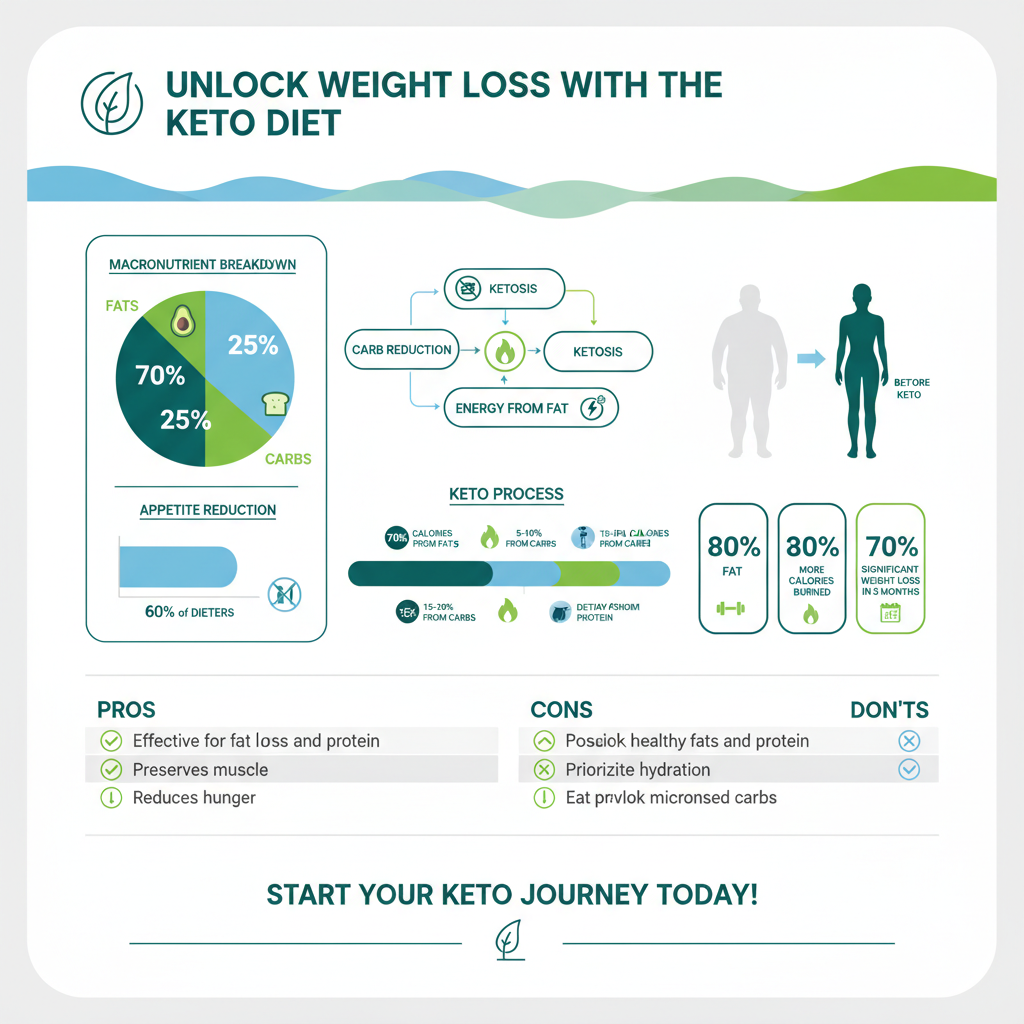

One of the most compelling aspects of the keto diet is its capacity to promote weight loss effectively. This is achieved through several mechanisms:
1. Reduced Appetite: The diet tends to stabilize blood sugar levels, which can help mitigate hunger pangs. High-fat and protein-rich foods are often more satiating, leading to a natural reduction in calorie intake without the need for strict portion control. Research indicates that individuals on ketogenic diets report lower levels of hunger and increased satiety.
2. Fat Loss vs. Muscle Loss: Unlike some calorie-restricted diets that can lead to a loss of lean muscle mass, the keto diet encourages fat loss while preserving muscle. The moderate protein intake supports muscle maintenance, allowing participants to lose weight primarily from fat stores.
3. Increased Energy Expenditure: Several studies suggest that the body burns more calories in the process of converting fat into energy than it does with carbohydrates. This increased energy expenditure can further aid in weight loss efforts.
Overall, the combination of appetite suppression, muscle preservation, and increased calorie burning provides a strong foundation for effective weight loss on the keto diet.
Benefits of the Keto Diet Beyond Weight Loss
While effective weight loss is a primary attraction of the keto diet, many people also experience additional benefits that can enhance their overall well-being:
– Improved Energy Levels and Mental Clarity: Ketones are a more stable energy source than glucose, which can lead to more consistent energy levels throughout the day. Many adherents report heightened mental clarity and focus, as the brain operates efficiently on ketones, free from the sugar highs and crashes associated with carbohydrate consumption.
– Therapeutic Benefits: The keto diet has shown promise in treating certain medical conditions. For instance, it has been used as a therapeutic diet for epilepsy, particularly in children who do not respond to traditional medications. Additionally, some studies suggest that it may improve blood sugar control in individuals with type 2 diabetes, potentially leading to better overall metabolic health.
– Potential Cardiovascular Benefits: Although the high-fat nature of the diet may raise concerns about heart health, some research indicates that a ketogenic diet can improve certain cardiovascular risk factors, such as lowering triglycerides and increasing HDL (good cholesterol) levels.
These benefits contribute to the growing popularity of the keto diet beyond just weight loss, positioning it as a potential lifestyle choice for many.
Potential Risks and Considerations
Despite its effectiveness, the keto diet is not without its challenges and potential risks:
– Keto Flu: As the body transitions into ketosis, some individuals may experience what is commonly referred to as the “keto flu.” Symptoms can include fatigue, headaches, irritability, and nausea. These side effects typically resolve within a few days to a week as the body adapts.
– Nutrient Deficiencies: Long-term adherence to the keto diet may lead to deficiencies in essential nutrients, particularly if a variety of foods is not consumed. Fruits, whole grains, and certain vegetables are limited on this diet, which can result in inadequate intake of vitamins and minerals.
– Sustainability: Maintaining a strict ketogenic diet can be challenging, especially in social situations or when dining out. The restrictive nature of the diet may lead to feelings of deprivation, making it difficult for some individuals to adhere long-term.
Considering these factors is crucial for anyone contemplating the keto diet, as it is essential to approach this dietary strategy with a balanced mindset and an understanding of personal health needs.
Who Should Consider the Keto Diet?
The keto diet may be particularly appealing to:
– Individuals Seeking Structure: Those who thrive on clear guidelines may find the keto diet’s specific macronutrient ratios helpful in achieving their weight loss goals.
– People with Previous Diet Failures: For individuals who have struggled with traditional dieting methods, the unique metabolic approach of the keto diet may offer a refreshing alternative.
– High-Fat Food Lovers: Those who enjoy high-fat foods such as avocados, nuts, and oils may find the dietary restrictions less daunting.
However, it is essential to recognize that the keto diet may not be suitable for everyone. Individuals with certain health conditions, such as pancreatitis, liver disease, or gallbladder issues, should consult with a healthcare professional before starting the diet.
Tips for Success on the Keto Diet
To maximize success on the keto diet and minimize potential drawbacks, consider the following tips:
1. Start Slowly: Gradually reduce carbohydrate intake to help your body adjust to the changes. A sudden drop in carbs can exacerbate keto flu symptoms.
2. Focus on Whole Foods: Prioritize whole, unprocessed foods such as avocados, nuts, seeds, oily fish, and low-carb vegetables. This approach ensures nutrient density and can help mitigate the risk of deficiencies.
3. Stay Hydrated: Increased fat metabolism can lead to changes in fluid balance, so it’s essential to drink plenty of water and consider electrolyte supplementation to maintain optimal hydration.
4. Monitor Ketone Levels: For those interested in achieving ketosis, regular monitoring of ketone levels through urine strips or blood tests can provide valuable feedback on dietary adherence and metabolic changes.
5. Be Flexible: While the keto diet emphasizes specific macronutrient ratios, it is essential to remain flexible and listen to your body. Adjustments may be necessary based on individual responses and lifestyle changes.
In summary, the keto diet can be an effective tool for weight loss, particularly for those willing to commit to its principles. However, it’s essential to consider potential risks and ensure a balanced approach to nutrition. If you’re interested in trying the keto diet, consult with a healthcare professional or nutritionist to tailor it to your individual needs. By doing so, you can embark on this dietary journey with confidence and a greater likelihood of long-term success.
Frequently Asked Questions
Is the keto diet effective for weight loss?
Yes, the keto diet can be effective for weight loss because it encourages the body to enter a state of ketosis, where it burns fat for fuel instead of carbohydrates. By significantly reducing carbohydrate intake and increasing healthy fats, many people experience rapid weight loss in the initial stages. However, long-term success often depends on individual adherence to the diet and lifestyle changes.
How does the keto diet promote fat loss?
The keto diet promotes fat loss by drastically lowering carbohydrate intake, which leads to reduced insulin levels and increased fat oxidation. When the body is deprived of carbs, it begins to break down stored fat into ketones for energy, resulting in fat loss over time. Additionally, the high fat and protein content can help suppress appetite, making it easier to consume fewer calories.
What are the potential side effects of the keto diet for weight loss?
While the keto diet can be effective for weight loss, it may come with side effects, especially during the initial transition phase. Common side effects include the “keto flu,” which can cause fatigue, headache, irritability, and digestive issues. It’s important to stay hydrated, replenish electrolytes, and consult with a healthcare professional to mitigate these effects and ensure the diet is suitable for your health.
Which foods should I avoid while on the keto diet for weight loss?
On the keto diet, it’s essential to avoid high-carbohydrate foods that can hinder weight loss. This includes sugary foods, grains, starchy vegetables, and most fruits. Instead, focus on consuming low-carb vegetables, healthy fats (like avocados and olive oil), and moderate amounts of protein to maintain ketosis and support your weight loss goals.
Why do some people struggle to lose weight on the keto diet?
Some individuals struggle to lose weight on the keto diet due to various factors, such as not maintaining a strict low-carb intake or consuming excessive amounts of calories from fats. Additionally, underlying health issues, hormonal imbalances, or metabolic adaptations can affect weight loss. It’s crucial to monitor food intake, stay active, and consult with a healthcare professional for personalized guidance.
References
- https://www.health.harvard.edu/staying-healthy/the-truth-about-the-keto-diet
- https://www.ncbi.nlm.nih.gov/pmc/articles/PMC8534339/
- https://www.cdc.gov/healthyweight/losing_weight/diet_pills.html
- https://www.mayoclinic.org/healthy-lifestyle/nutrition-and-healthy-eating/in-depth/keto-diet/art-20459998
- https://www.webmd.com/diet/what-is-the-keto-diet
- Healthy diet
- Healthy Eating | Nutrition.gov
- https://www.nature.com/articles/s41598-020-69570-5