

The keto diet can indeed be dairy-free, depending on individual choices and dietary preferences. While traditional ketogenic eating patterns often include high-fat dairy products like cheese and cream, many people opt to eliminate dairy for health reasons, ethical beliefs, or food intolerances. This article will delve into the intricacies of the keto diet and its relationship with dairy, providing you with the information needed to navigate a dairy-free keto plan effectively.
What is the Keto Diet?

The ketogenic diet, commonly referred to as the keto diet, is a low-carbohydrate, high-fat dietary strategy designed to shift the body’s metabolism from glucose to fat. This metabolic state, known as ketosis, occurs when carbohydrate intake is drastically reduced, prompting the body to burn fat for fuel instead of sugar. The typical macronutrient breakdown of a keto diet consists of approximately 70-75% fats, 20-25% protein, and only about 5-10% carbohydrates. Foods commonly consumed on a keto diet include meats, fish, eggs, avocados, nuts, seeds, and non-starchy vegetables like spinach and broccoli. Understanding this framework is crucial for anyone considering the keto lifestyle, especially when contemplating the inclusion or exclusion of dairy products.
The Role of Dairy in the Keto Diet
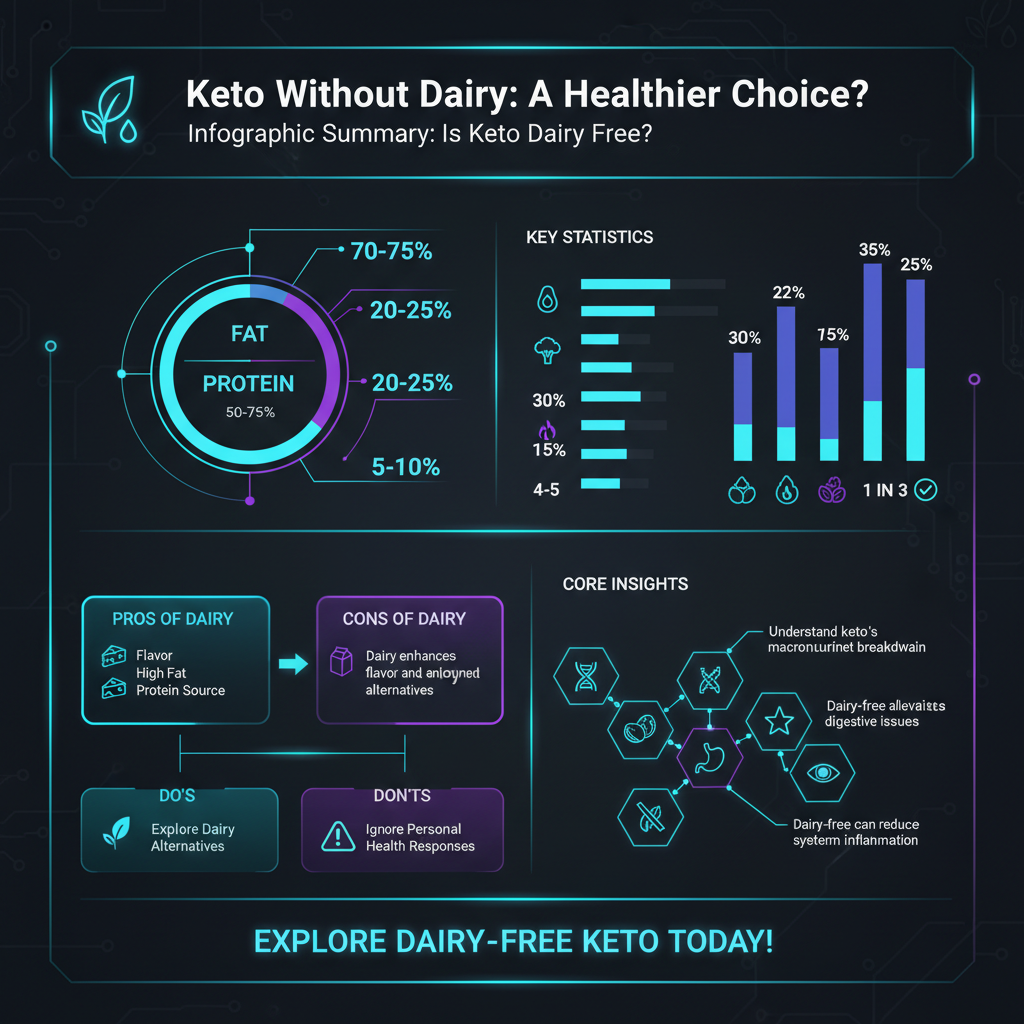

Dairy products play a significant role in many people’s keto diets due to their high-fat and protein content, which aligns perfectly with the macronutrient goals of ketogenic eating. For example, cheese, heavy cream, butter, and full-fat yogurt are often staples in a traditional keto meal plan. These foods not only provide essential fats for energy but also contribute to the overall flavor and enjoyment of meals. Cheese, in particular, is popular for its versatility and wide variety of flavors, making it easy to incorporate into various dishes. However, it’s worth noting that while dairy can be beneficial for many on the keto diet, some individuals may experience adverse reactions or prefer to avoid dairy altogether.
Health Benefits of a Dairy-Free Keto Diet
Eliminating dairy from a keto diet can offer several health benefits for certain individuals. For those who are lactose intolerant or have a dairy allergy, avoiding dairy can alleviate digestive issues, bloating, and discomfort. Moreover, some studies suggest that dairy can contribute to systemic inflammation in sensitive individuals. Transitioning to a dairy-free keto diet often leads to the incorporation of alternative sources of healthy fats, such as avocados, nuts, and seeds. These foods are not only rich in monounsaturated and polyunsaturated fats but also offer additional vitamins, minerals, and antioxidants, which can support overall health. Additionally, a dairy-free keto diet can encourage creativity in meal preparation, leading to the discovery of new, satisfying flavors and textures.
Dairy-Free Alternatives for Keto
For those looking to maintain a dairy-free keto lifestyle, there are numerous alternatives available. Plant-based milk options, such as coconut milk, almond milk, and cashew milk, can be used in place of dairy milk in recipes or beverages. Coconut cream is an excellent substitute for heavy cream, offering a rich, creamy texture while remaining compliant with keto guidelines. When it comes to cheese, nut-based cheeses made from almonds or cashews can provide a similar texture and flavor profile without the lactose. Additionally, avocados, olives, and olive oil serve as fantastic sources of healthy fats, contributing to the overall fat intake necessary for ketosis. These alternatives ensure that individuals following a dairy-free keto diet can enjoy a varied and fulfilling eating experience.
Tips for Following a Dairy-Free Keto Diet
Successfully navigating a dairy-free keto diet requires planning and awareness. One effective strategy is to meal prep using dairy-free recipes that align with keto principles. This not only simplifies the cooking process but also ensures that you always have compliant, nutrient-dense meals ready to go. When shopping for packaged foods, it is essential to read labels carefully to identify hidden dairy ingredients, as many processed foods can contain lactose or milk derivatives. Emphasizing whole, unprocessed foods can also help maintain ketosis while avoiding dairy. Experimenting with spices and herbs can enhance the flavors of dairy-free dishes, making the transition more enjoyable. Furthermore, joining online communities or forums dedicated to dairy-free keto living can provide support, recipe inspiration, and valuable tips from others who share similar dietary goals.
Common Misconceptions About Dairy and Keto
A prevalent misconception about the keto diet is that it inherently requires the inclusion of dairy products. While dairy can certainly enhance the diet for many individuals, it is not a prerequisite for achieving ketosis or following a successful keto lifestyle. It is entirely feasible to reach your nutritional goals and experience the benefits of a keto diet without dairy. Focusing on high-fat plant-based foods like avocados, nuts, seeds, and oils allows for a wide variety of meal options that stay within the macronutrient guidelines. By debunking this myth, individuals who are lactose intolerant or prefer to avoid dairy can confidently pursue a keto lifestyle without feeling restricted.
In summary, the keto diet can be customized to be dairy-free, accommodating a range of dietary preferences and health considerations. Whether you choose to include dairy products or eliminate them, the key to success lies in focusing on whole, nutrient-dense foods that support your goals. By exploring different dairy-free options and recipes, you can create a satisfying and enjoyable keto meal plan that works best for you. Whether your motivation is health-related or personal, understanding the relationship between the keto diet and dairy provides the foundation for a successful dietary journey.
Frequently Asked Questions
Is the ketogenic diet inherently dairy-free?
No, the ketogenic diet is not inherently dairy-free. While many people on a keto diet do consume dairy products like cheese, heavy cream, and butter due to their low carbohydrate content, it is possible to follow a keto diet without dairy. For those who are lactose intolerant or have a dairy allergy, there are numerous dairy-free alternatives available that can fit within a ketogenic lifestyle, such as coconut cream, almond milk, and nutritional yeast.
What are some dairy-free alternatives for a keto diet?
There are several dairy-free alternatives suitable for a ketogenic diet. For instance, coconut milk and almond milk can replace traditional dairy milk, while almond flour and coconut flour serve as great substitutes for wheat flour in baking. Nutritional yeast can provide a cheesy flavor without the dairy, while avocado and olive oil can add creaminess to dishes. These alternatives not only help maintain ketosis but also cater to those with dairy sensitivities.
How can I ensure I’m getting enough calcium on a dairy-free keto diet?
To ensure adequate calcium intake on a dairy-free keto diet, focus on incorporating calcium-rich, low-carb foods. Leafy greens like kale and collard greens, nuts such as almonds, and seeds like chia and sesame seeds are excellent sources of calcium. Additionally, consider fortified plant-based milk alternatives and supplements if necessary, to meet your calcium needs while adhering to a ketogenic lifestyle.
Why do some people choose a dairy-free keto diet?
Many individuals opt for a dairy-free ketogenic diet due to lactose intolerance, dairy allergies, or personal dietary preferences, such as a vegan lifestyle. Others may find that eliminating dairy improves digestion or reduces inflammation. By choosing a dairy-free approach, they can still achieve the benefits of ketosis through a variety of other healthy, low-carb foods.
Which dairy products should I avoid on a dairy-free keto diet?
On a dairy-free keto diet, you should avoid all traditional dairy products, including milk, cheese, yogurt, and butter. However, some processed dairy-free substitutes may contain hidden carbohydrates or additives, so it’s essential to read labels carefully. Focus on whole food options that are naturally low in carbs, such as coconut products, nut-based cheeses, and plant oils, to maintain your keto goals.
References
- https://en.wikipedia.org/wiki/Ketogenic_diet
- https://www.healthline.com/nutrition/keto-diet-guide
- https://www.ncbi.nlm.nih.gov/pmc/articles/PMC5852780/
- https://www.medicalnewstoday.com/articles/ketogenic-diet
- https://www.cdc.gov/healthyweight/healthy_eating/dietary_guidelines.html
- https://www.mayoclinic.org/healthy-lifestyle/nutrition-and-healthy-eating/expert-answers/keto-diet/faq-20417854