

The keto diet may offer some benefits for individuals with liver cirrhosis, but it is crucial to approach it with caution and under medical supervision. This high-fat, low-carbohydrate diet can potentially aid in weight loss and reduce fat accumulation in the liver, which is significant for liver health. However, the diet’s restrictive nature may also pose risks, such as nutrient deficiencies and complications related to liver function. This article will explore the potential advantages and risks of the keto diet for those dealing with liver cirrhosis, helping you make informed decisions about your dietary choices.
Understanding Liver Cirrhosis

Liver cirrhosis is a late-stage liver disease characterized by the progressive replacement of healthy liver tissue with scar tissue (fibrosis), which impairs liver function. The condition can result from a variety of factors, including chronic alcohol abuse, viral hepatitis, nonalcoholic fatty liver disease (NAFLD), and autoimmune liver diseases. The liver plays a vital role in detoxifying the blood, producing vital proteins, and regulating metabolism, thus cirrhosis can have serious health implications.
Common symptoms of liver cirrhosis include fatigue, weakness, jaundice (yellowing of the skin and eyes), swelling in the legs and abdomen, and easy bruising or bleeding. Complications may arise due to the liver’s reduced ability to perform essential functions, leading to conditions such as portal hypertension, liver cancer, and liver failure. Understanding these aspects is crucial as they set the groundwork for considering dietary changes, such as adopting the ketogenic diet.
Overview of the Keto Diet
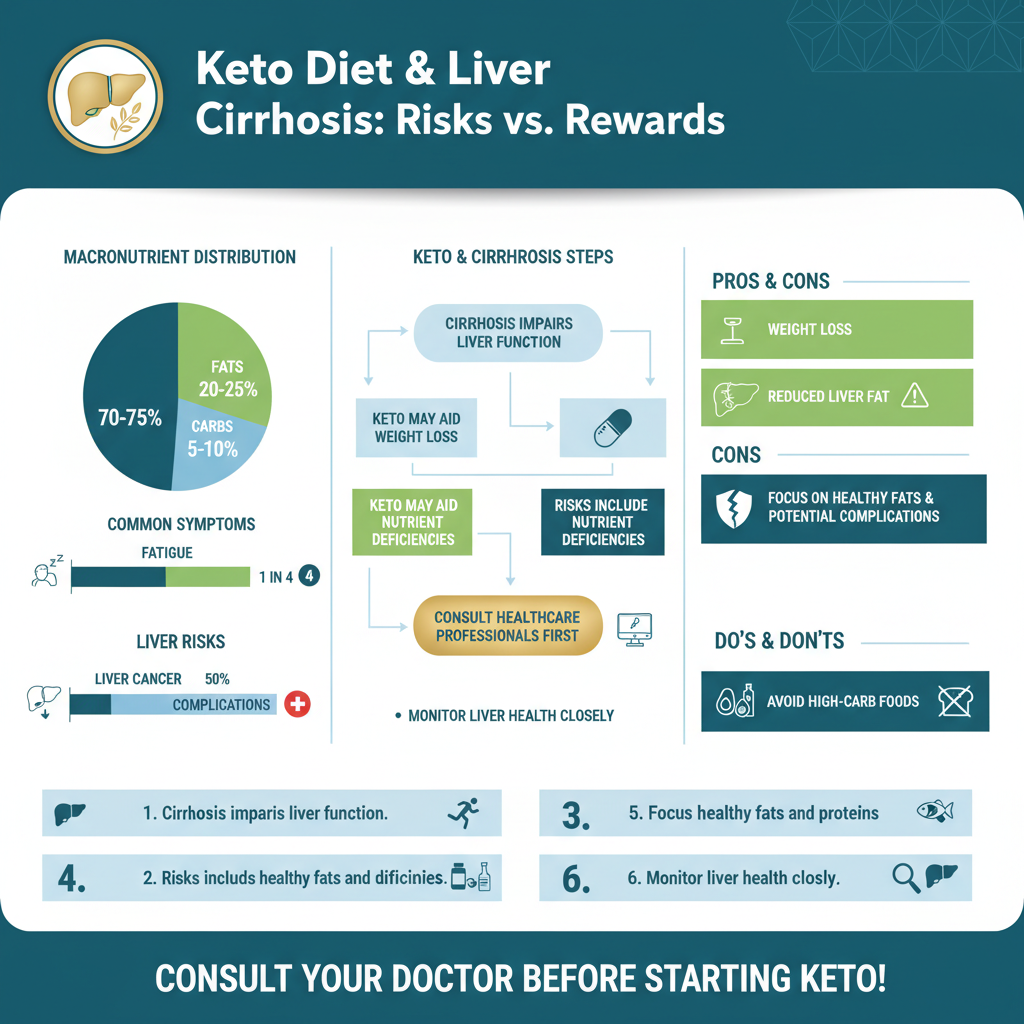

The ketogenic diet is a high-fat, low-carbohydrate eating plan designed to shift the body’s metabolism away from carbohydrates and towards fats. By drastically reducing carbohydrate intake and replacing it with fats, the body enters a metabolic state known as ketosis, where it becomes highly efficient at burning fat for energy. The typical macronutrient distribution on a keto diet consists of approximately 70-75% fats, 20-25% proteins, and only about 5-10% carbohydrates.
Foods commonly included in the keto diet are healthy fats (such as avocados, olive oil, and nuts), high-quality proteins (like fish, poultry, and eggs), and low-carbohydrate vegetables (such as leafy greens and broccoli). Conversely, foods that are excluded typically encompass high-carb items such as bread, pasta, sugar, and most fruits. This dietary approach has gained popularity for its potential weight loss benefits, but it is essential to consider its implications for individuals with liver conditions.
Potential Benefits of Keto for Liver Health
One of the most significant potential benefits of the keto diet for individuals with liver cirrhosis is weight loss. Excess weight, particularly visceral fat, is a known risk factor for worsening liver health and can exacerbate conditions like NAFLD, which is often a precursor to cirrhosis. By promoting weight loss, the keto diet may improve overall liver function and reduce the liver’s workload, potentially slowing the progression of liver damage.
Another potential benefit is the reduction in fat accumulation within the liver. The keto diet encourages the body to use fat as its primary fuel source, which can help decrease liver fat content. Some studies suggest that a ketogenic diet may be effective in reducing liver fat levels, thereby improving liver health markers. However, more research is needed to establish the long-term effects and effectiveness of the keto diet specifically in patients with liver cirrhosis.
Risks and Considerations
While the keto diet may offer certain benefits, it is not without its risks, particularly for individuals with liver cirrhosis. One significant concern is the potential for nutrient deficiencies. The diet’s restrictive nature may lead to inadequate intake of essential vitamins and minerals, such as B vitamins, vitamin C, and fiber, which are crucial for supporting liver health. Deficiencies in these nutrients can impair liver function further and negatively impact overall health.
Additionally, the keto diet can place additional stress on the liver due to its high fat content, particularly if the fats consumed are of poor quality or if the individual has pre-existing liver dysfunction. It is vital for individuals with liver cirrhosis to monitor their liver function closely during any dietary changes. Regular check-ups and blood tests can help ensure that the liver is responding positively to dietary adjustments and that no adverse effects are occurring.
Consulting Healthcare Professionals
Given the complexities involved in managing liver cirrhosis, consulting with healthcare professionals is essential before embarking on the keto diet or any significant dietary changes. A healthcare provider or a registered dietitian can assist in evaluating the individual’s health status, current medications, and overall nutritional needs. Personalized dietary planning can help ensure that the chosen diet is not only safe but also beneficial for liver health.
Healthcare professionals can also help monitor liver function through regular assessments, adjusting the dietary plan as necessary to mitigate risks. A well-informed approach, backed by professional guidance, can empower individuals with liver cirrhosis to make dietary choices that promote their health while minimizing potential complications.
Alternative Dietary Approaches
For those hesitant about the keto diet, other dietary approaches may also benefit liver health. The Mediterranean diet, for instance, emphasizes whole foods, healthy fats (such as olive oil), lean proteins, and plenty of fruits and vegetables. This diet has been associated with reduced liver fat and improved liver enzymes, making it a viable alternative for individuals with liver cirrhosis.
Another option is a plant-based diet, which focuses on whole grains, legumes, nuts, seeds, and a variety of fruits and vegetables. Research suggests that plant-based diets can have a positive effect on liver health, potentially reducing inflammation and fat accumulation in the liver. In comparing these alternatives to the keto diet, it is essential to consider individual preferences, dietary restrictions, and the specific health needs of the individual.
The keto diet may present both opportunities and challenges for individuals with liver cirrhosis. It is essential to weigh the potential benefits against the risks and to ensure that any dietary changes are guided by a healthcare professional. If you are considering the keto diet, consult with your doctor or a registered dietitian to develop a safe and effective plan tailored to your needs. By making informed dietary choices and working closely with healthcare providers, individuals with liver cirrhosis can take proactive steps towards better health.
Frequently Asked Questions
Is the keto diet safe for individuals with liver cirrhosis?
The keto diet may not be safe for individuals with liver cirrhosis due to its high-fat content, which can put additional strain on the liver. Patients with liver conditions often need to monitor their protein and carbohydrate intake closely. It’s essential to consult with a healthcare professional before making any significant dietary changes, as they can provide personalized advice based on your specific health status.
How can the keto diet affect liver function in cirrhosis patients?
The keto diet can affect liver function in cirrhosis patients by potentially increasing the production of ketones, which the liver metabolizes. While some studies suggest that a ketogenic diet may help reduce liver fat in non-alcoholic fatty liver disease, the impact on cirrhosis is less clear. Due to the liver’s compromised ability to process nutrients, a high-fat diet could exacerbate liver problems, making medical supervision crucial.
What are the potential risks of following a keto diet with liver cirrhosis?
The potential risks of following a keto diet with liver cirrhosis include worsening liver function, nutrient deficiencies, and an increased risk of developing complications such as hepatic encephalopathy. The high intake of saturated fats may also lead to inflammation in the liver. It is vital to approach dietary changes cautiously and under medical guidance to minimize these risks.
Which foods should be avoided on a keto diet if you have liver cirrhosis?
If you have liver cirrhosis and are considering a keto diet, you should avoid foods high in saturated fats and refined sugars. This includes red meats, full-fat dairy products, and processed foods, as they can exacerbate liver damage. Instead, focus on healthier fat sources like avocados, nuts, and olive oil, and ensure you incorporate adequate vitamins and minerals to support liver health.
What is the best diet for someone with liver cirrhosis?
The best diet for someone with liver cirrhosis typically includes a balanced intake of lean proteins, healthy fats, and complex carbohydrates. Emphasizing fruits, vegetables, whole grains, and moderate amounts of healthy fats can help manage symptoms and support liver function. Always consult with a healthcare provider or a registered dietitian to develop a personalized meal plan that suits your unique health needs.
References
- https://www.ncbi.nlm.nih.gov/pmc/articles/PMC6465867/
- https://www.healthline.com/nutrition/keto-diet-and-liver
- https://www.ncbi.nlm.nih.gov/pmc/articles/PMC7430480/
- https://www.hcahospital.org/health-library/keto-diet-and-liver-health
- Liver – American Liver Foundation
- https://www.sciencedirect.com/science/article/pii/S221287781830210X
- https://www.webmd.com/diet/what-is-the-keto-diet
- Detail
- https://www.medicalnewstoday.com/articles/keto-diet-and-liver-cirrhosis