

The keto diet can indeed be beneficial for individuals with high blood pressure, as it may promote weight loss and improve several metabolic markers crucial for cardiovascular health. This dietary approach emphasizes high fat intake while significantly reducing carbohydrates, which can lead to lower blood pressure levels and improved heart health for some individuals. However, before embarking on this dietary journey, it is essential to understand how the keto diet impacts blood pressure and the considerations to keep in mind.
Understanding High Blood Pressure

High blood pressure, or hypertension, is a chronic medical condition characterized by elevated pressure in the arteries, which can lead to severe health complications such as heart disease, stroke, and kidney failure. The causes of hypertension can vary widely, including genetic predisposition, poor diet, lack of physical activity, obesity, and chronic stress. Managing blood pressure is crucial for overall health, as consistently high levels can damage the arteries and organs over time, leading to increased risk of cardiovascular diseases and other serious health issues. Therefore, effective management strategies, including lifestyle and dietary changes, are paramount in maintaining optimal blood pressure levels.
The Basics of the Keto Diet
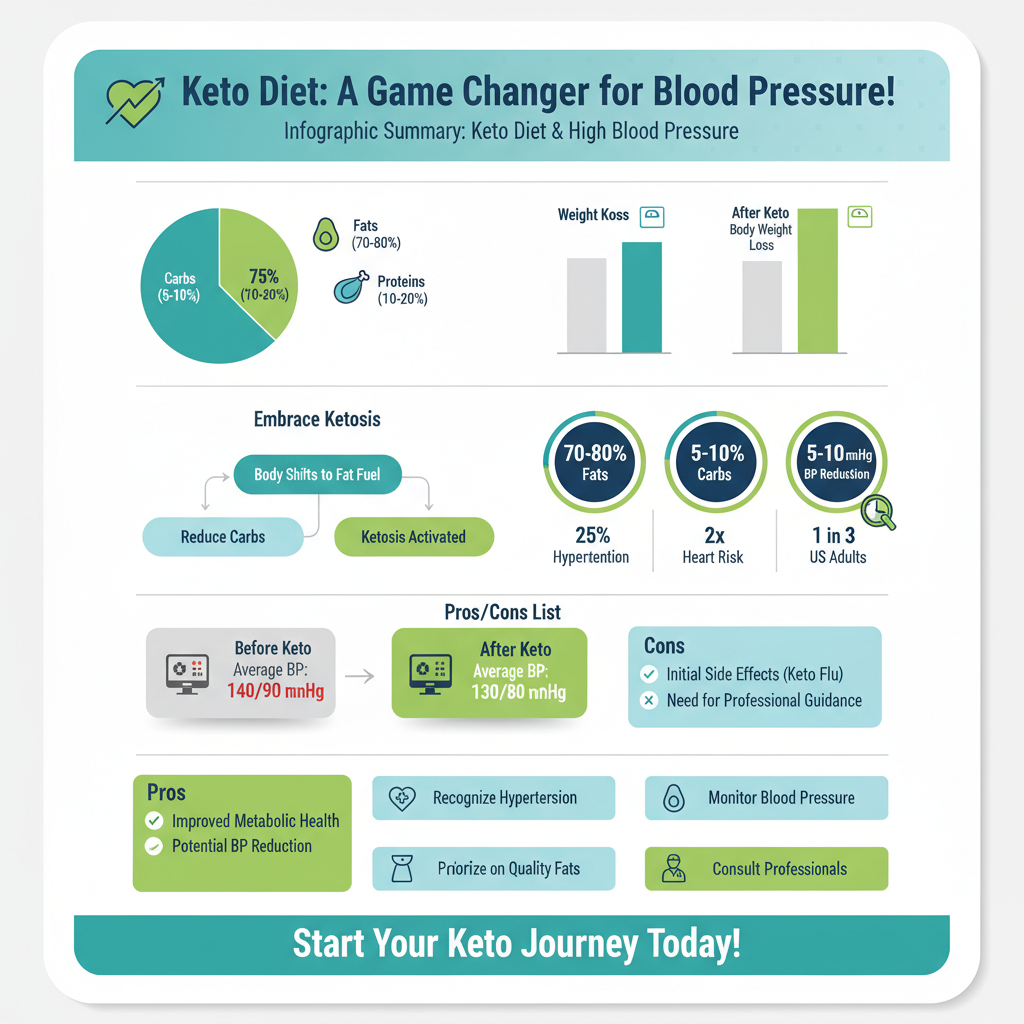

The ketogenic diet is a high-fat, moderate-protein, and low-carbohydrate eating plan designed to shift the body’s metabolism from relying on glucose to utilizing fat as its primary fuel source. This state of ketosis occurs when carbohydrate intake is reduced to about 5-10% of total daily calories, while fats make up approximately 70-80%, and proteins account for about 15-25%. The primary principles of the keto diet include minimizing carbohydrate intake to encourage fat burning, consuming high-quality fats such as avocados, nuts, and olive oil, and being mindful of protein sources. By adhering to these macronutrient ratios, individuals can experience significant weight loss and improved metabolic health, both of which can be beneficial for managing high blood pressure.
How the Keto Diet Affects Blood Pressure
One of the most notable benefits of the keto diet for individuals with high blood pressure is its potential for weight loss. Excess body weight is a well-established risk factor for hypertension; therefore, losing weight can lead to a decrease in blood pressure levels. Studies have shown that individuals following a ketogenic diet often experience significant weight reduction, which can contribute to lower systolic and diastolic blood pressure readings.
Additionally, the consumption of ketones—byproducts of fat metabolism—has been shown to enhance blood vessel function, reducing arterial stiffness and improving overall vascular health. This improvement can lead to better blood flow and reduced blood pressure. Furthermore, the anti-inflammatory properties associated with a ketogenic diet may help decrease systemic inflammation, another factor linked to hypertension. However, it is essential to approach the keto diet with caution, particularly for individuals with existing health conditions.
Research Findings on Keto and Hypertension
Several studies have explored the relationship between the ketogenic diet and blood pressure reduction. For instance, a study published in “Nutrition & Metabolism” indicated that participants who adhered to a ketogenic diet experienced significant reductions in blood pressure alongside weight loss. Another research effort highlighted the potential of the keto diet to improve metabolic syndrome components, which include hypertension, insulin resistance, and obesity.
However, the results are not universally conclusive. Some studies reveal mixed outcomes, suggesting that while some individuals may experience significant benefits, others could see little to no change in their blood pressure levels. This variability underscores the need for further research to determine the long-term effects and efficacy of the ketogenic diet in managing hypertension.
Potential Risks and Considerations
Despite the potential benefits, the keto diet is not without its risks, particularly for those with high blood pressure. Common side effects include the “keto flu,” which can manifest as fatigue, headaches, and gastrointestinal discomfort during the initial adaptation period. Additionally, the high-fat nature of the diet could lead to increased cholesterol levels in some individuals, raising concerns about cardiovascular health.
Moreover, individuals on certain blood pressure medications may experience interactions with the dietary changes introduced by the keto diet, particularly if weight loss leads to a significant reduction in blood pressure. Therefore, it is crucial to consult with healthcare professionals before making any drastic dietary changes, as they can provide personalized advice based on individual health profiles.
Tips for Starting the Keto Diet Safely
For those considering the keto diet, it is essential to approach it thoughtfully, particularly concerning blood pressure management. Monitoring blood pressure regularly is vital to ensure that levels remain stable throughout the diet. It is advisable to keep a journal of blood pressure readings, dietary intake, and any symptoms experienced during the transition to a ketogenic lifestyle.
When planning meals, focus on nutrient-dense foods that support heart health. Incorporate healthy fats, such as avocado, nuts, seeds, and olive oil, while avoiding trans fats and highly processed foods. Additionally, consider including low-carb vegetables like leafy greens, broccoli, and cauliflower, which provide essential vitamins and minerals without significantly impacting carbohydrate intake. Meal planning can help maintain adherence to the diet while ensuring a balanced intake of nutrients.
Lifestyle Changes to Support Blood Pressure Management
Beyond dietary changes, lifestyle modifications play a crucial role in managing high blood pressure. Regular physical activity is essential; engaging in aerobic exercises such as walking, cycling, or swimming can significantly improve cardiovascular health and contribute to weight management. Additionally, incorporating stress management techniques, such as mindfulness, yoga, or meditation, can help mitigate stress-related hypertension.
Furthermore, while the ketogenic diet can offer benefits, it is important to consider other dietary approaches that promote heart health. A balanced diet rich in fruits, vegetables, whole grains, lean proteins, and healthy fats—regardless of being strictly ketogenic—can also support blood pressure management and overall wellness.
By understanding the relationship between the keto diet and high blood pressure, individuals can make informed decisions about their dietary choices. If you are considering the keto diet, consult with a healthcare provider to ensure it’s the right fit for your health needs and goals. Making well-informed dietary and lifestyle choices can lead to significant improvements in blood pressure management and overall health.
Frequently Asked Questions
Is the keto diet effective for lowering high blood pressure?
Yes, the keto diet can be effective for lowering high blood pressure in some individuals. The diet focuses on high-fat, low-carb consumption, which can lead to weight loss and improved insulin sensitivity. Both of these factors are known to contribute to better blood pressure control. However, individual results may vary, and it’s essential to monitor your blood pressure regularly while on the diet.
What foods should I avoid on the keto diet to manage high blood pressure?
To effectively manage high blood pressure on the keto diet, it’s crucial to avoid processed foods high in sodium, as well as sugary snacks and high-carb foods. Opt for whole, unprocessed foods such as leafy greens, avocados, nuts, and fatty fish, which are beneficial for heart health. Additionally, limit your intake of saturated fats and prioritize healthy fats like olive oil and avocados to support optimal blood pressure levels.
How does a ketogenic diet impact heart health for those with hypertension?
The ketogenic diet can positively impact heart health for individuals with hypertension by promoting weight loss and improving cholesterol levels. Many studies suggest that a high-fat, low-carb diet can lead to reductions in triglycerides and increases in HDL (good) cholesterol, both of which are beneficial for heart health. However, it’s essential to choose healthy fats and monitor your overall nutrient intake to avoid potential negative effects.
Which types of keto diets are best for people with high blood pressure?
The best types of keto diets for individuals with high blood pressure include the Standard Ketogenic Diet (SKD) and the Mediterranean Keto Diet. The SKD focuses on a strict low-carb, high-fat approach, while the Mediterranean Keto Diet emphasizes healthy fats from sources like nuts, seeds, olive oil, and fatty fish. Both approaches can help manage blood pressure, but the Mediterranean version also incorporates more whole foods and antioxidants, which can be beneficial for heart health.
Why should I consult a doctor before starting the keto diet if I have high blood pressure?
Consulting a doctor before starting the keto diet is crucial, especially if you have high blood pressure. A healthcare professional can provide personalized advice based on your medical history, current medications, and specific dietary needs. They can also help monitor your blood pressure and adjust your treatment plan as needed, ensuring that you safely and effectively manage your hypertension while following the ketogenic diet.
References
- https://www.ncbi.nlm.nih.gov/pmc/articles/PMC6520789/
- Not Found | American Heart Association | American Heart Association
- https://www.health.harvard.edu/blog/what-you-need-to-know-about-the-keto-diet-2019061817143
- https://www.verywellhealth.com/keto-diet-and-hypertension-5193055
- https://www.ncbi.nlm.nih.gov/pmc/articles/PMC7919529/
- About Heart Disease | Heart Disease | CDC