

The keto diet can positively influence cholesterol levels for many individuals, particularly by raising HDL (good cholesterol) and lowering triglycerides. However, its effects can vary based on personal health conditions, dietary choices, and adherence to the diet. In this article, we will explore how the keto diet affects cholesterol and what factors to consider for optimal health.
Understanding Cholesterol: Good vs. Bad
Cholesterol is a fatty substance essential for various bodily functions, including hormone production and cell membrane integrity. It exists in two primary forms: HDL (High-Density Lipoprotein) and LDL (Low-Density Lipoprotein). HDL is often referred to as “good” cholesterol because it plays a crucial role in transporting cholesterol away from the arteries and back to the liver for excretion or re-utilization. Higher levels of HDL are associated with a reduced risk of heart disease.
On the other hand, LDL, commonly known as “bad” cholesterol, can lead to plaque buildup in the arteries when present in excess. This buildup increases the risk of cardiovascular diseases, including heart attacks and strokes. Understanding the balance between these two cholesterol types is vital for assessing one’s overall heart health and the implications of dietary choices, such as those associated with the keto diet.
How the Keto Diet Works
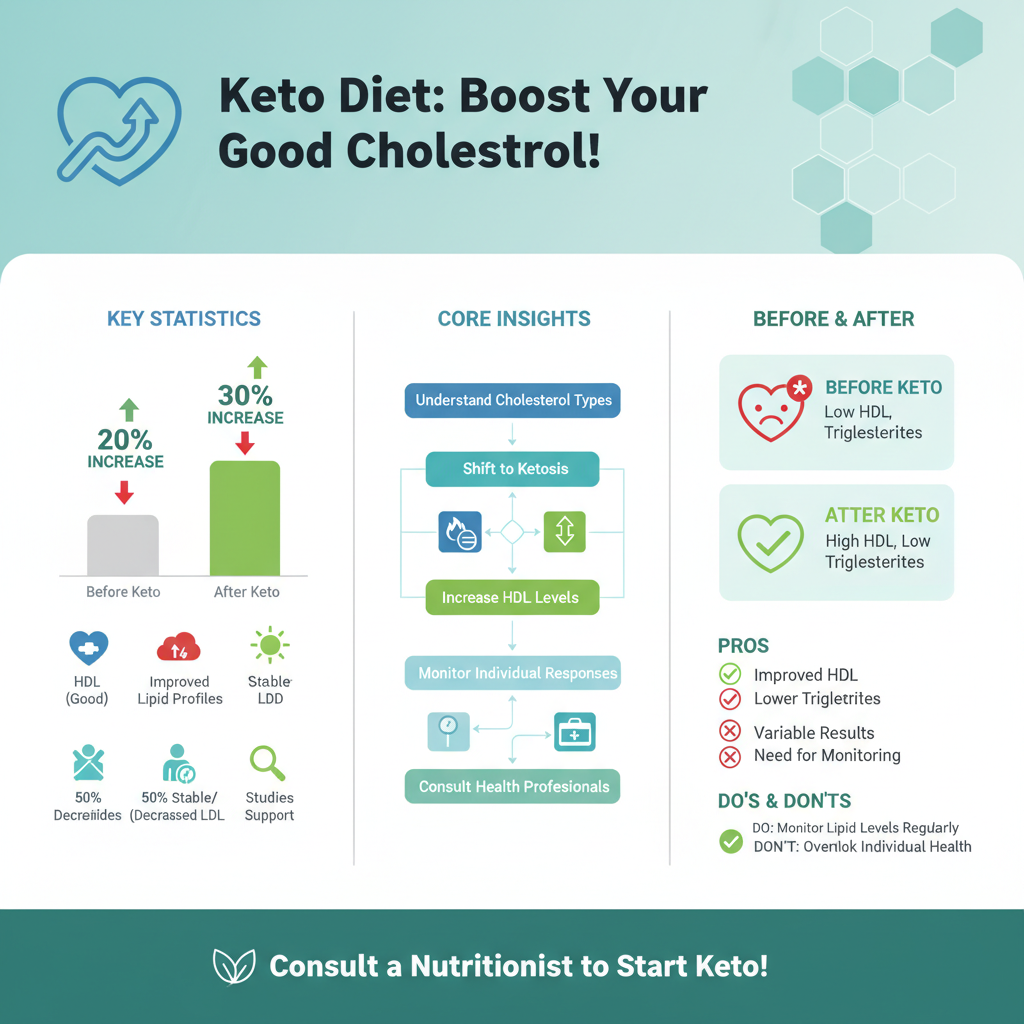

The ketogenic diet, or keto diet, is characterized by its high-fat, low-carbohydrate approach, which aims to shift the body’s metabolism from burning carbohydrates to primarily burning fat for energy. This metabolic state, known as ketosis, occurs when carbohydrate intake is significantly reduced, prompting the liver to convert fat into ketones, which serve as an alternative energy source.
As the body adapts to this new energy source, various biochemical processes are activated that can influence cholesterol levels. For instance, when the body is in ketosis, it may lead to an increase in the production of HDL cholesterol, enhancing the removal of LDL cholesterol from the bloodstream. Additionally, the reduction in carbohydrate intake often results in lower insulin levels, which can further contribute to lower triglyceride levels—a key factor in maintaining healthy lipid profiles.
Impact of the Keto Diet on Cholesterol Levels
Numerous studies have indicated that the keto diet can lead to improved lipid profiles, primarily by increasing HDL and decreasing triglyceride levels. A meta-analysis published in the journal “Nutrition & Metabolism” found that participants on a ketogenic diet experienced significant increases in HDL cholesterol and marked reductions in triglycerides compared to those following traditional low-fat diets.
However, it is essential to note that while many individuals experience beneficial changes in their lipid profiles, some may see elevated levels of LDL cholesterol. This paradoxical effect can raise concerns about heart health, as high LDL levels are often associated with increased cardiovascular risk. The reasons behind this variation can include individual metabolic responses to dietary fats, the types of fats consumed, and genetic predispositions.
Factors Influencing Cholesterol Responses
Several factors influence how the keto diet impacts cholesterol levels, and understanding these can help individuals make informed dietary choices. Genetics play a significant role; some people may have a genetic predisposition that makes them more sensitive to dietary fats, resulting in elevated LDL cholesterol levels when on a high-fat diet.
Another critical factor is the quality of fats consumed. While the keto diet encourages high fat intake, the sources of these fats significantly affect health outcomes. Diets high in saturated fats—found in fatty cuts of meat, butter, and heavy cream—may lead to increased LDL levels, while unsaturated fats—such as those from avocados, olive oil, and nuts—are generally more heart-healthy and can promote better cholesterol management. Therefore, focusing on quality fats can mitigate potential risks associated with the keto diet.
Monitoring and Adjusting Your Diet
For individuals following a keto diet, regular cholesterol testing is advisable to track changes in lipid profiles and make necessary dietary adjustments. Monitoring cholesterol levels can help identify any concerning trends early, allowing for timely interventions.
Incorporating healthy fats from sources such as avocados, nuts, seeds, and fatty fish can support better cholesterol management. These foods provide essential omega-3 fatty acids and monounsaturated fats, which have been shown to improve heart health. Additionally, increasing fiber intake through low-carb vegetables can aid in cholesterol regulation and overall cardiovascular health.
It’s also essential to balance macronutrients appropriately. While the keto diet is predominantly high in fats, ensuring adequate protein intake and sufficient micronutrients can contribute to overall well-being and support metabolic health.
Consulting Healthcare Professionals
Before embarking on the keto diet, it is crucial to consult with healthcare providers, especially for those with existing cholesterol or cardiovascular issues. A healthcare professional can assess individual health conditions and provide personalized guidance tailored to specific needs.
Moreover, working with a registered dietitian can offer invaluable insights into how to optimize the keto diet for health. They can help individuals navigate macro and micronutrient requirements, suggest appropriate food choices, and develop a sustainable eating plan that aligns with health goals while ensuring balanced nutrition.
Maintaining healthy cholesterol levels while following the keto diet is achievable with the right approach and understanding. By monitoring your lipid profile and making informed dietary choices, you can enjoy the benefits of the keto diet while safeguarding your heart health. If you’re considering the keto diet, consult with a healthcare professional to create a plan that works for you.
Frequently Asked Questions
Is the keto diet beneficial for lowering cholesterol levels?
The keto diet can have a mixed impact on cholesterol levels, depending on individual responses and the types of fats consumed. While some studies suggest that the high-fat, low-carb diet can lead to increases in HDL (good cholesterol) and reductions in triglycerides, it may also raise LDL (bad cholesterol) in certain individuals. It’s essential to focus on healthy fats, such as those from avocados, nuts, and olive oil, to maximize potential benefits while minimizing risks.
How does the keto diet affect LDL cholesterol?
The keto diet can lead to varying effects on LDL cholesterol, with some individuals experiencing increases while others see no change or even a decrease. This variability is influenced by factors such as genetics, the composition of the diet, and overall lifestyle. Regular monitoring of cholesterol levels and consulting with a healthcare professional is recommended to assess personal risk and make necessary dietary adjustments.
Why might some people see an increase in cholesterol on a keto diet?
Some individuals may experience an increase in cholesterol levels on the keto diet due to higher saturated fat intake from animal products and processed foods. The body may also respond to the dietary shift by mobilizing stored fat, leading to a temporary rise in circulating cholesterol. It’s important to balance fat sources and choose heart-healthy options to mitigate these effects and maintain optimal cholesterol levels.
What types of fats should I prioritize on a keto diet to support healthy cholesterol levels?
To support healthy cholesterol levels while on a keto diet, prioritize unsaturated fats over saturated fats. Incorporate sources such as olive oil, avocado, fatty fish (like salmon), and nuts, which are known to improve heart health. Limiting processed fats and trans fats found in many packaged foods can also help maintain a healthier cholesterol balance.
Which tests should I consider to monitor my cholesterol levels while on a keto diet?
While on a keto diet, it’s essential to monitor your cholesterol levels through comprehensive lipid panels, which include measurements of total cholesterol, LDL, HDL, and triglycerides. Consider getting tested at baseline, after a few months on the diet, and periodically thereafter to track changes. Consulting with a healthcare provider can help determine the best testing schedule based on your individual health goals and risk factors.
References
- https://www.ncbi.nlm.nih.gov/pmc/articles/PMC7072560/
- Not Found | American Heart Association | American Heart Association
- https://www.healthline.com/nutrition/keto-diet-cholesterol
- https://www.who.int/news-room/questions-and-answers/item/fat-and-cholesterol
- https://www.verywellhealth.com/the-keto-diet-and-cholesterol-5113670
- https://www.ajmc.com/view/impact-of-the-ketogenic-diet-on-lipid-levels
- https://www.sciencedirect.com/science/article/pii/S2212267218300077