

The keto diet can be detrimental to kidney health, especially for individuals with existing kidney conditions. While this popular low-carb lifestyle may promote weight loss and metabolic changes, it also places additional strain on kidney function, which can lead to complications if not monitored carefully. This article will explore the potential impacts of the ketogenic diet on kidney health, helping you understand whether this dietary approach is suitable for you.
Understanding the Keto Diet

The ketogenic diet is characterized by a high-fat, low-carbohydrate intake that encourages the body to enter a metabolic state known as ketosis. In ketosis, the body shifts from its primary reliance on carbohydrates for energy to burning fat stores. This process can result in significant weight loss, improved blood sugar control, and enhanced mental clarity for some individuals. The standard macronutrient breakdown for a keto diet typically consists of approximately 70-75% fat, 20-25% protein, and only 5-10% carbohydrates. While many individuals have successfully adopted this diet for various health benefits, it is essential to consider the implications for kidney health, particularly for those predisposed to kidney issues.
How the Keto Diet Affects Kidney Function
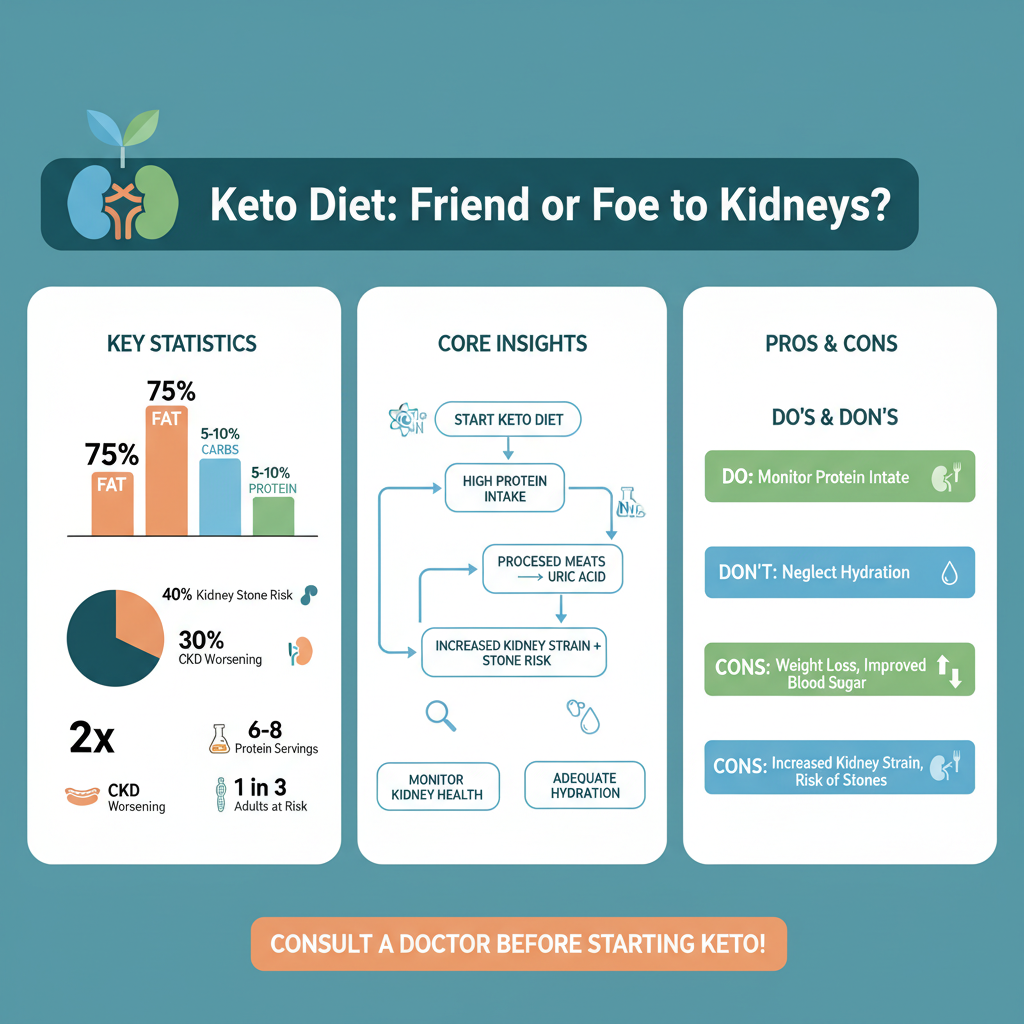

One of the crucial aspects of the keto diet is its impact on kidney function through the increased excretion of waste products. As fat is metabolized, the body produces ketones, which must be filtered by the kidneys. Additionally, some variations of the keto diet encourage higher protein intake, which can lead to increased nitrogen waste that the kidneys are responsible for filtering out. This heightened workload can potentially lead to complications in kidney function, particularly in individuals who already have compromised renal health. Studies suggest that diets high in protein can exacerbate pre-existing kidney conditions, highlighting the need for caution when adopting a keto lifestyle.
Risks for Individuals with Kidney Issues
Individuals with existing kidney conditions, such as chronic kidney disease (CKD) or kidney stones, may find that the keto diet exacerbates their symptoms. The high intake of certain foods—particularly processed meats and other protein-rich items—can lead to increased levels of uric acid and calcium in the urine, contributing to the formation of kidney stones. Moreover, the dietary restrictions inherent in the keto diet may limit the intake of fruits and vegetables, which are vital for maintaining kidney health. It is crucial for those with underlying kidney issues to consult healthcare professionals before adopting such a restrictive diet, as doing so without proper guidance could lead to further complications.
Hydration and Kidney Health on Keto
Hydration plays a pivotal role in maintaining kidney health, particularly when following the keto diet. Dehydration can significantly increase the risk of kidney damage and exacerbate existing kidney problems. Because the keto diet can lead to increased diuresis—an elevated production of urine—individuals must be diligent about their fluid intake. It is advisable to consume adequate water throughout the day and consider electrolyte supplementation to maintain a proper balance of minerals that are crucial for kidney function. An imbalance in electrolytes, such as sodium, potassium, and magnesium, may further stress the kidneys, making hydration a critical component of any ketogenic lifestyle.
Signs of Kidney Strain
Being aware of the signs of kidney strain is essential for anyone considering or currently following the keto diet. Symptoms such as fatigue, swelling in the legs and ankles, changes in urination patterns (such as increased frequency or changes in color), and lower back pain can all indicate potential kidney issues. Regular monitoring of kidney function through blood tests, including assessments of creatinine and blood urea nitrogen (BUN) levels, is recommended for those on the keto diet. This proactive approach can help in identifying any adverse changes to kidney health early, allowing for timely interventions.
Alternatives and Modifications
For individuals concerned about the potential risks of the keto diet on kidney health, several alternatives and modifications can be considered. A modified ketogenic approach, which reduces protein intake while maintaining a higher level of hydration, may provide a more kidney-friendly option. Incorporating more plant-based fats and proteins can help balance the diet while reducing the burden on the kidneys. Consulting a healthcare professional or a registered dietitian can be invaluable in tailoring dietary choices based on individual health needs and conditions, ensuring that you remain on a path that promotes both weight loss and kidney health.
In summary, while the keto diet can offer benefits for weight management and metabolic health, it may pose significant risks to kidney function, particularly for individuals with pre-existing conditions. Assessing your health status and consulting with a healthcare provider before embarking on any drastic dietary changes is essential. If you choose to follow the keto diet, be sure to stay informed, monitor your kidney health closely, and make necessary adjustments to safeguard your well-being.
Frequently Asked Questions
Is the keto diet bad for your kidneys if you have pre-existing kidney conditions?
Individuals with pre-existing kidney conditions should approach the keto diet with caution. The high protein intake associated with the keto diet can put additional strain on the kidneys, potentially worsening existing issues. It is essential to consult a healthcare professional before starting the keto diet to ensure it is safe based on your specific health conditions.
How does the keto diet affect kidney function in healthy individuals?
For healthy individuals, the keto diet typically does not have a negative impact on kidney function. However, the diet’s high intake of fats and proteins may lead to dehydration and increased uric acid levels, which can affect kidney health over time. Maintaining proper hydration and monitoring kidney function through regular check-ups can help mitigate these risks.
Why might the keto diet lead to kidney stones in some people?
The keto diet may increase the risk of developing kidney stones due to higher levels of uric acid and calcium in the urine, resulting from a high-fat, low-carb intake. This shift in diet can lead to a metabolic state that promotes stone formation. To reduce this risk, individuals on the keto diet should ensure adequate hydration and consider moderating protein intake.
What are the best practices for following a keto diet while protecting kidney health?
To protect kidney health while following a keto diet, it’s crucial to stay well-hydrated and consume adequate amounts of electrolytes, such as sodium, potassium, and magnesium. Additionally, opt for high-quality protein sources and monitor your intake to avoid excessive protein consumption. Regular consultations with a healthcare provider can also help ensure that your kidney health is not compromised during the diet.
Which signs should I watch for that may indicate kidney issues while on the keto diet?
While on the keto diet, be vigilant for signs of potential kidney issues, such as persistent fatigue, swelling in the legs or ankles, changes in urination (such as decreased output or dark urine), or unexplained back pain. If you experience any of these symptoms, it is essential to seek medical advice promptly. Regular kidney function tests can also help identify any concerns early on.
References
- https://www.ncbi.nlm.nih.gov/pmc/articles/PMC6520660/
- https://www.kidney.org/atoz/content/keto-diet-and-kidney-health
- https://www.health.harvard.edu/staying-healthy/the-ketogenic-diet
- Mayo Clinic
- https://www.ncbi.nlm.nih.gov/pmc/articles/PMC8010494/
- https://www.webmd.com/diet/ss/slideshow-ketogenic-diet-overview