

Tapioca starch is not considered keto-friendly due to its high carbohydrate content. For those following a ketogenic diet, which typically restricts carbs to promote ketosis, tapioca starch can be a problematic ingredient. In this article, we will explore why tapioca starch is not suitable for keto, alternatives to consider, and how to manage carb intake on a ketogenic diet.
Understanding Tapioca Starch
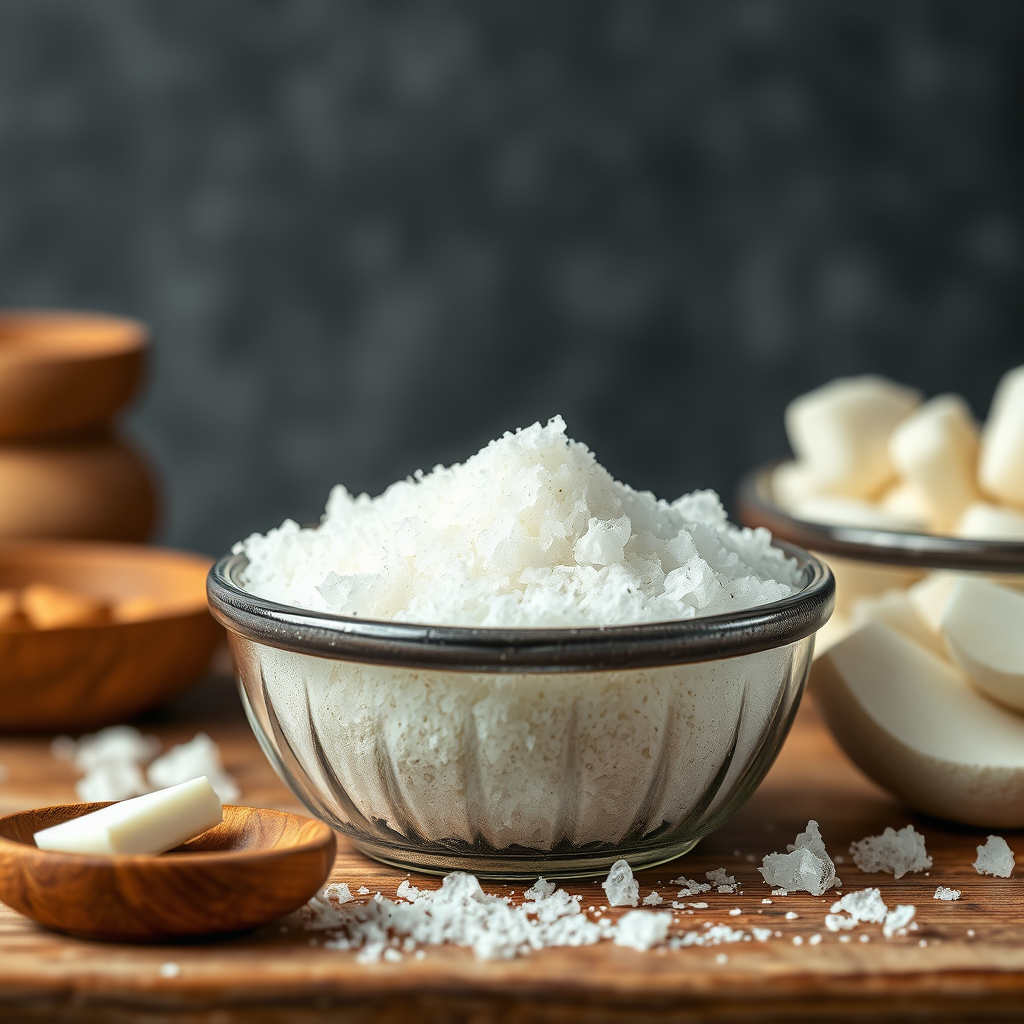
Tapioca starch is derived from the cassava root, a tuber native to South America and widely cultivated in tropical regions. Its primary composition consists of carbohydrates, making it a high-calorie, low-nutrient ingredient. Often utilized as a thickening agent in various recipes, tapioca starch is particularly popular in gluten-free cooking and baking. While it can enhance the texture of soups, sauces, and desserts, its carbohydrate-heavy profile makes it unsuitable for those adhering to a ketogenic diet, which emphasizes low carbohydrate intake to achieve and maintain a state of ketosis.
The process of extracting tapioca starch involves peeling and washing the cassava root, followed by grating it. The grated cassava is then soaked in water, allowing the starch to settle at the bottom. After draining the water, the starch is dried and milled into a fine powder. This versatile ingredient is often found in recipes for pancakes, bread, and other baked goods, which can lead those on a keto diet to mistakenly incorporate it into their meals.
Carb Content of Tapioca Starch
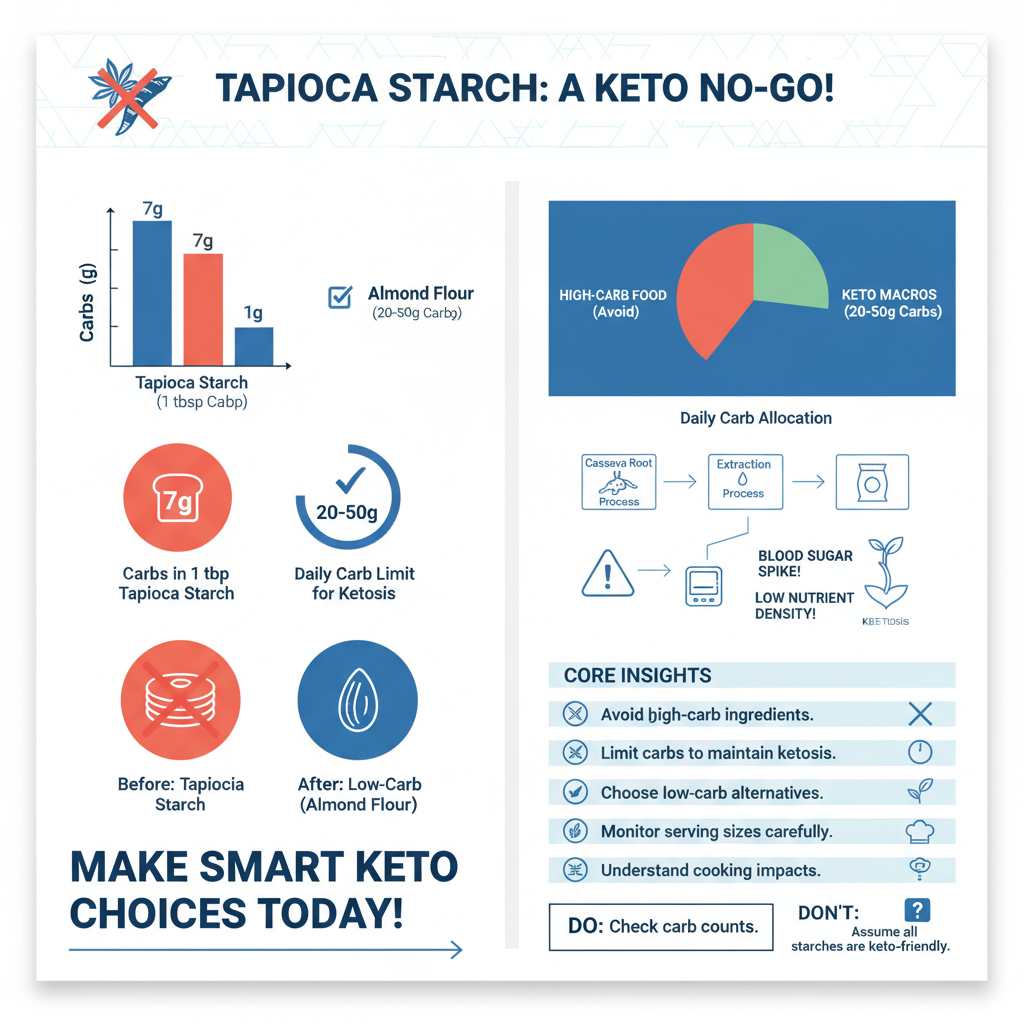
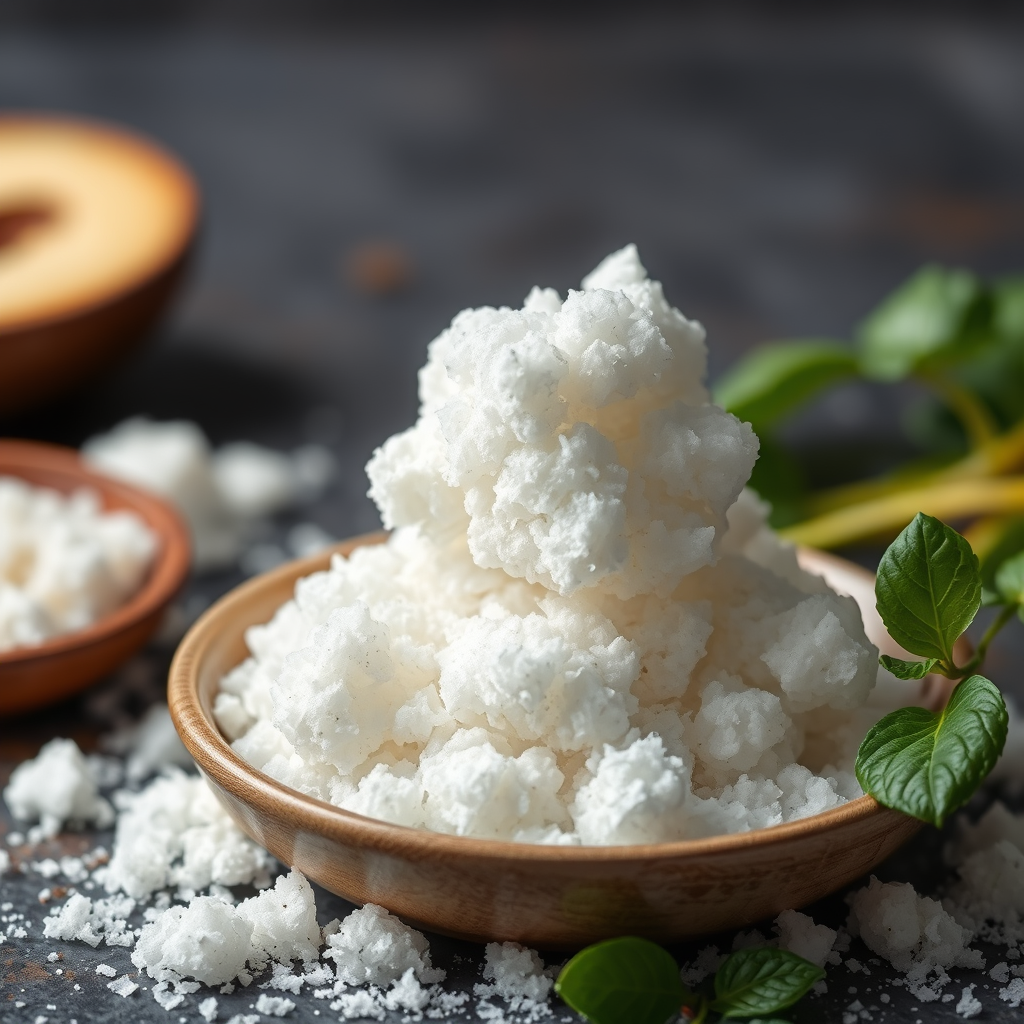
One tablespoon of tapioca starch contains approximately 7 grams of carbohydrates. When following a ketogenic diet, individuals typically aim to limit their carbohydrate intake to around 20-50 grams per day to induce and maintain ketosis. Consuming even a small amount of tapioca starch can significantly impact daily carb allowances, making it challenging to stay within the prescribed limits.
For instance, if an individual uses two tablespoons of tapioca starch in a recipe, they would already be consuming about 14 grams of carbohydrates, which is nearly equivalent to the lower end of the daily limit for many keto practitioners. This rapid accumulation of carbs from seemingly innocuous ingredients like tapioca starch can derail the efforts of those trying to adhere strictly to their ketogenic goals.
Additionally, the high glycemic index of tapioca starch means it can cause spikes in blood sugar levels, further complicating the metabolic state that a ketogenic diet seeks to achieve. Therefore, it is essential for individuals following a keto lifestyle to be acutely aware of the carbohydrate content in their food choices.
Alternatives to Tapioca Starch on Keto
If you’re looking for keto-friendly substitutes for tapioca starch, several options can fulfill similar culinary roles without the high carb count. Almond flour and coconut flour are commonly used in keto baking and cooking. Almond flour, for instance, contains only about 2 grams of carbohydrates per tablespoon, making it a far more suitable alternative for those on a ketogenic diet. Coconut flour is another excellent option, providing about 6 grams of carbs per tablespoon, but it is also rich in fiber, which can help mitigate the impact on blood sugar levels.
For thickening purposes, consider using psyllium husk or xanthan gum. Psyllium husk is a soluble fiber that not only thickens but also adds bulk to recipes, making it ideal for low-carb baking. Xanthan gum, on the other hand, is a popular thickener that is effective in small quantities, often requiring only a fraction of a teaspoon to achieve the desired consistency. Both of these alternatives can help maintain the texture and mouthfeel of dishes without the carbohydrate burden associated with tapioca starch.
How to Incorporate Low-Carb Ingredients
To successfully incorporate low-carb ingredients into your cooking, it’s crucial to develop a habit of reading labels carefully. Many processed foods, even those marketed as “healthy” or “natural,” may contain hidden carbohydrates that can quickly accumulate and exceed your daily limits. Look for products that clearly indicate low net carbs and do not include high-carb fillers.
Experimenting with low-carb recipes is another effective strategy. Many online resources and cookbooks offer a plethora of recipes that substitute tapioca starch with keto-friendly ingredients. For example, keto-friendly pizza crusts can be made using almond flour or cauliflower, while creamy sauces can be thickened with xanthan gum instead of tapioca starch. By embracing these alternatives, you can discover new textures and flavors while remaining committed to your dietary goals.
Tips for Managing Carb Intake on Keto
Tracking your daily carbohydrate intake is essential for those on a ketogenic diet, as it ensures that you remain within your target range. Utilizing mobile apps or food journals can greatly assist in monitoring what you eat. These tools often provide detailed nutritional information, making it easier to make informed decisions about your meals.
Focusing on whole foods is another critical aspect of managing carb intake. Incorporate a variety of non-starchy vegetables, meats, and healthy fats into your diet. Leafy greens, cruciferous vegetables, and low-carb fruits like berries can provide essential nutrients without the carbohydrate overload. Additionally, healthy fats such as avocados, olive oil, and nuts can help keep you satiated while still aligning with keto principles.
Moreover, meal prepping can be an effective way to control what you eat and eliminate the temptation of high-carb foods. By preparing your meals in advance, you can ensure that you always have access to keto-friendly options, reducing the likelihood of reaching for convenient but carb-heavy foods.
Common Misconceptions About Keto
One prevalent misconception about the ketogenic diet is that all starches must be eliminated entirely. While it is true that high-carb starches like tapioca are not suitable for keto, some starches can be used in moderation depending on their carbohydrate content and glycemic index. Understanding the differences among various starches can provide flexibility in your diet while still maintaining a low-carb focus.
For example, resistant starches, which include certain types of cooking methods for potatoes and green bananas, may have different effects on blood sugar and insulin levels compared to simple starches. Research indicates that some resistant starches can even promote gut health. Therefore, it’s essential to educate yourself on the glycemic index and the specific characteristics of various starches to make informed choices.
In summary, tapioca starch is not a good fit for those following a ketogenic diet due to its high carbohydrate content. Instead, opt for low-carb alternatives like almond flour, coconut flour, psyllium husk, or xanthan gum. Be mindful of your overall carb intake by tracking your consumption and focusing on whole foods. By embracing these strategies, you can successfully maintain a keto-friendly lifestyle while still enjoying a diverse range of foods. For more tips on maintaining a successful keto lifestyle, explore our other resources and recipes.
Frequently Asked Questions
Is tapioca starch keto-friendly for a low-carb diet?
Tapioca starch is not considered keto-friendly due to its high carbohydrate content. With approximately 28 grams of carbs per 1 ounce (28 grams), including 26 grams of net carbs, it can easily exceed the daily carb limit for those following a ketogenic diet, which typically restricts carbs to around 20-50 grams per day. Therefore, if you’re aiming to maintain ketosis, it’s best to avoid tapioca starch.
What are the alternatives to tapioca starch for keto baking?
For keto baking, popular alternatives to tapioca starch include almond flour, coconut flour, and psyllium husk. Almond flour is low in carbohydrates and provides a nutty flavor, while coconut flour is also low in carbs and high in fiber, making it a great option for moisture-absorption in recipes. Psyllium husk can add texture and binding properties, making it suitable for bread and other baked goods without the carbs found in tapioca.
Why do some recipes use tapioca starch if it’s not keto-friendly?
Many recipes use tapioca starch for its unique properties, such as providing a chewy texture and acting as a thickener in sauces and soups. It is often found in gluten-free cooking because it mimics the elasticity that gluten provides in traditional recipes. However, for those on a keto diet, it’s important to substitute it with low-carb alternatives while still achieving the desired texture and flavor in dishes.
How can I modify recipes that call for tapioca starch to be keto-friendly?
To modify recipes that call for tapioca starch, you can substitute it with low-carb alternatives such as almond flour or a combination of almond flour and coconut flour. Additionally, using xanthan gum or psyllium husk can help retain the desired texture and moisture in baked goods. Start by replacing tapioca starch with about 1/4 of the amount of your chosen keto substitute, adjusting as needed for consistency.
Which foods commonly contain tapioca starch that I should avoid on a keto diet?
Foods that commonly contain tapioca starch and should be avoided on a keto diet include many processed snacks, gluten-free products, and sauces like gravies or certain dressings. Additionally, tapioca is often found in bubble tea (boba), certain desserts, and some bread alternatives marketed as gluten-free. Always check labels for tapioca starch when shopping to maintain your low-carb lifestyle effectively.
References
- Tapioca
- https://www.healthline.com/nutrition/tapioca-starch
- https://www.ncbi.nlm.nih.gov/pmc/articles/PMC6469201/
- Keto diet: Benefits and nutrients
- https://www.sciencedirect.com/science/article/abs/pii/S2352618118300057
- https://www.cdc.gov/nutrition/index.html
- https://www.dietitians.ca/Downloads/Public/What-is-Keto-Diet.aspx