

While squash is often viewed as a healthy vegetable, it’s not typically recommended for those following a strict keto diet due to its higher carbohydrate content. However, there are specific types of squash that can be consumed in moderation. In this article, you’ll learn about the different types of squash, their carb counts, and how they can fit into a keto lifestyle if at all.
Understanding the Keto Diet
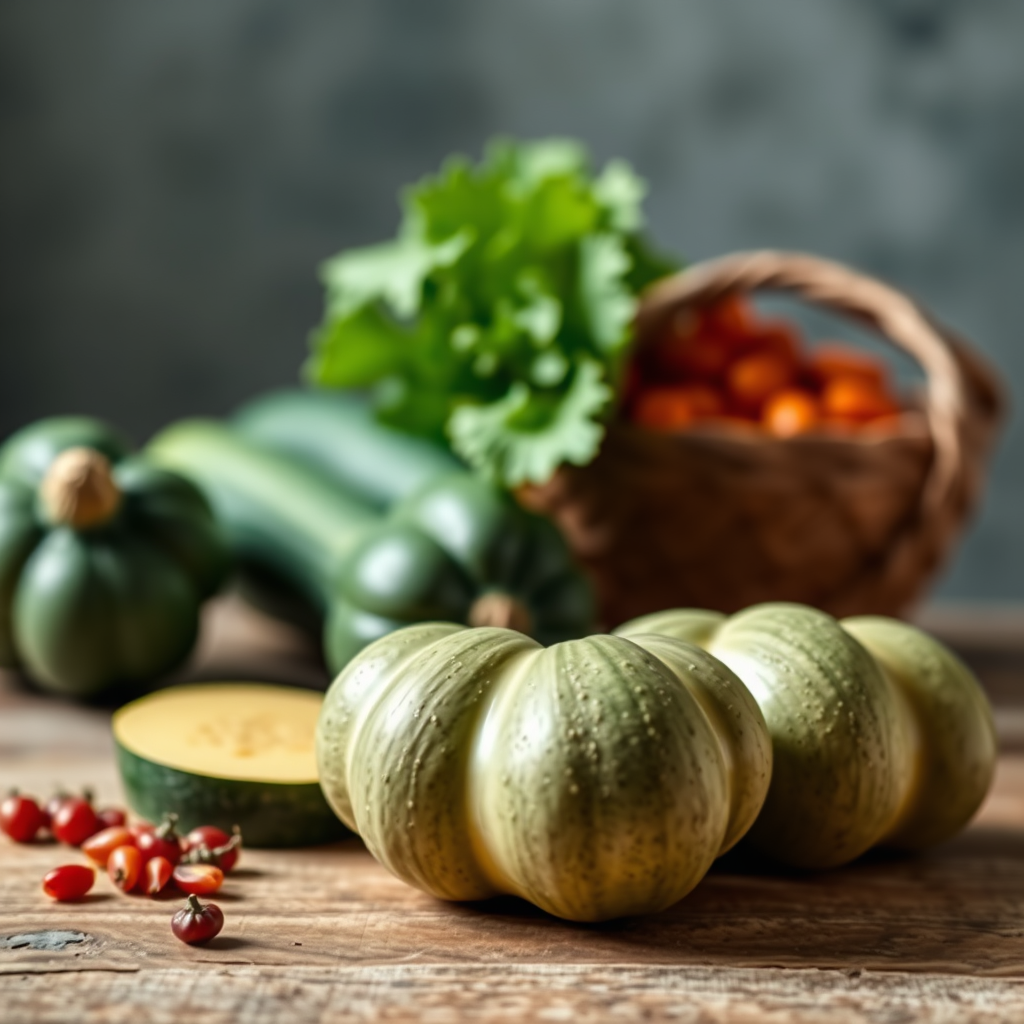
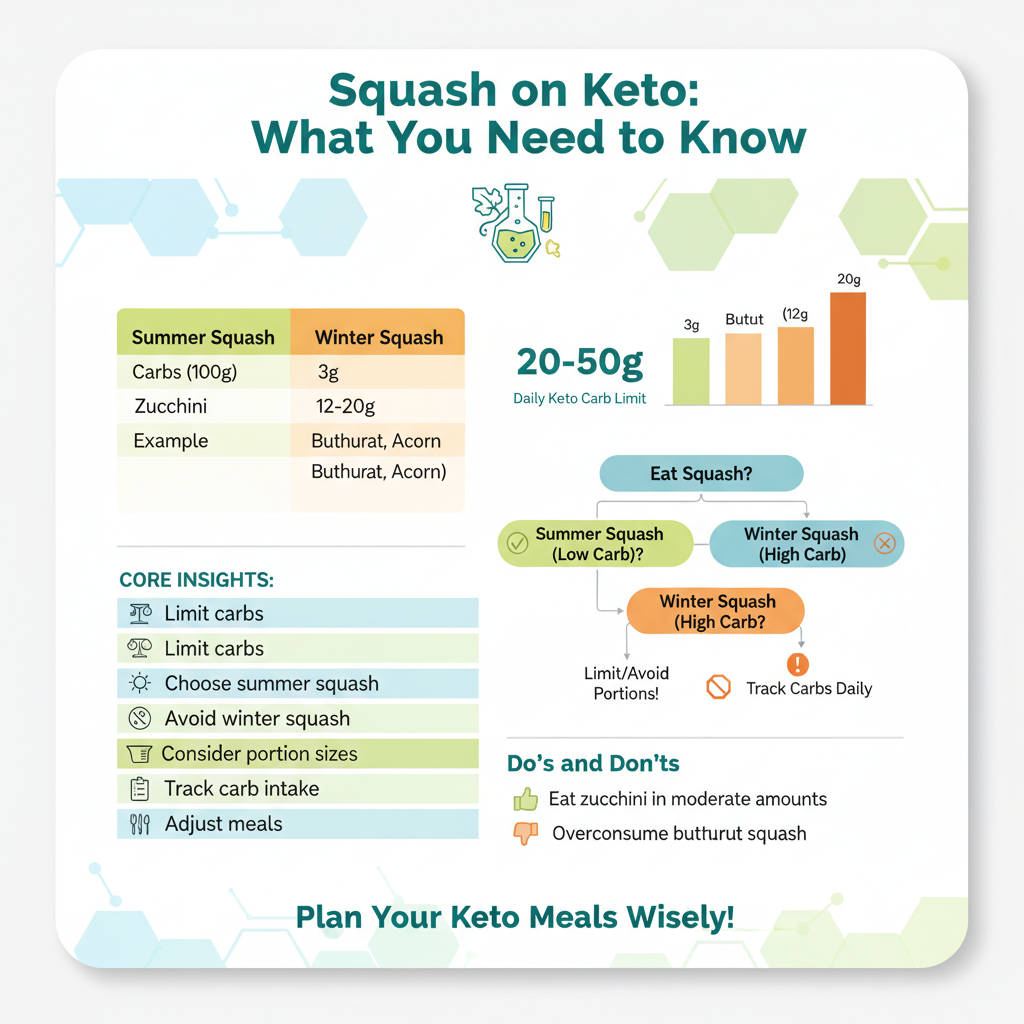
The ketogenic diet, commonly known as the keto diet, is a dietary approach that emphasizes high-fat, low-carbohydrate foods to induce a metabolic state called ketosis. In ketosis, the body shifts from burning carbohydrates for energy to burning fat, which can lead to weight loss and other health benefits. Most people following the keto diet aim to keep their daily carbohydrate intake between 20 to 50 grams, significantly lower than the average person’s intake. This reduction in carbohydrates forces the body to adapt by utilizing fat as its primary fuel source, leading to the production of ketones. Given this framework, it’s crucial to scrutinize the carbohydrate content of any food, including vegetables like squash.
Types of Squash and Their Carb Counts
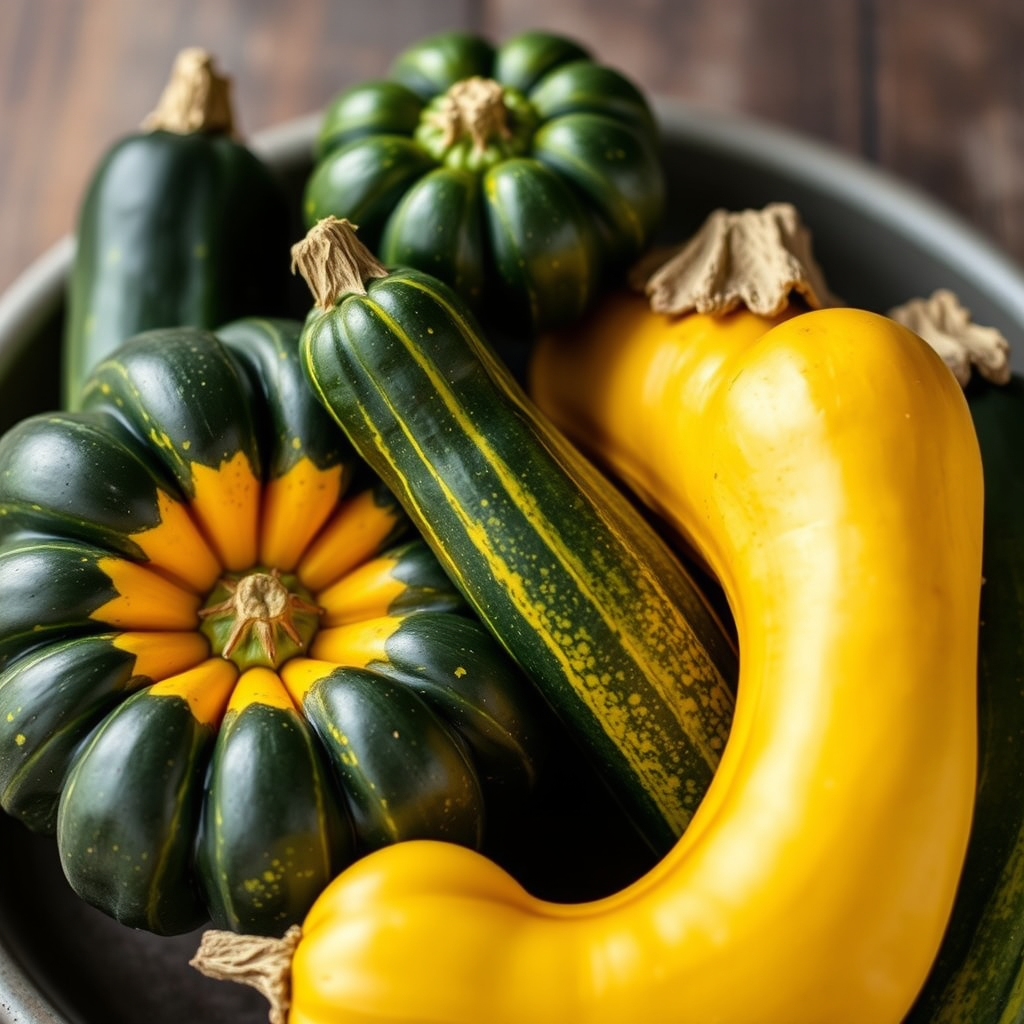
Squash is a diverse category of vegetables that can be broadly divided into two main types: summer squash and winter squash. Each type has its unique characteristics and nutritional profiles, particularly concerning carbohydrate content.
– Summer Squash: Varieties such as zucchini and yellow squash are classified as summer squash. These tend to have a lower carbohydrate count, making them more suitable for a keto diet. For instance, zucchini has approximately 3 grams of carbohydrates per 100 grams. This lower carb count allows for more flexible meal planning while adhering to keto guidelines.
– Winter Squash: On the other hand, winter squash varieties like butternut, acorn, and spaghetti squash contain significantly higher carbohydrate levels. For example, butternut squash can have between 12 to 20 grams of carbohydrates per 100 grams. This higher carb content makes them less compatible with a strict keto diet, as consuming them could quickly exceed daily carb limits, potentially knocking you out of ketosis.
Understanding the differences in carb counts between these types of squash is essential for anyone looking to maintain a successful keto lifestyle.
Can You Include Squash on Keto?
The inclusion of squash on a keto diet is not entirely off the table, but moderation is key. While summer squash like zucchini can be consumed in small portions, winter squash should generally be avoided or limited due to its higher carbohydrate content.
– Moderation is Key: If you choose to include lower-carb squash varieties, it’s crucial to do so in moderation. For instance, a half-cup serving of zucchini can provide a satisfying component to your meal without overwhelming your carb intake.
– Carb Tracking: It’s essential to consistently monitor your total carbohydrate intake. Using a food diary or a mobile app can help you track your macros effectively. By incorporating lower-carb squash into your meal plan, you can enjoy its benefits without jeopardizing your keto goals.
In summary, while you can include squash in a keto diet, careful consideration of the type and portion size is vital.
Nutritional Benefits of Squash
Despite the potential challenges of including squash in a keto diet, it is important to acknowledge the nutritional benefits that this vegetable can provide.
– Vitamins and Antioxidants: Squash is rich in vitamins A and C, both of which are critical for immune function and skin health. Additionally, these vitamins act as antioxidants, helping to combat oxidative stress in the body.
– Dietary Fiber: Squash also provides dietary fiber, which can aid digestion and promote a feeling of fullness. However, it is crucial to balance fiber intake with overall carbohydrate consumption, as excessive fiber from high-carb sources can interfere with ketosis.
While the nutritional benefits of squash are significant, careful management of portion sizes is necessary for those adhering to a ketogenic diet.
Creative Ways to Use Squash on a Keto Diet
If you decide to incorporate squash into your keto meal plan, there are numerous creative ways to enjoy it while keeping carbohydrate intake in check.
– Zucchini Noodles: A popular alternative to traditional pasta, zucchini noodles (or “zoodles”) can be easily prepared using a spiralizer. They provide a low-carb base for various sauces and toppings, allowing you to enjoy comfort food without the guilt.
– Stuffed Squash: You can use summer squash as a vessel for low-carb fillings, such as ground meat, cheese, and vegetables. By using ingredients that align with keto principles, stuffed squash can become a hearty and satisfying meal option.
Experimenting with these creative dishes can help incorporate squash into your diet without compromising your keto goals.
Alternatives to Squash on Keto
If you find that even the lower-carb varieties of squash are not fitting well into your keto diet, there are several alternatives that can provide similar textures and flavors.
– Leafy Greens: Vegetables like spinach, kale, and Swiss chard are excellent low-carb substitutes that can be used in salads, sautés, and smoothies. They are packed with nutrients while maintaining a minimal carbohydrate footprint.
– Cauliflower: Cauliflower is a versatile vegetable that can mimic many dishes traditionally made with squash. From cauliflower rice to cauliflower mash and even cauliflower pizza crust, this vegetable can serve as a fantastic alternative for those on a keto diet.
By diversifying your vegetable choices, you can maintain variety in your meals while sticking to your keto regimen.
Tips for Following Keto Successfully
Staying on track with a ketogenic lifestyle can be challenging, but with proper planning and knowledge, you can achieve your dietary goals.
– Meal Planning: Preparing meals ahead of time can significantly reduce the temptation to reach for high-carb convenience foods. By planning your meals, you can ensure that you have keto-friendly options readily available, making it easier to stick to your dietary guidelines.
– Stay Informed: Regularly checking nutritional information for the foods you consume is crucial. Understanding the carbohydrate content of various foods, including vegetables, allows you to make informed choices that align with your keto goals.
By implementing these strategies, you can enhance your adherence to the keto diet and enjoy the benefits of this lifestyle.
In summary, while squash is not strictly keto-friendly, certain varieties can be enjoyed in moderation if you keep an eye on your carbohydrate intake. The key is to choose lower-carb options like zucchini, track your macros diligently, and explore creative ways to incorporate vegetables into your meals. By considering low-carb alternatives and following practical tips for a successful keto lifestyle, you can maintain your health and enjoy a diverse diet. For more tips on keto living, explore our other articles or join our community for support!
Frequently Asked Questions
Is squash allowed on the keto diet?
Yes, squash can be included in the keto diet, but it’s essential to choose the right varieties. While summer squash, such as zucchini, is lower in carbohydrates and fits well within a ketogenic meal plan, winter squash like butternut or acorn squash tends to be higher in carbs. Always check the carb counts and opt for smaller servings to stay within your daily carb limit.
What types of squash are best for a keto diet?
The best types of squash for a keto diet include zucchini, yellow squash, and spaghetti squash. These varieties are lower in carbohydrates and can be used in a variety of keto-friendly recipes, such as stir-fries, casseroles, or as substitutes for pasta. Always be mindful of portion sizes to maintain your ketosis.
How does the carbohydrate content of squash compare to other vegetables on the keto diet?
Squash typically has a higher carbohydrate content than many leafy greens and non-starchy vegetables. For example, zucchini contains about 2 grams of net carbs per 100 grams, while spinach has only about 1 gram. When including squash in your keto diet, it’s vital to track your overall carb intake and balance it with lower-carb vegetables to stay in ketosis.
Why is it important to monitor squash intake on the keto diet?
Monitoring squash intake is crucial on the keto diet because exceeding your daily carbohydrate limit can kick you out of ketosis, the metabolic state where your body burns fat for fuel instead of carbohydrates. Since some squash varieties contain more carbs than others, being aware of your portion sizes and choices helps you maintain your desired ketogenic state and achieve your dietary goals.
Can I use squash in keto recipes without compromising my diet?
Absolutely! Squash can be a versatile ingredient in keto recipes. You can spiralize zucchini for a low-carb pasta alternative or roast spaghetti squash as a base for savory dishes. Just ensure you account for the carbs in your overall meal plan, and you’ll be able to enjoy the flavors and textures of squash while staying true to your keto diet.
References
- https://www.healthline.com/nutrition/squash-keto-diet
- Bowel endometriosis: Symptoms, diagnosis, and treatment
- https://www.ncbi.nlm.nih.gov/pmc/articles/PMC6466425/
- https://www.eatright.org/food/nutrition/dietary-guidelines/the-ketogenic-diet
- https://www.webmd.com/diet/what-is-the-keto-diet
- https://www.verywellfit.com/what-is-the-keto-diet-5119194