

Sourdough isn’t typically keto-friendly due to its carbohydrate content. While it has unique benefits from fermentation, including lower glycemic index and enhanced digestibility, the carbs can still challenge those on a strict keto diet. However, you can explore alternatives like almond flour bread or cloud bread, which offer similar textures without the high carbs. If you’re curious about how to balance sourdough in your diet or find low-carb options, there’s more to discover.
Understanding Sourdough Bread
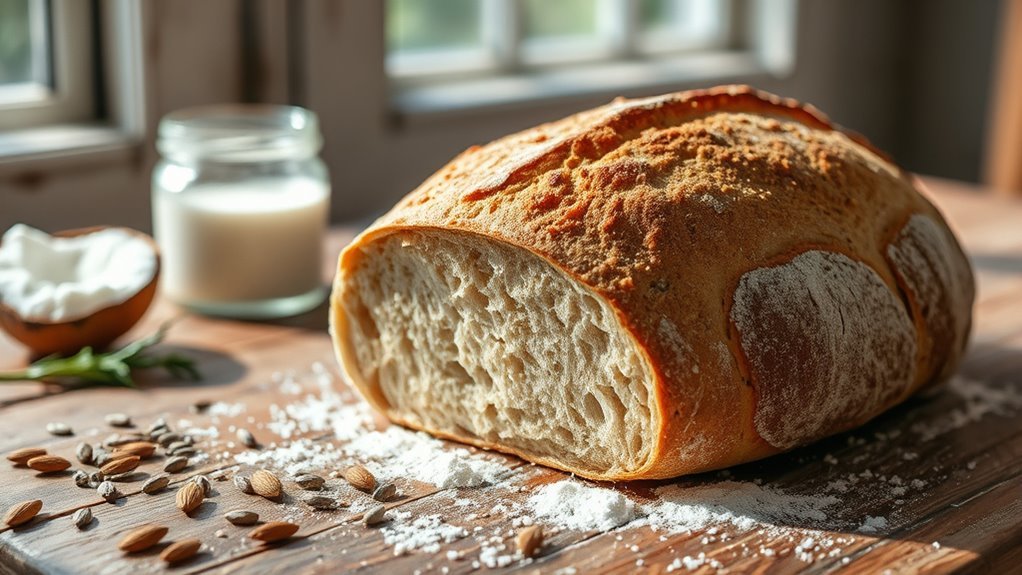
Sourdough bread is often celebrated for its unique flavor and texture, but understanding its composition is key to evaluating its place in a keto diet. Sourdough has a rich history, dating back thousands of years, with ancient civilizations using natural fermentation to create this distinct bread. This process not only enhances flavor but also contributes to the formation of various sourdough varieties, each with its own characteristics, such as San Francisco sourdough or whole grain options. These varieties can differ considerably in taste and texture, influenced by the local environment and ingredients. By exploring the fascinating sourdough history and the numerous varieties available, you can better appreciate this artisanal bread and its potential role in your dietary choices.
The Nutritional Profile of Sourdough
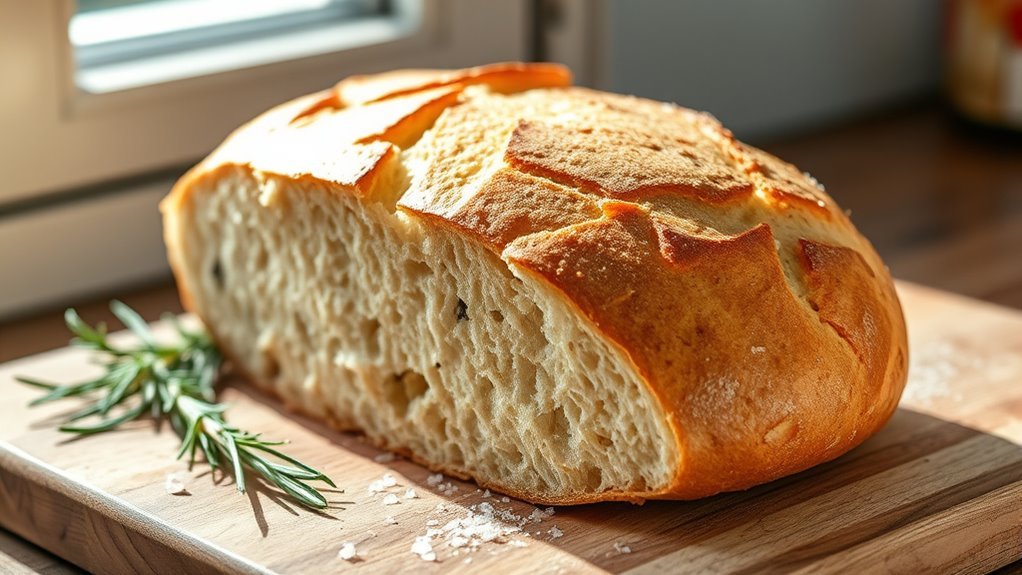
When evaluating the nutritional profile of sourdough, you’ll want to take into account both its carbohydrate content and glycemic index. Sourdough typically contains fewer carbohydrates than traditional bread, which may be beneficial for those on a low-carb diet. Additionally, its fermentation process can result in a lower glycemic index, making it a potentially smarter choice for blood sugar management.
Carbohydrate Content Analysis
While you might think of sourdough as a bread option that’s simply delicious, its carbohydrate content plays an essential role in its suitability for a ketogenic diet. When evaluating carb sources, it’s important to reflect on how they impact your diet implications. Sourdough typically contains higher carbs than many keto-friendly options, which may challenge your goals.
Here’s a quick breakdown of sourdough’s carbohydrate profile:
| Serving Size | Total Carbs | Net Carbs |
|---|---|---|
| 1 slice (28g) | 15g | 12g |
| 100g | 50g | 40g |
| 1 loaf (900g) | 450g | 360g |
Understanding these figures helps you make informed choices about incorporating sourdough into your diet.
Glycemic Index Considerations
The carbohydrate content of sourdough is only part of the story; its glycemic index (GI) also plays a significant role in how it affects your body. Sourdough generally has a lower GI compared to traditional bread, meaning it causes a slower, more gradual glycemic response. This is beneficial because it helps stabilize insulin levels, reducing the risk of blood sugar spikes. The fermentation process involved in making sourdough breaks down some carbohydrates, further enhancing its digestibility. If you’re looking for bread that aligns with a healthier lifestyle, sourdough might be a better choice than other bread types. However, individual responses can vary, so it’s essential to listen to your body and adjust accordingly.
Carbohydrates and Ketosis

When considering sourdough bread in your keto diet, it’s essential to examine its ingredients and carbohydrate content. Unlike traditional bread, sourdough can have a lower glycemic index, but it still contains carbohydrates that may affect ketosis. Comparing the carb counts of different sourdough options can help you make informed choices that align with your dietary goals.
Sourdough Bread Ingredients
Sourdough bread, often celebrated for its unique flavor and texture, is primarily made from flour, water, and salt, with a natural fermentation process that involves wild yeast and lactic acid bacteria. While traditional sourdough is delicious, it can pose challenges for those following a keto diet due to its carbohydrate content. You can explore sourdough variations by using alternative flours, like almond or coconut, which notably reduce carbs. Ingredient substitutions, such as adding psyllium husk or replacing sugar with erythritol, can also enhance texture while keeping it keto-friendly. If you’re committed to enjoying sourdough, these adjustments can help you align your bread choices with your dietary goals, allowing for freedom in your culinary explorations.
Carb Count Comparison
Although traditional sourdough bread is beloved for its tangy flavor, its carbohydrate content can be a significant concern for those trying to maintain ketosis. When considering sourdough varieties, it’s important to compare their carb counts to guarantee they align with your keto diet goals. Here’s a quick comparison:
| Sourdough Variety | Carbs (per 100g) |
|---|---|
| White Sourdough | 50g |
| Whole Wheat Sourdough | 41g |
| Rye Sourdough | 48g |
| Gluten-Free Sourdough | 60g |
| Spelt Sourdough | 45g |
As you can see, most sourdough varieties pack a hefty carb punch. If you’re aiming for ketosis, you’ll need to exercise caution and choose wisely.
The Fermentation Process and Its Benefits
While many people enjoy the tangy flavor of sourdough bread, the fermentation process behind it offers several health benefits that can be particularly appealing. This process creates sourdough probiotics, which can enhance gut health and improve digestion. The natural fermentation breaks down gluten and phytic acid, making nutrients more bioavailable and potentially reducing gluten sensitivity for some individuals. Additionally, sourdough’s lower glycemic index may help regulate blood sugar levels, aligning with your health goals. These fermentation benefits not only contribute to a unique flavor profile but also make sourdough a more nutritious option compared to conventional bread. Embracing sourdough could be a delicious way to support your overall well-being while enjoying the freedom of flavorful foods.
Keto-Friendly Alternatives to Sourdough
If you’re following a keto diet and miss the taste and texture of sourdough, there are several alternatives that can satisfy your cravings without compromising your carb intake. One popular option is low carb bread made from almond flour, which is not only low in carbs but also rich in healthy fats and protein. You can easily find recipes for almond flour bread that mimic the chewy texture of sourdough. Another alternative is cloud bread, which uses eggs and cream cheese to create a light, airy substitute. These options allow you to enjoy sandwiches or toast without the guilt of high-carb bread. By incorporating low carb alternatives, you can maintain your keto lifestyle while relishing the flavors you love.
Tips for Enjoying Sourdough in Moderation
Even though sourdough is not strictly keto-friendly, you can still enjoy it in moderation by being mindful of portion sizes and pairing it with low-carb toppings. Start by practicing portion control; a slice or two can fit into your meal plan without derailing your progress. Consider topping your sourdough with avocado or a spread made from cream cheese and herbs, which keeps your meal flavorful and low in carbs. Engaging in mindful eating also helps; savor each bite and pay attention to how your body feels. This way, you can indulge in your favorite sourdough while remaining committed to your keto goals. Remember, balance is key, and enjoying food should feel liberating, not restrictive.
Frequently Asked Questions about Sourdough and Keto
1. Is sourdough bread considered keto-friendly?
Sourdough bread is generally not considered keto-friendly due to its carbohydrate content. Traditional sourdough bread is made from flour, water, and a sourdough starter, which typically results in a higher net carb count than what is acceptable on a strict keto diet. Keto dieters typically aim to consume fewer than 20-50 grams of carbohydrates per day, and a single slice of sourdough bread can contain upwards of 20 grams of carbs.
2. Can I enjoy sourdough while following a keto diet?
While traditional sourdough is high in carbs, some people on a keto diet may choose to enjoy small amounts of sourdough bread in moderation, especially if it fits within their daily carb limits. Additionally, there are low-carb or keto-friendly sourdough recipes available that use alternative flours such as almond flour or coconut flour, which can help reduce the carb content significantly.
3. What makes sourdough different from other types of bread?
Sourdough bread is unique due to its fermentation process, which involves wild yeast and lactic acid bacteria. This natural fermentation not only gives sourdough its characteristic tangy flavor but also makes it easier to digest compared to conventional bread. The fermentation process can break down some of the gluten and phytic acid, which may enhance nutrient absorption. However, the main ingredient, flour, still contributes to its overall carbohydrate content.
4. Are there any health benefits to sourdough bread?
Yes, sourdough bread offers several health benefits. The fermentation process can improve the bioavailability of nutrients, making it easier for the body to absorb vitamins and minerals. Sourdough may also have a lower glycemic index compared to other breads, which can lead to a more gradual rise in blood sugar levels. Additionally, the presence of probiotics can support gut health. However, these benefits may be less relevant for those strictly adhering to a keto diet due to the bread’s carbohydrate content.
5. What are some alternatives to sourdough for keto dieters?
For those following a keto diet, there are several alternatives to sourdough bread. Options include cloud bread, which is made from eggs and cream cheese, or almond flour bread, which uses almond flour as the main ingredient. Other alternatives include flaxseed bread and coconut flour bread, both of which are lower in carbs and can be used for sandwiches or toast. These alternatives can help satisfy cravings for bread while keeping carb intake in check.
References
- https://www.ncbi.nlm.nih.gov/pmc/articles/PMC6520968/
- https://www.healthline.com/nutrition/keto-diet-foods
- https://www.verywellfit.com/what-is-sourdough-bread-5111736
- https://www.webmd.com/diet/what-is-keto-diet
- https://www.wheatintheworld.org/health-benefits-of-sourdough-bread
- https://www.journalofnutrition.org/content/early/2020/06/30/jn.120.000550
- https://www.sciencedirect.com/science/article/pii/S0955286320300426
- https://www.bbcgoodfood.com/howto/guide/what-sourdough-bread