
Salads can definitely be keto-friendly, but it depends on the ingredients and dressings you choose. With the right combination of low-carb components and healthy fats, salads can fit seamlessly into a ketogenic diet. This article will guide you through the essentials of creating delicious, nutrient-dense salads that align with your keto goals while ensuring you enjoy every bite.
Understanding the Keto Diet
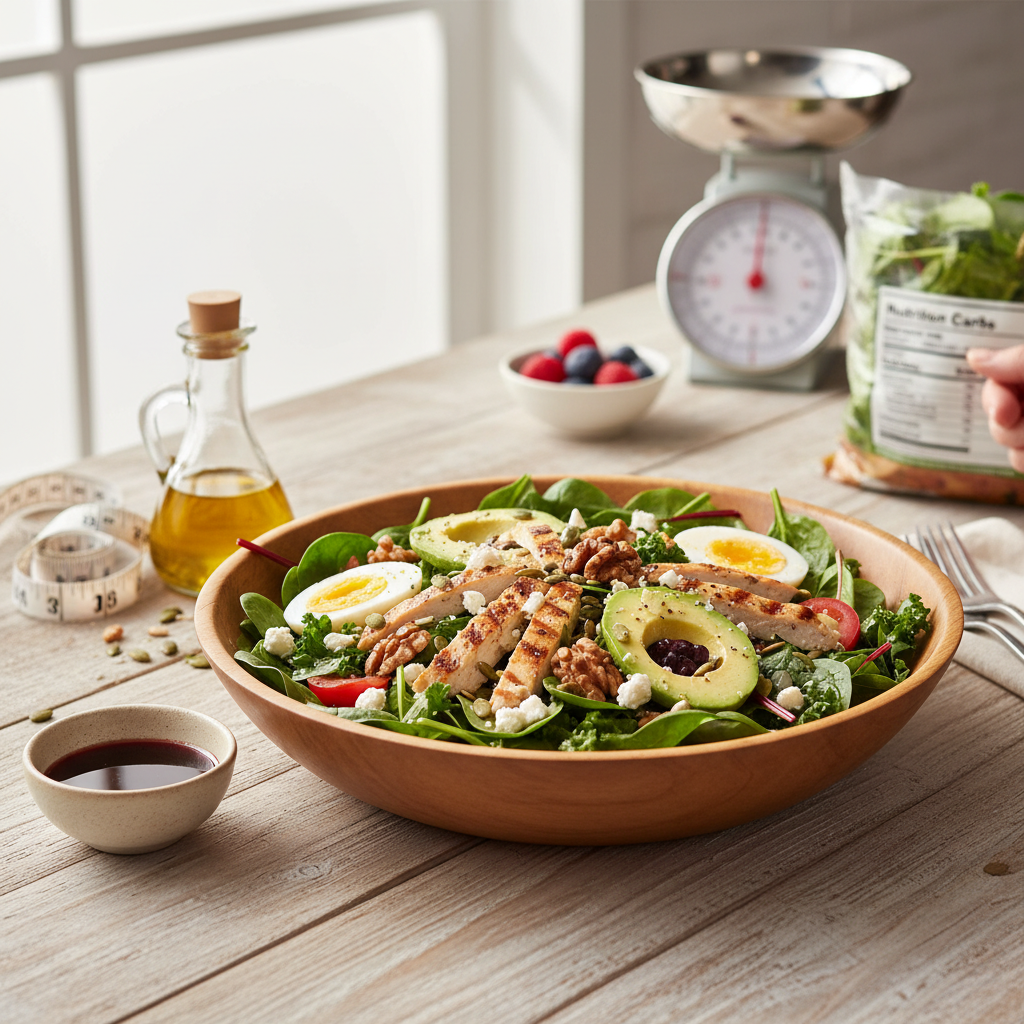
The ketogenic diet, or keto diet, emphasizes a high-fat, moderate-protein, and very low-carbohydrate intake. The primary goal of this dietary approach is to shift the body’s metabolism from relying on glucose derived from carbohydrates to utilizing fats and ketones for energy. To achieve this metabolic state, known as ketosis, it is essential to restrict daily carbohydrate intake to approximately 20-50 grams. This significant reduction in carbs forces the body to burn fat for fuel, which can lead to weight loss and other health benefits. Understanding these principles is fundamental when selecting ingredients for your salads, as every component can impact your overall carbohydrate intake.
Keto-Friendly Salad Ingredients
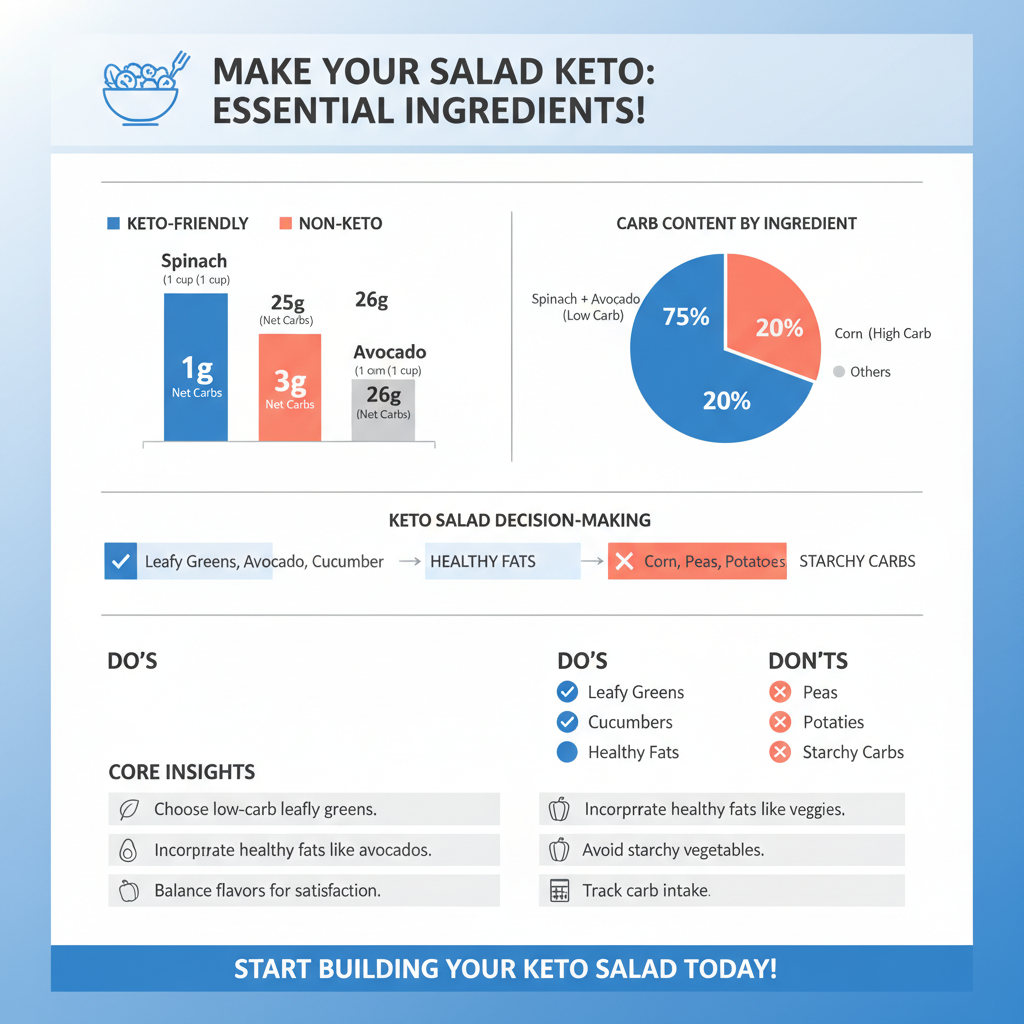
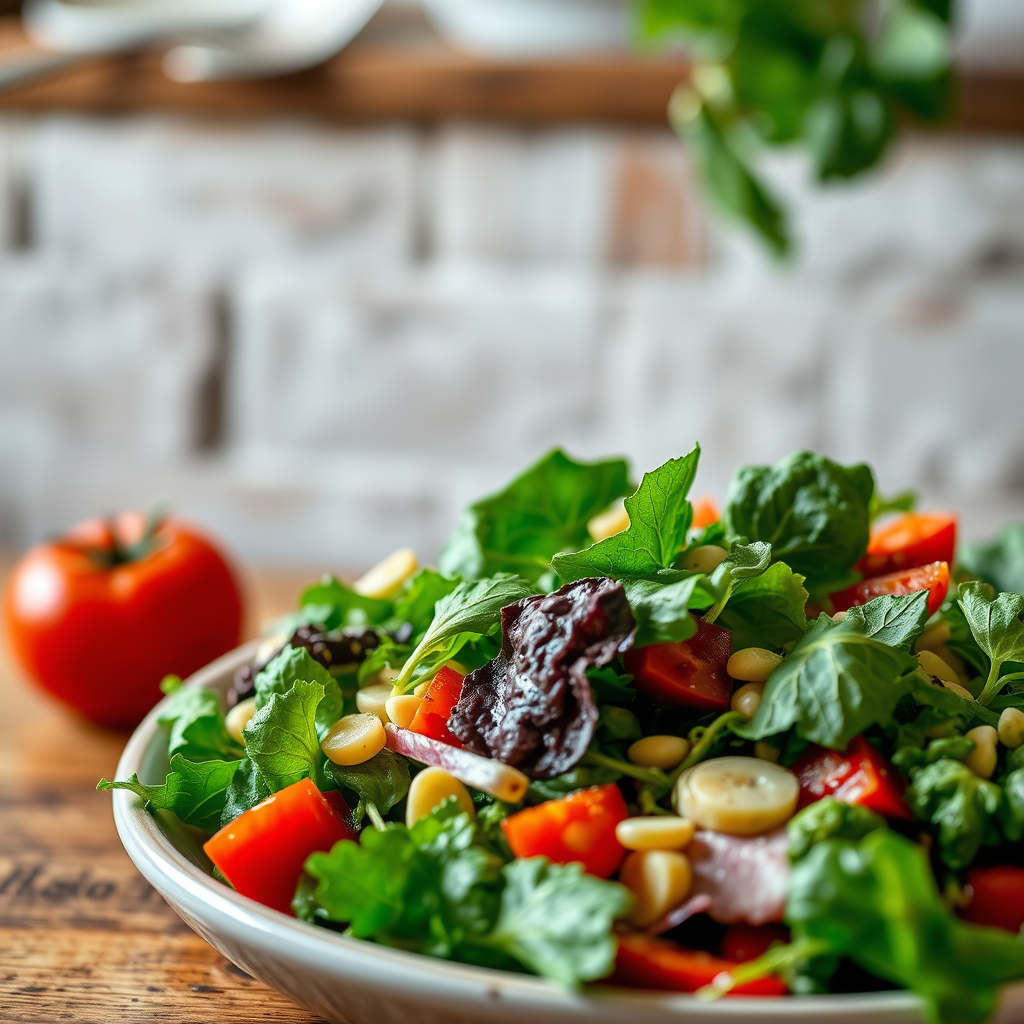
When crafting a keto-friendly salad, the first step is to choose the right leafy greens. Options like spinach, kale, arugula, and romaine are not only low in carbohydrates but also rich in vitamins, minerals, and antioxidants. For example, one cup of raw spinach contains only about 1 gram of net carbs, making it an excellent base for any salad.
Avocados are another stellar ingredient to consider. They are high in healthy monounsaturated fats and fiber, both of which are beneficial on a keto diet. A single avocado contains approximately 12 grams of carbs, but 9 grams come from fiber, resulting in only 3 grams of net carbs. Incorporating avocados into your salad not only enhances its creaminess but also provides essential nutrients such as potassium and folate.
Other keto-friendly ingredients include cucumbers, bell peppers, and zucchini, all of which are low in carbs and add texture and flavor to your salad. When combined thoughtfully, these ingredients can create a satisfying and nutrient-rich meal option.
Non-Keto Ingredients to Avoid
While salads can be a healthy choice, certain ingredients can turn a low-carb meal into a carb-heavy dish. Starchy vegetables are one of the main culprits. Items like corn, peas, and potatoes are often found in salads but can significantly increase the carbohydrate count, with corn containing about 25 grams of carbs per cup. Therefore, it is wise to opt for non-starchy alternatives, such as radishes or cauliflower.
High-sugar fruits are another category to avoid. Fruits such as grapes, bananas, and mangoes can add unnecessary sugars to your salad. Instead, consider using lower-sugar fruits like strawberries or raspberries in moderation, as they contain fewer carbs and still offer a hint of sweetness.
Additionally, be cautious with certain toppings, such as croutons or processed snacks, which can contribute empty carbs and calories. Always read labels carefully and opt for whole, unprocessed foods when possible.
Choosing the Right Dressings
The choice of salad dressing can make or break your keto-friendly meal. Oil-based dressings, such as those made with olive oil or avocado oil, are the best options. These types of dressings are not only low in carbohydrates but also provide healthy fats that support ketosis. A simple vinaigrette made with olive oil, vinegar, and herbs can elevate your salad without compromising your dietary goals.
On the other hand, dressings that contain added sugars or high-carb ingredients should be avoided. Creamy dressings, such as ranch or blue cheese, may also contain hidden sugars and carbohydrates due to ingredients like milk or sugar-laden mayonnaise. Always opt for homemade dressings when possible, as this allows you to control the ingredients and ensure they align with your keto lifestyle.
Topping Choices for Keto Salads
Enhancing your salad with the right toppings can provide additional flavor, texture, and nutritional benefits. For a protein boost, consider adding grilled chicken, bacon bits, or hard-boiled eggs. These proteins not only enrich your salad but also keep you satiated longer, helping you to avoid unhealthy snacking.
Nuts and seeds are excellent additions as well. Almonds, walnuts, sunflower seeds, and chia seeds can offer crunch and healthy fats, making your salad more satisfying. For example, a tablespoon of chia seeds adds approximately 1 gram of net carbs and a wealth of omega-3 fatty acids, which are beneficial for heart health.
Moreover, cheese can be a delicious topping for keto salads. Varieties such as feta, blue cheese, or parmesan are low in carbohydrates and high in flavor. Just be mindful of portion sizes, as cheese can add up in calories.
Meal Prep and Planning Tips
To maximize your success with keto salads, meal prep is essential. Preparing salads in advance can save you time and ensure you have healthy options readily available. However, to maintain freshness and prevent sogginess, store your dressings separately. This way, you can dress your salad just before serving, keeping the greens crisp and enjoyable.
Furthermore, experimenting with different combinations of ingredients can keep your salads exciting and prevent meal fatigue. Consider rotating your leafy greens, proteins, and toppings to discover new flavor profiles. For instance, try a spinach and bacon salad one week and switch to a kale and shrimp salad the next. Keeping a variety of ingredients on hand allows for greater flexibility and creativity in your meal planning.
Sample Keto Salad Recipes
To get you started on your keto salad journey, here are a few sample recipes:
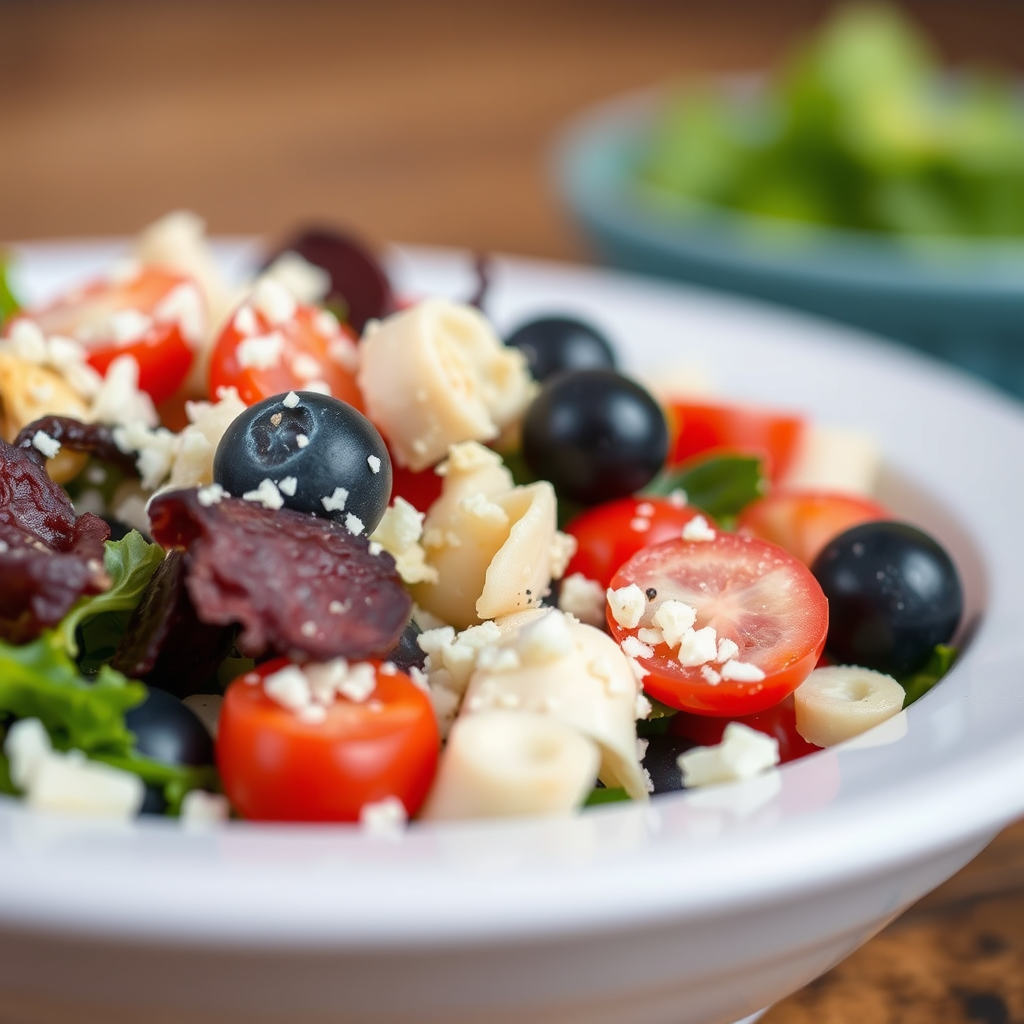
1. Spinach Salad with Avocado, Feta, and Olive Oil Dressing: Combine fresh spinach, sliced avocado, crumbled feta cheese, and a drizzle of olive oil. Season with salt and pepper to taste for a refreshing and nutrient-dense salad.
2. Caesar Salad with Grilled Chicken and Homemade Low-Carb Caesar Dressing: Use romaine lettuce, grilled chicken breast, and sprinkle with parmesan cheese. For the dressing, blend olive oil, lemon juice, garlic, Dijon mustard, and anchovy paste for a deliciously creamy dressing that adheres to keto guidelines.
By incorporating these recipes and adjusting them based on your preferences, you can create a variety of satisfying salads that align with your ketogenic lifestyle.
Salads can be a versatile and delicious option for those on a keto diet if you choose the right ingredients and dressings. By understanding the components that fit within your dietary needs and experimenting with various combinations, you can enjoy meals that are both healthy and satisfying. Start planning your next salad today, and discover the endless possibilities that await you in the world of keto-friendly cuisine.
Frequently Asked Questions
Is salad keto-friendly, and what ingredients should I avoid?
Yes, salads can be keto-friendly, but it’s essential to choose the right ingredients. To keep your salad low in carbs, avoid high-sugar vegetables like carrots and corn, and steer clear of croutons or sweet dressings. Instead, focus on leafy greens like spinach and kale, along with low-carb vegetables such as cucumbers and bell peppers. Healthy fats, like avocado or olive oil, can enhance the salad while keeping it compliant with ketogenic guidelines.
What are the best salad dressings for a keto diet?
The best salad dressings for a keto diet are those that are low in sugar and high in healthy fats. Look for dressings made with olive oil, vinegar, or mayonnaise, and avoid those that contain added sugars or high-carb ingredients. Homemade dressings are also a great option, as you can control the ingredients; for example, a simple vinaigrette made with olive oil, apple cider vinegar, and herbs is both delicious and keto-friendly.
How can I make my salad more filling on a keto diet?
To make your salad more filling while following a keto diet, incorporate high-fat proteins and healthy fats. Adding ingredients like grilled chicken, tuna, bacon, or boiled eggs can boost the protein content, while toppings like nuts, seeds, or avocado enhance the healthy fat profile. Additionally, using cheese, such as feta or blue cheese, can add both flavor and satiation, making your salad a satisfying meal option.
Why are leafy greens important in a keto salad?
Leafy greens are crucial in a keto salad because they are low in carbohydrates and high in fiber, making them an excellent choice for maintaining ketosis. Vegetables like spinach, arugula, and romaine lettuce provide essential vitamins and minerals without contributing significantly to your daily carb intake. Incorporating a variety of leafy greens not only supports your nutritional needs but also adds volume and texture to your salad.
Which toppings should I avoid in a keto salad?
When preparing a keto salad, avoid toppings that are high in carbohydrates and sugars. Common culprits include croutons, sweet dressings, and starchy vegetables like peas or corn. Additionally, be cautious with fruits; while some can be enjoyed in moderation, such as berries, others like grapes or bananas should be limited to keep your carb count in check. Instead, opt for low-carb toppings like olives, cheese, and nuts to enhance your salad.
References
- https://www.healthline.com/nutrition/keto-salad
- https://www.medicalnewstoday.com/articles/323203
- https://www.webmd.com/diet/what-is-the-keto-diet
- https://www.ncbi.nlm.nih.gov/pmc/articles/PMC6520689/
- https://www.dietdoctor.com/low-carb/keto/salads
- https://www.verywellfit.com/keto-salad-recipes-4789115
- Harvard University
- https://www.nutrition.org.uk/
- Start Keto Here – Keto Recipes – KetoConnect
- https://www.cdc.gov/healthyweight/assessing/bmi/index.html