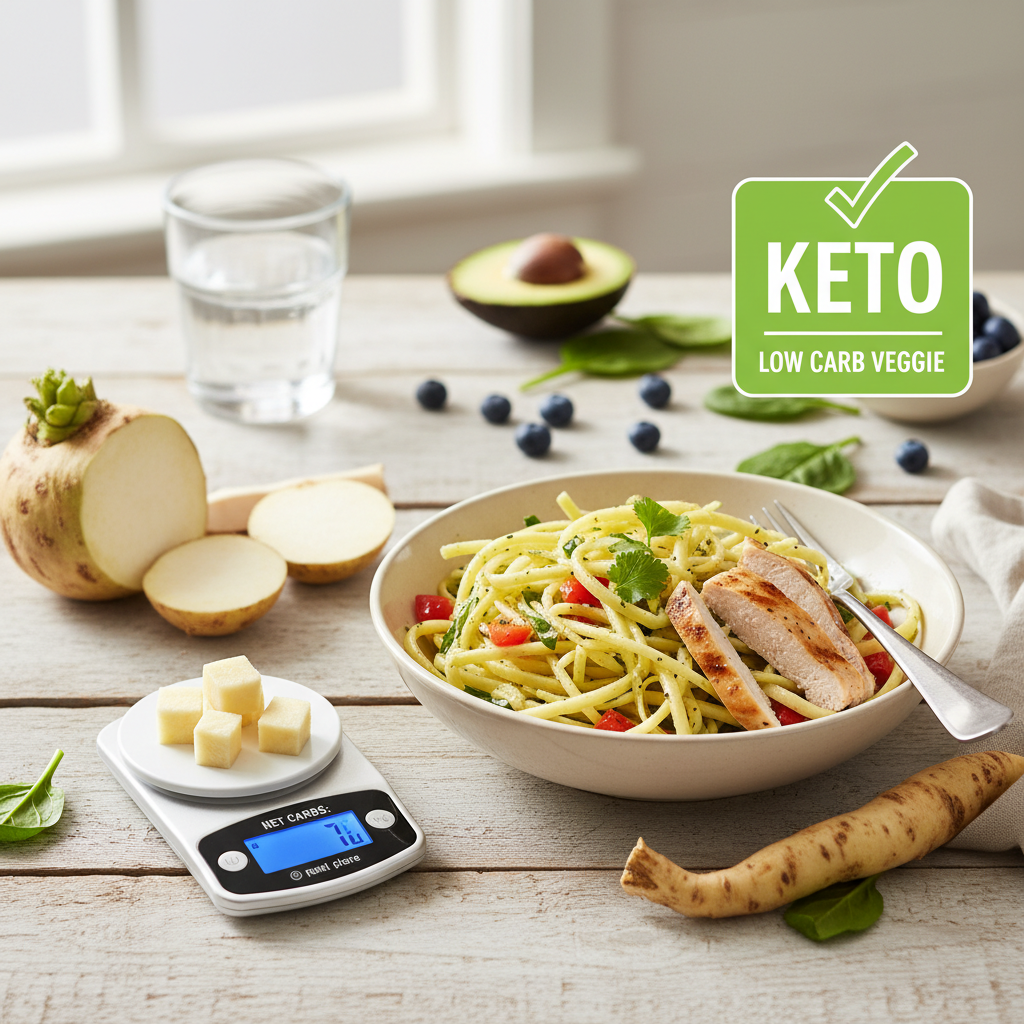

Rutabaga can be considered keto-friendly, but moderation is key due to its carbohydrate content. This cruciferous vegetable offers a unique flavor profile and nutritional benefits that can complement a ketogenic diet when consumed thoughtfully. In this article, we’ll explore the nutritional profile of rutabaga, how it fits into a ketogenic diet, and tips for incorporating it into your meals.
Nutritional Profile of Rutabaga
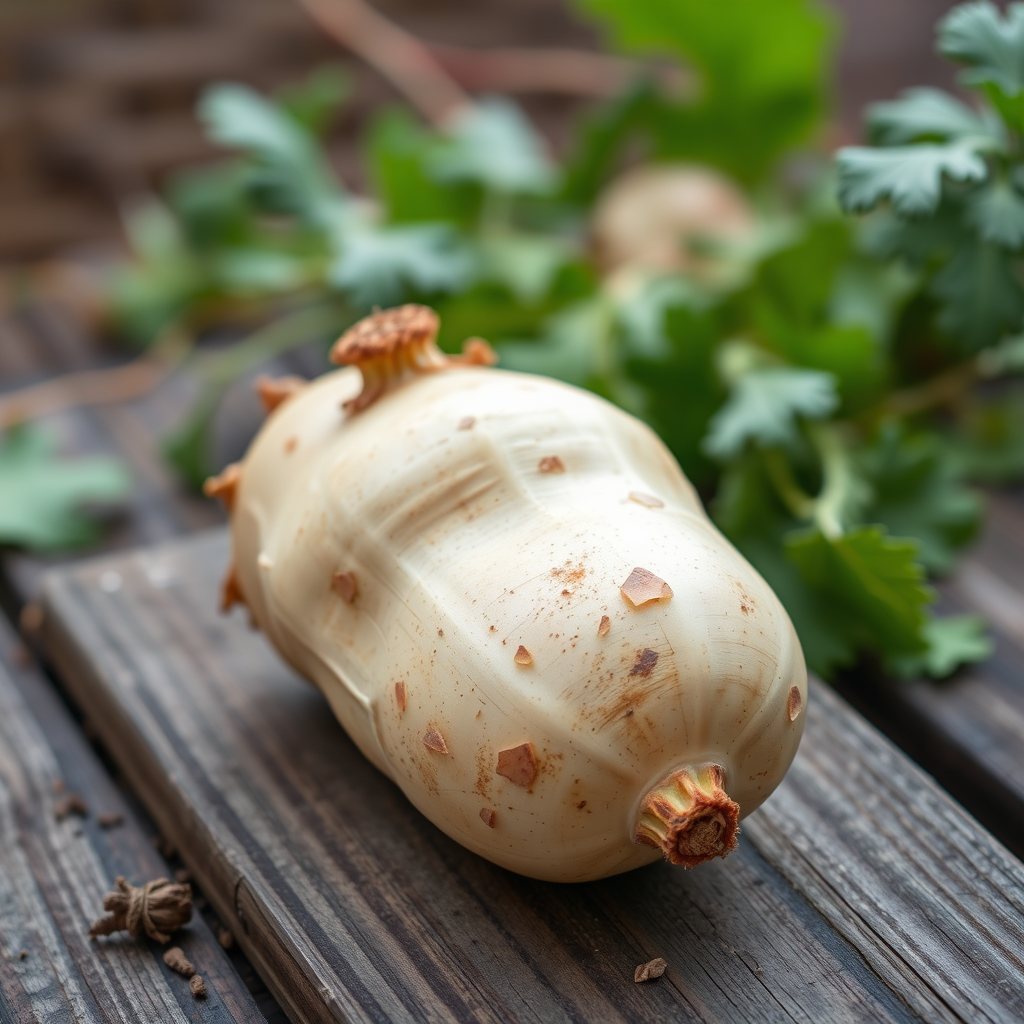
Rutabaga is a root vegetable that is low in calories, making it an appealing choice for those on a ketogenic diet. With approximately 35 calories per 100 grams, it provides a satisfying option without significantly impacting your daily caloric intake. Rutabaga is composed primarily of water and carbohydrates, containing around 8 grams of carbohydrates per 100 grams. Importantly, this includes 2.2 grams of dietary fiber, which is essential for digestive health and can aid in maintaining a feeling of fullness.
This nutritional profile makes rutabaga an attractive option for those looking to diversify their low-carb vegetable intake. Additionally, rutabaga is a source of essential vitamins and minerals, including vitamin C, potassium, and magnesium, contributing to overall health and well-being. In terms of its keto compatibility, the presence of fiber helps mitigate the effects of carbohydrates on blood sugar levels, making it a more favorable option than many starchy vegetables.
Carbohydrates and Fiber Considerations
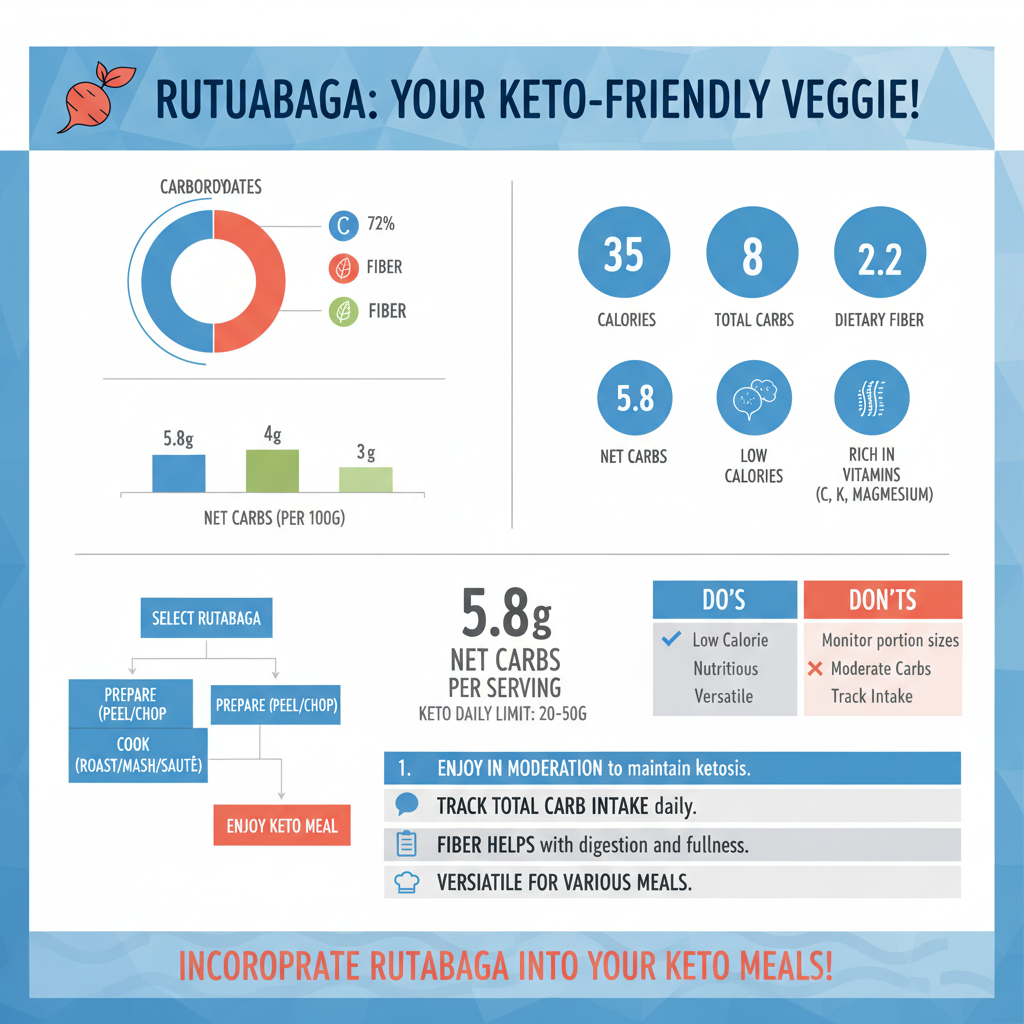

When evaluating rutabaga’s role in a ketogenic diet, it is crucial to consider its carbohydrate content carefully. The net carbs in rutabaga are approximately 5.8 grams per serving when fiber is accounted for. This low net carbohydrate count makes rutabaga a suitable addition for those adhering to a strict keto regimen, which typically limits carbohydrate intake to around 20-50 grams daily.
However, it’s important to track total carbohydrate intake when following a ketogenic diet. Each individual’s tolerance to carbohydrates can vary, and even small amounts can add up throughout the day. Monitoring how rutabaga fits within your overall macronutrient goals is essential to maintain ketosis. Therefore, while rutabaga can be enjoyed in moderation, it is advisable to be mindful of portion sizes to ensure you stay within your carbohydrate limits.
Incorporating Rutabaga into Keto Meals
Rutabaga’s versatility allows it to be incorporated into various keto-friendly meals, adding both flavor and nutrition. One popular method is to roast rutabaga; simply cut it into cubes, toss with olive oil, salt, and pepper, and roast until golden brown. This method brings out its natural sweetness and caramelization, making it a delicious side dish.
Another option is to mash rutabaga as a low-carb alternative to traditional mashed potatoes. Boil the rutabaga until tender, then mash it with high-fat ingredients such as butter, cream, or sour cream to create a rich and satisfying dish. Additionally, rutabaga can be used in soups and stews, adding a hearty texture while complementing other flavors. Pairing rutabaga with high-fat ingredients enhances its compatibility with a ketogenic diet, ensuring that your meals remain satisfying and nutritious.
Alternatives to Rutabaga on Keto
While rutabaga can fit into a ketogenic diet, there are other low-carb vegetables that may serve as suitable substitutes or alternatives. Cauliflower, for example, is a popular choice due to its versatility and low net carb content. It can be used to create cauliflower rice, mashed cauliflower, or even cauliflower pizza crust. Zucchini is another excellent alternative, offering a mild flavor and low carbohydrate count, making it ideal for stir-fries and zoodles (zucchini noodles).
When considering alternatives, it’s essential to compare their nutritional values to determine which fits better into your meal plan. For instance, while zucchini has a slightly lower carbohydrate count than rutabaga, it may lack some of the vitamins and minerals found in rutabaga. Evaluating the nutritional profiles of these vegetables can help you make informed decisions about what to include in your ketogenic meals.
Cooking Tips for Rutabaga
To maximize the culinary potential of rutabaga, consider these practical cooking tips. First, peeling and cutting rutabaga into smaller pieces can significantly reduce cooking time. This root vegetable can be somewhat dense, so smaller pieces will cook more evenly and quickly, whether you are boiling, roasting, or steaming.
Additionally, don’t hesitate to experiment with various spices and herbs to enhance its flavor without adding extra carbohydrates. Seasoning rutabaga with garlic, rosemary, thyme, or paprika can elevate its taste profile, making it a delightful addition to any meal. You can also incorporate rutabaga into salads for added crunch and nutrition, ensuring you keep your meals varied and exciting while adhering to your keto guidelines.
Potential Health Benefits of Rutabaga
Beyond its keto compatibility, rutabaga offers several potential health benefits. Rich in vitamins C and E, rutabaga supports immune function and acts as an antioxidant, helping to combat oxidative stress in the body. Vitamin C is also crucial for collagen production, promoting healthy skin and connective tissue.
Moreover, the fiber content in rutabaga may contribute to digestive health, an essential consideration for anyone on a ketogenic diet. Adequate fiber intake supports regular bowel movements and can help prevent gastrointestinal discomfort, which some individuals may experience when transitioning to a low-carb lifestyle. Including rutabaga in your diet can help ensure you meet your fiber needs while enjoying a nutritious and satisfying vegetable.
Rutabaga can be a nutritious addition to your ketogenic meal plan when consumed in moderation. Its low net carbohydrate content, combined with its rich nutrient profile, makes it a valuable vegetable to incorporate into your diet. Remember to balance your overall carbohydrate intake and explore various cooking methods to keep your meals exciting. For more keto-friendly recipes and tips, subscribe to our newsletter or check out our other articles!
Frequently Asked Questions
Is rutabaga considered a keto-friendly vegetable?
Yes, rutabaga is considered keto-friendly due to its relatively low carbohydrate content compared to other root vegetables. A 1-cup serving of cooked rutabaga contains about 8 grams of net carbs, making it a suitable option for those following a ketogenic diet. Its versatility in recipes, from mashes to soups, allows you to enjoy this nutritious vegetable while staying within your carb limits.
How does rutabaga fit into a low-carb diet?
Rutabaga can be effectively included in a low-carb diet due to its fiber content, which helps reduce the net carbs. Its high nutritional value, including vitamin C and potassium, adds further health benefits, making it a great alternative to higher-carb vegetables like potatoes. Incorporating rutabaga into meals can enhance flavor and texture without compromising your dietary goals.
Why should I consider rutabaga on a keto diet?
Rutabaga is low in calories and high in nutrients, making it an excellent choice for anyone on a keto diet. Its low glycemic index means it won’t spike blood sugar levels, which is crucial for maintaining ketosis. Additionally, its unique taste and texture can help diversify your meals and keep you satisfied, preventing diet fatigue.
What are the best ways to prepare rutabaga for a keto meal?
Some of the best ways to prepare rutabaga for a keto meal include roasting, mashing, or incorporating it into soups and stews. Roasting brings out its natural sweetness and creates a delicious caramelized texture, while mashing rutabaga can serve as a low-carb alternative to mashed potatoes. Consider seasoning it with herbs and spices to enhance its flavor profile and keep your meals interesting.
Which recipes can I try using rutabaga for a keto diet?
There are numerous keto-friendly recipes that feature rutabaga, such as rutabaga fries, creamy rutabaga soup, and rutabaga hash with eggs. You can also use it in place of potatoes in casseroles or as a base for a healthy stir-fry. These recipes not only help you stay within your carb limits but also allow you to enjoy the unique taste and health benefits of rutabaga.
References
- Rutabaga
- https://www.healthline.com/nutrition/rutabaga-nutrition
- https://www.medicalnewstoday.com/articles/health-benefits-of-rutabaga
- https://www.ncbi.nlm.nih.gov/pmc/articles/PMC4714573/
- https://www.webmd.com/diet/what-is-rutabaga
- https://www.verywellfit.com/rutabaga-nutrition-and-health-benefits-5113618